





 Portuguese
  English
  Spanish
  3 min of reading
  80 comments


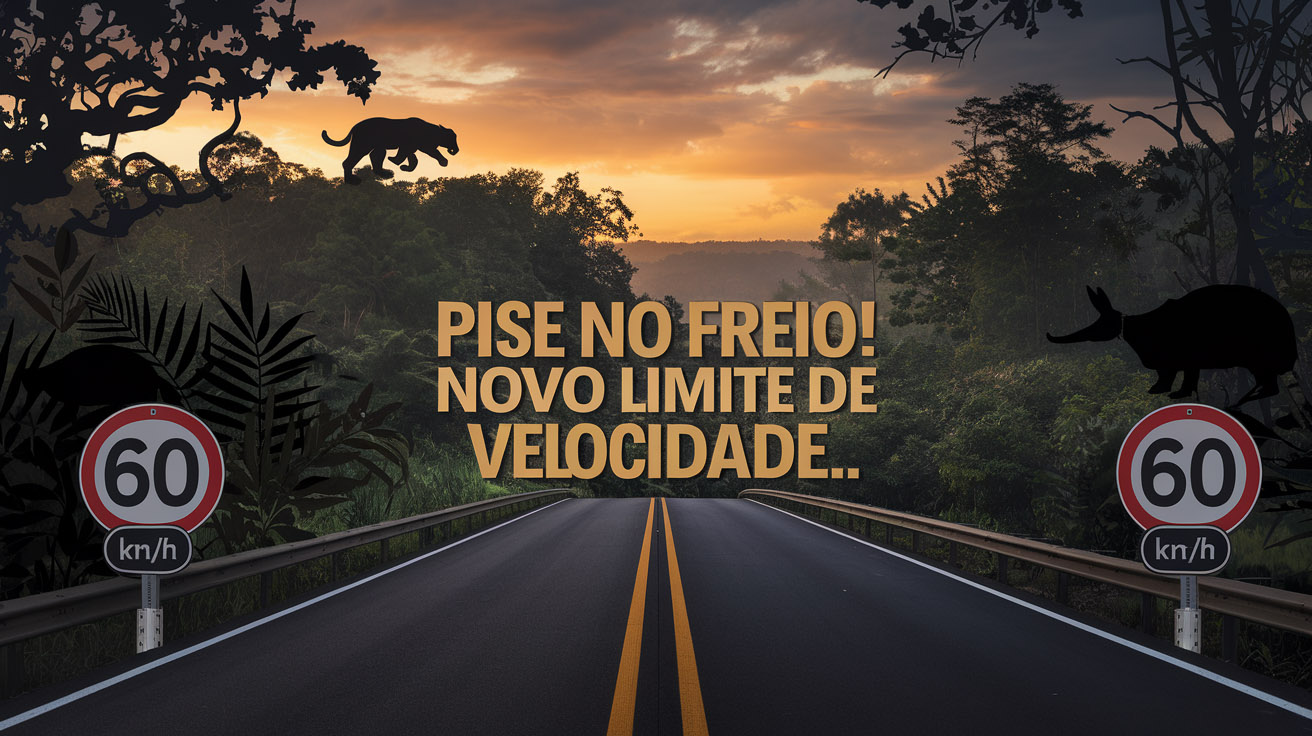


Concessionaire Reduces Maximum Speed on Important Brazilian Highway. The Measure Aims to Increase Road Safety and Protect Endangered Species That Live in the Region, Such as the Jaguar and the Giant Anteater.
In a surprising measure that promises to directly impact road safety and environmental preservation, a crucial stretch of one of Brazil’s main highways underwent a significant change in the speed limit.
The change aims to protect human lives and the rich local fauna, sparking debates about the coexistence between road development and environmental conservation.
Speed Limit Reduced on BR-101 to Protect Wildlife
-
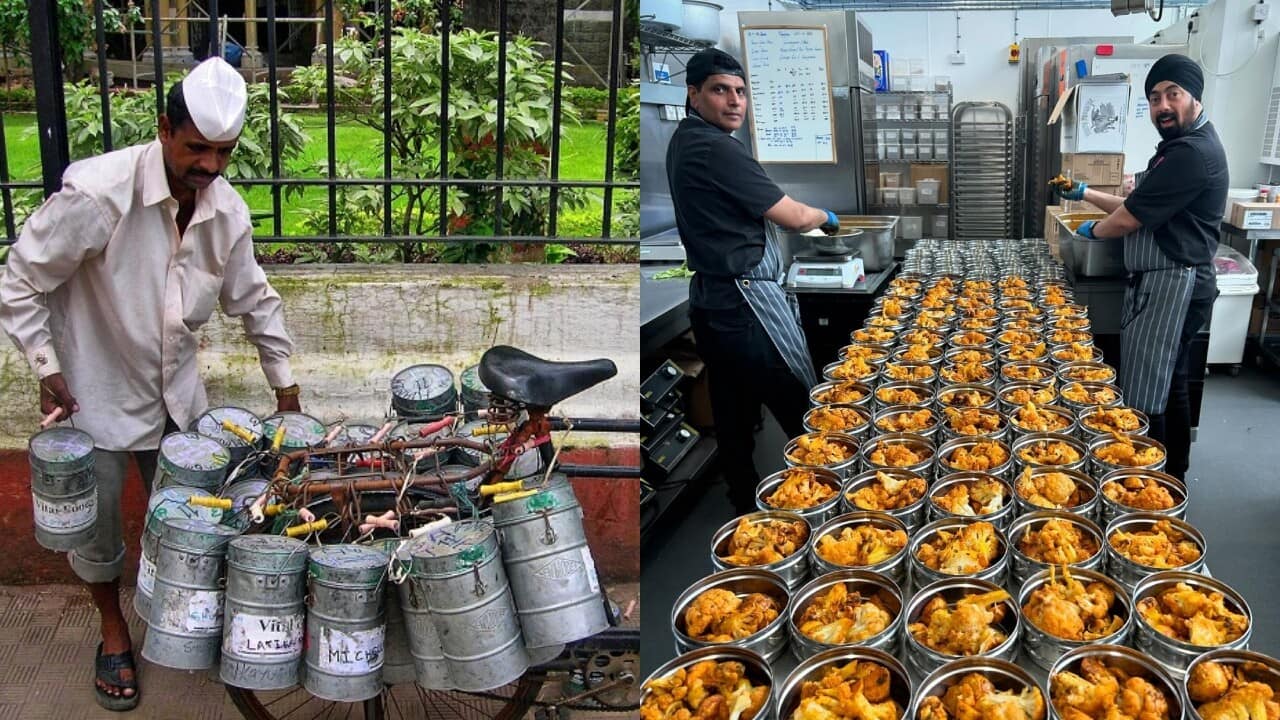
How 5,000 Indian dabbawalas manage to deliver around 200,000 lunchboxes a day in Mumbai for over 130 years using bicycles, crowded trains, and a manual system that continues to operate with impressive accuracy.
-
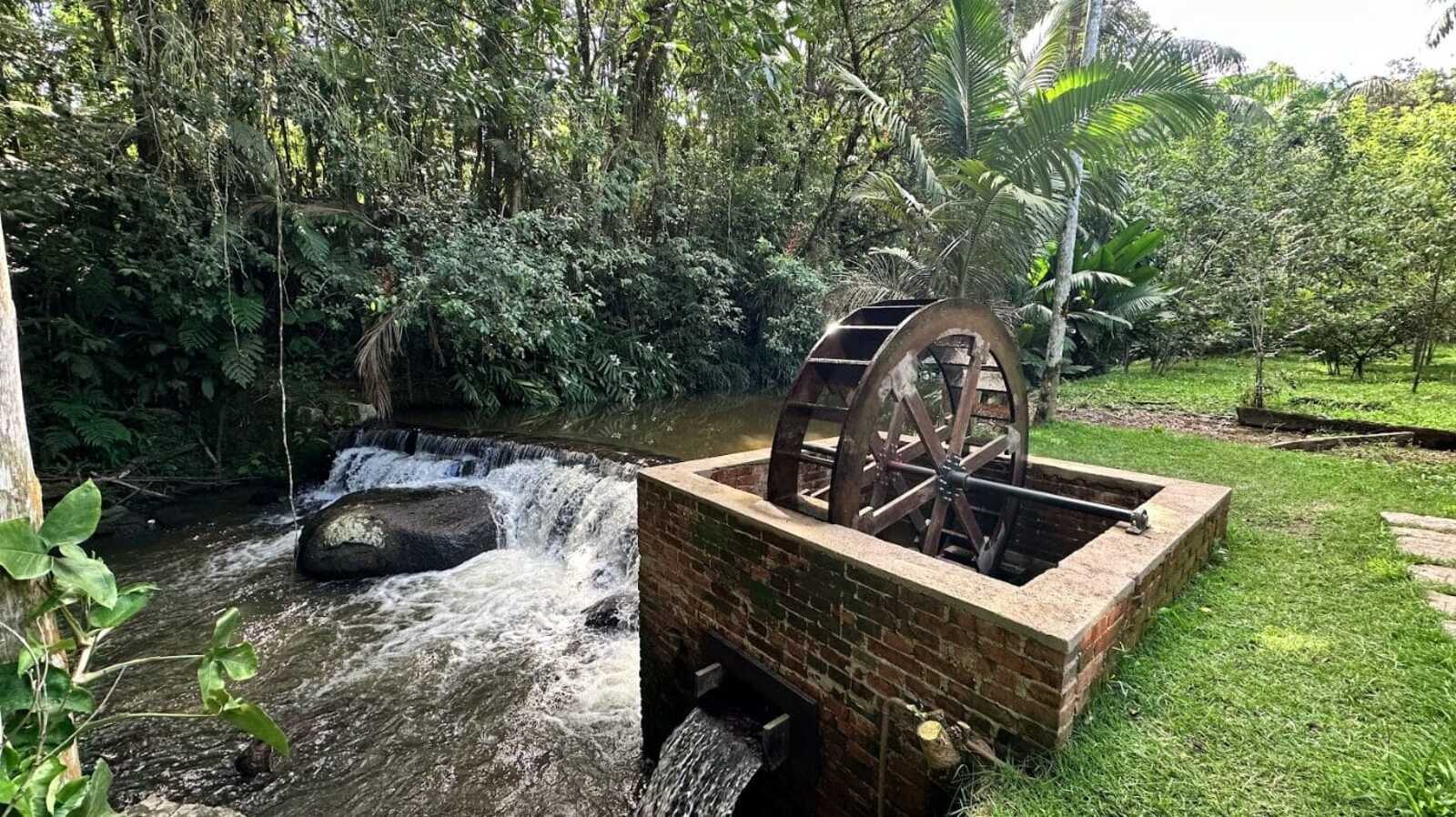
While restoring a historic mansion from 1910, a brick structure with an old turbine that generated energy from the Rio do Testo emerged, along with a hidden door and a rare floor concealed under layers of wax.
-
Italian researchers have detected what appears to be a second Sphinx buried under the sands of Egypt, and satellite scans reveal a gigantic underground megastructure hidden beneath the Giza Plateau for over 3,000 years.

-
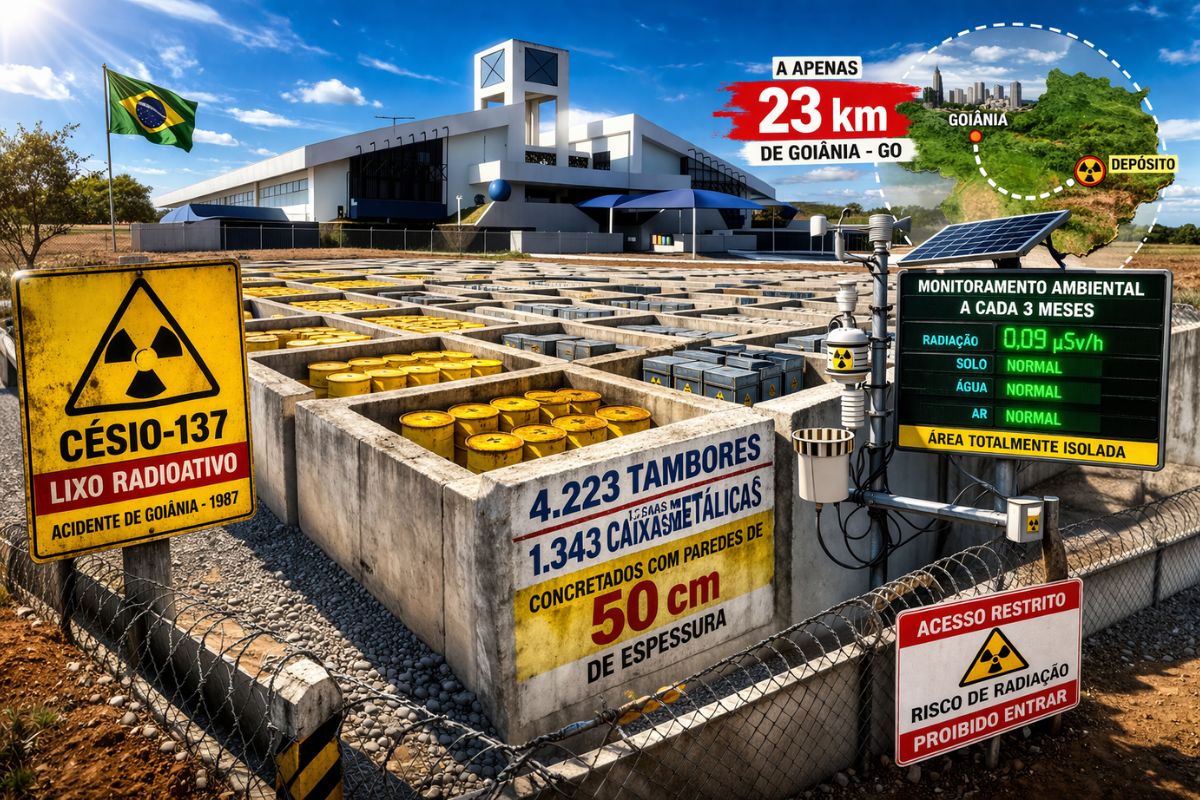
There are 4,223 drums and 1,343 metal boxes concreted with 50-centimeter walls that store the radioactive waste from Cesium-137 in the worst radiological accident in Brazil, just 23 kilometers from Goiânia, with environmental monitoring every three months.

The Eco101 concessionaire announced that, since last Monday (23), the speed limit on the stretch of BR-101 that runs through the Sooretama Biological Reserve in northern Espírito Santo has been reduced from 80 km/h to 60 km/h.
The alteration covers kilometers 100 to 124 of the highway, including part of the municipality of Linhares. The aim is to enhance drivers’ safety and protect animals that frequently cross the road, avoiding collisions and sudden maneuvers that can lead to serious accidents.
Importance of the Region for Biodiversity
The Sooretama Biological Reserve is an ecosystem of great relevance, housing hundreds of species of birds, mammals, reptiles, and amphibians, as well as thousands of invertebrates.
Among the endangered species present in the area are the jaguar, the tapir, the black curassow, the howler monkey, and the giant anteater. The presence of these animals makes the region particularly sensitive, justifying additional protection measures.
Periods of Higher Risk and Recommendations for Drivers
Grazielli Pena, Sustainability Analyst at Eco101, emphasizes that, even with the new signage, it is crucial for drivers to remain extra vigilant, especially between late afternoon and nighttime, periods when animal crossings on the highway are more frequent.
Drivers’ caution is essential to avoid accidents that can be fatal for both vehicle occupants and local wildlife.
Update of Signage and Communication Channels
Eco101 reported that all 38 signage panels indicating the new speed limit have already been replaced.
In addition, the concessionaire provides a communication channel for emergencies: if drivers spot animals on the road, they can contact the specialized team via WhatsApp at the number 0800 77 01 101.
Environmental Impact and Road Safety
The reduction of the speed limit in this specific stretch of BR-101 reflects a growing concern for the integration of road infrastructure and environmental conservation.
Measures like this are essential to minimize human impact on sensitive ecosystems and promote a more harmonious coexistence between development and the environment.
Awareness and Responsibility of Drivers
The cooperation of drivers is vital for the success of initiatives like this. Respecting speed limits and being attentive to signage not only avoids fines but also saves lives — human and animal.
Raising awareness about the importance of preserving local wildlife contributes to maintaining biodiversity and ensuring the safety of all who use the highway.
Future Perspectives
The adoption of similar measures in other risk areas along Brazilian highways could represent a significant advance in environmental protection and accident reduction.
The integration of technologies, such as animal detection systems and specific passages for wildlife, combined with driver education, can enhance the positive results of these initiatives.
To Protect Drivers and the Environment
The reduction of the speed limit on BR-101, in the stretch that cuts through the Sooretama Biological Reserve, is an action that highlights the importance of harmony between human progress and environmental preservation.
This measure aims to protect the rich local biodiversity and ensure the safety of drivers, reinforcing the need for awareness and responsibility from all users of the highway.
Do you believe that measures like speed reduction in preservation areas are sufficient to protect local wildlife, or would additional actions be necessary to ensure the safety of animals and drivers? Share your opinion in the comments.







Além da redução de velocidade, implementar túneis e redes aéreas também pode ajudar. …
Feliz ano novo 24/25
Ao invés de diminuir a velocidade, porque não investe em tela laterais e travessias verdes, como túneis sob a pista ou passarelas verdes para os animais , comprovadamente funcionais ?????
SOU MOTORISTA ,NÃO ACREDITO QUE DIMINUIÇÃO DE VELOCIDADE VAI SURTIR EFEITO,JÁ QUE SÃO PARA PROTEÇÃO AOS ANIMAIS ,CORRETO SERIA MAIS RADARES ONDE MAIS OUVE ATROPELAMEBTOS DE ANIMAIS ,MOTORISTA ATROPELAR UM **** ,QUE TENHA PERMISSÃO PARA PRESTAR SOCORRO ,ATE UMA BASE DA POLICIA FEDERAL, DEIXAR O **** ATROPELADO PARA SER ATENDIDO.