





 Portuguese
  English
  Spanish
  4 min of reading
  0 comments


The Measure Affects Property Owners and Condominiums, With an Obligation to Connect to the Network Where Available and Possible Charging Even With Use of the Well
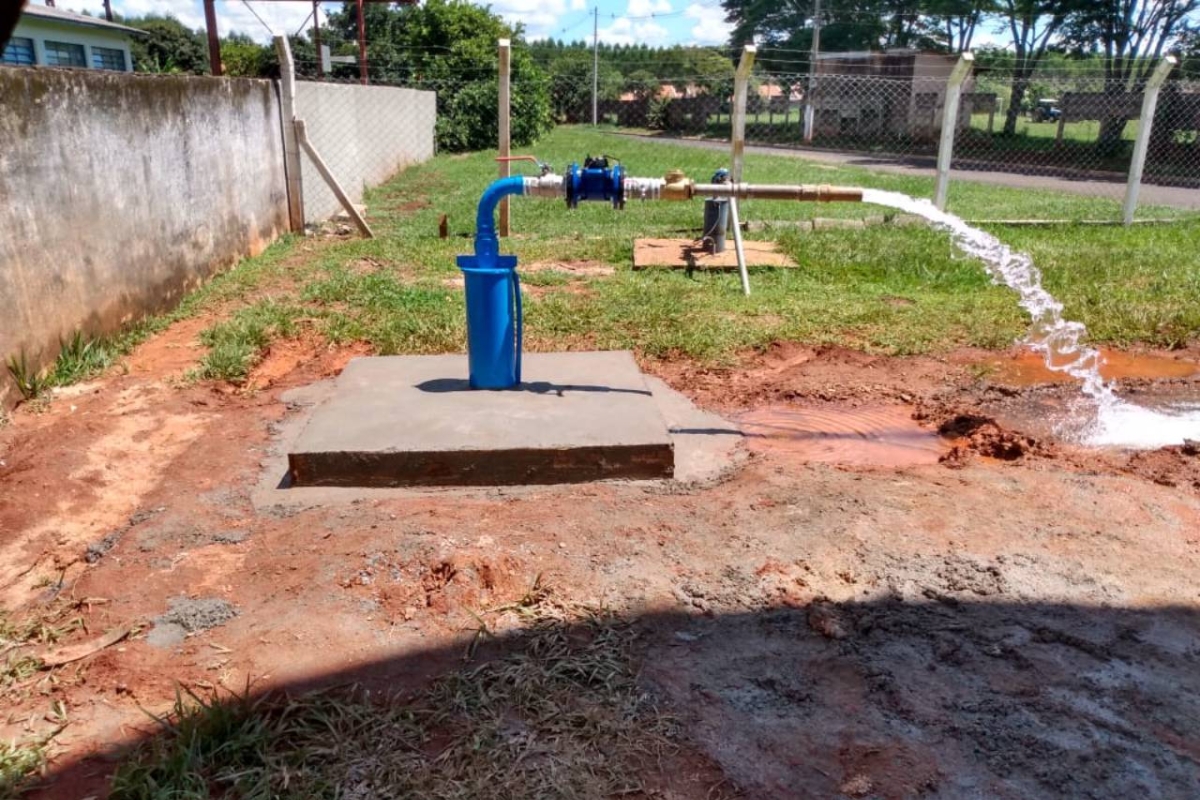
The decision of the Rio de Janeiro Court of Justice (TJRJ) determined that every property with access to the public water supply network of any utility must use this service, even if having an artesian well in operation.
In practice, the rule directly affects property owners and condominiums that kept the well as their main source of supply, including to reduce costs.
The issue also involves situations where residents relied on the well during periods of chronic supply failure by the utility, when alternative water was considered essential.
-
Meta and YouTube condemned for addiction to social media: ruling links the operation of the platforms to the worsening of anxiety and depression.

-
For just 96 dollars and with a 3D printer, an amateur created a prototype of a homemade guided missile with GPS, camera, and Wi-Fi tracking system, and this raised the debate about printed weapons to a frightening level.

-
The government will charge up to R$ 650 from pet owners in 2026, and tourists traveling with their dogs will have to pay a daily fee; the measure surprised thousands of pet ‘parents’ in Italy.
-
Man swaps his cellphone and modern life for a shelter in a tree to test the limits of mental sanity and physical preparedness.

What Happened and Why It Got Attention
The dispute involved arguments from public agencies as well as from residents and condominiums that used wells.
On one side, the State Government and the State Institute of the Environment (INEA) advocated for a total prohibition on the use of wells not connected to the public network. The justification cited sanitary safety, with the risk of contamination and disease proliferation, as well as the financial sustainability of the utilities.
On the other side, residents and condominiums argued that the well became vital during periods of recurrent failures in conventional supply.

What Changes in Practice for Property Owners and Condominiums
The decision changes the water consumption pattern in areas where the well was used as a permanent alternative.
This especially impacts areas where residents used the well to reduce costs, concentrating consumption outside the public system.
The consequence is a direct pressure for residential and commercial condominiums to adjust their operations and supply expenses.
What Are the Rules, Deadlines, and Conditions
The central rule is the obligation to use the public service where it is available.
If the utility’s supply network passes by the street, the property must connect and consume the water provided by it, even with an artesian well functioning.
The logic used is the principle that the utility has the right to provide the public service in the area where it is available.
How the Obligation to Connect to the Network Works
The determination establishes that the presence of the public network accessible to the property generates the obligation to use the service.
This means that the existence of a private source, such as the well, does not eliminate the duty to adhere to public supply when it is within reach of the property.
The practical effect is a change in routine for condominiums that operated with the well as the predominant source.
Minimum Tariff Charge and Use of the Well in Specific Situations
In addition to the connection and consumption by the utility, there is a financial impact even for those who maintain some use of the well.
The decision provides for the possibility of minimum tariff charge, regardless of the actual volume consumed from the utility.
Even with continued consumption of water from the well in specific uses, with registration, the property may be required to pay the utility’s tariff.
What May Happen From Now On
The trend is toward a reorganization of supply practices in condominiums that primarily relied on the well.
The scenario involves adjustments in consumption and costs, as the obligation to use the public network changes the logic of savings based on self-capturing.
The decision also reinforces the understanding that if the public service is available, the choice of alternative supply does not eliminate the requirement to connect.
The decision of the TJRJ establishes the connection to the public network as a rule for properties that have access to the supply of any utility, even when there is an artesian well in operation.
For property owners and condominiums, the main impact lies in the obligation to use the service and the possibility of minimum tariff charge, which may alter costs and routines in places that previously prioritized well water.







Seja o primeiro a reagir!