





 Portuguese
  English
  Spanish
  5 min of reading
  1 comment


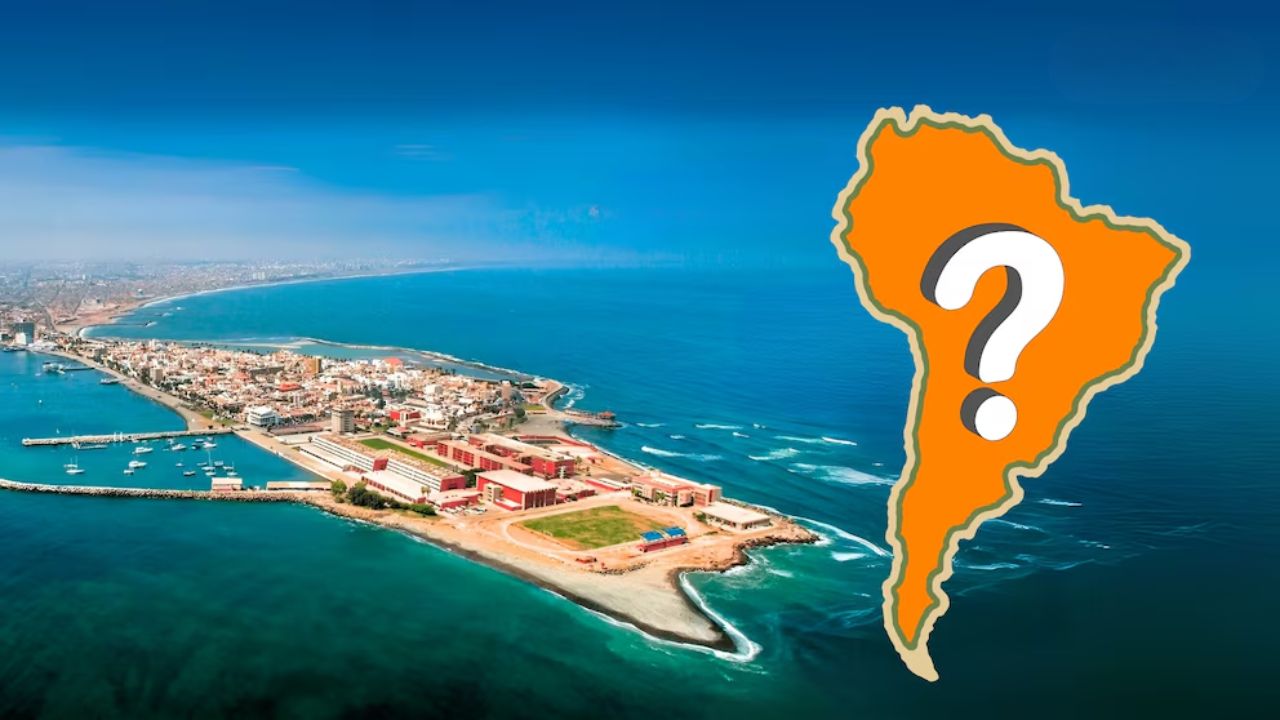


Megaproject Will Create an Artificial Peninsula in the Pacific with 200 Hectares, Financial Center, Marinas, and Private Beaches: Work Expected to be Completed by 2029
Imagine walking along a massive artificial peninsula on the Pacific coast, surrounded by skyscrapers, private beaches, marinas, water parks, and a modern financial center. All this resembling Dubai… but in South America. It is not a distant dream: it is the new megaproject that Peru has just launched, betting high on transforming the Callao region into a new hub for investment, tourism, and urban innovation.
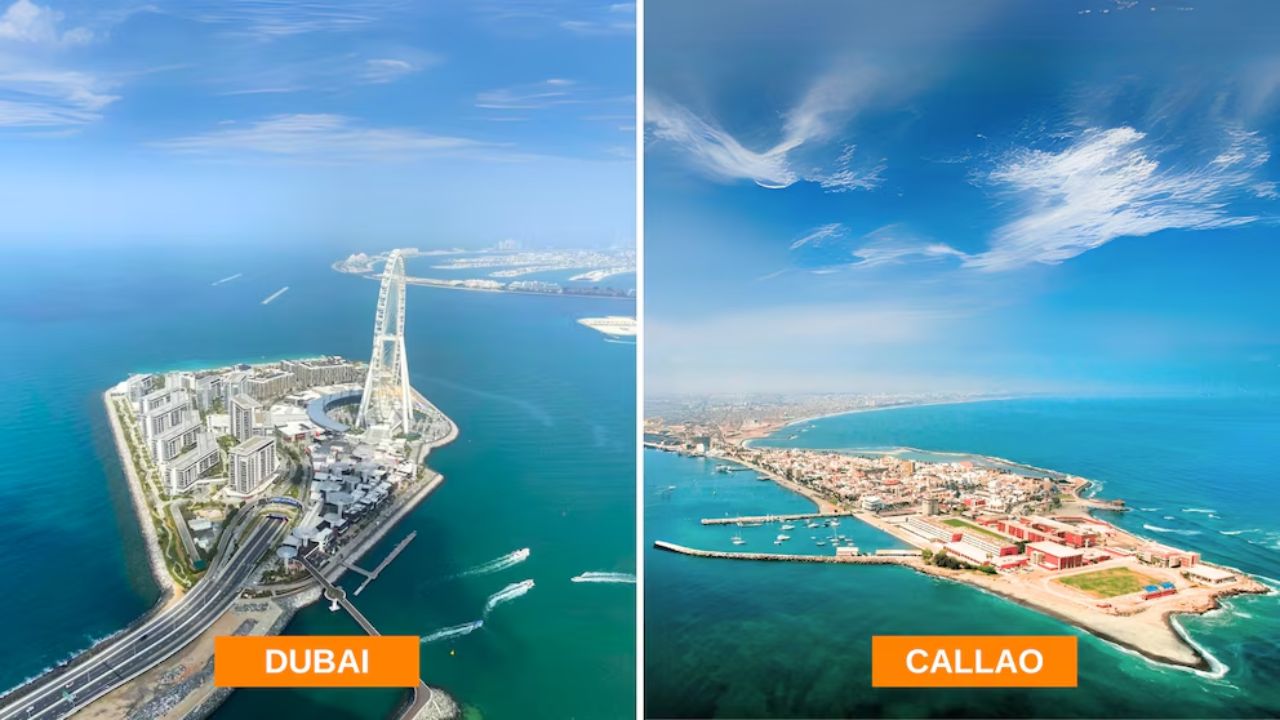
The project, one of the most ambitious in Latin America, aims to conquer 200 hectares of artificial land, creating a new district that promises to revolutionize the urban landscape of the country. And we are not talking about a simple coastal expansion, but about a construction inspired by cutting-edge developments like the famous artificial islands of Dubai.
A Project That Has Already Left the Paper
Although it sounds futuristic, the project is already underway. The idea emerged in late 2023, when the Ministry of Housing green-lighted the private initiative leading the proposal, with the support of Proinversión, the state agency responsible for promoting investments in Peru.
-
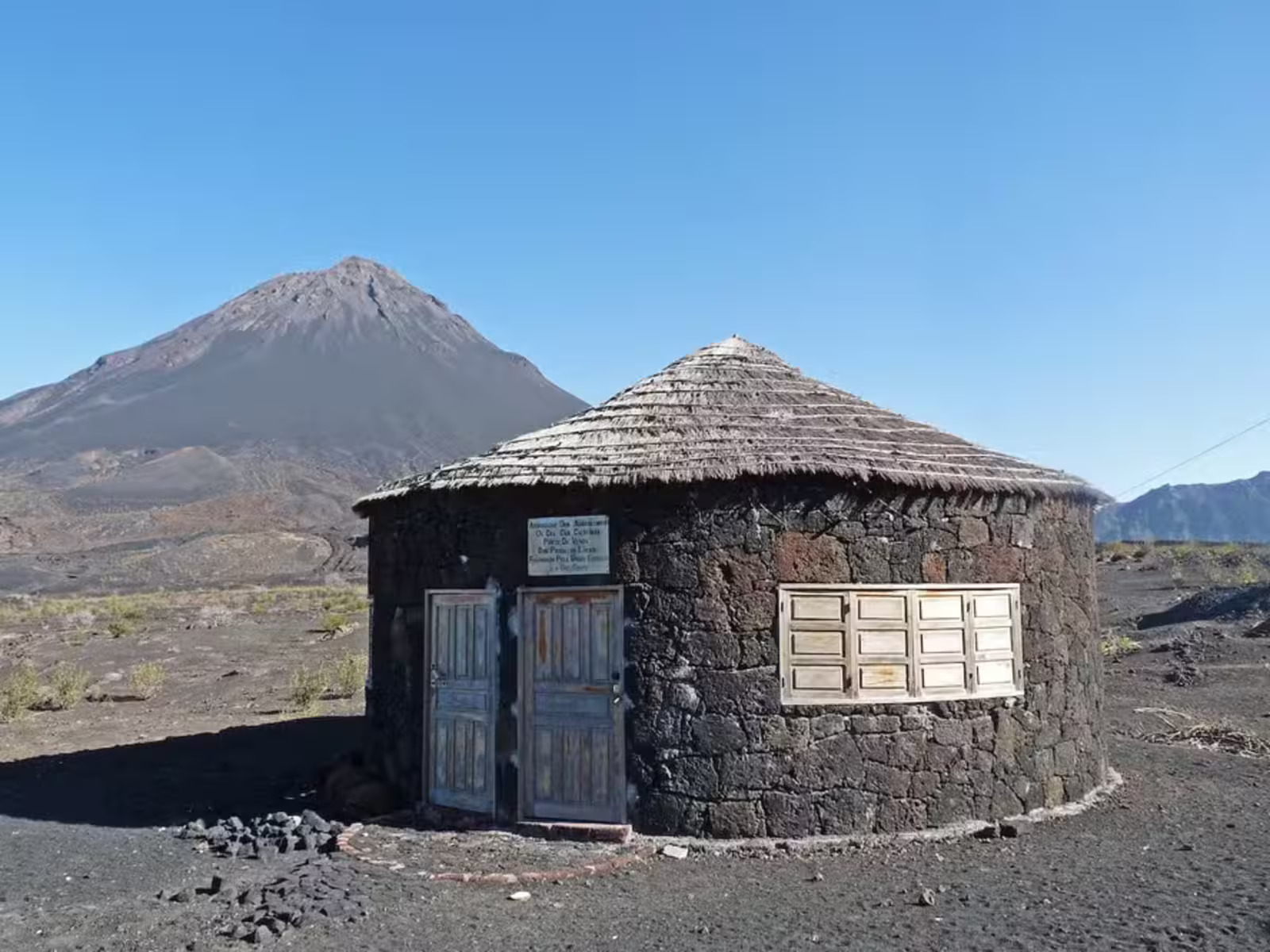
Inside an active volcano in Africa, residents use volcanic rocks to build houses in an impressive setting.
-
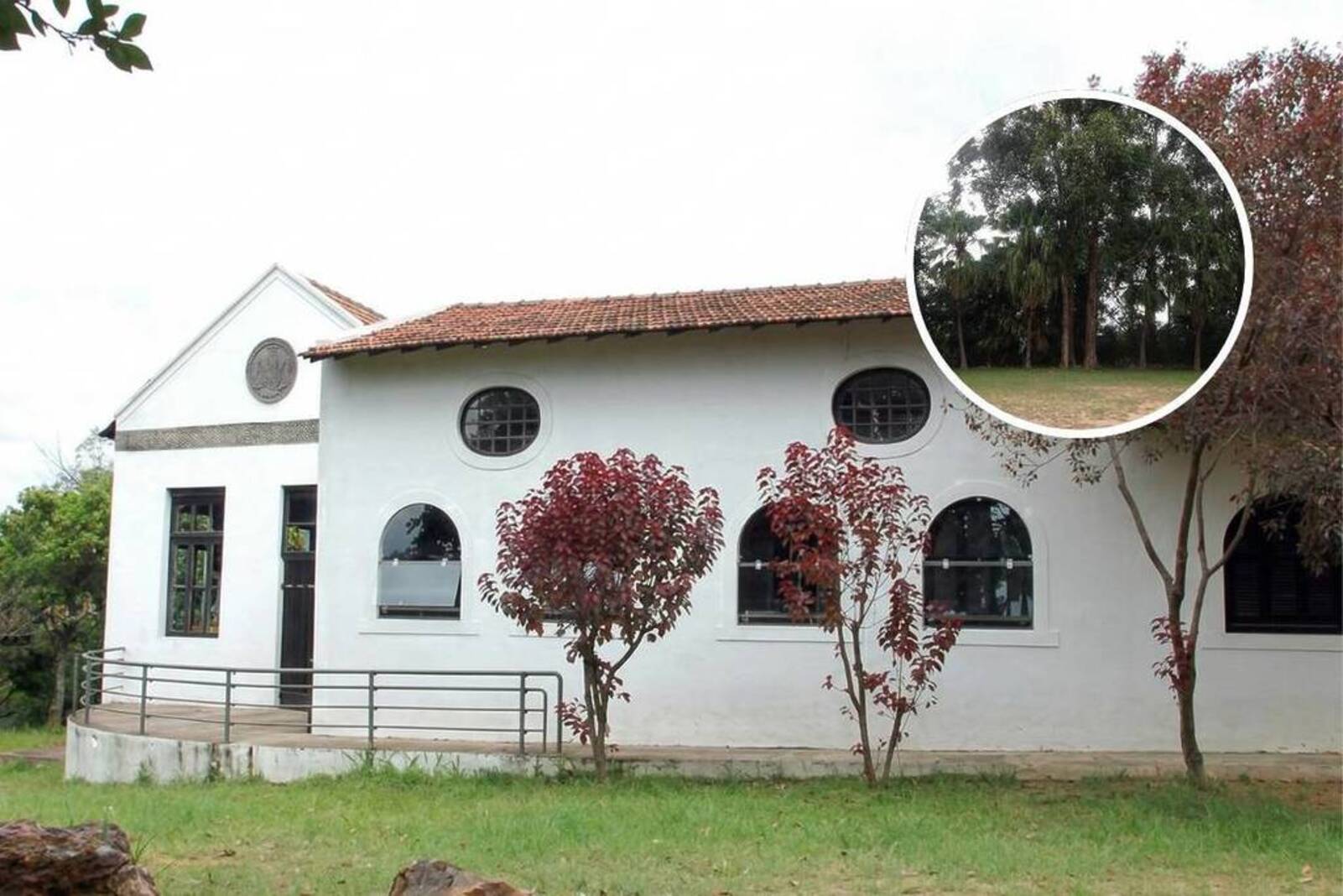
After 14 years of waiting, a rammed earth mansion built in 1702 in the North Zone of São Paulo will become a park with leisure facilities and green areas, with a million-dollar investment.
-
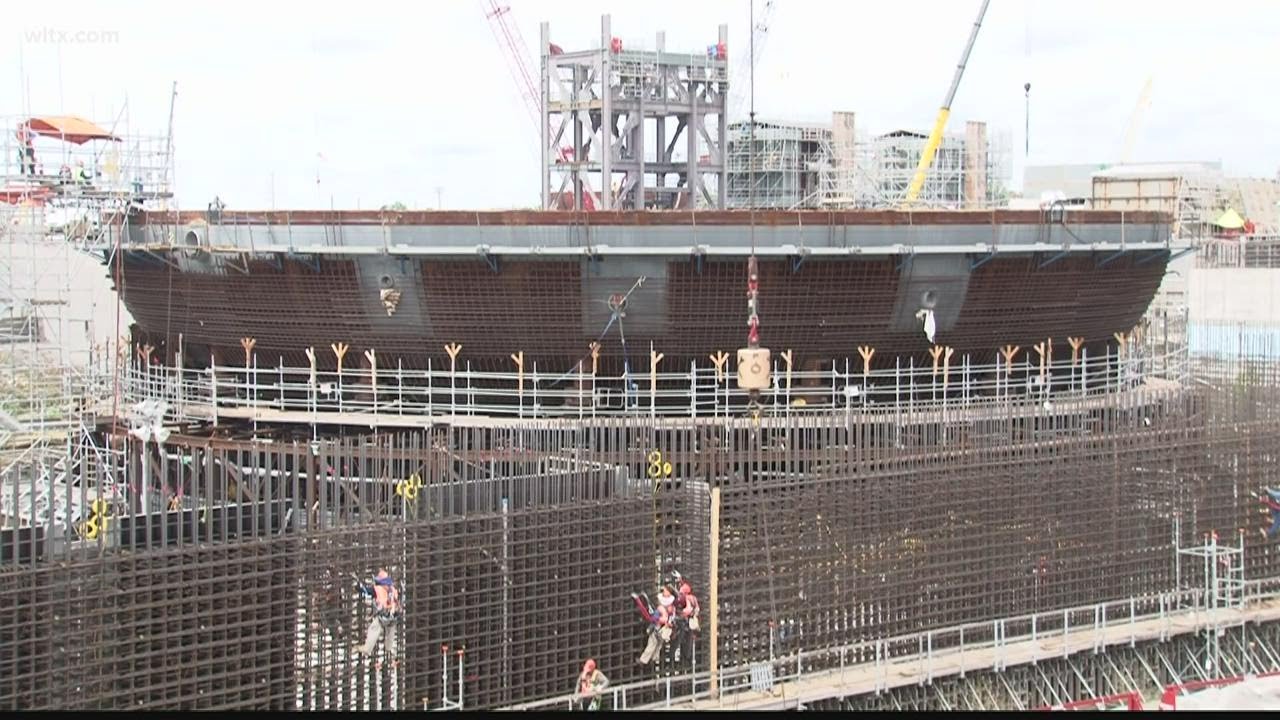
With 2 unfinished nuclear reactors, up to 25 billion in costs, and proven fraud, the Nukegate case has left 800,000 consumers still paying today for energy that will never be produced.
-
Larger than entire cities in Brazil: BYD is building a 4.6 km² complex in Bahia with a capacity for 600,000 vehicles per year, but the discovery of 163 workers in conditions analogous to slavery has shaken the entire project.

In an interview with Peruvian radio RPP News, Mario Hernández, director of the Special Projects Directorate at Proinversión, explained:
“We have had this project in Proinversión since the end of last year, with a favorable evaluation that allows its execution. We are talking about creating a peninsula of about 2 million square meters, or 200 hectares. To give you an idea, the smallest district in Lima, Lince, is only 3 hectares”, he detailed.
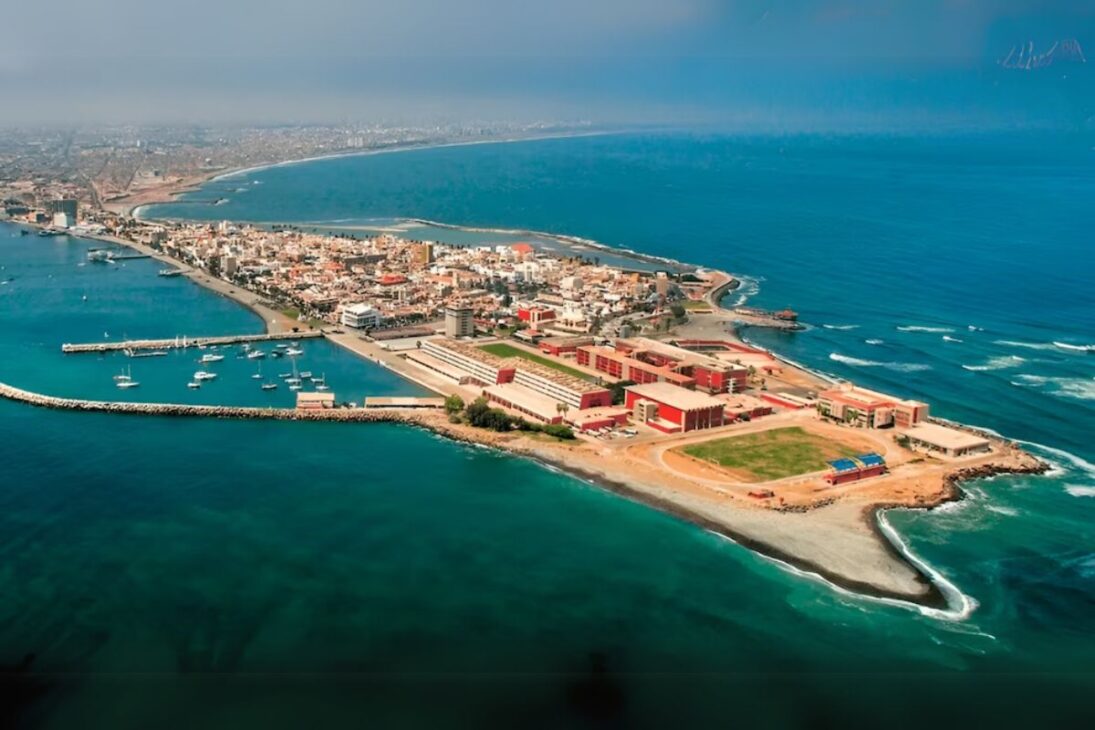
Why Callao?
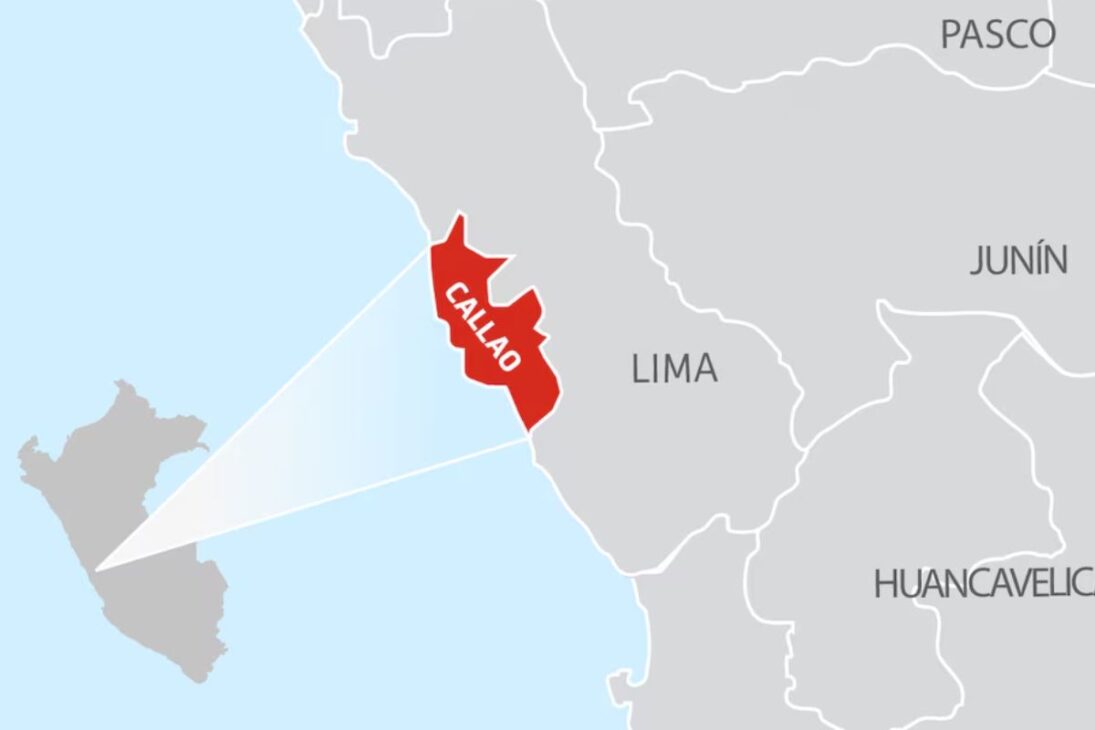
The choice to install the peninsula in Callao is not coincidental. The port is the natural outlet to the sea for Lima and the entire central region of Peru, with a large flow of goods, services, and people. It is a strategic zone from both an economic and logistical standpoint.
“It is the exit to the sea for the Lima and Callao region. There is a high population concentration, which translates into demand. That’s why this project is key for the urban and economic expansion of the region”, Hernández emphasized.
How the Artificial Peninsula Will Be
The new district will not only include housing; the idea is to create a vibrant and multifunctional space. High-end residential neighborhoods, commercial areas, business centers, hotels, restaurants, marinas for yachts, public and private beaches, recreational parks, and spaces for water activities are planned.
“In addition to real estate developments, there will be maritime activities, piers, water parks, and beaches for public and private use”, Hernández explained.
One of the most innovative aspects of the project is that it aims to replicate the technologies used in Dubai to build artificial islands, adapted to the local conditions of the Peruvian Pacific. According to Hernández:
“It is a disruptive project for the Pacific coast. Peru, and particularly Lima and Callao, deserve projects of this level of technological innovation.”
Complex Process and Great Economic Impact
The project, which will be developed by the private initiative in a public-private partnership model, involves an estimated investment of 800 million dollars. The expectation is that it will generate thousands of jobs both during the construction phase and in future commercial and tourism operations.
“Sustainable employment is an essential component. More than temporary jobs in construction, the goal is to generate formal and stable work in the companies that will establish themselves in the peninsula”, Hernández stressed.
As for the concession process, it will not be automatic. The proposing company presents the idea, the State reviews it, and may propose adjustments. Then, a declaration of interest is published, allowing other companies to submit alternative proposals. If no competitors emerge, the project is awarded directly to the original company.
When Will the Peninsula Be Ready?
The timelines are ambitious but realistic. Hernández highlighted that this is not a project that will be completed quickly. The plan is to award the project by the end of 2025 and start construction afterward.
“Creating 200 hectares of urban land is not something that can be done in a quarter. We hope to award the project by the end of this year, and the construction will take a few years”, he explained. The goal is for the peninsula to be operational by 2029.
A Project That Can Transform Urbanism in Peru
If all goes as planned, this megaproject will position Callao as a new reference urban center, comparable to the most modern developments in the world. Moreover, it will be an attractive destination for foreign investments and tourism, with the potential to boost the Peruvian economy as a whole.
Experts such as the Peruvian architect and urban planner Augusto Ortiz de Zevallos believe that projects like this represent a great opportunity to modernize the urban fabric of the country. In an interview with the newspaper El Comercio, he commented:
“The challenge is to ensure that the project does not become a luxury enclave, but is integrated into the city, with accessibility and services for everyone.”
On its part, Proinversión has already declared that the goal is to create an inclusive and sustainable environment, with state-of-the-art infrastructure and urban planning that meets the needs of the local population.
Eyes on the Future
In addition to the immediate impact, this project could pave the way for new coastal developments in Peru and other countries in Latin America. Peninsulas and artificial islands are becoming increasingly popular in cities needing to expand their real estate and tourism offerings due to the saturation of their historic centers.
Successful examples like the Palm Islands in Dubai, Odaiba in Tokyo, or new developments in the Caspian Sea in Kazakhstan show that these projects are viable and can bring significant benefits.
Peru seems determined to follow this trend. And if the Callao megaproject achieves its goals, it could mark the beginning of a new era of urban innovation on the South American Pacific coast.





5 bilhões de reais é dinheiro de pinga. Pra ter ideia. O novo arranha céu de Balneário vai custar 2 bilhões. Um prédio só .rs
Na verdade é 3B, é ainda mais jaakak