





 Portuguese
  English
  Spanish
  3 min of reading
  1 comment


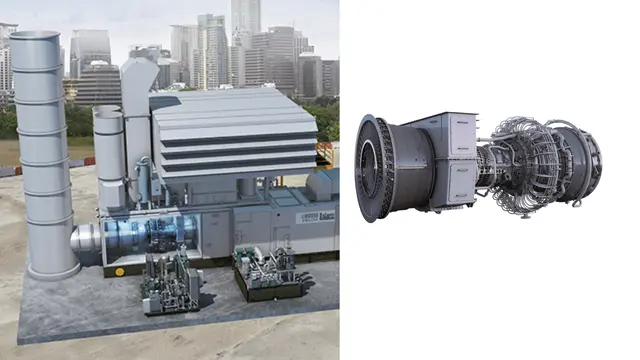

First 100% Hydrogen-Powered Gas Turbine with Aircraft Engine Design Promises to Revolutionize the Clean Energy Market
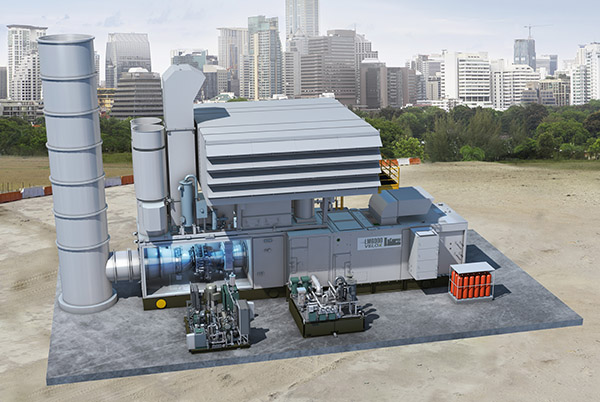
GE Vernova, an energy giant from the United States, was selected as the preferred turbine supplier for the Whyalla hydrogen plant project located in Australia.
Based in Massachusetts, GE Vernova unveiled a gas turbine derived from aeroderivatives (type of gas turbine based on aircraft engine design) that is fully prepared to operate with renewable hydrogen.
This turbine not only represents innovation but is also aligned with global decarbonization targets. When powered by 100% renewable hydrogen, the turbine generates no CO2 emissions, a crucial achievement for a greener sector.
-
In a flooded well, archaeologists found a 1,700-year-old Roman egg that still contains clear and yolk intact inside the very thin shell.
-
Something is happening around the Earth: Inside the huge explosion of fireballs in 2026

-
A hot air bubble coming from Argentina expands over Brazil, causing thermometers to exceed 38 degrees with a thermal sensation of 40 degrees in late March, affecting 6 states at once.

-
The radish leaf that almost everyone throws away has more polyphenols, flavonoids, and fiber than the consumed root, and a 2025 study showed that the leaf contains compounds that protect the intestine, combat inflammation, and may inhibit the growth of cancer cells.

The hydrogen facility in Whyalla, in addition to being one of the largest in the world in terms of production and storage capacity, will utilize excess renewable energy generated by local solar and wind farms to produce the hydrogen needed to operate the turbines.
This innovative project promises to transform the production and use of renewable hydrogen while ensuring stability for South Australia’s electrical grid.
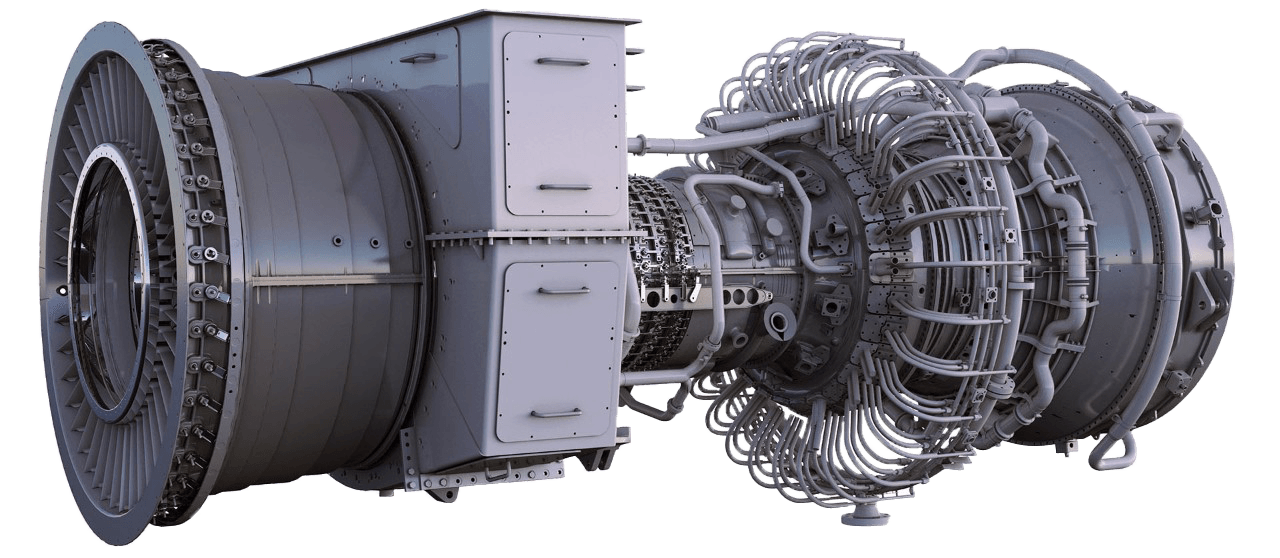
First Commercial Installation with 100% Renewable Hydrogen
GE Vernova made a significant announcement: the company secured an order with ATCO Australia to supply four LM6000VELOX units.
Commissioning is expected in 2026, marking the first GE Vernova power plant project to use turbines powered exclusively by hydrogen. This project will represent an important milestone in the evolution of gas turbine technology, bringing benefits both for decarbonization and for the reliability of power grids.
Eric Gray, CEO of GE Vernova’s Gas Power business, explained that the company has heavily invested in research and development over the years to enhance its turbines, making them more efficient with hydrogen. “We are proud to unveil our first 100% hydrogen-ready turbine solution,” Gray stated, emphasizing the importance of technology to support decarbonization targets without compromising the reliability of the electrical grid.
Strategic Partnership and Government Support
The South Australian government selected GE Vernova as the preferred supplier for this pioneering project, an honor that the company sees as a major step towards the future of renewable energy in the state. The Whyalla hydrogen plant, when completed, will play a key role in providing flexible energy, helping to maintain grid stability during high demand periods or when renewable sources are unavailable.
Furthermore, the project will assist South Australia in achieving its ambitious goal of up to 200 megawatts of combined capacity. This will be crucial for ensuring grid stability, especially during periods when renewable energy does not meet demand.
The Relevance of Hydrogen for the Energy Future
The Premier of South Australia, Peter Malinauskas, celebrated the partnership with GE Vernova, highlighting the company’s global confidence in providing energy infrastructure.
According to Malinauskas, the ability of GE Vernova turbines to operate with hydrogen is a key factor in harnessing the region’s enormous renewable potential, offering a sustainable and productive alternative for the state.
John Ivulich, CEO of ATCO Australia, reinforced the importance of this project for the state’s energy transition. The installation of solutions like aeroderivative turbines, which can operate on 100% hydrogen, will help South Australia establish itself as a global leader in the production and use of renewable hydrogen.





Não é turbina à gás. É motor a jato à gás. Turbinas são peças do motor