





 Portuguese
  English
  Spanish
  4 min of reading
  0 comments


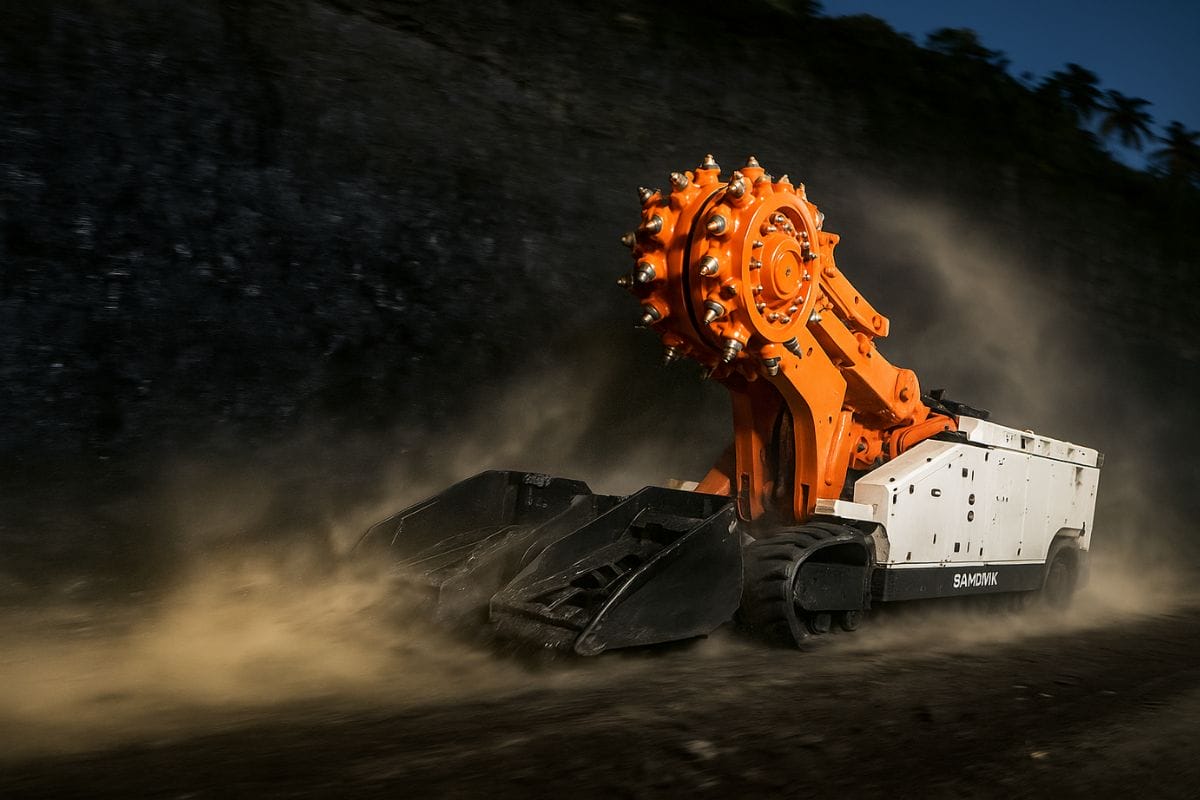
Meet The Continuous Miner, The Impressive Machine That Digs Coal And Ore In Deep Tunnels, Revolutionizing Subterranean Mining With Its Efficiency And Capacity.
In underground mining, the continuous miner (CM) is an emblematic piece of equipment, popularly known as the “Mechanical Armadillo.” This robust machine that digs coal and ore continuously in deep galleries represents a significant advance in productivity, safety, and operational efficiency.
Since its introduction, the continuous miner has transformed mineral extraction, especially coal. This technical article details the evolution, operation, types, and innovations of this machine, crucial for modern mining.
The Evolution Of The Machine That Digs Coal And Ore
The idea of mechanized continuous mining emerged in the late 19th century, with the first coal cutting machines. The Industrial Revolution and its demand for coal drove the search for more efficient and safer methods than manual ones. The first steam-powered continuous miners appeared in the early 20th century, applied mainly in coal mines and softer rock formations.
-
Brazil extracts 26.3 million tons of ore from what was previously treated as waste, transforming residues into wealth, producing over 3 million tons of sand, and demonstrating how national mining is relearning to generate value.

-
A $3.5 billion megaproject in Latin America pumps desalinated seawater at 1,050 liters per second over 194 km to keep a copper supermine in the Andes operational for another 20 years.
-
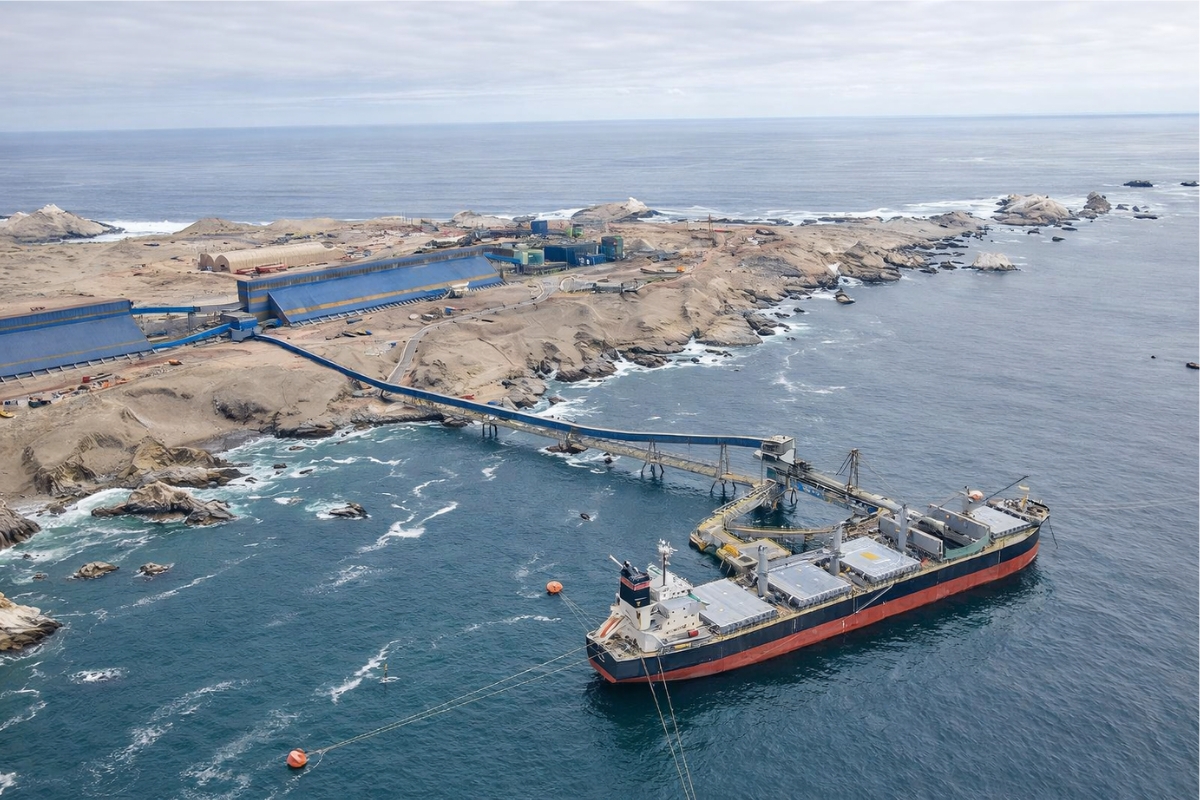
A hidden mine in the Andes valued at nearly R$ 1 trillion is starting to attract global attention, containing copper, gold, and silver, and raises an intriguing question: why do Argentina and Chile need to act together to exploit this gigantic wealth?
-
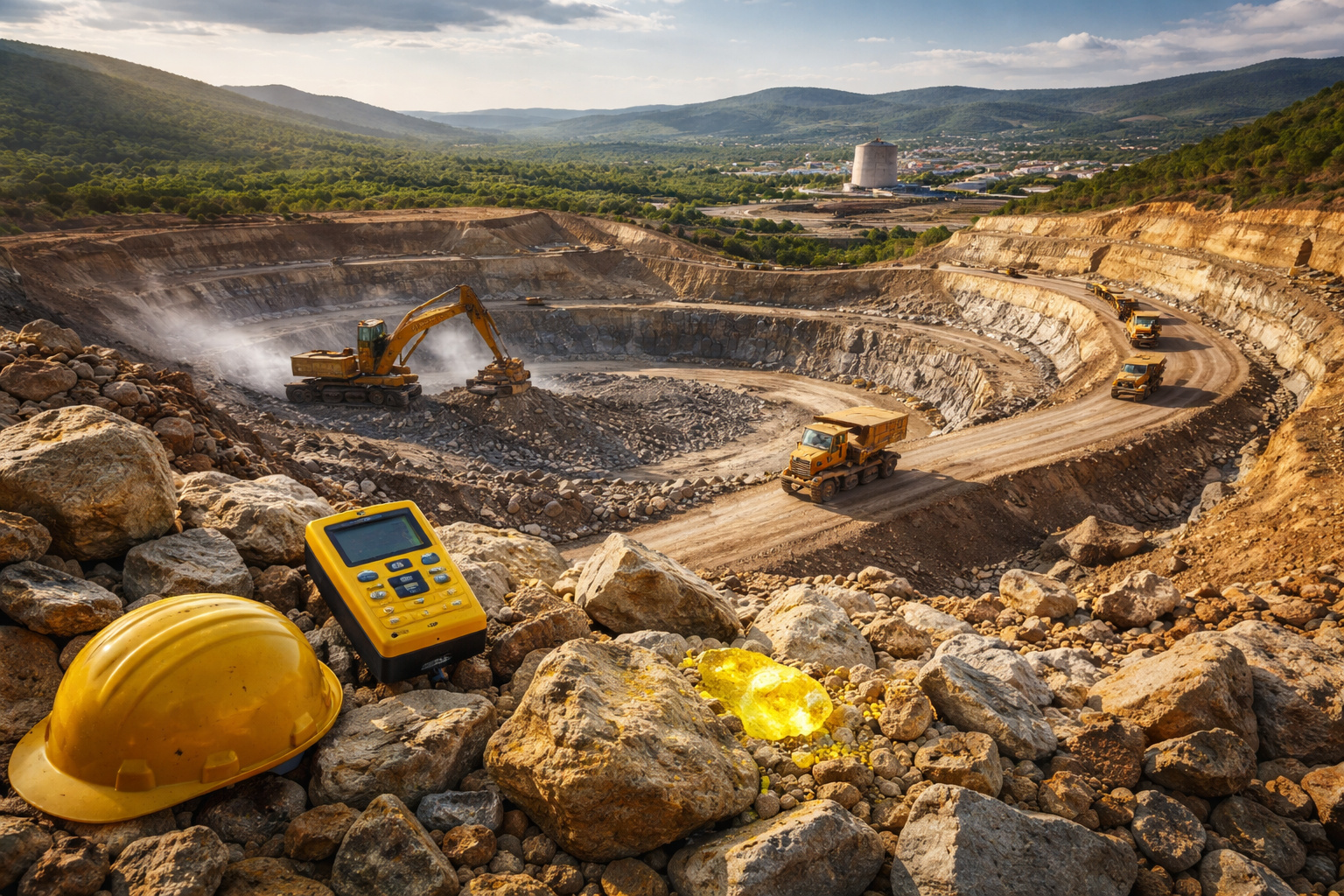
A silent discovery in the interior of Bahia could change the future of energy in Brazil: a uranium reserve in Lagoa Real has an estimated capacity to produce 400 tons per year and is already attracting the attention of energy sector specialists.

Over the decades, this machine that digs coal and ore has evolved significantly. The transition to electric power allowed for more powerful and adaptable units. Companies like Joy Global (now Komatsu) were pioneers, with innovations like the gathering arms loader, the basis for many current systems. Safety and production were the main driving forces of this evolution.
Inside The Machine That Digs Coal And Ore
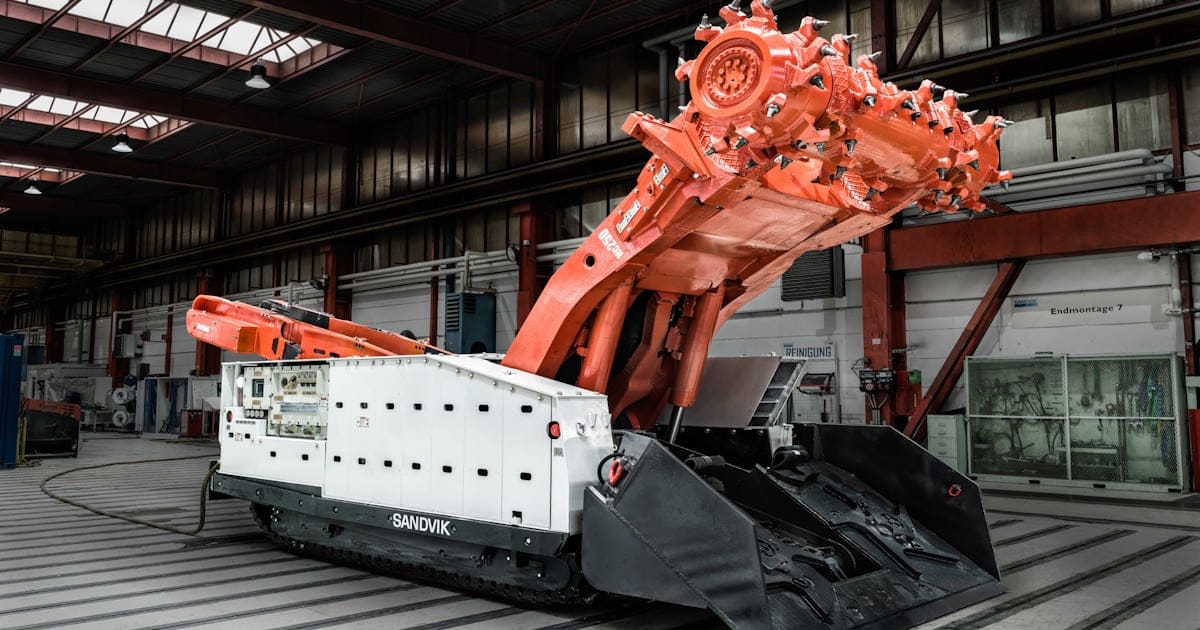
The continuous miner excavates material continuously. Its front end features a rotating cutter head (drum) with tungsten carbide bits, which fragment the ore. Immediately behind, a loading mechanism, such as gathering arms or a gathering plate, directs the material into the machine.
The collected material is transferred by an internal chain conveyor to a mobile discharge boom at the back. This boom unloads the ore into transport vehicles, such as shuttle cars, or into continuous transportation systems. The cycle involves positioning, cutting (sumping and shearing), collecting, internal transport, and loading, with roof support being installed as the machine advances.
Diversity In Action
Continuous miners are adaptable, with models for various conditions and minerals. They are classified by seam height (low, medium, high), type of mineral (coal, salt, potash, trona, gypsum), and type of cutter head. Leading manufacturers such as Komatsu (14CM, 12CM, 12HM/14HM series), Sandvik (MC series), Eickhoff (CM2H series), and Caterpillar (CM210 to CM345N) offer various options.
The selection of the machine that digs coal and ore depends on geology. The hardness of the rock, the inclination of the seam, and the conditions of the roof and floor are crucial. For hard rocks, high-power models with reinforced heads are required. The industry tends toward specialization to optimize extraction, but there is also convergence in technologies such as VFD traction control and integrated water spray systems.
Challenges And Innovations
Despite the advantages, continuous miners face challenges such as geological restrictions (hard rock, inclinations), interruptions in the cycle (roof support, maneuvers, material transport), and acquisition and maintenance costs. The generation of dust and gas, as well as noise, are constant safety and health concerns.
Innovations aim to overcome these challenges. Automation and remote operation (tele-operation), as in Nutrien’s potash mine in Lanigan, enhance safety and productivity. Advanced control systems (Komatsu’s FACEBOSS), dust control (Wethead), effective ventilation, gas detection with interlocking, integrated roof support, and noise reduction technologies (Komatsu’s SMARTConveyor) are areas of significant development.
The Continuous Miner In Perspective: Safety, Environment, And The Global Market


The continuous miner industry is dominated by global players and driven by demand for mineral resources. The global market was valued at approximately USD 4.2 billion in 2023, with the Asia-Pacific region (China, India) leading consumption, mainly due to coal mining. Trends include a focus on efficiency, safety, sustainability, and advanced technologies such as AI and IoT.
The operation of this machine that digs coal and ore is subject to rigorous environmental and safety regulations (MSHA and NIOSH in the U.S., for example). Dust, gas, noise control, and the consumption of water and energy are imperative. The future points to smarter, autonomous, energy-efficient machines (with battery prototypes emerging) and with less environmental impact, ensuring the vital role of the “Mechanical Armadillo” in 21st-century mining.








Seja o primeiro a reagir!