





 Portuguese
  English
  Spanish
  7 min of reading
  0 comments


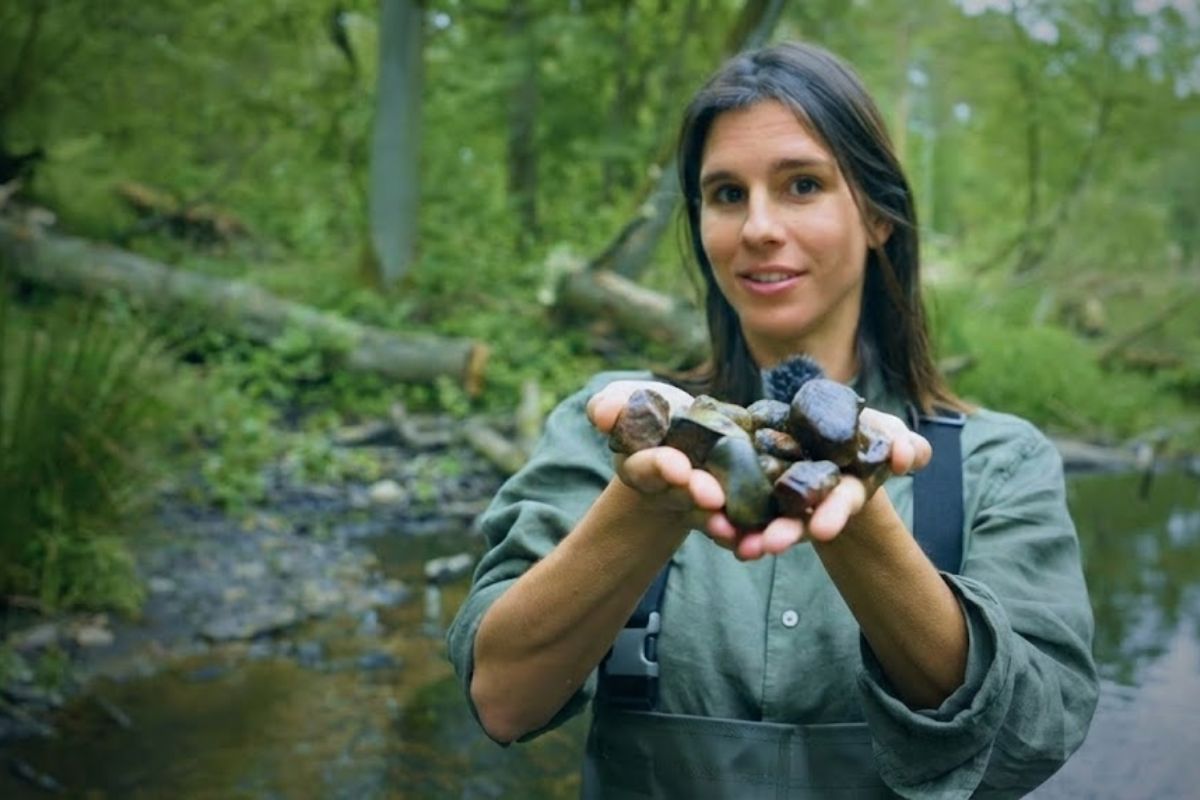
In The Oder River, Which Carries Water From The Czech Republic To The Baltic Sea And Marks 200 Km Of Border Between Poland And Germany, Collapse Killed Millions Of Fish In 2022. A Year Later, Arthur Uses 1,300 Tons Of Gravel In The Tributaries Ina And Gowienica To Recreate Nurseries And Accelerate Recovery
The Oder River Came to International Attention in 2022 When, With Almost No Warning, Thousands of Fish Began Appearing Dead Along The Banks, On A Scale Described As Environmentally Catastrophic And Unprecedented. The Crisis Evolved In Weeks, Decimating Aquatic Wildlife And Exposing Monitoring Failures, Disputed Versions, And An Absence Of Coordinated Response Among Authorities.
A Year Later, The Understanding Of What Happened Became Clearer And Opened The Way For A Practical Strategy Outside The Political Impasse: Reinforcing The River’s Resilience By Using Well-Preserved Tributaries As Refuges And As Natural Factories For Life. This Is Where Arthur Enters, A River Rewilding Specialist For Over Two Decades, With A Direct Method: Returning The Gravel That Channelization Removed To The Riverbed.
Timeline Of The Disaster In The Oder River And The Alarm That Came Late

The Collapse Did Not Start With A Single Official Announcement. On July 28, 2022, There Were Already Indications Of Toxic Substances Further Upstream In The Oder, In The Region Of Opole, But No One Triggered A Robust Public Alert At That Moment.
-
Something is happening around the Earth: Inside the huge explosion of fireballs in 2026

-
A hot air bubble coming from Argentina expands over Brazil, causing thermometers to exceed 38 degrees with a thermal sensation of 40 degrees in late March, affecting 6 states at once.

-
The radish leaf that almost everyone throws away has more polyphenols, flavonoids, and fiber than the consumed root, and a 2025 study showed that the leaf contains compounds that protect the intestine, combat inflammation, and may inhibit the growth of cancer cells.

-
A planet that seemed to defy the laws of physics has intrigued scientists for decades, until the James Webb revealed what is really affecting Saturn’s rotation.

On August 2, A Local Newspaper In Southern Poland Reported The Sight Of Dead Fish In One Of The Canals Feeding The Oder. Still, The Situation Continued To Be Underestimated Until, Five Days Later, The Monitoring System In Frankfurt, Germany, Registered Abnormal Peaks, With Measurements Literally Going Off The Charts On Different Water Health Indicators. The Signal Indicated A Wave Of Organic Material Flowing Downstream And Anticipated What Would Become Impossible To Ignore.
In The Following Weeks, Millions Of Fish Died And Appeared Along The Banks, Accompanied By Countless Small Vertebrates. Reports Also Indicated Deaths Of Animals Living By The River, Such As Beavers, Ducks, And Other Birds, Expanding The Picture Of An Event That Went Beyond The Fish Population.
Investigation, 300 Substances Tested And 282 Illegal Pipelines In The River

For Months, Experts And Authorities Could Not Reach A Consensus On The Cause And Remedy. The List Of Suspicions Was Extensive: Illegal Disposal Of Chemical Waste, Presence Of Mercury And Other Heavy Metals, In Addition To High Salinity. The River Water Was Tested For 300 Substances, Yet None Of That Resolved The Dispute Over Interpretation.
The Criminal Dimension Also Came Into Play. A Reward Of More Than 200,000 Euros Was Announced To Identify Those Responsible. An Investigation By The Polish Police Revealed The Existence Of 282 Illegal Pipelines Discharging Effluents Into The River, Creating An Operational Puzzle: Knowing Which Point Was Decisive, At What Moment, And Under Which Conditions.
What The Conference In Frankfurt Concluded And Why The Problem May Return

A Year After The Disaster, The Synthesis Presented At A Conference On The Health Of The Oder, Held In Frankfurt, Attributed The Event To The Convergence Of Two Human-Caused Problems.
The First Was The Discharge Of Industrial Pollution, Raising The River’s Salt Concentration And According To A Greenpeace Report Cited, Largely Traceable To The Mining Industry. The Second Was The Aggravation Of Effects Of Climate Change, With Water Temperatures Above Normal And Extremely Low Levels, A Scenario That Favors Biological Imbalances.
The Combination Opened The Door For The Proliferation Of Golden Algae, An Organism Associated With Saltier Environments And Considered Unsuitable There. These Algae Produce Neurotoxins That Affect The Nervous System Of Fish And Can Destroy Blood Cells, Creating A Mechanistic Explanation For The Collapse Of Aquatic Life.
The Diagnosis Brought An Additional Warning: With The Alga Already Disseminated, It Can Remain In The System, Ready To Bloom Again Whenever Similar Conditions Reappear. There Are Reports Of New Fish Deaths The Following Year, Possibly In Smaller Numbers, But With A Logical Aggravation: Fewer Visible Deaths May Mean An Even Lower Remaining Fish Stock, Reducing Recovery Capacity In Just A Year.
Political Impasse Between Poland And Germany And The Practical Alternative For The River

The Oder River Is Bordering In Its Last 200 Kilometers, Which Makes Any Regulation A Dispute Between Countries, Economic Interests, And Industrial Lobbies. The Picture Described Is One Of Complete Political Paralysis, Just When Europe Faces A Structural Loss Of Biodiversity: Between 1970 And 2020, About 90% Of Migratory Fish Disappeared From The Continent.
In This Scenario, The Question Becomes Pragmatic: What Can Be Done Outside The Regulatory Arena, With Direct Action, Relatively Low Cost, And Measurable Ecological Effect? The Adopted Answer Relies On The Idea That Rivers Need Space, Meanders, And Above All, Healthy Tributaries As Refuges. And That Is What Prevented An Even Greater Collapse In 2022: Where Tributaries Were In Good Condition, Some Fish Managed To Survive.
Who Is Arthur And Why The Tributaries Became The River’s Lifeline
Arthur Is Introduced As A River Rewilding Specialist With Over 20 Years Of Work In The Oder’s Tributaries. After 2022, The Role Of These Watercourses Changed From “Important” To “Vital”: They Became Lifelines For A Suffering Oder.
The Emblematic Case Is The Ina River, Located About Six Kilometers From The Oder’s Entrance. The Strategy Is To Use The Ina As A Breeding Factory: To Create And Expand Spawning Areas For Different Species, Allowing Life Production In The Tributary To Translate To Downstream Effects, In The Delta And In The Main Channel.
The Ina River, The 16th Century Canalization And The Restoration That Began Before The Disaster
The Ina Has A Long History Of Human Intervention. It Was One Of The First Rivers In Europe To Be Canalized In The 16th Century, Within The Logic Of Hanseatic Trade Routes. The Canalization, Described As “Straightening And Deepening” The Course, Eliminated Biodiversity From The Riverbed And Reduced Spawning Points For Fish That Depend On Varied Structures To Thrive.
The Damage Is Not Just Aquatic. By Reducing Natural Overflows, The Process Also Compromised Meadow Habitats And Adjacent Areas That Depend On Seasonal Water Pulses.
After World War II, The Commercial Use Of The Ina Ceased. In The 1990s And 2000s, Arthur’s Team Used The Time To Counter Political Initiatives For Re-Canalization, Allowing The River To Self-Restore Through Natural Meanders. Still, Nature Alone Cannot Easily Replace The Lost Base Material, Because Part Of The Structural Gravel Was Formed In Ancient Glacial Times, Nonexistent Today.
The Gravel Method In The River And The Number That Defines The Scale: 1,300 Tons
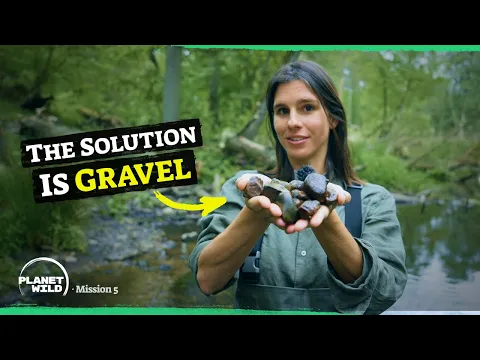
The Technical Turnaround Is Simple And Therefore Scalable: Return The Gravel To The Riverbed. Arthur Describes That He Started Doing This 20 Years Ago, Replacing The Stones That Channelization Had Removed. In A Specific Intervention, 1,300 Tons Of Gravel Were Placed, An Amount Described As Huge.
The Method Is Considered Efficient Because It Does Not Require Major Works, Has Low Bureaucracy, Relatively Low Cost And, Most Importantly, Does Not Require Maintenance After Implementation: The Material Is Returned And The River Reorganizes The System From There.
Seven Chain Effects Of The Gravel In The River And Why It Creates Natural Nurseries
The Replacement Of Gravel Is Presented As A Multi-Gain Intervention, Occurring Simultaneously In The Same Stretch.
1. Nursery And Protection For Eggs And Juveniles
The Gravel Creates The Ideal Environment For Spawning And Shelter For Eggs, Larvae And Early Juvenile Stages Of Species Like Trout, Grayling And Salmon, Increasing The Chance Of Survival.
2. Biological Cleaning Of Water
By Drastically Increasing The Surface Area Available, The Gravel Favors Bacteria That Feed On Dead Organic Matter. Bacteria Are Considered A Central Part Of Biodiversity, And This Mechanism Helps The River Self-Purify When Receiving An Excess Of Fertilizer Or Organic Load.
3. Oxygenation
The Gravel Creates Small Turbulences, Increasing Oxygen Absorption. In Water, Oxygen Levels Vary Greatly And, When They Drop, Life Does Not Thrive. More Oxygen Means Greater Capacity To Sustain Fauna.
4. Shallower Bed And Natural Overflow
The Shallower Bed Increases Overflows During Heavy Rains And Thawing, Reducing Destructive Currents And Erosion. The Idea Is To Frame The Seasonal Flooding As Part Of The Natural Cycle, Not As A Disaster.
5. Floodplain Habitat For New Species
Floodable Meadows And Forests Become Habitats For Plants And Animals, Citing Examples Like Marsh Marigold, Aquatic Insects, Frogs And Salamanders.
6. Return Of Birds Associated With Wetlands
The Floodable Areas Function As Feeding Grounds, With Returns Cited Of Birds Like Kingfisher, Bee Eater And St. Martin Bird.
7. Passage For Larger Mammals
Shallower Beds Facilitate The Crossing Of Large Mammals. The European Bison Is Cited, Which Had Completely Disappeared From Nature 100 Years Ago And Has Been Reintroduced To The Region By Partners Mentioned As ZTP.
The Downstream Effect And Why Ina And Gowienica Became A Priority
The Logic Of The Project Is That Thriving Tributaries Generate A “Constant Downstream Effect,” Bringing Biodiversity To The Larger Ecosystem Of The Oder Delta. The Strategy Assumes That By Strengthening Spawning Areas, The Main River Gains Resilience Because There Will Always Be A Source Of Repopulation From Healthy Refuges.
Therefore, Financial Support Was Directed To Create New Nurseries In Two Tributaries: The Ina River And The Gowienica River, Further North. The Central Message Is One Of Scale: The Method Is Already Seen As Proven And The Challenge Is To Scale Up To Increase Natural Reproduction Of Many Species.
The Crisis In The Oder Showed That A River Can Collapse Rapidly When Industrial Pollution, High Salinity, Heat, And Low Flow Combine And Open Up Space For Biological Toxins. At The Same Time, The Case Also Exposed An Operational Path To Reduce Damage While Politics Stalls: Strengthening Tributaries, Returning Gravel, Reopening Nurseries, And Allowing The River To Reassume Some Ecological Control.
If You Follow River Restoration, It Is Worth Monitoring Initiatives That Invest In Natural Nurseries, Measuring Results Over Seasons And Demanding Transparency About Pollution Sources That Alter Salinity And Temperature In The System.
In Your Opinion, What Should Come First To Avoid A New Collapse In The Oder River: Strict Regulation Against Industrial Discharges, Accelerated Expansion Of Nurseries With Gravel, Or Strengthening Monitoring For Early Warnings?






-

-

5 pessoas reagiram a isso.