





 Portuguese
  English
  Spanish
  4 min of reading
  0 comments


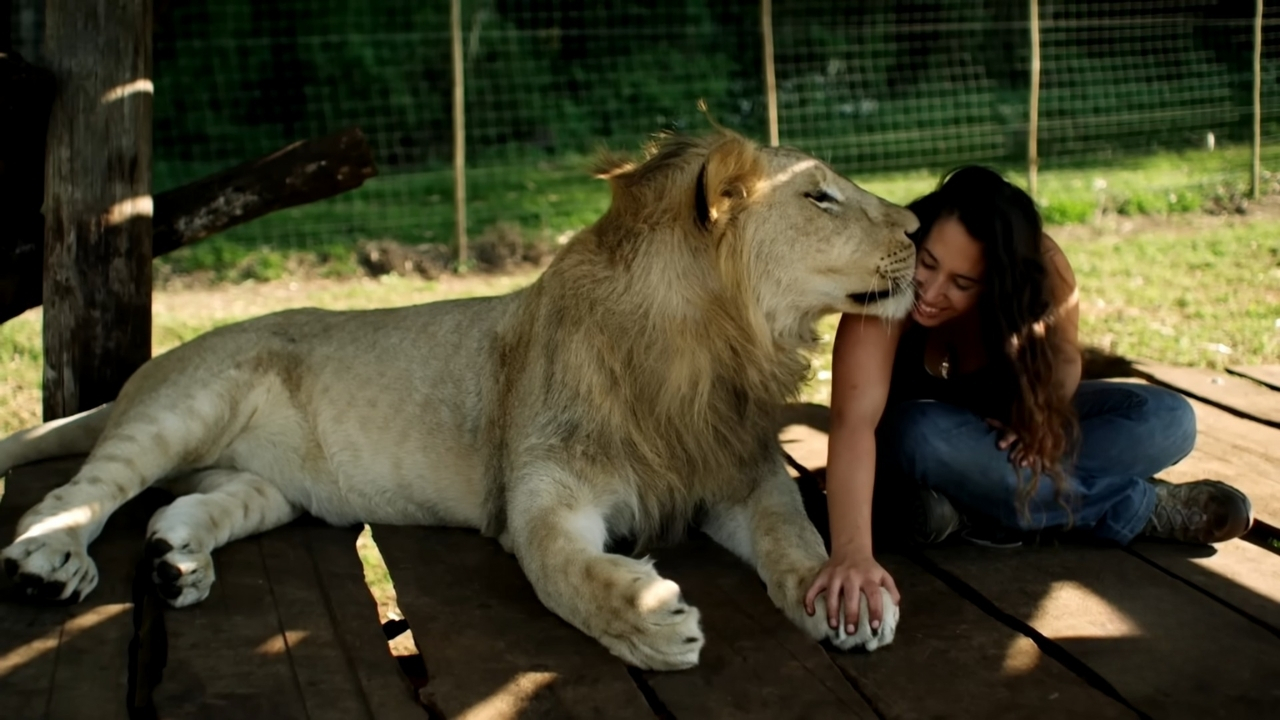
By Challenging the Idea of Absolute Distance, An African Reserve Creates Bonds with Young Lions and Tries to Redefine the Debate on Conservation and Captivity
A private wildlife reserve in South Africa has adopted an unusual approach to bring the public closer to the animals and stimulate more care for wildlife. The initiative involves a direct and monitored relationship between the park team and a group of young lions, attracting attention and provoking debate.
The coexistence is led by Or Lazami, who has been with the lions since they were cubs and has built a bond based on respect, consistency, and behavior reading. The proposal is not to domesticate the animals, but to create a connection that sparks empathy and increases interest in preservation.
Despite the visual and emotional impact, the practice is considered controversial. Nevertheless, the park maintains constant supervision by the team, emphasizing that the lions remain wild animals and that safety is treated as a priority.
-
He started running at 66 years old, broke records at 82, and is now a subject of study for having a metabolic age comparable to that of a 20-year-old, in a case that is intriguing scientists and inspiring the world.

-
Oldest tree on the planet reappears after 130 years of searches: Wattieza, 385 million years old, was 10 meters tall and had no leaves or seeds; Gilboa fossils in New York solved the mystery in 2007.

-
A 48-square-meter house assembled in hours with 4,000 bricks made of recycled plastic that does not absorb moisture, has natural thermal insulation, and costs less than 90,000 reais in a complete kit.

-
Luciano Hang revealed that Havan’s air fleet has already accumulated more than 20,000 landings, 10,000 flight hours, and 6 million kilometers traveled, and he says that without the planes, the company would never have grown so quickly.
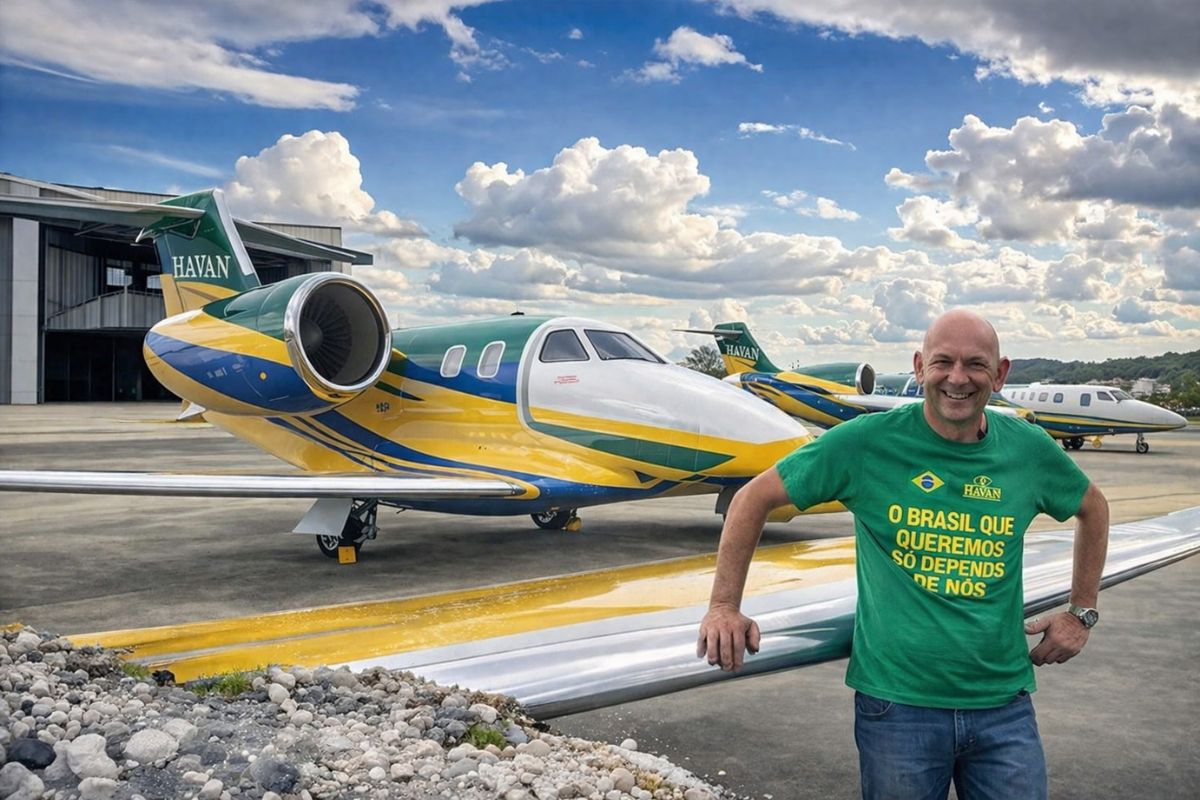

How The Relationship Between Or Lazami and the Lions in the Park Began
Or Lazami has been with four lions since they were cubs. This continuous presence throughout their growth has led the animals to recognize her as a stable dominant figure, something essential within the natural hierarchy of lions.
The animals are now 17 months old and are large enough to cause serious injuries. The proximity only occurs because of mutual trust, constant observation, and clear understanding of boundaries during each interaction.
The team reinforces that this relationship was not built with traditional training. The contact developed through daily coexistence, respect, and adaptation to each lion’s individual behavior.
Why The Park Does Not Consider The Lions To Be Domesticated Animals
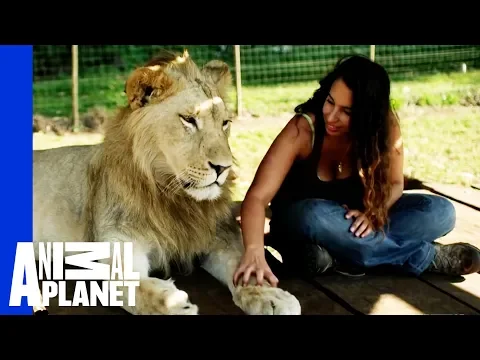

Even with the proximity, the park makes it clear that the lions are treated as wild animals. There is no training or commands typical of domestic animals, only interaction based on respect and hierarchy.
Recognizing their wild nature is seen as essential to avoid artificial behaviors. The lions need to keep their instincts preserved so that any future plans involving life outside the reserve can be possible.
When necessary, inappropriate behaviors are corrected firmly, something common in the natural dynamics between adult lions and young ones in the wild.
The Importance of Hierarchy to Maintain Control and Safety
Within the group, hierarchy plays a central role. Or Lazami is perceived as the dominant adult figure, a position built over time through constant interaction since the animals’ infancy.
This structure helps the lions understand boundaries and reduces conflicts. The team observes expressions, mood changes, and individual traits, adjusting interactions according to their behavior.
Body language reading and attention to signals are considered fundamental to maintaining the safety of both the animals and the people involved.
The Project That Aims To Return Bred Lions To Nature

The park is developing an ambitious untested project that challenges a widely accepted idea. The proposal is to release lions that have had human contact since cubhood into the wild, something many consider unfeasible.
The team believes that controlled coexistence does not prevent the lions from resuming wild behaviors. On the contrary, it may help in the process if done with planning and deep knowledge of each animal.
The initiative emerges in a critical scenario, as there are more lions living in captivity than in the wild in South Africa, which increases the urgency for alternative solutions.
Why The Initiative May Impact Species Conservation
If the project achieves the expected results, it will be possible to remove many lions from permanent captivity situations. Demonstrating that these animals can return to the wild would open new possibilities for conservation.
The team relies on the intimate knowledge acquired over time as a differential to achieve this goal. Each lion is closely monitored, respecting their individual characteristics.
The expectation is that these animals will become species ambassadors, helping to change perceptions and strengthen wildlife protection efforts.
Close interaction draws attention, raises questions, and evokes emotion in those who visit the park. More than just a remarkable experience, the initiative aims to provoke reflection on the future of lions and the possible paths to ensure their survival.
By betting on a relationship based on respect, hierarchy, and constant observation, the project attempts to show that conservation may require out-of-the-box solutions, always maintaining the focus on protecting the animals and balancing with nature.









-

-

-

-

-

-

55 pessoas reagiram a isso.