





 Portuguese
  English
  Spanish
  5 min of reading
  0 comments


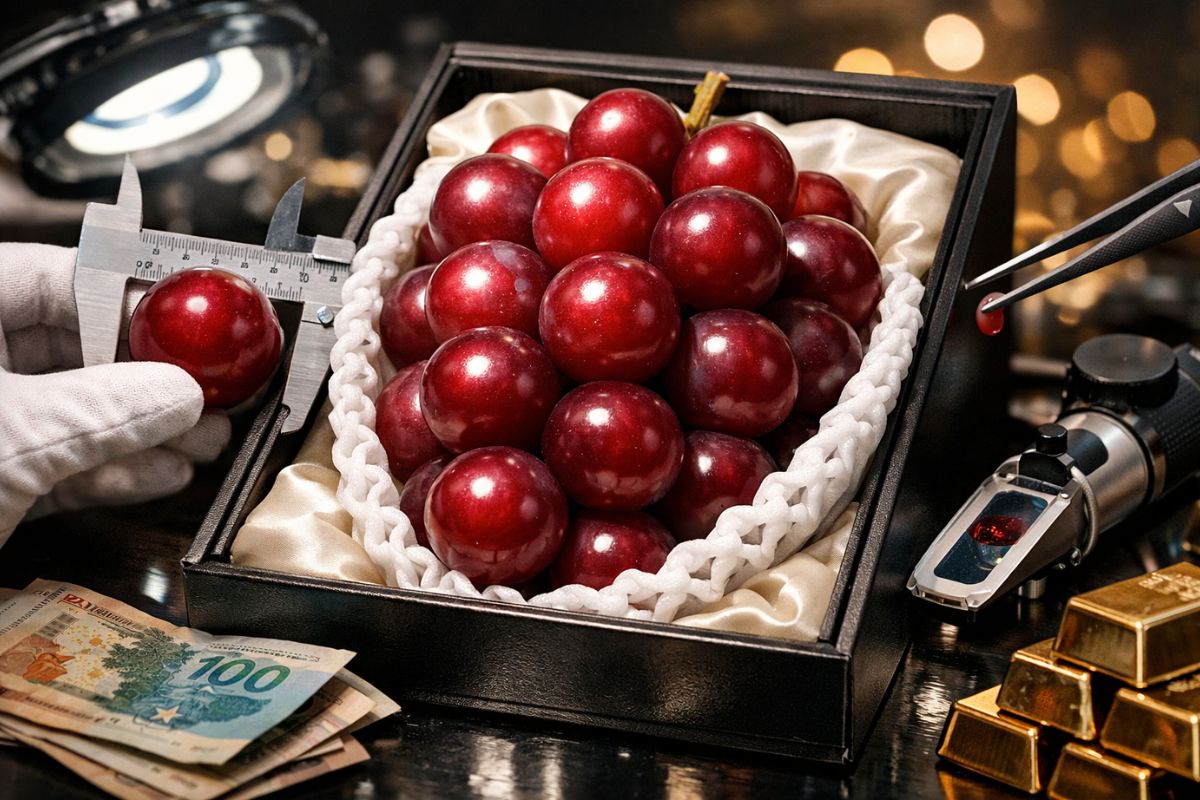
Produced by about 400 farmers and evaluated under official rules, Ruby Roman only receives a label when each grape reaches a minimum weight, sweetness above 18%, and uniform ruby color; in the Premium Class category, the standard rises and scarcity turns auctions into a bidding war for prices that make headlines.
Ruby Roman has become a symbol of luxury because it is born where prestige is as valuable as flavor: at auctions in Ishikawa Prefecture, Japan, a single bunch has reached 1.1 million yen, around R$ 40,000. The price does not come by chance or “trends,” but from an official filter so strict that it discards most of the harvest.
Those who manage to bring this grape to market are a selected group of about 400 farmers, working under metrics defined by the provincial government and the local cooperative. The result is a fruit that hardly crosses Japanese borders, and this rarity, combined with certification, transforms Ruby Roman into an object of competition and a global reference of “elite fruit growing.”
Why Ruby Roman Behaves Like a Luxury Item

In the world of commodities, value usually comes from volume; with Ruby Roman, it comes from the opposite: production is willing to sacrifice quantity for perfection. The logic resembles high jewelry because the final product is designed to represent status, with impeccable appearance and technical parameters that need to “close” at every stage.
-
Rain gains strength in April, potentially exceeding 150 mm, placing the North, Northeast, and the coasts of the South and Southeast at the center of the heaviest forecast of the week.

-
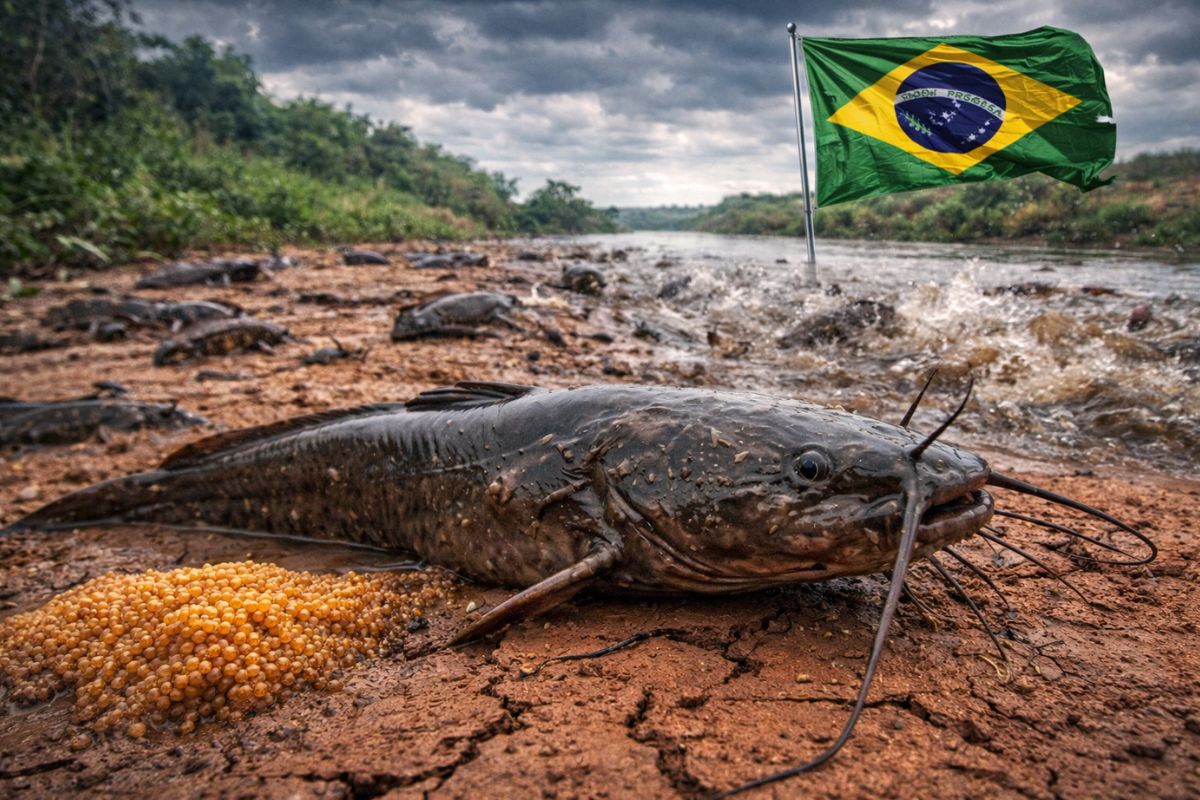
A fish that survives out of water, crawls on land until it finds another river, and whose female lays 80,000 eggs at once is infesting rivers and lakes in Brazil, and no one can stop this invasion.
-
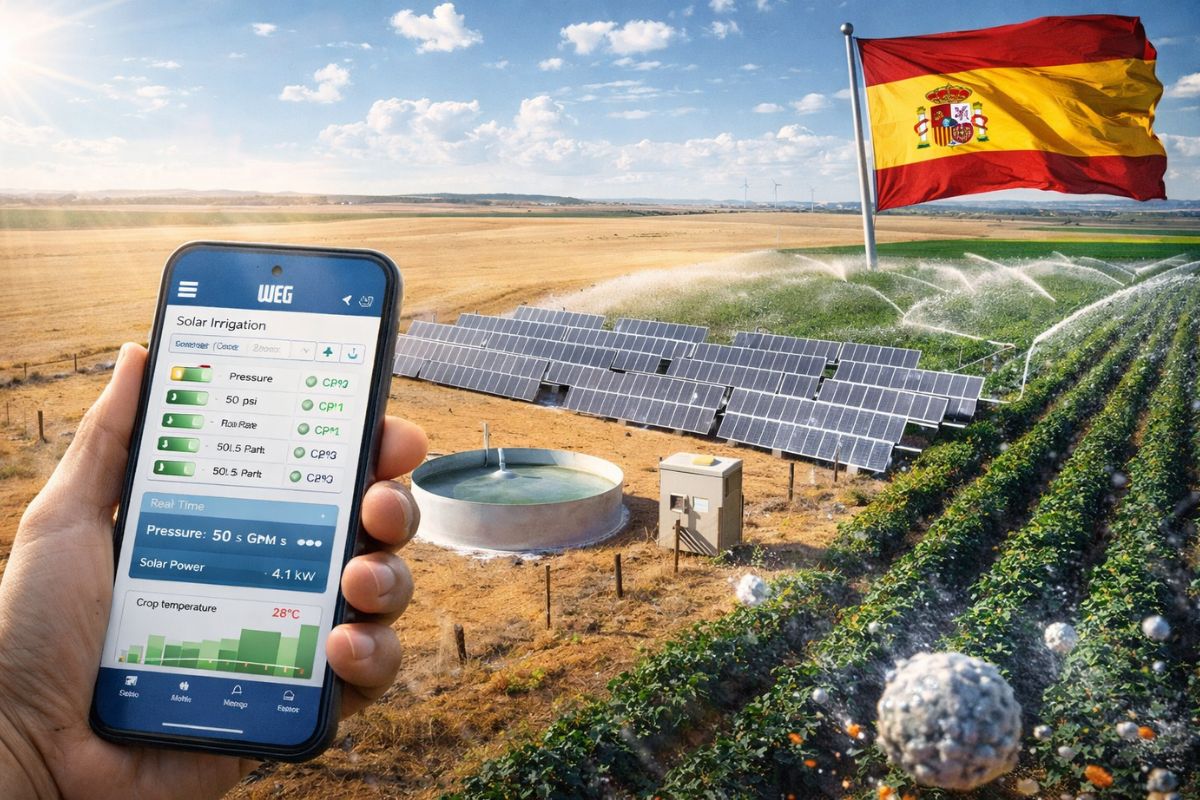
WEG took its technology to Spain to create a solar irrigation system that operates independently without needing an electrical grid, and now farmers control everything remotely via their mobile phones.
-
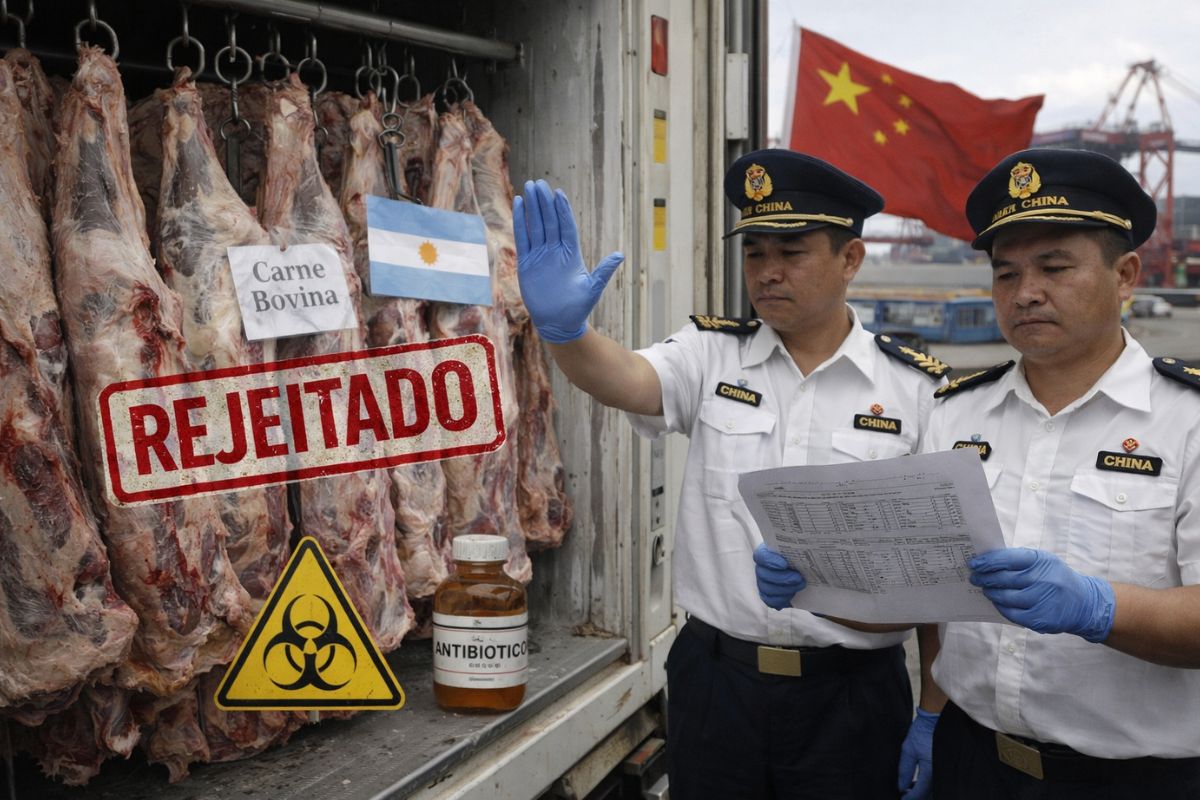
The US faces a meat crisis with fires, pests, and strikes, consumption rises and supply falls to the lowest level since 1952, creating a billion-dollar opportunity for Brazilian exports to grow in 2026.


This helps explain why a bunch can cost what a rare piece would: the market is not just buying grapes but rather the story of an almost unattainable standard, validated by official rules. And when supply is small and highly selected, auctions become the natural stage for competition.
The Official Rules That Define Authenticity and Discard Almost the Entire Harvest
For Ruby Roman to receive the authenticity seal, each grape must meet objective requirements. The minimum weight per grape is 20 grams, roughly the size of a ping pong ball, and sweetness must be above 18%, measured with precision refractometers. It’s not a “looks sweet”: it’s a number verified and compared with the standard.
In addition to weight and Brix, a decisive visual criterion comes into play: ruby-red color must be uniform across the entire bunch. This eliminates fruits with variations in tone, flaws in uniformity, or unexpected appearance, even if they taste good.
In practice, Ruby Roman only “becomes Ruby Roman” when it delivers size, sweetness, and aesthetics simultaneously.
Premium Class: When “Perfect” Becomes Even More Rare
Above the already demanding standard, there is the Premium Class category, which pushes the limits of what is accepted as exceptional. In this elite tier, each grape must weigh more than 30 grams, raising the selection threshold to a point where rarity becomes part of the product itself.
The rigor reaches such an extreme that there may be harvests where no bunch meets the Premium Class criteria. When some units appear, they become market trophies, sought after by those wanting to offer the ultimate experience of exclusivity, such as luxury hotels and collectors looking for rare certified items.
14 Years of Research and Precision Viticulture Taken to the Limit
Ruby Roman is not a traditional variety that “became famous”; it was born from a genetic improvement program started in 1995, with 14 years of testing until the commercial launch in 2008. The value, here, starts in the lab and ends in the orchard, with a process that combines science and extremely disciplined management.
Even with the chosen DNA, the result depends on how each bunch is managed. Producers individually monitor light incidence on each grape and carry out extreme manual thinning to concentrate the vine’s nutrients on the fruits that have a real chance of meeting the standard.
It is precision viticulture taken to the limit: sacrificing volume to seek visually perfect, large, and very sweet fruit.
Auctions in Ishikawa and the Calculation That Turns a Bunch into “Price Per Grape”
The number that usually draws the most attention tends to be the auction price: 1.1 million yen, around R$ 40,000, for a single bunch in Ishikawa, especially at the Kanazawa Auction. But the impact becomes even clearer when looking at the breakdown: with an average of 24 grapes per bunch, the value “drops” to each grape and becomes another scale of astonishment.
In this calculation, each unit can cost approximately R$ 1,600 to R$ 2,000. This type of pricing only makes sense within a system where the product is rare, certified, and desired as a symbol, not as everyday food.
Ruby Roman, in this context, operates as a showcase of prestige: few buy, many comment, and reputation sustains the market.
The Risk of Scams in Brazil and the Confusion with the Rubi Grape
The fame of Ruby Roman has also fueled a dangerous parallel market: advertisements for “Ruby Roman seeds” on online selling platforms.
The technical alert is straightforward: there is no authentic Ruby Roman cultivated from seeds, because size and flavor characteristics are transmitted through cloned seedlings, and the original genetic material is protected by intellectual property laws and rules that prevent biopiracy.
Furthermore, there is confusion with the Rubi grape sold in Brazil, which has a similar name and is excellent for everyday consumption, but has no genetic relation to the Japanese variety.
While Ruby Roman is treated as a luxury item under strict control, the national Rubi occupies another market category, with a common shelf price of around R$ 13 per tray, and a completely different proposal.
In the end, Ruby Roman clearly illustrates how science, management, and official rules can transform a fruit into a symbol: it’s not “just grapes,” it’s an entire system of selection and scarcity.
Would you pay to try a fruit with this level of control and rarity, or do you think this type of luxury goes beyond the limit? Have you seen advertisements for “Ruby Roman seeds” circulating around?








-

Uma pessoa reagiu a isso.