





 Portuguese
  English
  Spanish
  6 min of reading
  0 comments


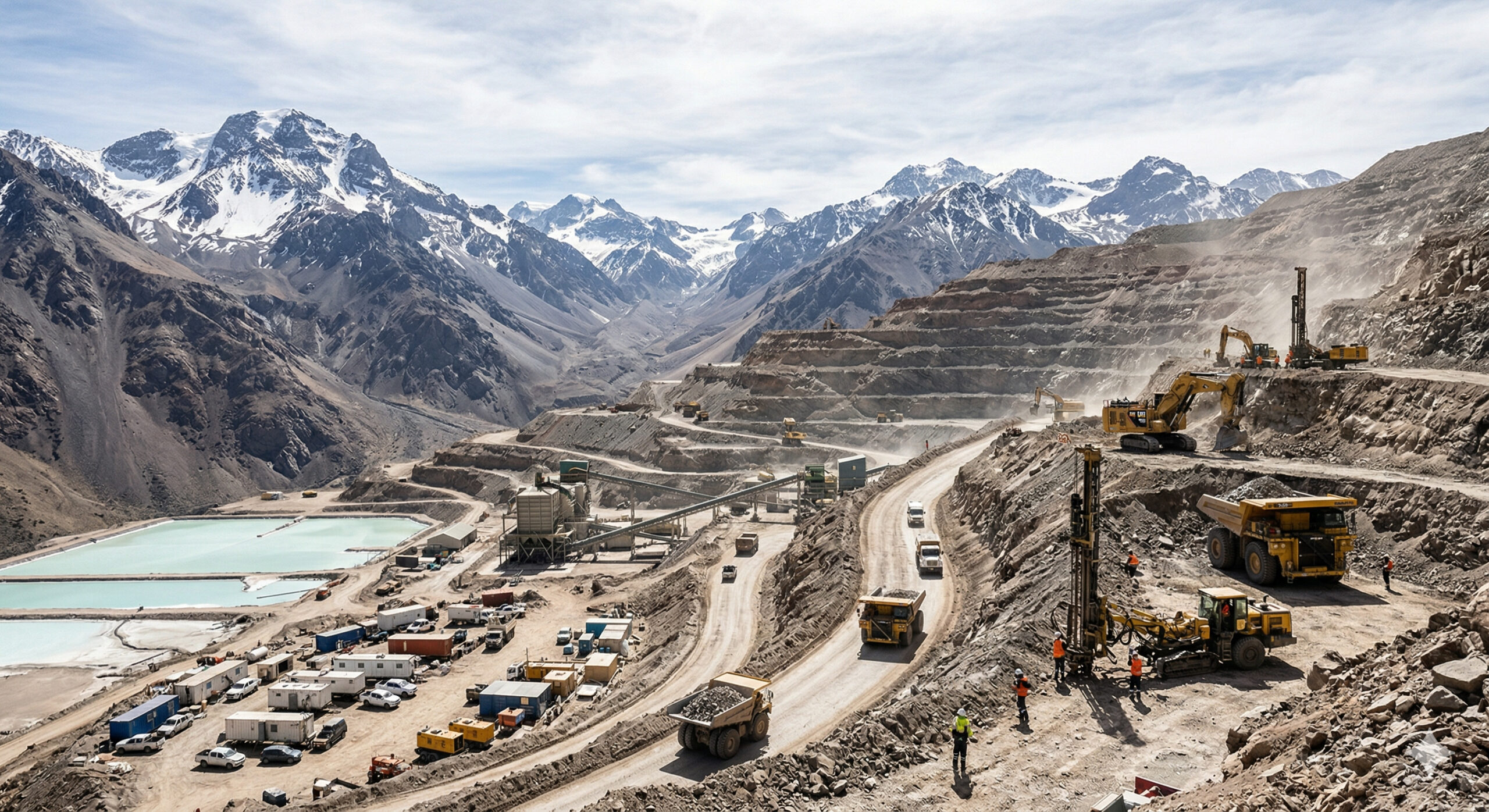
Argentina opens up copper, lithium, and gold exploration in extreme altitude areas of the Andes and could unlock up to $165 billion in mineral exports.
On April 9, 2026, the Chamber of Deputies of Argentina approved a reform supported by the government of Javier Milei that relaxes protections on glaciers and periglacial areas, paving the way for mining advancement in high mountain zones of the Argentine Andes previously protected by the 2010 Glacier Law. Reported the same day by Reuters, the measure marks a regulatory shift with the potential to unlock investments in copper and lithium, two of the most strategic minerals for the energy transition.
These areas concentrate high-value mineral deposits and, at the same time, glacial systems that Argentine legislation defines as strategic reserves of water resources for human consumption, agriculture, and watershed recharge. By altering this framework, the country begins to more aggressively compete in the global market for critical raw materials, a move that increases the economic weight of mining but also intensifies the debate over water protection in extreme altitude regions.
According to Reuters, the government projects that this new front could generate up to $165 billion in exports by 2035, a figure that repositions Argentina as a major global player for the future supply of these mineral resources.
-
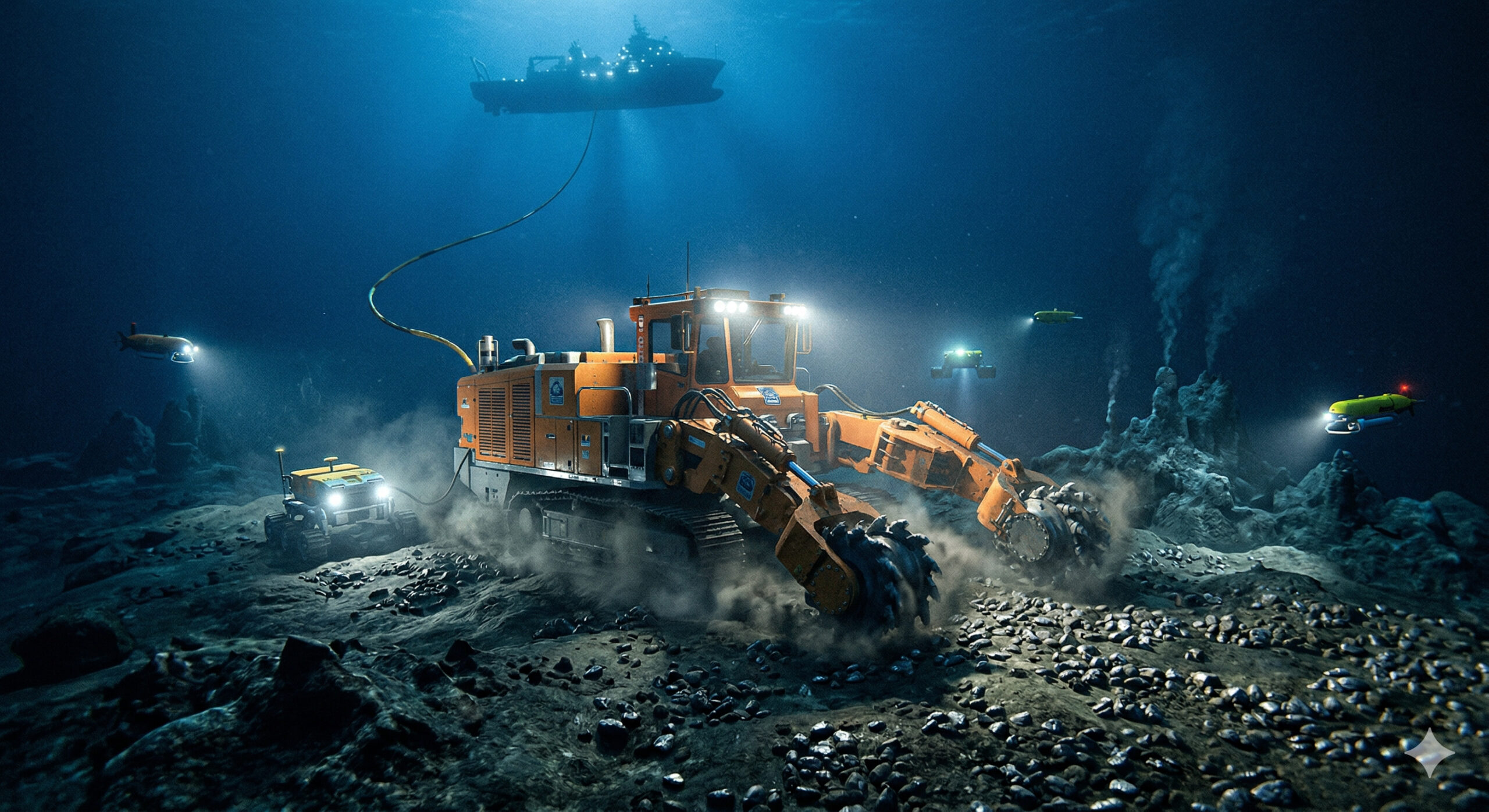
With nodules rich in nickel, copper, cobalt, and manganese scattered up to 6,000 meters deep, a $1 billion merger creates a giant in underwater mining and accelerates the global race for critical metals hidden on the ocean floor.
-
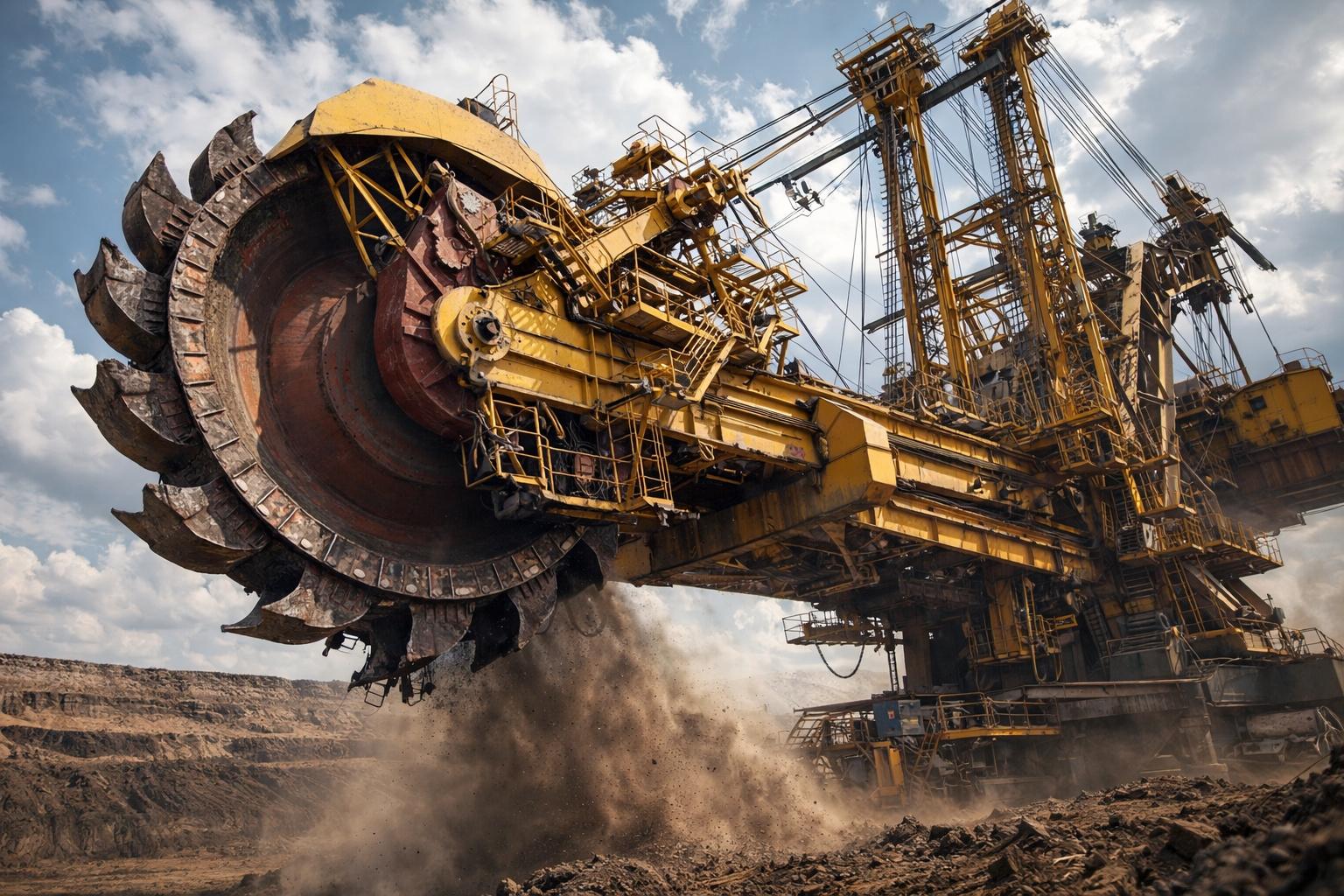
A machine capable of removing up to 12,000 cubic meters of earth per hour helps to feed part of the European energy matrix, and this mining colossus almost never appears when discussing the real cost of electricity.
-
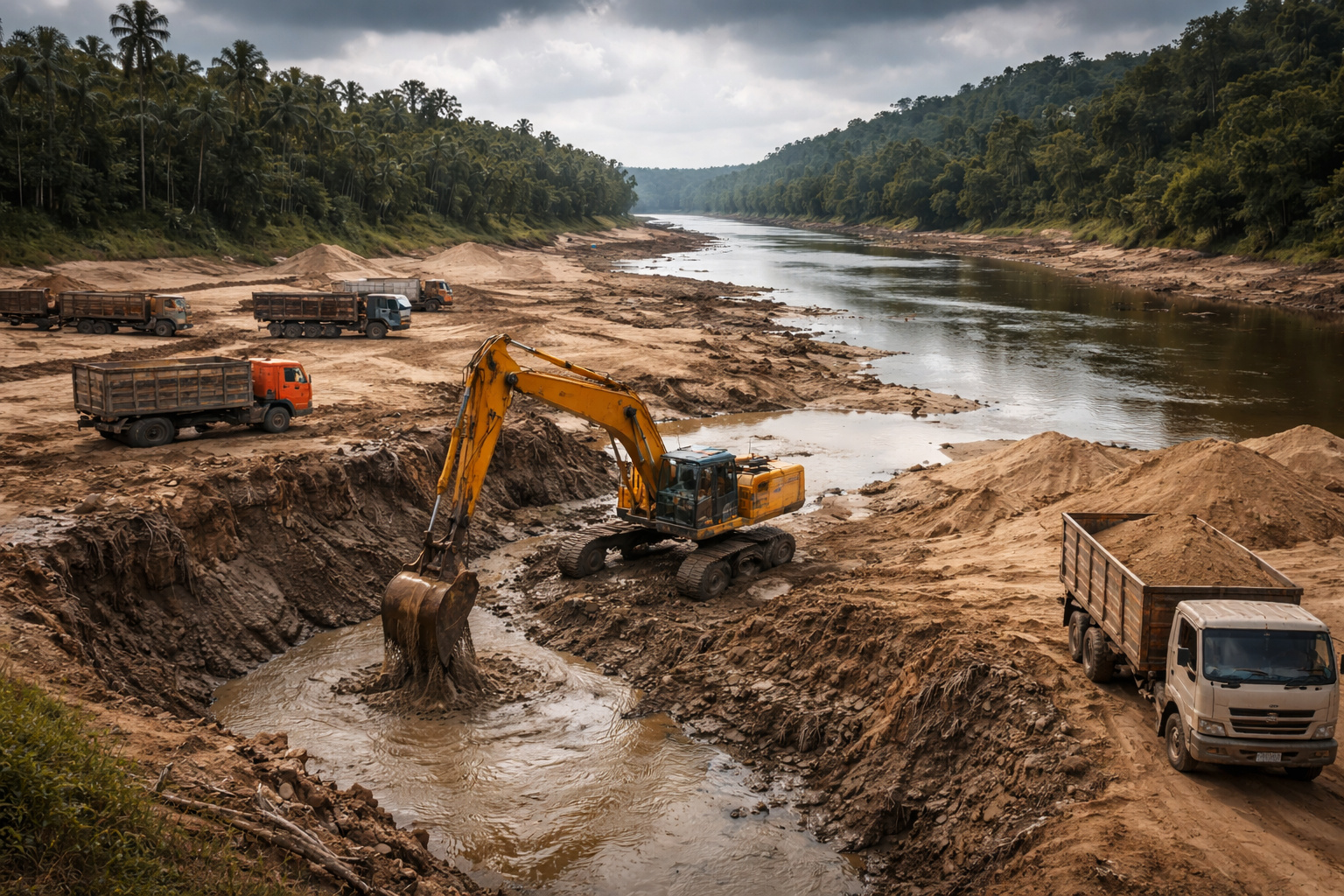
In Kerala, India, known as “the land of God,” dredging machines are extracting sand from rivers 40 times faster than nature can replenish it, riverbeds have already dropped nearly 2 meters, rivers have begun to dry up, and scientists who investigated the floods of 2018 discovered that decades of uncontrolled mining have weakened the rivers to the point where they can no longer contain the water.
-
USA and China compete for Brazil over resources that could be worth trillions — rare earths put the country at the center of a global dispute

Copper and lithium transform the Andes into one of the most strategic territories of the 21st century
The growing interest in these regions is directly linked to the role that certain minerals have come to play in the global economy. Copper has become essential for the expansion of electrical networks, renewable energy systems, and vehicle electrification, while lithium is one of the main components of batteries used on a large scale.
In the Argentine case, these reserves are situated in complex geological formations, often located beneath layers of ice or in periglacial areas. This means that a significant portion of the mineral potential has yet to be fully explored.


This scenario places the country within a strategic axis that also includes Chile and Bolivia, forming one of the most important regions in the world for supplying inputs related to the new global energy matrix.
Altitude above 4,000 meters imposes extreme technical and logistical challenges
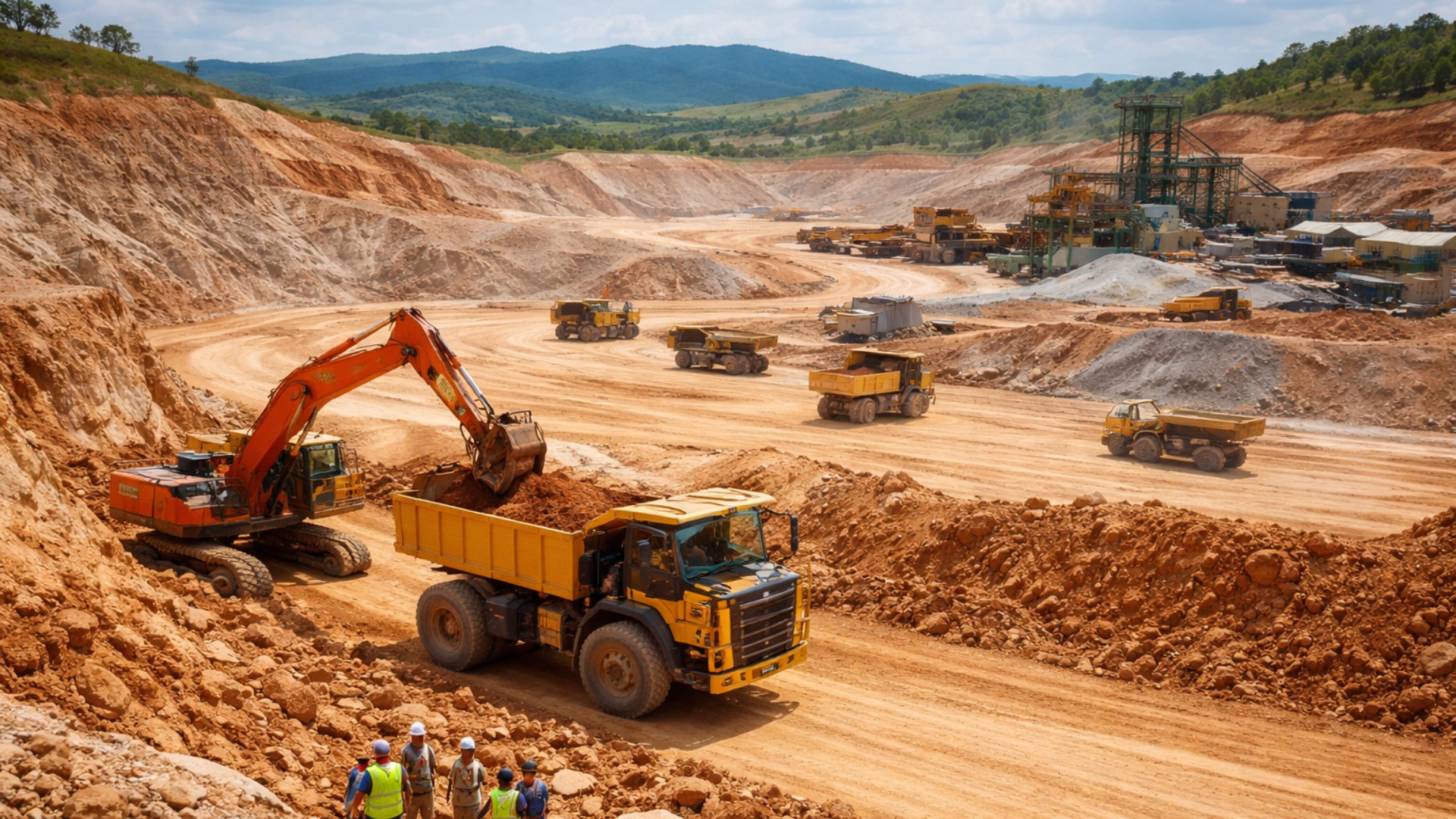
The exploration of these areas depends not only on economic decisions but also on technical capacity to operate in extreme conditions. Many of these deposits are located above 4,000 meters in altitude, where factors such as low atmospheric pressure, negative temperatures, and geographic isolation directly impact operations.
Under these conditions, equipment needs to be adapted, transportation systems require specific solutions, and infrastructure construction becomes significantly more complex. The simple movement of machines and materials already represents a relevant logistical challenge.
Additionally, the absence of robust electrical networks necessitates the creation of self-generation systems, often based on hybrid solutions, which increases the initial cost of projects.
Glacial water enters the center of the equation and increases the strategic weight of the region
One of the most sensitive elements of this new mineral frontier is the presence of glaciers and associated water systems. These formations act as natural reserves that ensure a continuous water supply for arid climate regions throughout the year.
While these areas concentrate valuable mineral resources, they also support watersheds essential for human consumption, agriculture, and environmental balance. This creates a direct overlap between economic exploitation and the preservation of a critical resource.
This factor elevates the complexity of operations and increases international interest in the region, not only from an economic perspective but also a strategic one.
Global demand for critical minerals pressures the opening of new exploration areas
The decision by Argentina comes at a time when the demand for strategic minerals is growing rapidly. The global energy transition, driven by climate policies and economic electrification, requires increasing volumes of copper, lithium, and other metals.

This movement has led companies and governments to seek new exploration frontiers, including in regions that were previously considered unviable or too sensitive for industrial activities.
In this context, high mountain areas in the Andes are increasingly seen as strategic reserves capable of meeting part of this growing demand in the coming decades.
Projection of $165 billion indicates structural change in the Argentine economy
The estimated potential of $165 billion in exports by 2035 represents not only growth in the mineral sector but a possible structural transformation in the Argentine economy.
Mining could gain prominence as a source of foreign revenue, attracting investments, generating jobs, and expanding the country’s presence in the global commodities trade.
This movement could also alter the internal economic dynamics, with a greater weight of the extractive sector in the composition of GDP and in the generation of foreign exchange.
International interest increases and could trigger a new rush for mineral assets
The opening of these areas is likely to attract immediate attention from large mining companies, which are already facing difficulties in finding large-scale deposits in other regions of the world.
Interest in strategic mineral assets has been consistently growing, especially in a scenario where supply security has become a priority for various economies.
As a result, Argentina could become the target of a new wave of investments, with projects being structured to take advantage of the potential of these still underexplored regions.
Exploration in extreme environments could redefine global mining standards
Projects in glacial and high-altitude regions require advanced technological solutions, from infrastructure engineering to operation systems adapted to the environment.
If successful, these initiatives could establish new standards for mining in extreme conditions, paving the way for exploration in other similar areas around the world.

This type of operation could also accelerate the development of more efficient and resilient technologies capable of operating in high-complexity environments.
New mineral rush places natural resources and water at the center of geopolitics
The combination of critical minerals and water reserves transforms these regions into strategic assets not only for Argentina but for the global balance of resources.
As the demand for clean energy grows, the dependence on minerals such as copper and lithium is expected to increase, raising the geopolitical value of regions that concentrate these resources.
At the same time, the presence of essential water systems adds an additional layer of relevance, increasing international interest and attention on these areas.
This new mineral frontier could transform Argentina into a global power or open a new chapter of disputes over strategic resources
The opening of this frontier in the Andes presents Argentina with a rare opportunity for global repositioning, while also placing the country in an increasingly competitive and sensitive scenario.
The advancement of exploration in these regions will define not only the future of mining in the country but also the role it may play in the global supply chain of critical resources in the coming decades.
In light of this scenario, the central question becomes how this new mineral rush will develop and what its real impacts will be in a territory that combines, at the same time, mineral wealth and vital freshwater reserves.






Seja o primeiro a reagir!