





 Portuguese
  English
  Spanish
  6 min of reading
  0 comments


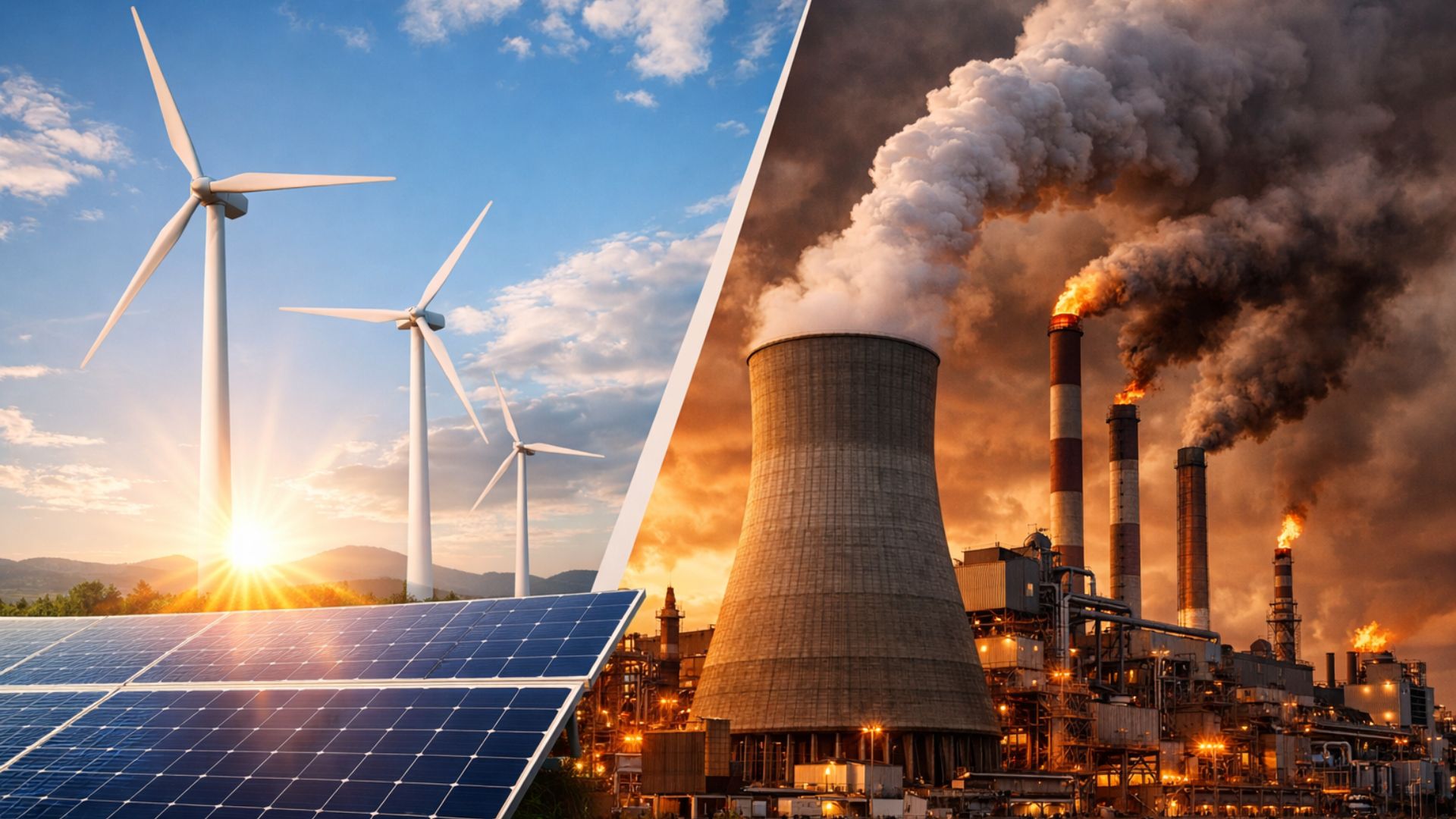
The energy transition requires a balance between renewable energies and firm sources to maintain the stability of the electrical system. Understand how thermal security prevents failures and ensures reliable energy.
The energy transition is already a reality in Brazil, driven by the accelerated growth of renewable energies and the global need to reduce emissions. According to updates from CNN Brasil, however, behind this progress, there is an often underestimated but absolutely essential element: thermal security within the electrical system.
Even with a matrix considered one of the cleanest in the world, the country still relies on thermal sources to ensure stability in energy supply. Data from the National Energy Balance 2025, from the Energy Research Company (EPE), shows that Brazil reached 88.2% renewability in its electrical matrix. Still, thermal generation grew by 11.4% in the last year, accompanying a 5.5% expansion in internal energy supply.
This scenario reveals an important truth: the greater the share of renewable energies, the greater the need for a firm base to support the electrical system during times of instability. This is precisely where thermal security comes in as a key piece of the energy transition.
-
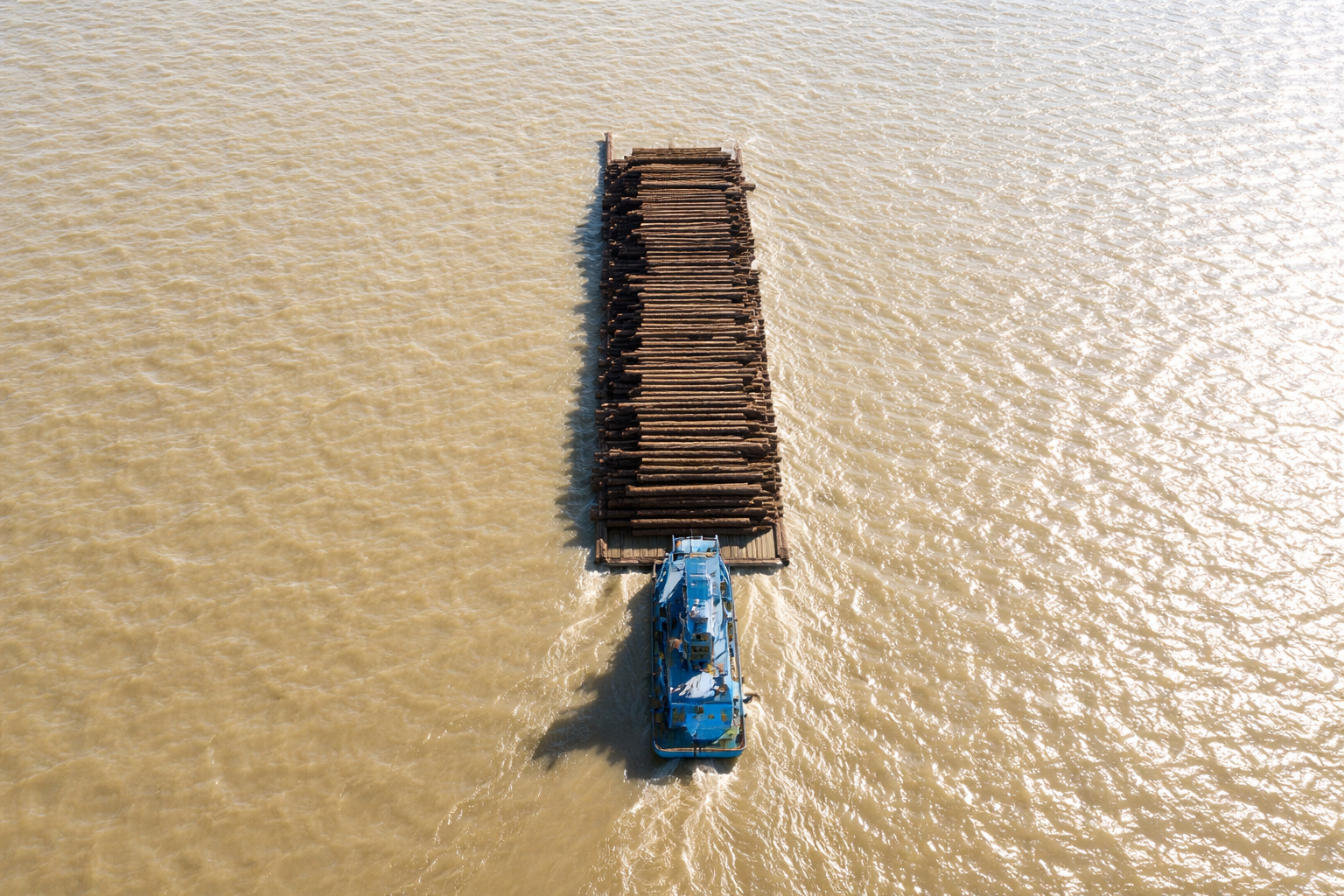
Billion-dollar investment for the forest: World Bank releases funds to expand renewable energy and create thousands of new green jobs in the Amazon region.
-
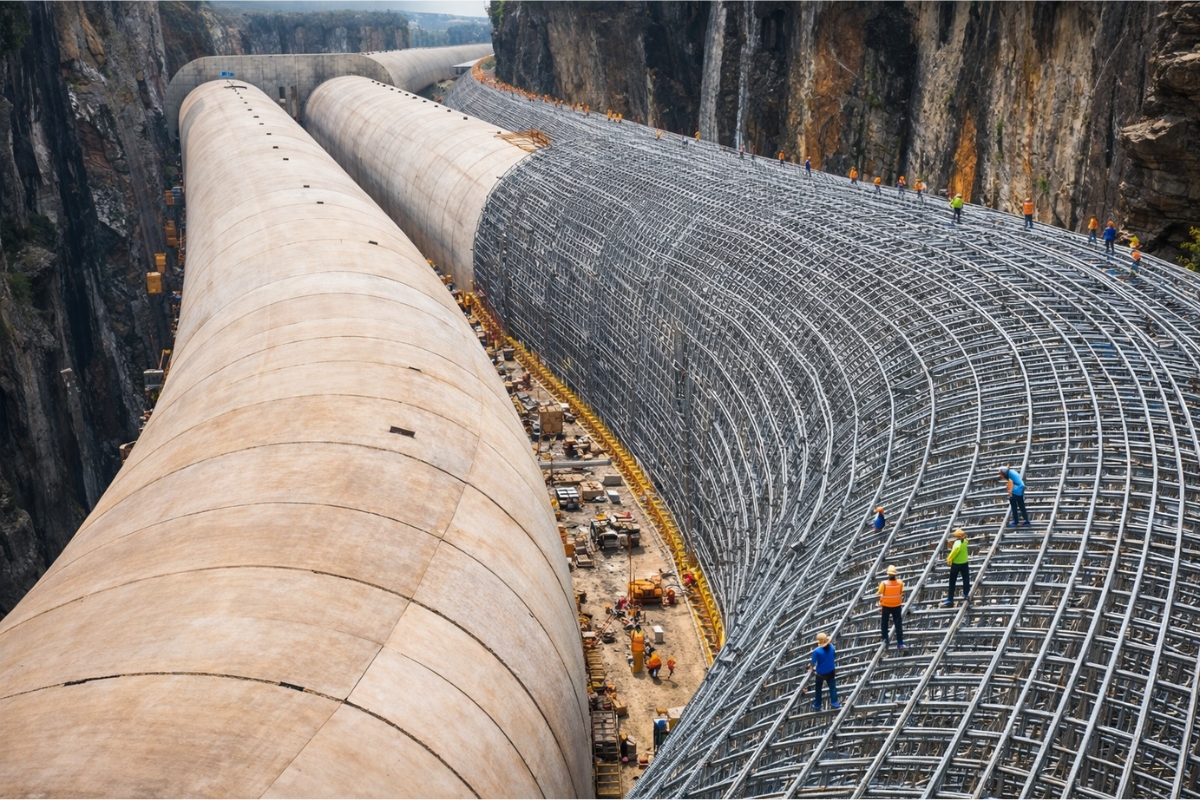
Switzerland invested over $2.3 billion and bet on water, altitude, and solid rock to create a battery in the Alps capable of powering more than 1 million homes.
-
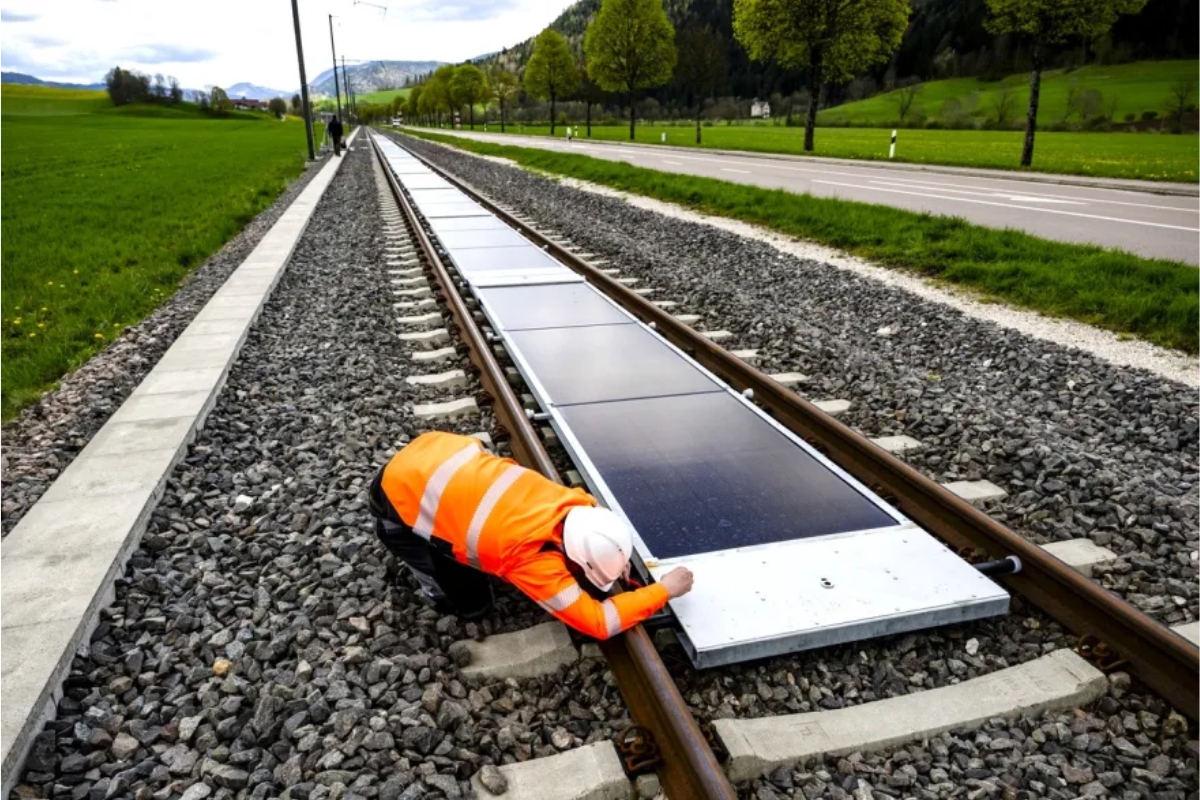
In Switzerland, tracks that previously only accommodated trains are beginning to generate electricity with removable solar panels installed on active railways, paving the way to transform the railway network into a new front for clean energy.
-
Brazil raises alarm to avoid blackout: the country may need 3 Itaipus and is already wasting up to 5,135 MW of energy on days of excess solar.
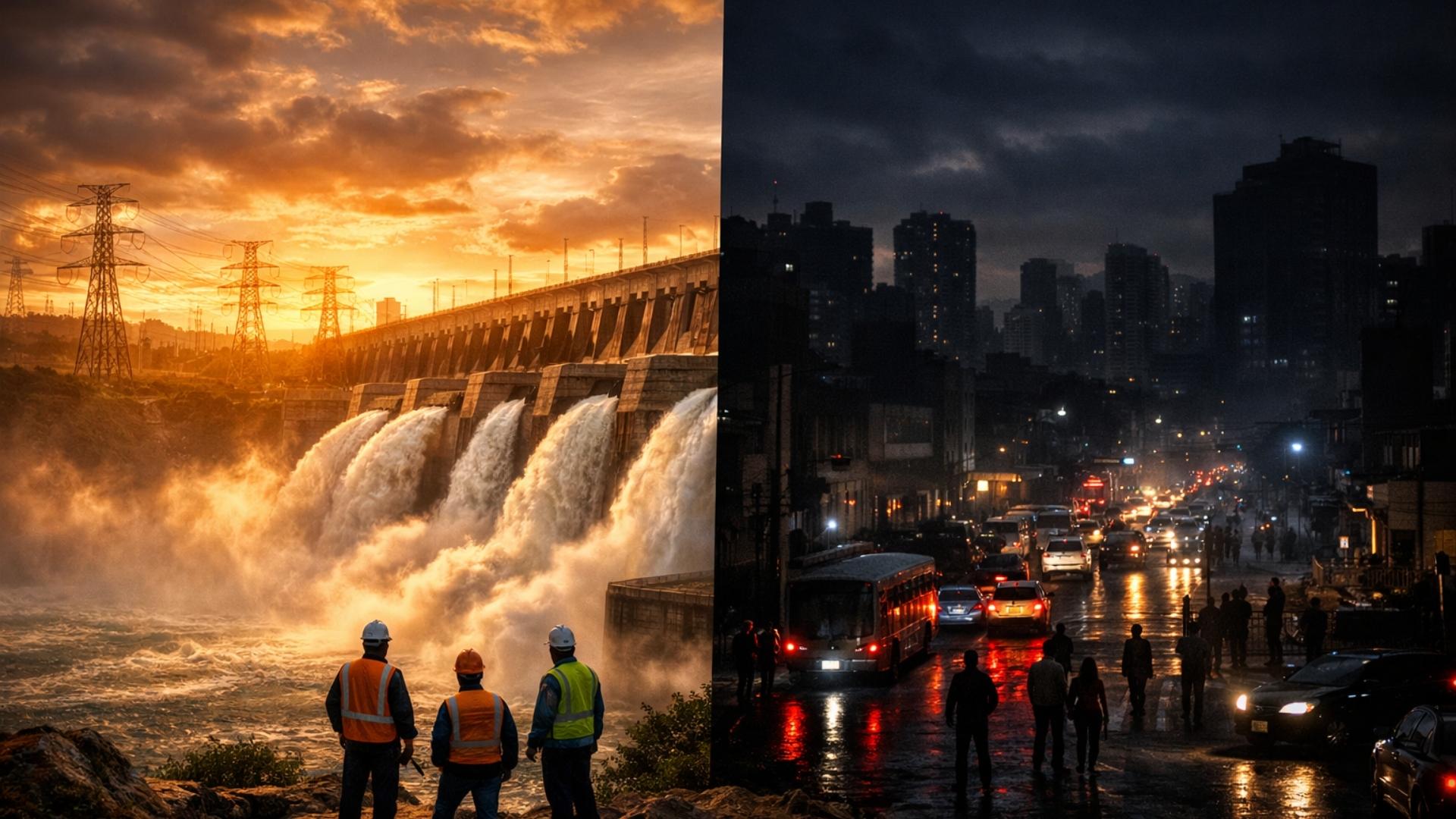

Thermal security and energy transition require a balance between innovation and reliability in the electrical system
Thermal security has become indispensable for the efficient functioning of the electrical system, especially in a context of accelerated growth of renewable energies. Unlike traditional sources, solar and wind generation directly depend on climatic factors.
During the day, solar production can reach high levels. However, at dusk, this generation quickly disappears, creating a significant operational challenge. This phenomenon requires quick responses from the electrical system, something that only dispatchable sources can offer.
In this context, the energy transition is not just about replacing fossil sources with renewables. It is about intelligently integrating different technologies to ensure that energy supply remains reliable.
Among the main challenges currently faced are:
- The intermittency of solar and wind generation
- The increase in consumption during peak hours
- The need for quick responses from the system
- The preservation of hydroelectric reservoirs
Thermal security emerges as the solution that allows balancing these variables, ensuring stability even in unpredictable scenarios.
Growth of renewable energies increases operational challenges in the Brazilian electrical system
The advancement of renewable energies in Brazil is undeniable. The country has rapidly expanded its installed capacity in sources such as solar and wind, strengthening the energy transition and reducing dependence on fossil fuels.
However, this growth also brings new challenges for the electrical system. The greater the share of intermittent sources, the greater the need for mechanisms that ensure stability and continuity in supply.
One of the main problems is the so-called “operational mismatch.” During the day, solar generation is abundant. But at dusk, when millions of people arrive home and increase energy consumption, there is a sharp drop in supply.
Estimates from Thymos Energia indicate that this variation may require compensation of up to:
- 35 GW currently
- 43 GW by 2028
This volume represents a significant demand for quick response capacity. And it is precisely at this point that thermal security becomes essential to maintain the balance of the electrical system.
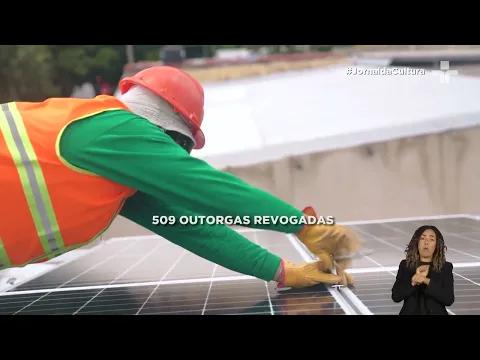

Thermal security prevents collapses and ensures stability of the electrical system in critical moments
Thermal security plays a decisive role in crisis situations. During drought periods, for example, hydroelectric generation can be compromised, reducing the capacity of the electrical system to meet demand.
In these moments, thermal power plants assume a strategic function. They can be activated quickly to compensate for the lack of hydro or renewable generation, preventing blackouts and ensuring a continuous supply of energy.
The water crisis of 2021 is a clear example of this dynamic. During that period, thermal security was essential to sustain the electrical system, allowing the country to navigate one of the most critical moments in the energy sector.
Moreover, thermal operation also allows for the preservation of reservoir levels, ensuring energy security for future periods.
Among the main benefits of thermal security, the following stand out:
- Reduction of blackout risks
- Stability in energy supply
- Operational flexibility
- Support for renewable energies
This combination shows that the energy transition directly depends on the ability to integrate different sources in a complementary manner.

Global demand for firm energy reinforces the strategic role of thermal security
The importance of thermal security goes beyond Brazil. Worldwide, the energy transition has been accompanied by a significant increase in demand for reliable and continuous energy.
The advancement of technologies such as artificial intelligence and data centers requires an uninterrupted supply of electricity. This new scenario pressures the global electrical system, which needs to balance sustainability and reliability.
Renewable energies continue to grow, but still face limitations related to intermittency. Therefore, thermal security becomes essential to ensure that supply is not compromised.
Moreover, the high demand for generation equipment has raised costs and extended delivery times, making energy planning even more important.
Energy planning and auctions strengthen the security of the Brazilian electrical system
Long-term planning is essential to ensure the success of the energy transition. In Brazil, mechanisms such as Capacity Reserve Auctions play a strategic role in anticipating the need for firm power.
These auctions allow the country to prepare for future scenarios, ensuring the thermal security necessary to support the growth of renewable energies.
The logic is clear: the cost of keeping power plants available is lower than the impact of a failure in the electrical system. The lack of energy can lead to serious consequences, such as:
- Industry shutdown
- Increase in product prices
- Reduction of economic competitiveness
- Significant social impacts
Therefore, thermal security should be seen as a strategic investment, not as an additional cost.
Modernization of thermal power plants drives a more efficient energy transition
Thermal power plants are rapidly evolving. Today, thermal security is increasingly associated with efficiency and technological innovation.
The use of renewable fuels, such as biomass and biodiesel, has contributed to reducing the environmental impact of these plants. Additionally, integration with natural gas networks allows for greater operational flexibility in the electrical system.
This advancement shows that the energy transition does not eliminate thermal sources but transforms their role. They cease to be protagonists and become a strategic support for renewable energies.
This modernization also includes:
- Increased energy efficiency
- Reduction of emissions
- Faster responses to demand
- Integration with new technologies
Thus, thermal security adapts to the demands of a more sustainable world without compromising reliability.
The path to a balanced and resilient matrix in the long term
The energy transition in Brazil and around the world will not be built by the total replacement of technologies but by the intelligent integration of different sources. Renewable energies are essential for the future but need the support of a reliable base.
In this scenario, thermal security consolidates itself as an indispensable element for the functioning of the electrical system. It ensures that the growth of renewables occurs safely without compromising supply.
Data shows that the country has already made significant progress in sustainability but still depends on solutions that ensure energy stability. The complementarity between sources is the most efficient path.
Ultimately, the greatest cost to society is not keeping power plants available but facing the lack of energy when it is needed. And that is precisely why thermal security will continue to be one of the central pillars of the energy transition, supporting the advancement of renewable energies within a modern, reliable, and future-ready electrical system.






Seja o primeiro a reagir!