





 English
  Francês
  Alemão
  Italiano
  Japonês
  Norueguês
  Portuguese
  Spanish
  3 min of reading


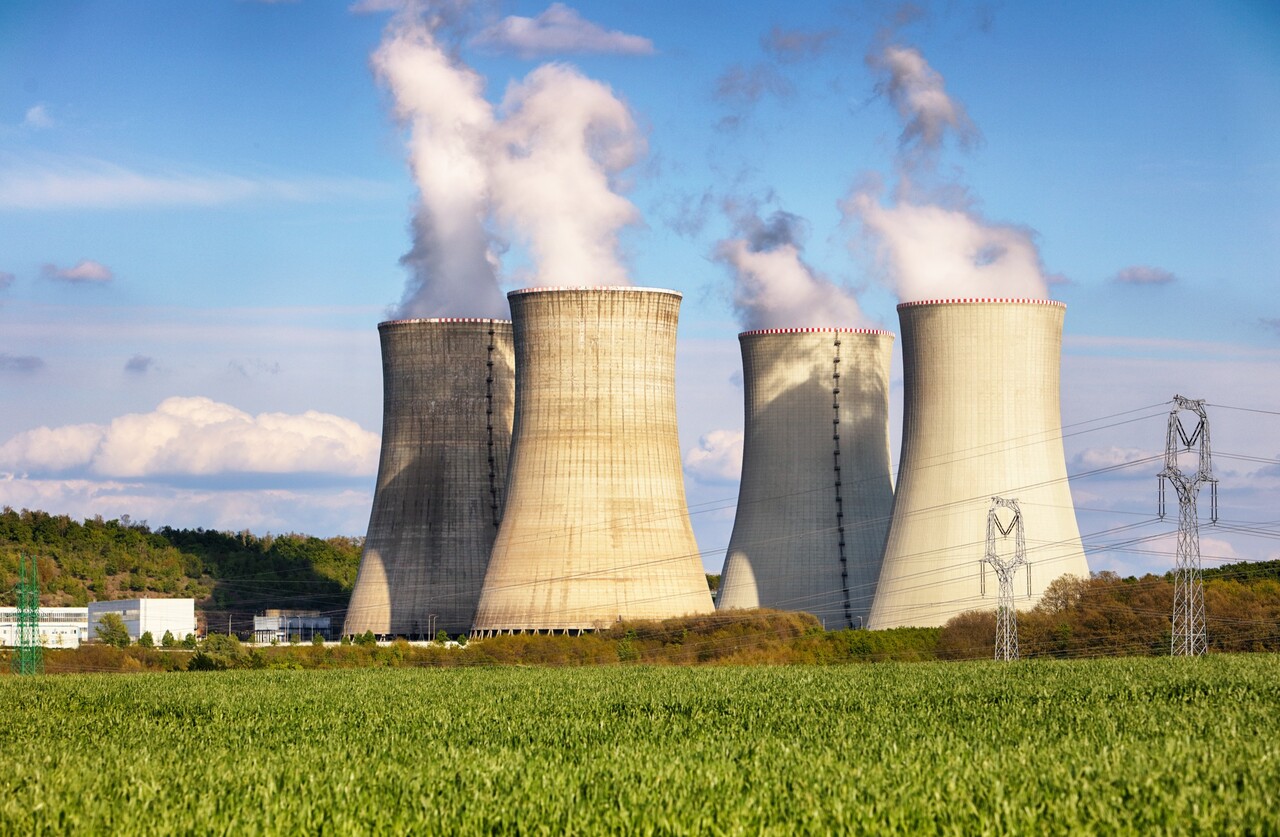
Study By Scientists On Nuclear Power Plants Proves The Harmful Use And The Importance Of Renewable Sources For Our Planet
In recent years, the nuclear power industry has been promoting a new family of reactors that use new renewable moderators. They are one of the most critical points of a reactor: they serve to control nuclear reactions so that they do not go out of control and explode, nor are they suppressed to the point of reducing electricity generation. The nuclear power industry claims that being more modern is synonymous with being safer. A union of concerned scientists launched a study questioning the touted safety.
Read Also
Scientists Criticize Nuclear Power Plants
The criticism begins outside the nuclear reactors themselves: some models require uranium to be 3 to 4 times more enriched than that used in conventional reactors.
According to scientists, this fuel would be just steps away from having the necessary grade to build weapons from nuclear power plants. Other models take advantage of the leftover plutonium from conventional reactors, the nuclear waste. To do so, the material must be reprocessed to a level close to bomb-grade as well.
-
Unemployment rises again to 5.8% at the beginning of 2026, raising alarms about the end of temporary positions and its impact on the Brazilian job market.

-
Document organization can cut invisible costs in small businesses, a simple step that prevents waste, rework, and losses in daily operations.

-
Renewable energy advances over protected areas in Brazil, and a survey by the Energy Transition Observatory reveals silent impacts that challenge environmental conservation and pressure sensitive traditional territories.

-
Rio Grande do Sul accelerates energy transition: State invests in renewable technologies and consolidates decarbonization strategies and pathways to attract billions in new industrial investments.

Thus, the facilities for the production of these fuels would be interesting targets for terrorist or military groups. The new reactors may also have problems with the new moderators, which are more sensitive and less maneuverable than the water used in conventional reactors. Reuters commented on the work of the Scientists.
Renewable Energies – An Alternative To Replace Nuclear Power Plants
In December 2019, two nuclear reactors that supplied homes and factories in Sweden and Germany permanently ceased electricity production. One of the shut-down reactors was Ringhals-2, from Vattenfall, in Sweden, which operated for 44 years. According to reports, renewable energies, such as solar and wind, have overtaken the traditional investment model in electricity in Europe. As a result, the unit of the largest electricity company in Scandinavia was not generating profit, leading to the shutdown of the reactors.
Another effect of the energy transition driven by renewables was at Energie Baden Wuertenberg, the base of the high-tech industry in Southern Germany, which, according to Bloomberg, is shutting down the Philippsburg-2 reactor, one of the largest in the country, responsible for supplying large automotive factories since the mid-1980s.
Decommissioning
In Germany, Chancellor Angela Merkel decided to permanently deactivate nuclear power plants by 2022 (ten reactors have been closed since 2011), following the Fukushima nuclear accident. Despite this disaster, the unit was not scheduled to be closed until the attractive offer of renewable energies in the country expedited the decision.
On the other hand, Sweden is still debating the future of non-renewable energies. In the case of the Ringhals reactors, while three parties supported a proposal for the continuation of their operations that were supposed to shut down in 2019 and 2020, four opposition parties wanted the state-owned Vattenfall to suspend the shutdown of operations. According to Vattenfall, the decision to decommission was motivated by commercial reasons.










Seja o primeiro a reagir!