Portuguese
  Spanish


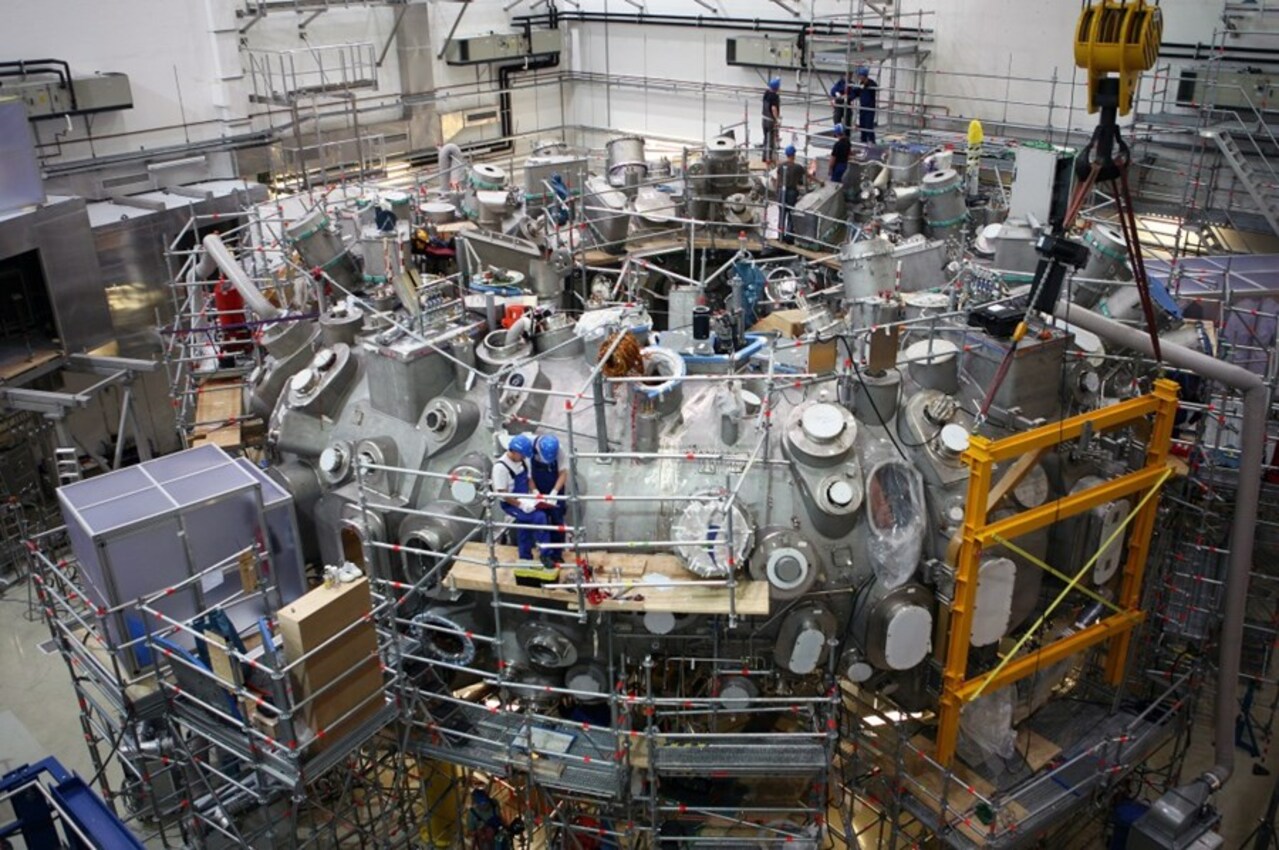

Nuclear Fusion Reactor That Creates “Clean” Energy Replicating Processes In The Sun Could Generate Electricity In A DECADE, Experts Say
A nuclear fusion reactor the size of a tennis court under development in the United States could be generating electrical power in a decade. The SPARC nuclear fusion reactor, a collaborative project involving the Massachusetts Institute of Technology, is expected to begin construction on June 21 of next year and take three to four years to complete.
Read Also
The SPARC nuclear fusion reactor is expected to demonstrate energy gain from fusion for the first time in history by 2025, and be producing fusion energy to generate electricity to supply nearby cities in 10 years.
Nuclear Fusion Reactor Could Combat Climate Change
The nuclear fusion reactor could eventually combat climate change by replacing energy sources that emit greenhouse gases, such as coal and gas. Fusion also provides cheap, clean, and safe energy without radioactive waste or the risk of meltdown.
-
In Colombia’s desert, 30 families receive 80 m² homes with solar panels, waterless toilets, and rainwater collection systems amid water and energy shortages.

-
Engie Secures 10-Year Use of 625 MWh in Batteries to Store Excess Solar and Wind Energy in Spain by 2028
-
Giant Batteries Take Center Stage in Chile Auction as Company Offers 960 GWh of Solar Energy for Nighttime Use, Aiming to Stabilize Solar Power Supply
-
After a Year of Success in Switzerland, Solar Railway Attracts Italy’s Interest for Clean Energy Transformation


Opening New Paths In The World Of Technology
SPARC will pave the way for the first commercially viable nuclear fusion plant, called ARC. MIT stated that the limitations imposed by the Covid-19 pandemic have only slightly slowed progress on SPARC and researchers are back in the labs under new operational guidelines.
‘Work is progressing smoothly and on track,’ said MIT, which is working with Commonwealth Fusion Systems (CFS) from Cambridge, Massachusetts, on SPARC.
The MIT team proposes that this substance be continuously regenerated by the fusion reaction itself. But Jassby believes this will require a large amount of electricity, which would make the reactor prohibitively expensive. “When you consider that we get solar and wind energy for free, relying on the fusion reaction would be foolish,” he said.