





 Portuguese
  English
  Spanish
  2 min of reading
  0 comments


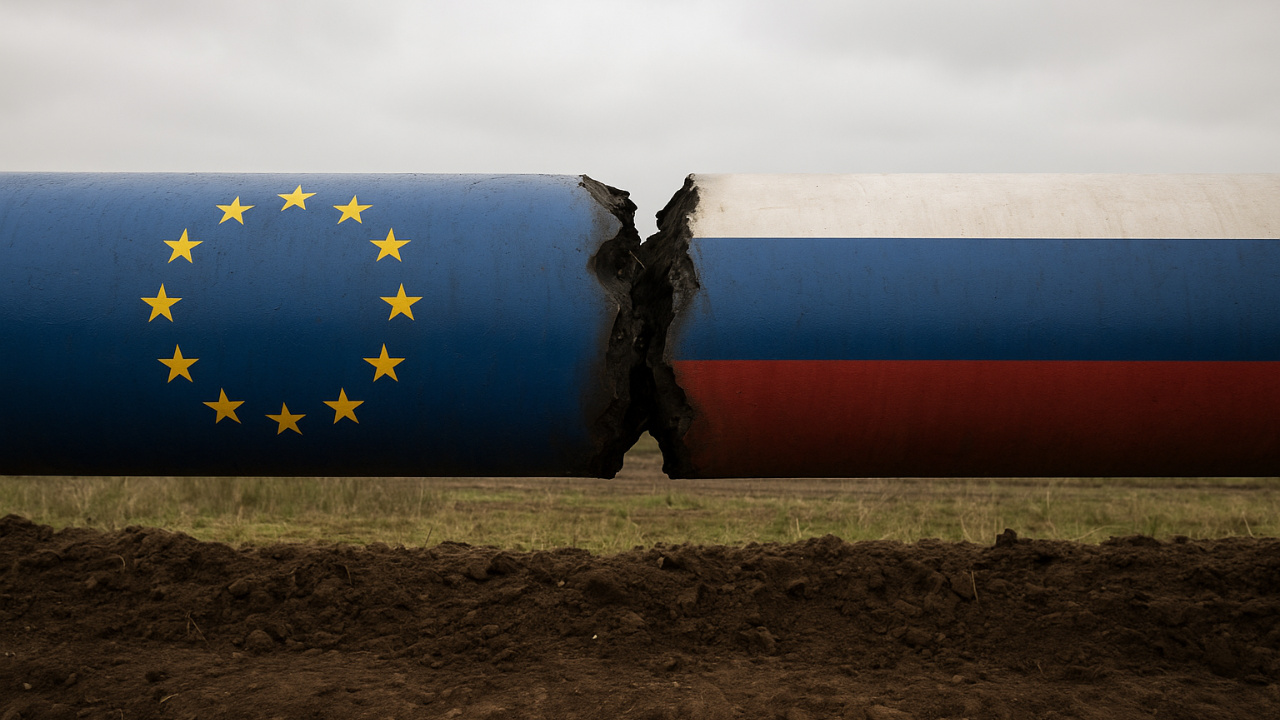
The European Union Prepares The 19th Sanctions Package Against Russia And Promises To Target Foreign Companies, Including From China, That Continue Buying Russian Oil. Measures Seek To Reduce Moscow’s Revenues And Limit Military Advances.
The European Union announced a new package of measures aimed at increasing economic pressure on Russia. The set of sanctions, which needs the approval of the 27 member states of the bloc, is the 19th since the beginning of the Russian invasion of Ukraine in February 2022.
According to Ursula von der Leyen, President of the European Commission, the restrictions aim to directly target foreign companies that continue buying Russian oil. “We are now pursuing those who fuel Russia’s war by buying oil in violation of sanctions. We will target refineries, oil traders, and petrochemical companies in third countries, including China,” she stated.
Package Includes Gas Restrictions And Expansion Of Embargoes
Among the main points of the new package is the ban on the purchase of Russian liquefied natural gas by the European Union. Ursula von der Leyen highlighted that, in the last three years, Russia’s revenue from European oil has dropped 90%. For her, the measure symbolizes “turning the page forever” regarding Moscow’s energy dependence.
-
Petrobras evaluates suspension of sales to distributors and considers canceling the cooking gas auction following guidelines from the Federal Government.
-
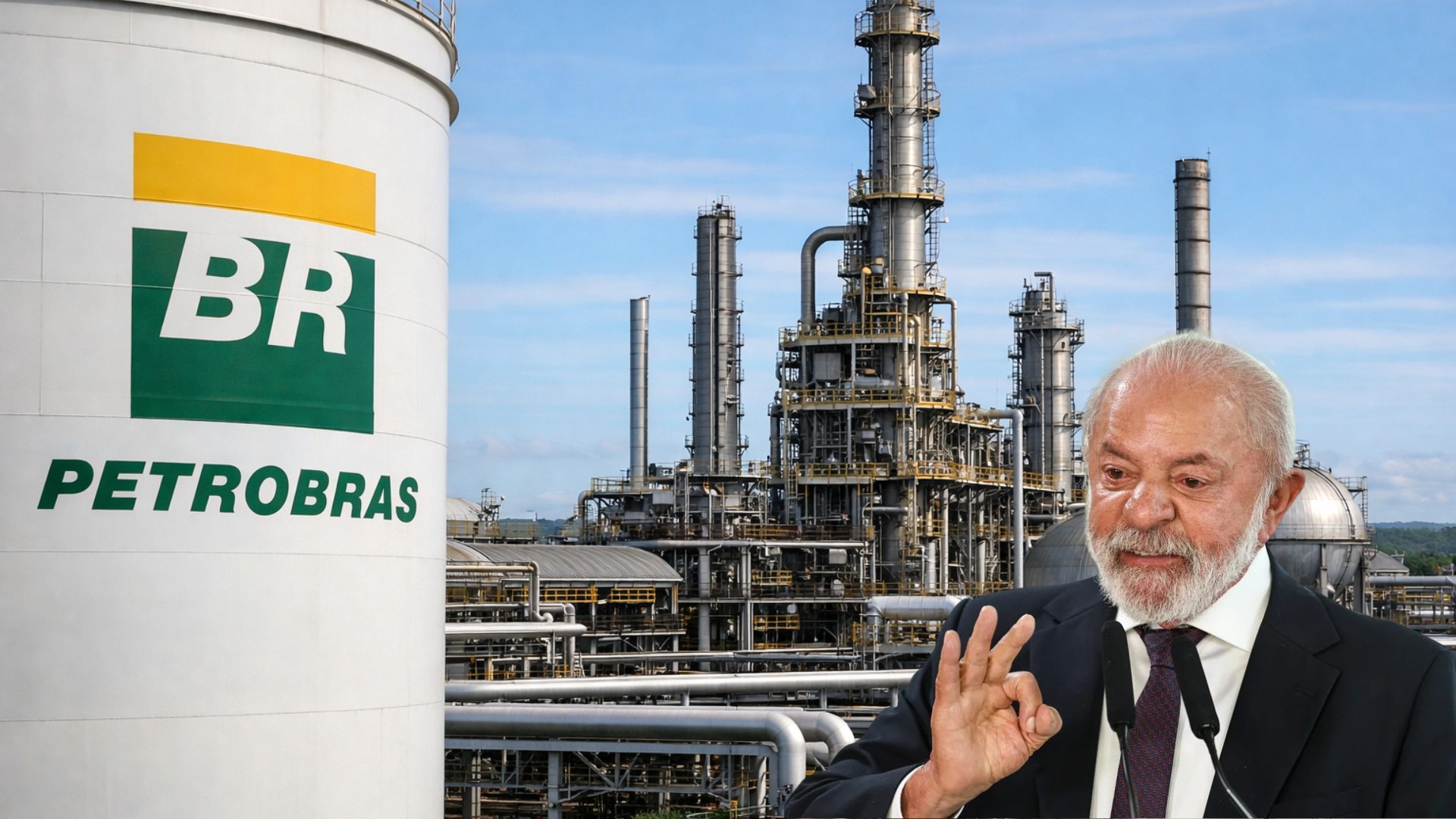
Lula reveals a masterstroke by Petrobras to undo a deal made by Bolsonaro, which involves the return of an important refinery that currently produces less than half of what was expected and makes Brazil dependent on international diesel.
-
A study confirms that the natural gas sector will reduce greenhouse gas emissions in Brazil by 0.5% and accelerate the energy transition by 2026.

-
Petrobras implements a severe adjustment and confirms a 55% increase in the price of aviation kerosene with a proposal for installment payments for the companies.


In addition to the oil and gas sector, the new sanctions are expected to reach strategic areas such as artificial intelligence, geospatial data, and essential technological inputs for the Russian military industry. The focus is to make it difficult for Moscow to access foreign suppliers, mainly from China and India.
International Relations And External Pressures On Russian Trade
The announcement of the European Union comes amid growing international pressures. In the United States, President Donald Trump demanded that NATO member countries impose tariffs between 50% and 100% on Chinese and Indian companies that continue buying Russian oil. Although the European bloc is not expected to adopt such harsh measures, many Chinese companies are expected to be included on the blacklist.
The European Union’s chief diplomat, Kaja Kallas, emphasized that “we propose additional measures against Chinese actors who support the Russian military industry.” The statements come on the eve of the UN global meeting in New York, reinforcing the political and strategic nature of the measures.
Despite the sanctions already in place, Moscow has found alternatives to market its oil and gas production through strategic partners. China and India, for example, maintain a high volume of imports, which ensures revenue for the Russian government. For the European Union, including these companies in sanctions packages is essential to reduce Russia’s ability to finance its war machine.



Seja o primeiro a reagir!