





 Portuguese
  English
  Spanish
  4 min of reading
  0 comments


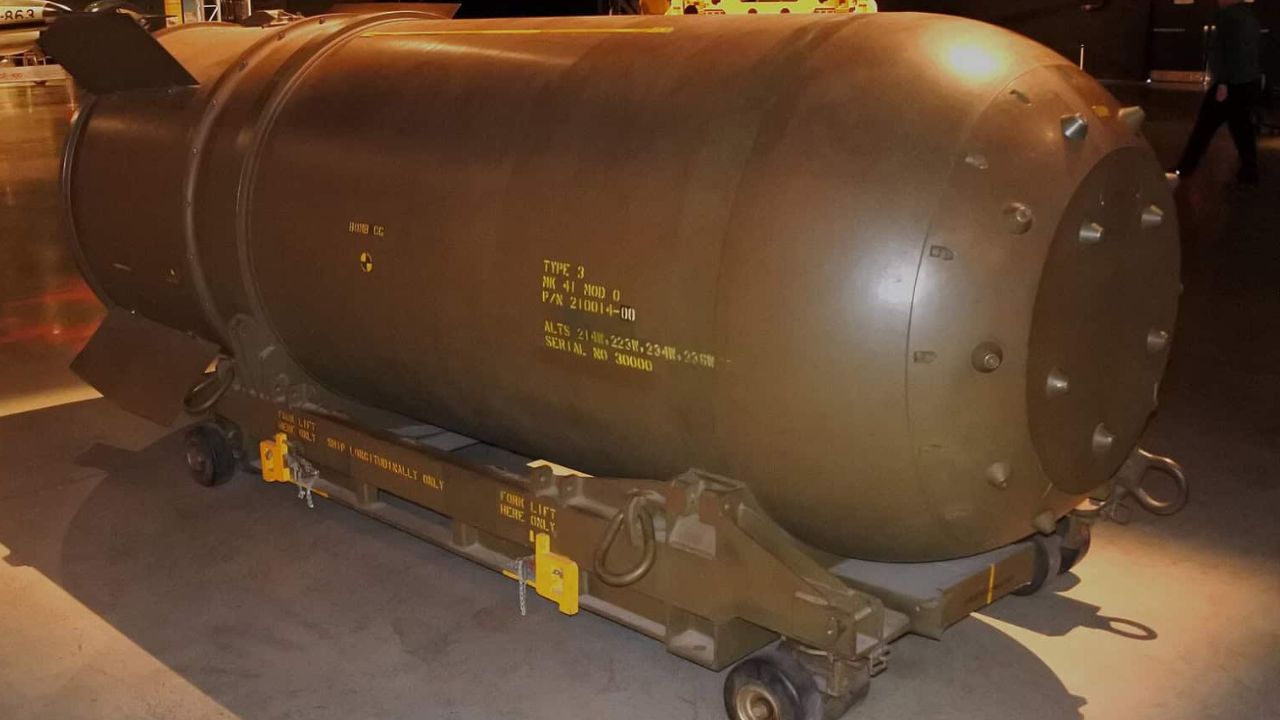
Discover The 5 Most Powerful Bombs Ever Created By Humanity, Highlighting The USA And The Soviet Union, And Their Devastating Impact!
Five nuclear bombs mark the history of humanity as the most powerful artifacts ever created. Developed mainly by the USA and the Soviet Union, they were tested between the 1950s and 1970s, a period of peak tension during the Cold War.
These weapons had the capacity to destroy entire cities in seconds, serving as true symbols of the arms race and the geopolitical power of the time.
With yields ranging from 9 to 50 megatons of TNT, these bombs not only represented a scientific and technological advancement but also a warning about the limits of human power and the risk of global conflict. Now learn the details of each of these creations that challenged the boundaries of destruction.
-
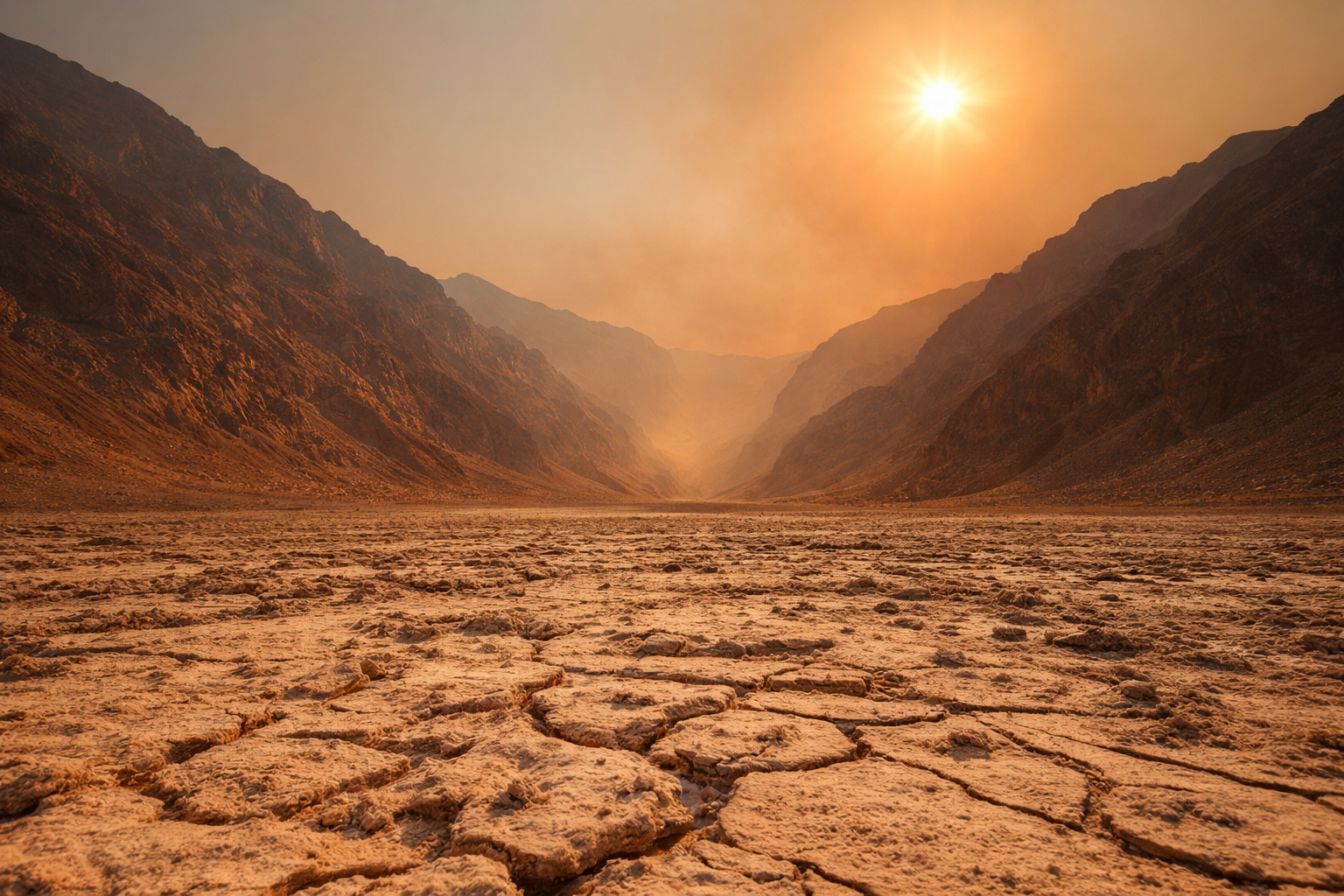
In the United States, a valley 86 meters below sea level has reached 56.7°C and remains the place with the highest air temperature ever recorded on Earth, a direct result of a terrain that traps heat between high mountains in the midst of the desert.
-
Goodbye clothes with odors from use: Samsung’s device uses high-temperature steam, eliminating up to 99.9% of bacteria, removing dust mites, and neutralizing odors directly in the wardrobe without the need for washing.

-
Embraer arrives in Mexico with 7 new E190-E2s in 2026, after 5 jets have already been delivered, while Mexicana surpasses 1 million passengers, plans a fleet of 20 aircraft, and expands strategic routes across the country.
-
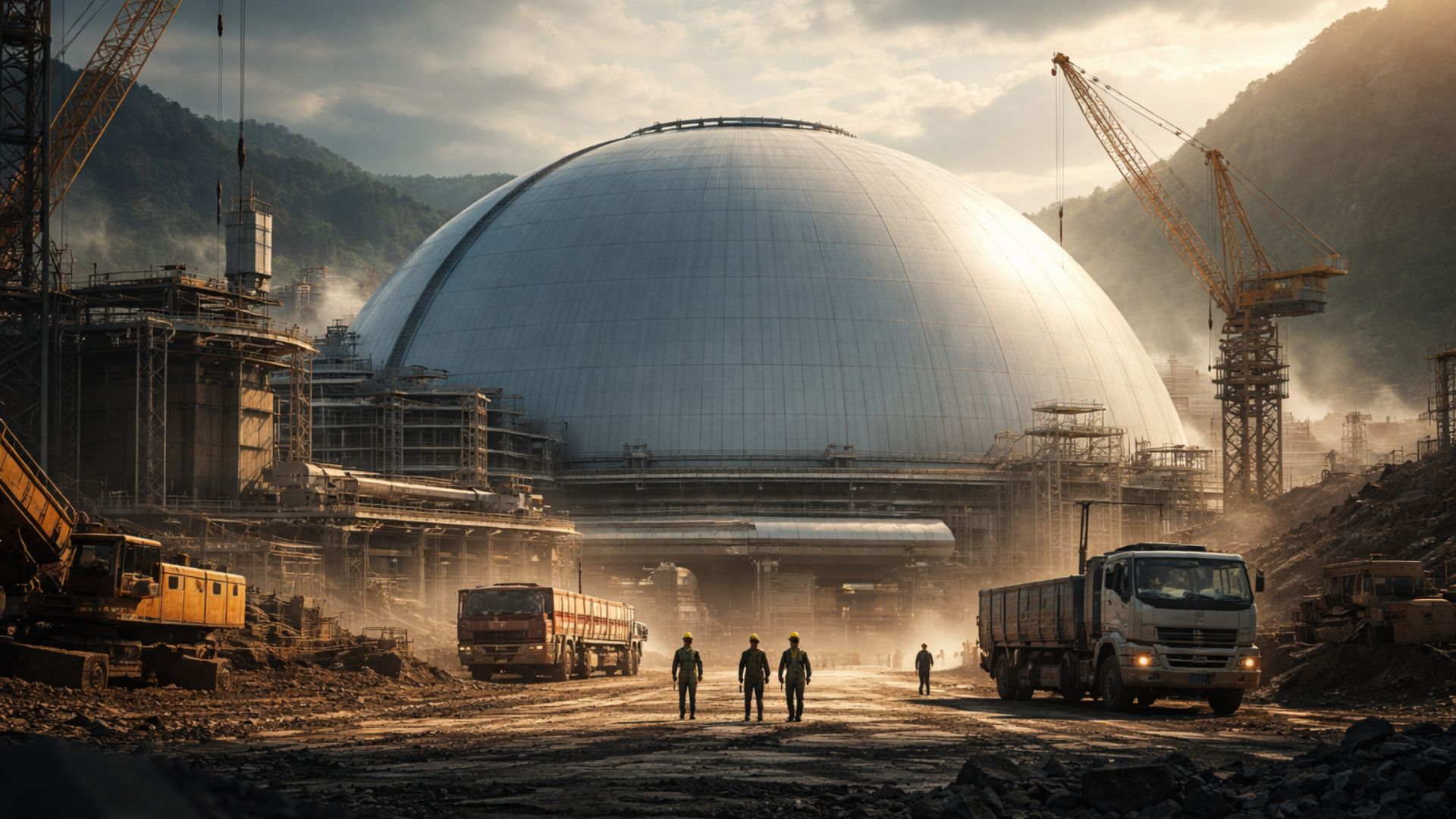
China is not joking around and is secretly expanding its nuclear weapons infrastructure: a giant dome the size of 13 city blocks, 600 warheads, destroyed villages, and a modernized military network in record time in China, says CNN.

Castle Bravo: The Test That Got Out of Control
The Castle Bravo, detonated in 1954 in the Marshall Islands, became known as one of the greatest mistakes in military engineering history. What was supposed to be a 5-megaton explosion turned into a catastrophe of 15 megatons, due to a calculation error in the fuel.
The impact was devastating: radiation spread over hundreds of kilometers, hitting inhabited islands and even the Japanese fishing boat Lucky Dragon 5, whose crew suffered from radioactive poisoning. The tragedy generated global outrage and led to the signing of treaties to restrict atmospheric nuclear tests.
Castle Bravo was a grim warning about the unpredictable risks of nuclear technology, especially when combined with haste and negligence.
B53: The Giant Bomb of The USA That Lasted Until The 21st Century
Manufactured in 1962, the B53 bomb was one of the heaviest ever produced by the United States. With a yield of 9 megatons, its main objective was to destroy highly fortified underground bunkers.
Its size was impressive: almost 4 tons distributed in a cylindrical body that required robust bombers for transport.
Even though it was not the most powerful on the list, the B53 remained active until 2011, demonstrating its strategic relevance in American military doctrine. This longevity reinforces the ongoing role of these weapons in the balance of power between the USA and the Soviet Union, even after the end of the Cold War.
Ivy Mike: The Debut of Nuclear Fusion
On November 1, 1952, in the Marshall Islands, the USA tested the Ivy Mike, the first thermonuclear bomb in history. With an explosion equivalent to 10.4 megatons of TNT, it completely destroyed the island of Elugelab, marking the start of the hydrogen bomb era.
Unlike the fission bombs used in Hiroshima and Nagasaki, Ivy Mike utilized nuclear fusion, the same process that powers the Sun. Its enormous size — over 80 tons — prevented its use in combat, but the test served as proof of concept for future smaller and more lethal weapons.
In addition to the technical advancement, Ivy Mike revealed the dangers of large-scale radioactive contamination, affecting neighboring islands and generating environmental and health concerns that still resonate today.
B41 Bomb: The Most Powerful Arsenal of The USA
Between the 1960s and 1970s, the USA introduced the B41 bomb, the most powerful weapon ever officially incorporated into its arsenal. With a yield between 25 and 26 megatons, it surpassed all previous models in destruction capacity.
Designed to be carried by strategic bombers like the B-52, the B41 had a multi-stage system that maximized its efficiency. It represented the utmost in the nuclear deterrent doctrine, a strategy aimed at preventing Soviet attacks through the threat of immediate and brutal retaliation.
The B41 was retired in the early 1970s, replaced by more modern and effective ballistic missiles.
Tsar Bomba: The Absolute Power of The Soviet Union
The Tsar Bomba, tested by the Soviet Union on October 30, 1961, is still the largest nuclear explosion in the history of humanity. With 50 megatons of TNT — and a capacity of up to 100 megatons — its detonation in the Novaya Zemlya archipelago was an apocalyptic spectacle.
The device was 8 meters long, weighed 27 tons, and required parachutes to slow its descent. The fireball reached 8 km in diameter, and the mushroom cloud soared to 70 km in height. The shockwave circled the Earth three times, and the plane responsible for the launch barely escaped destruction.
The Tsar Bomba was not designed for practical military use but as an explicit show of force against the USA during the Cold War. It was a warning: the Soviet Union had the means to destroy the planet if necessary.
The Dangerous Legacy of The Arms Race
These bombs are more than tools of war — they are landmarks of a time when power was measured in megatons of TNT and humanity flirted with its own extinction.
Whether due to the tension between the USA and the Soviet Union or the perverse logic of deterrence, these weapons represented the apex of a dark period in modern geopolitics.
Fortunately, they were never used in real battles after their tests, but their legacy remains as a brutal reminder of the dangers of unchecked ambition combined with technology. The future, it is hoped, will be built on agreements, not explosions.








-

-

-

6 pessoas reagiram a isso.