





 English
  Francês
  Alemão
  Italiano
  Japonês
  Norueguês
  Portuguese
  Spanish
 3 min of reading


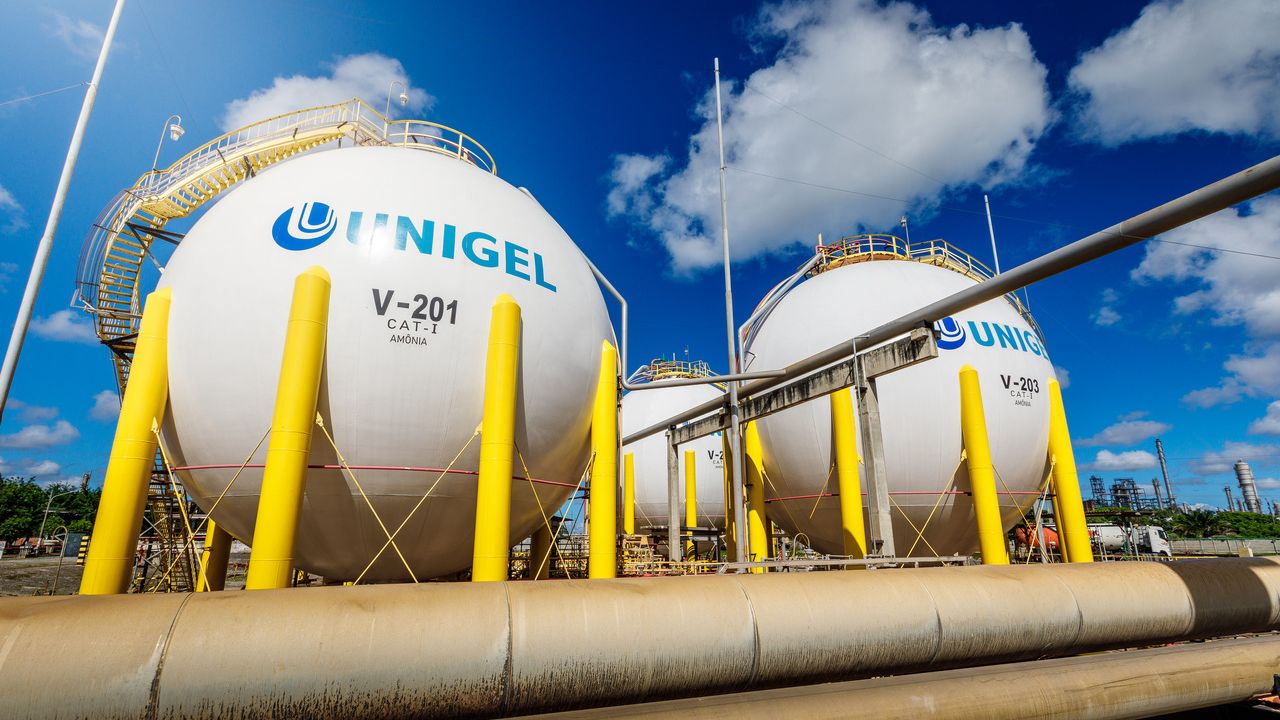
Unigel, a company working in the chemical sector, announced a billion-dollar investment for the construction of a new green hydrogen plant in Bahia, which promises to generate several new jobs.
This Wednesday (18), the Brazilian chemical industry Unigel announced an investment of up to US$ 1.9 billion in its complex in Bahia for the production of green hydrogen, which will be Brazil’s first industrial-scale facility for the product. Located in Camaçari, in the state of Bahia, the unit, which promises to generate hundreds of new jobs, is expected to have the first of three phases inaugurated by the end of this year.
Unigel’s Green Hydrogen Plant in Bahia Will Produce 10 Thousand Tons Per Year
After the first phase, the unit will expand its production capacity, eventually reaching about 100 thousand tons of green hydrogen, or 600 thousand tons of green ammonia, one of its derivatives, by 2027.
The first phase of Unigel’s project was announced in mid-last year, with an investment of US$ 120 million and a production capacity of 10 thousand tons per year of green hydrogen and 60 thousand tons per year of green ammonia.
-
Chinese giant worth nearly R$ 4 billion that manufactures cables for electric cars, solar energy, and robotics wants to open a factory in SC.

-
Many employers do not know, but the law guarantees domestic workers a 25% increase in salary during trips, 50% for overtime, 20% for night shifts, and 17 additional benefits that can lead to labor lawsuits if not paid.

-
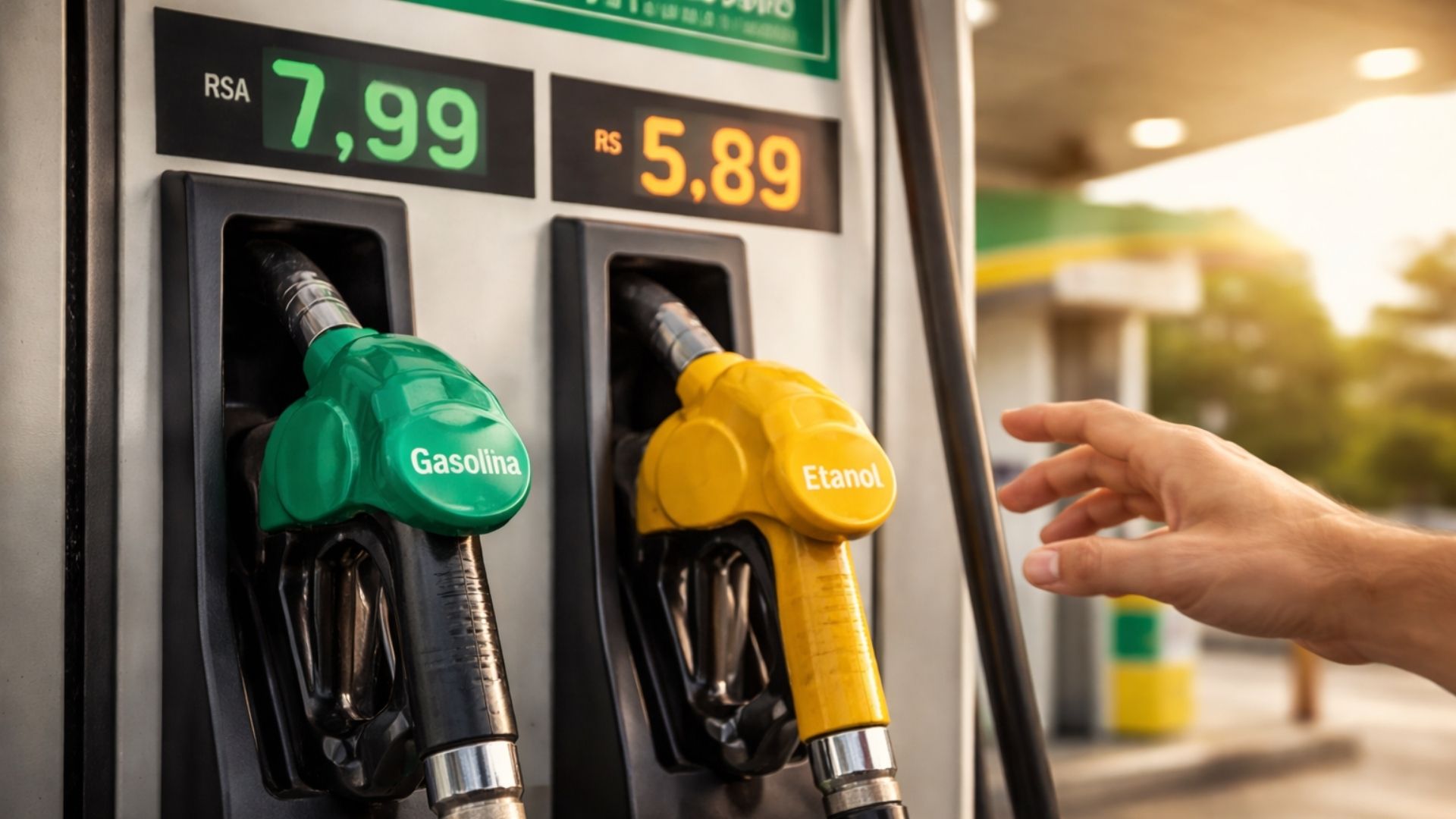
Gasoline prices soar and the question arises: is ethanol more advantageous? The 70% rule reveals the limit with gasoline.
-
The government has made a decision and is starting a test with more ethanol in gasoline, anticipating a mixture of up to 35%, diesel with 25% biodiesel, and a study to assess the impacts on engines.

Hydrogen can be used as an input in industries such as steelmaking and oil refining and can also be used as fuel for vehicles. Ammonia can also be employed as fuel for bulk carriers and in the production of acrylics and fertilizers.
However, unlike conventional production, where the input is natural gas steam, green hydrogen is obtained through the conversion of energy from wind or solar sources, using electrolyzers that will be supplied by Thyssenkrupp Nucera, from Europe. Part of the energy to be used in production will come from the wind energy generated by Casa dos Ventos, a company with which Unigel signed a billion-dollar contract in 2021.
Unigel’s New Plant in Bahia Aims to Meet External Demand
Roberto Noronha Santos, president of Unigel, states that initially, a large part of the new plant’s production, which aims to generate several new jobs, will be sent to customers abroad, considering the growing demand from regions such as Europe for products that completely eliminate or reduce CO2 emissions, as is the case with green hydrogen.
Santos emphasizes that Unigel already operates one of the only two ammonia terminals in the country, at the port of Aratu, in Bahia. In addition, it has access to infrastructure and energy sources in the Camaçari Hub. According to Luiz Felipe Fustaino, the executive director of Unigel, the company is evaluating options to raise funds for the second and third phases of the project, which promises to generate several jobs. This may include joint ventures and an initial public offering (IPO).
Unigel even attempted a debut on the São Paulo stock exchange in August 2021 but withdrew due to adverse market conditions. However, it obtained the registration of a publicly traded company, and after recent regulatory changes implemented by the Securities and Exchange Commission (CVM), it will be able to sell shares using a more agile process than in the past. However, Fustaino stresses that this is still an option under consideration.
Projects Worldwide Focus on the Green Hydrogen Market
Besides Unigel’s plant in Bahia, which promises to generate several jobs, there are other pilot projects for green hydrogen production in Brazil, in Rio de Janeiro and another in Ceará, both in an experimental phase. The urgency to combat global warming has led to a race for decarbonization projects.
Earlier this month, India approved a US$ 2.1 billion incentive plan to generate green hydrogen, aiming to produce 5 million tons of clean fuel by 2030. In December, Egypt granted a license for a green ammonia project with a capacity of 1 million tons per year, with an investment of US$ 5.5 billion.







Seja o primeiro a reagir!