





 Portuguese
  English
  Spanish
 4 min of reading
  0 comments


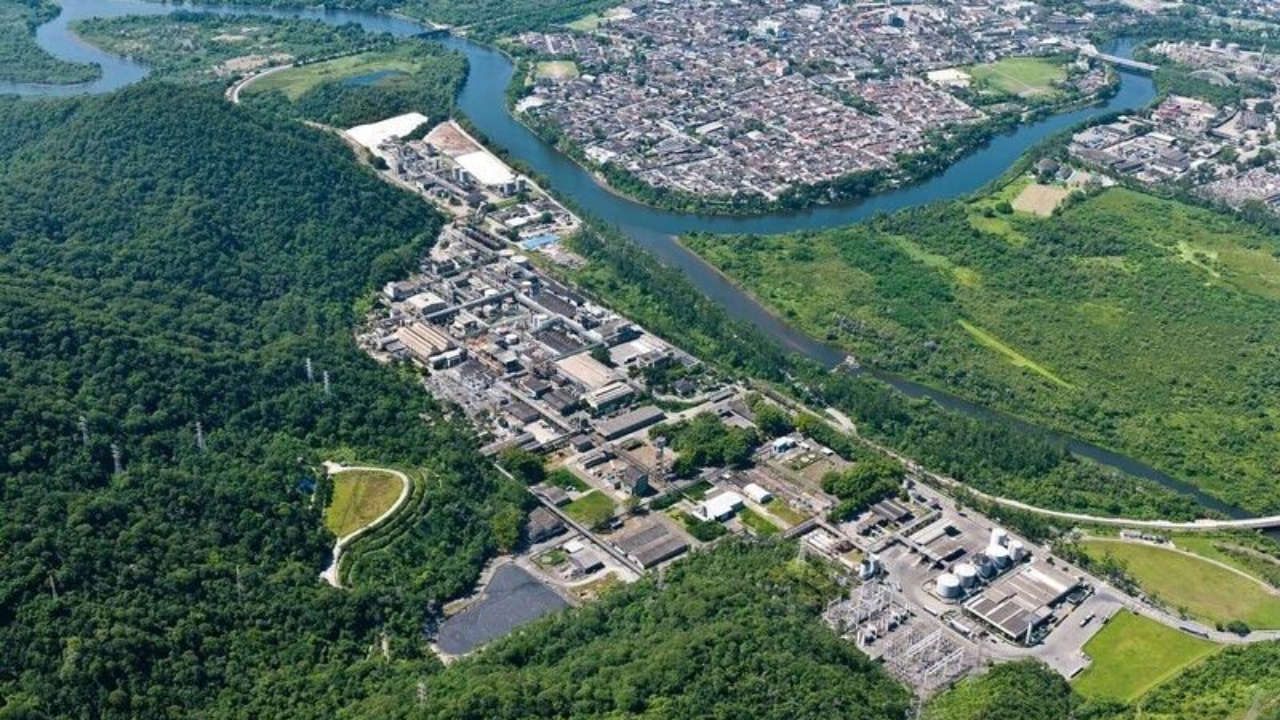
Unipar Launches Modernized Operation in Cubatão After Investing R$ 1 Billion, Eliminates Mercury, Increases Efficiency, and Reinforces the Use of Renewable Energies in Industrial Production.
Unipar has put into operation the Cubatão plant in São Paulo, after completing a comprehensive technological modernization process. The project, which received investments exceeding R$ 1 billion, marks a new chapter in the company’s history and strengthens its sustainable growth strategy. The initiative repositions the company among the most advanced in the world in the production of chlorine and caustic soda, while also increasing the use of renewable energies and reducing environmental impacts.
In addition, the unit now operates with technologies aligned to the best international practices, reinforcing the company’s commitment to efficiency, competitiveness, and social and environmental responsibility.
Technological Transition Eliminates Mercury and Diaphragm
One of the main advances of the project was the complete replacement of mercury and diaphragm-based technologies. The Cubatão plant now operates exclusively with membrane cells, currently considered the most efficient and safest method for chlorine production.
-
Claro operator reveals a silent change with hundreds of clean energy plants and shows how sustainability is impacting over 80% of its operations in Brazil.
-
Billion-dollar strategic alliance: Brazil and China join forces in infrastructure and technology projects to lead the creation of a global green corridor in the energy transition.
-
Research reveals that the vast majority of national consumers are not willing to pay more for renewable energy despite their support for sustainability.
-
Renewable energy advances globally with Asia taking the lead; Irena’s analysis indicates a strategic progress that drives the energy transition and reduces generation costs.
With this change, the unit becomes the largest membrane plant in South America. The migration represents a significant operational advancement, in addition to complying with the guidelines of the Minamata Convention, an international agreement that aims to eliminate the use of mercury in industrial processes.
“The completion of this phase represents much more than an investment — it is a decisive advance in efficiency for our operation. This project strengthens us, prepares us for the future, and reinforces our purpose of being reliable and creating value in all relationships, raising our standards of performance and sustainability,” said Unipar’s CEO.
Reduction of Emissions and Significant Environmental Gains
The technological modernization also brought significant environmental impacts. The new configuration of the plant will allow the reduction of around 70,000 tons of CO₂ emissions compared to the base year of 2020. This result is directly related to the decrease of approximately 40% in specific energy consumption, both thermal and electrical, for each ton of chlorine produced.
Considering the total energy consumption of the unit, the reduction reaches 18%. In addition, the initiative eliminates around 150 tonnes of industrial waste annually, contributing to a cleaner and more efficient operation.
Another central point of the project lies in the energy matrix used by the unit. The Cubatão plant is supplied by renewable energies generated by Unipar’s own self-production. Two strategic ventures ensure the supply of clean electricity for the operation.
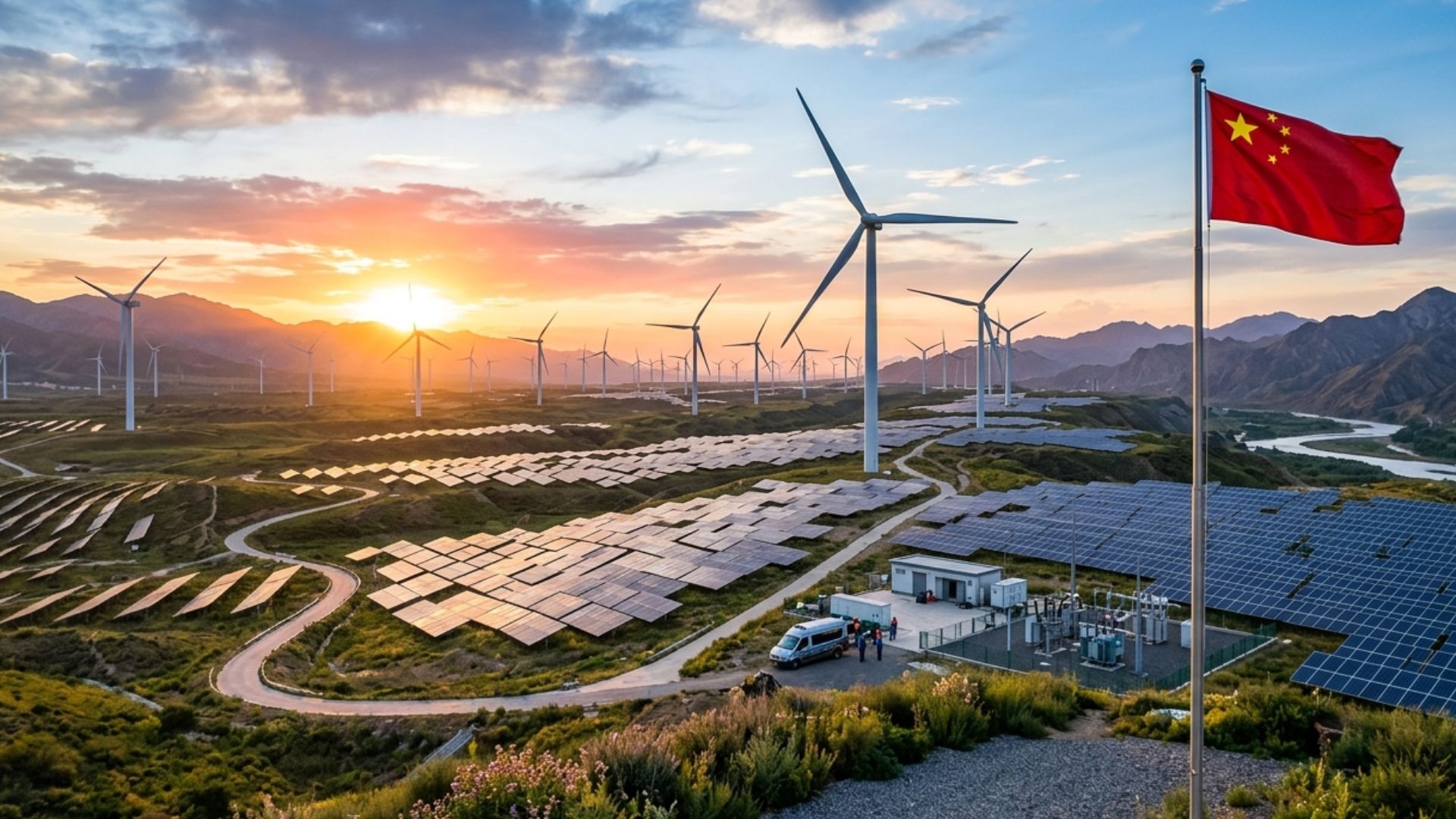
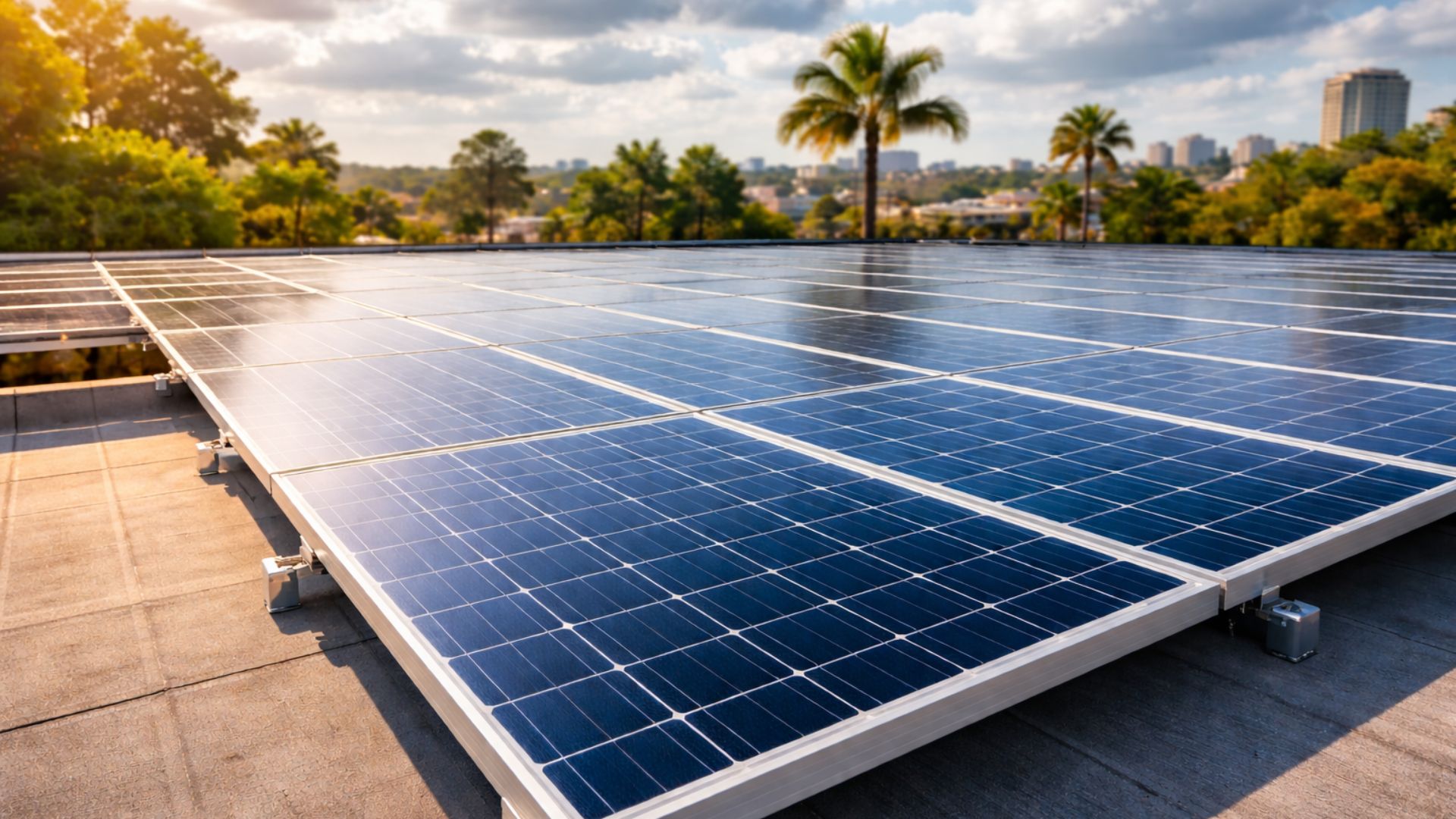
The Tucano Wind Complex, located in Bahia, has 69 MW contracted. Meanwhile, the Lar do Sol Solar Park, in Minas Gerais, has a total of 49 MW contracted. Together, these sources ensure wind and solar energy for the São Paulo plant, reducing dependence on fossil sources and reinforcing the transition to a low-carbon economy.
With the use of these renewable sources, the operation in Cubatão also facilitates the generation of green hydrogen, used directly in the production process. This element further aligns the plant with sustainable industrial practices.
ESG Strategy Guides Company Decisions
The modernization of the Cubatão unit is presented by Unipar as a milestone within its ESG agenda. For Rodrigo Cannaval, the company’s CEO, the project demonstrates that economic growth and environmental responsibility can go hand in hand.
“The technological modernization of Unipar’s Cubatão plant reinforces our sustainable growth strategy, competitiveness, and commitment to the ESG pillars. The project is a milestone in the transition to low-carbon technologies, demonstrating that economic growth, competitiveness, and social and environmental responsibility go together.”
In this context, the intensive use of renewable energies becomes a structural pillar of the company’s industrial operation.
In addition to the environmental gains, the project directly impacts Unipar’s competitiveness. The new plant reduces fixed and variable costs, increases operational efficiency, and allows for an increase of up to 5% in product delivery without altering the installed nominal capacity.
With the completion of the modernization, the Cubatão plant now achieves 100% chlorine production through membrane cells. In total, 210,000 equivalent annual tons have been migrated to the more sustainable method.
This advancement consolidates the unit as an industrial reference in South America and strengthens Unipar’s strategy to generate value from technological innovation, energy efficiency, and the increased use of renewable energies in its operations.





Seja o primeiro a reagir!