





 Portuguese
  English
  Spanish
  5 min of reading
  0 comments


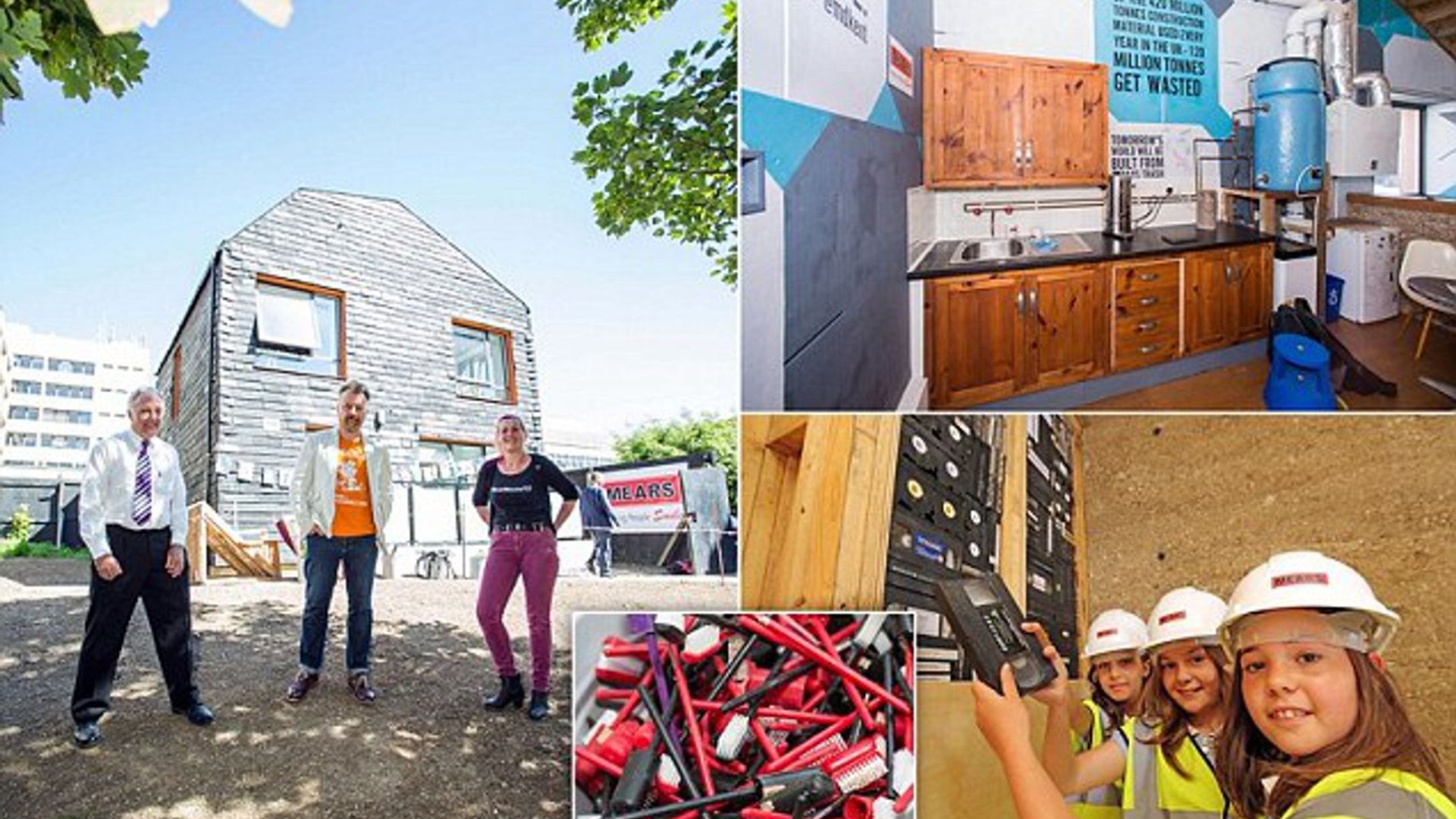
University Project in the United Kingdom Turns Everyday Waste into Construction Materials and Exposes the Interior of Walls as an Educational Display.
Toothbrushes, denim scraps, and VHS tapes were incorporated into a real construction to test performance and reuse.
The experiment became a reference in circular economy in construction and attracted international attention.
Brighton Waste House and the Experiment with Waste on Campus
A house with a common appearance, built within a university campus in the United Kingdom, was designed to show what happens when household waste and construction leftovers cease to be trash and start to function as components of a real construction.
Inside the walls, thousands of discarded objects — including around 20,000 toothbrushes, two tons of denim scraps, and approximately 4,000 VHS tapes — were incorporated as part of the insulation and filling system, in a project that the institution itself presents as a space for teaching and testing reused materials.
-
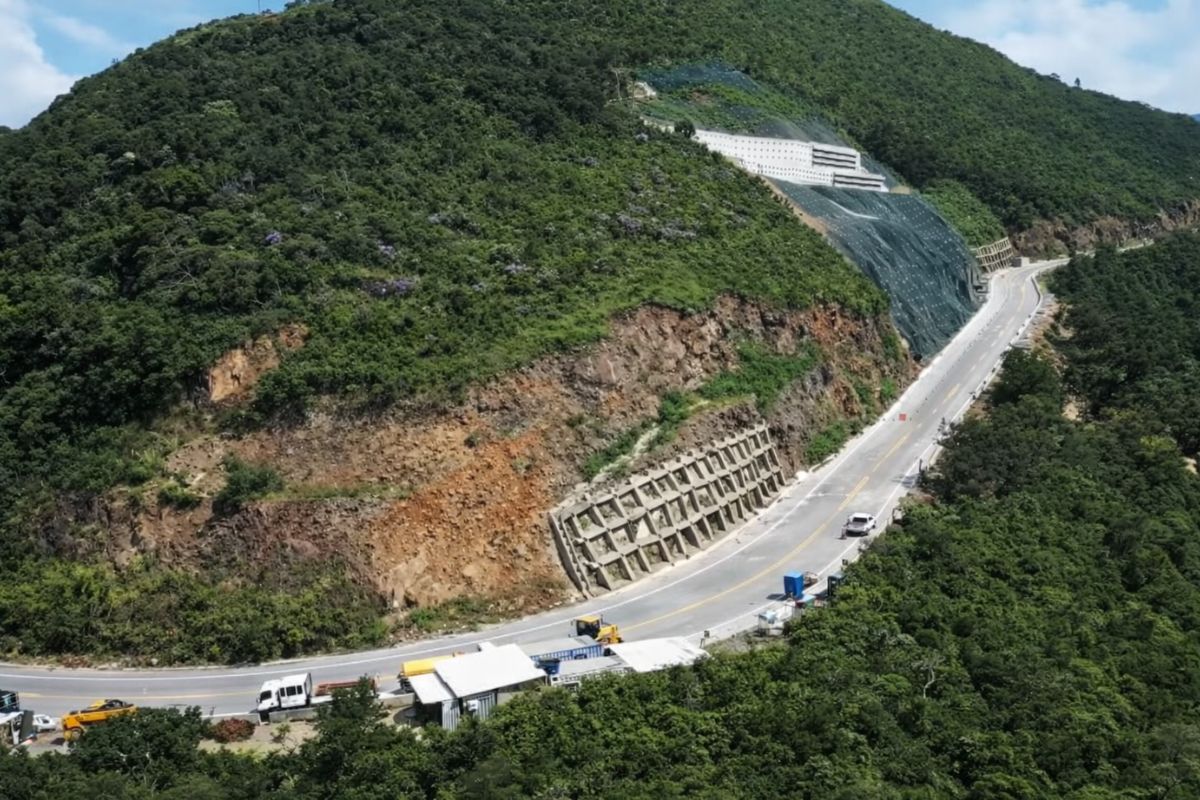
The section of Serra da Rocinha on BR-285 is now open in Timbé do Sul: 50 m tensioned curtains and top-down technique stabilize the slope, with a stairway duct controlling the water.
-
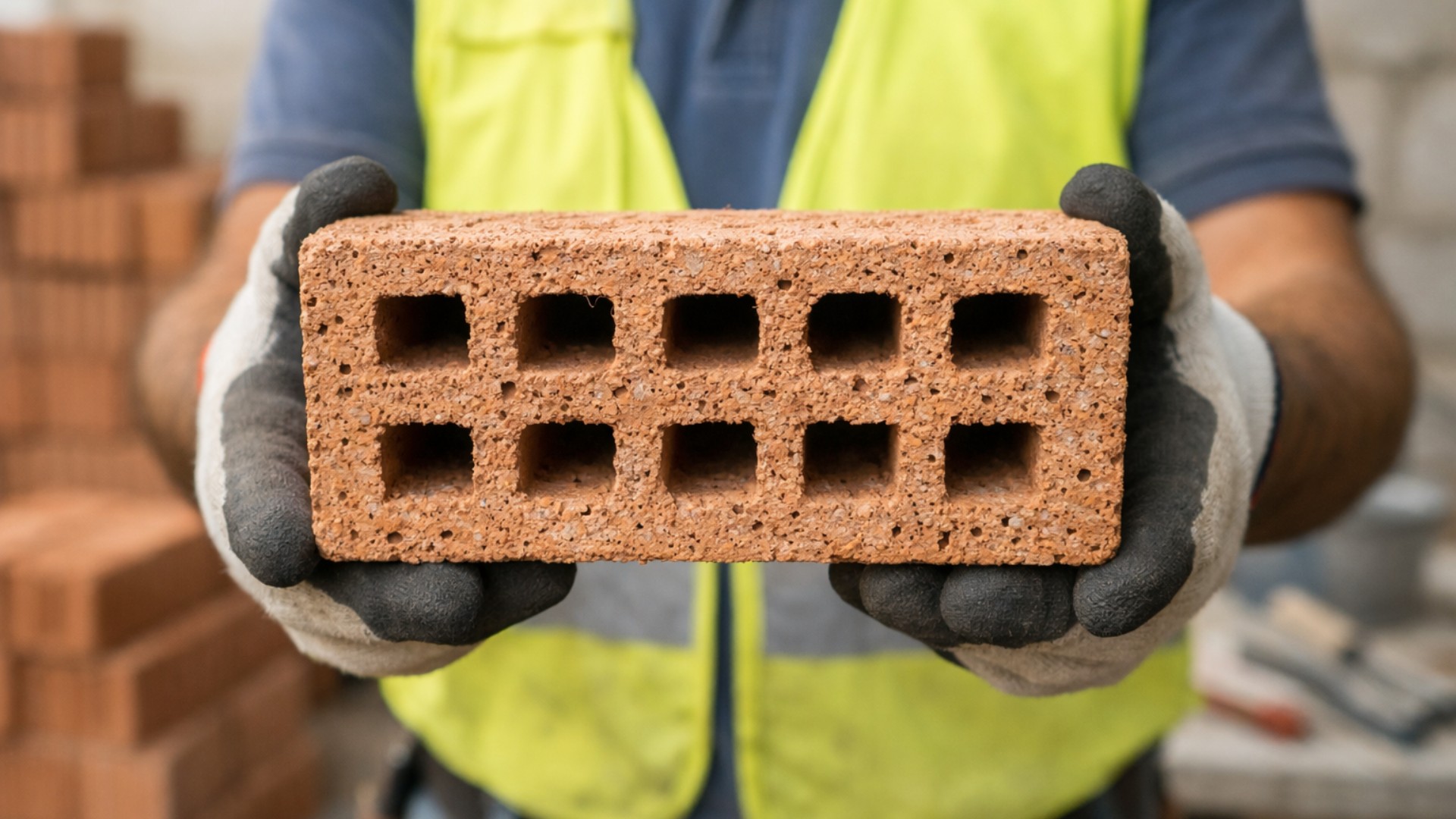
Scientists use sawdust mixed with clay to create a lighter brick, promising efficient thermal insulation and impressing by transforming waste into a solution for construction.
-
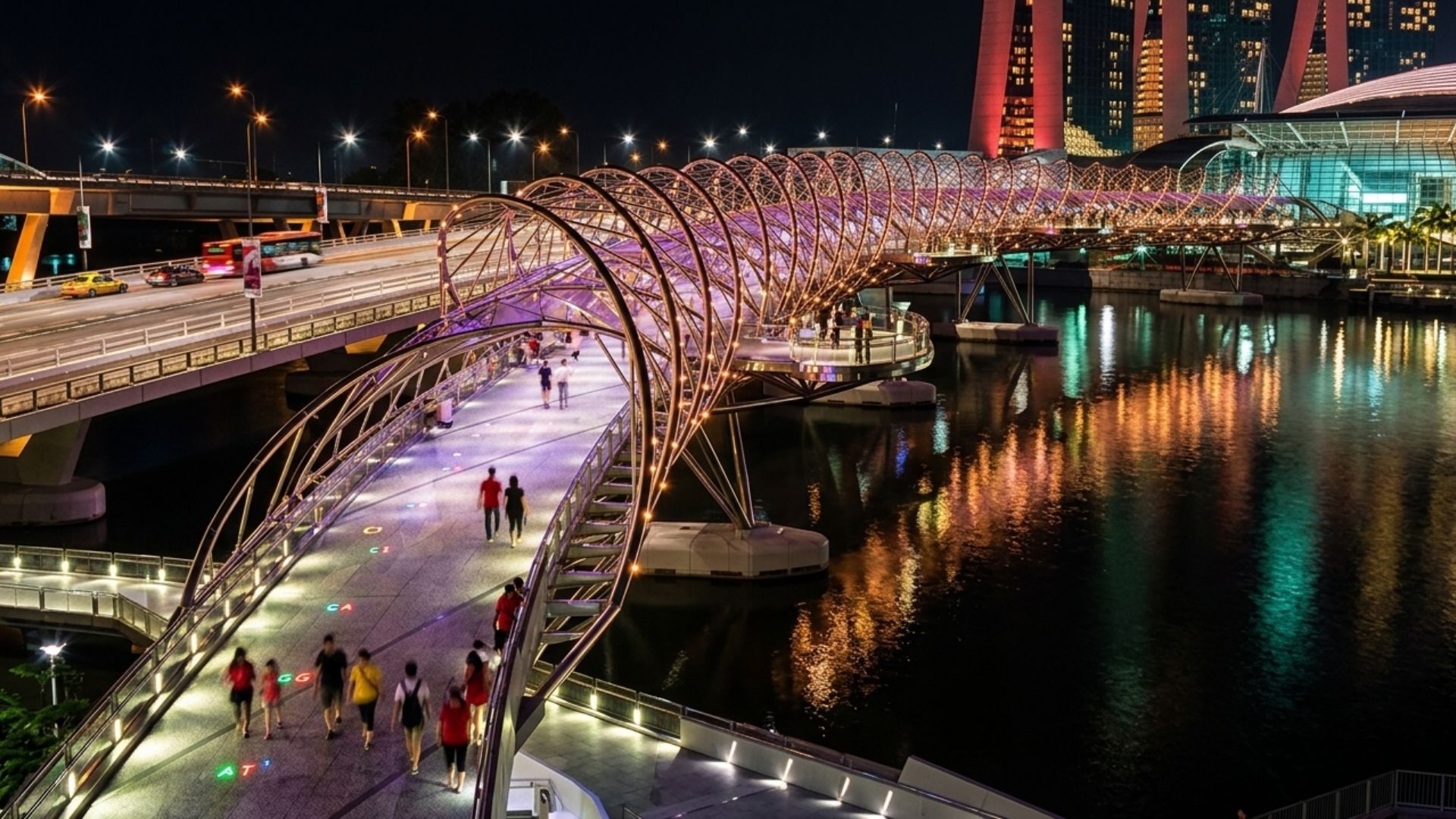
With a DNA shape, this bridge in Singapore draws attention in modern architecture and surprises tourists by transforming a simple crossing into an unforgettable visual experience in the urban heart.
-
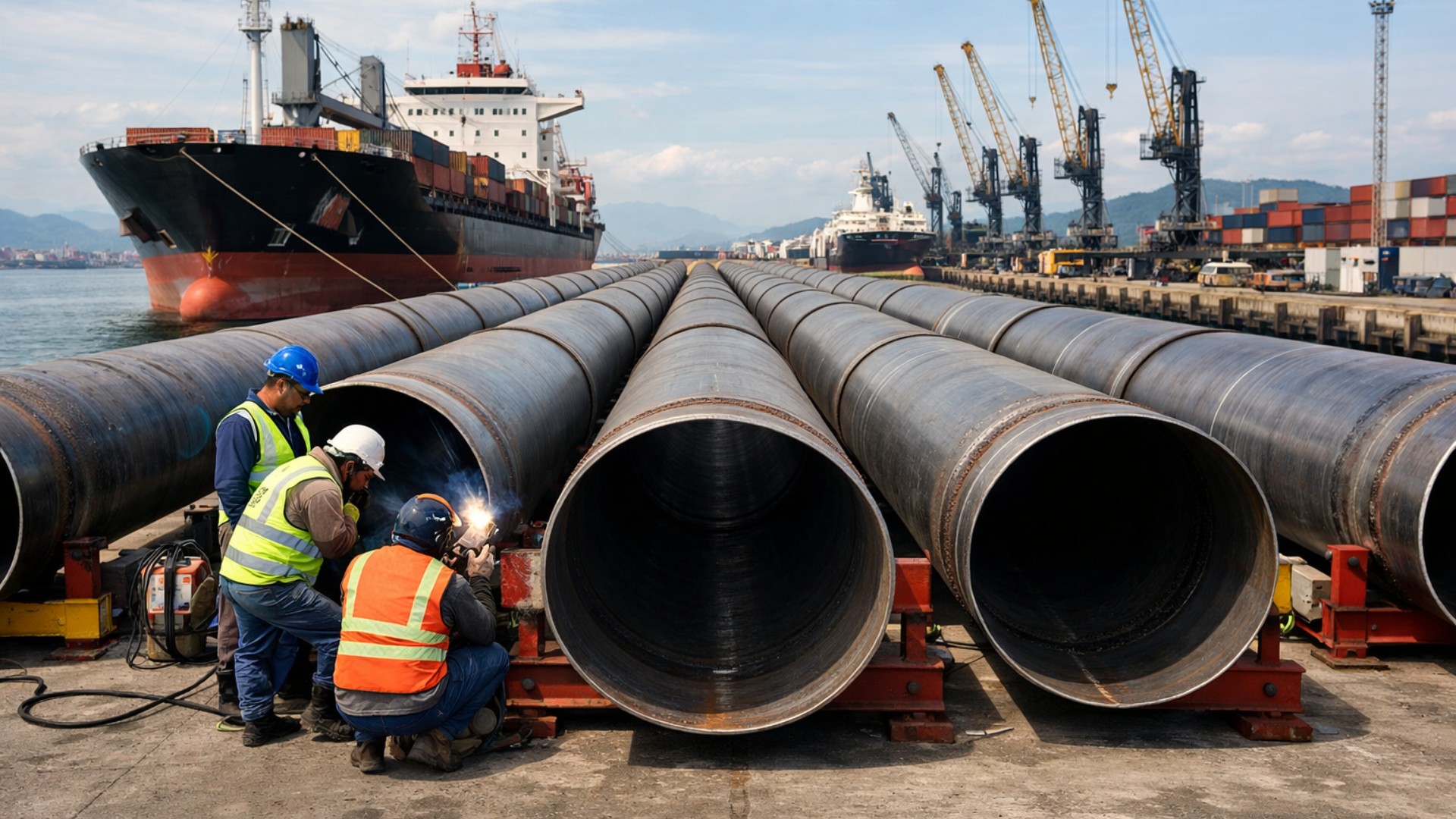
Giant underwater pipeline begins to take shape with a R$ 134.7 million project at the Port of Santos: the 1.7 km structure uses 12-meter and 700 mm pipes to supply water to 450,000 people in Guarujá.

The building is known as Brighton Waste House and is located at the University of Brighton, where it is described as a “house of waste” in the literal sense: the university claims that over 85% of what was used in the construction fit as discarded material, destined for landfill or incineration.
The proposal is not just demonstrative.
The central idea is to observe the performance of these items in a permanent structure, subjected to daily use and climate variations, in a way comparable to any other educational building.
Walls with “Peepholes” Make the Structure Visible
Instead of hiding the experiment, the project was designed to make it visible.
The university describes the presence of “peepholes”, small openings that allow a view, behind the finish, of the internal layers of the construction and some of the waste used there.

This choice transforms the property into a kind of educational showcase, where visitors can identify what, in traditional constructions, would remain permanently hidden.
Numbers and Reused Materials That Entered the Construction
The numbers cited by the University of Brighton help to size the unusualness of the method.
In addition to 4,000 VHS tapes, the institution also lists thousands of media and plastic items that were placed inside cavities and panels, such as 4,000 DVD cases and 2,000 floppy disks, alongside 2,000 reused carpet tiles in the external cladding and hundreds of bicycle inner tubes used in parts of the insulation and sealing.
The set was designed to place “undervalued” materials under observation, creating a practical reference for discussions on circular economy and sustainable design.
Architect, Students, and the Goal of Testing Performance in Practice
The project is attributed to architect Duncan Baker-Brown, presented by the university itself as an academic of the institution and responsible for the design of the laboratory building.
In institutional communications, the University of Brighton describes the construction as an experiment with the participation of construction students and external organizations, also incorporating waste from the construction sector, reclaimed wood, and other materials recovered from waste streams.
The declared intention was to apply, in a real-use building, what normally appears only in small prototypes, isolated research, or targeted recycling initiatives.
Toothbrushes and Quick Disposal Enter the Debate on Plastic Waste
The presence of toothbrushes, which has become one of the most cited elements when discussing the Waste House, has an explanation that reinforces the character of “rescue” of materials that would be quickly discarded.
The British newspaper The Guardian reported that the 20,000 units were obtained from a company that cleans aircraft after long-haul flights, using brushes discarded after a single use by passengers.

By bringing this type of waste into a construction context, the project highlights the amount generated by everyday habits and the difficulty of disposing of certain plastics through conventional recycling.
Jeans and VHS Tapes Become Part of a “Test-Bed” for Sustainable Solutions
The same logic applies to the use of VHS tapes and denim.
Instead of being treated as improvised “filler,” these items were integrated into the idea of testing insulation properties in cavities and panels, something noted by The Guardian when describing the building as a “test-bed” for solutions associated with windows, solar panels, insulation, and construction materials.
The university, in turn, details that part of the VHS tapes was installed in specific cavities, indicating that the internal distribution was planned, not random.
Permanent Building and Opening to the Public as an Institutional Mark
Although it is often promoted as “the first house of its kind,” the University of Brighton itself frames the work as a permanent building made “almost entirely” of waste, not as a temporary structure.
In institutional material from 2014, the university announced the opening of the building to the public and described the project as a landmark in the country for bringing together, in a real construction, a majority share of reused materials.
Beyond the visual impact, the argument is that the experience provides data and learning for students and professionals on how waste can behave when used in a construction system, instead of remaining as symbolic pieces in exhibitions.
Circular Economy and Connection with Local Sustainability Plan

The building has also been linked to local discussions on urban sustainability.
The page “Building the future,” maintained by the University of Brighton, describes the Waste House as a case study associated with the One Planet Living Action Plan of the Brighton & Hove City Council, a municipal plan aimed at sustainability practices.
In the same material, the university points out that the space has an educational function and has been used as a base for debates and academic activities, including references to the master’s program in Sustainable Design, as well as recording visits from students and extensive international coverage over time.
Updates and New Waste Incorporated Over Time
The project has undergone updates and incorporations of new waste over the years, reinforcing the logic of an evolving laboratory.
In 2018, the university reported that the building received a “makeover,” with the addition of items such as old dorm quilts used as insulation and even discarded oyster shells from a local restaurant, crushed and reused in making cladding pieces in combination with waste aggregates from a local urban development.
The change maintains the same principle: removing materials from a likely landfill destination and converting them into components with a defined function within the building.
By moving common waste into an accessible and observable construction, the Waste House transforms the question “where does what is thrown away go?” into a physical demonstration, with walls that simultaneously bear architectural function and environmental narrative.
If toothbrushes, jeans, and VHS tapes can occupy a measurable place within a university building and become study material, what still prevents more everyday waste from being reused methodically and safely in civil construction?







-

Uma pessoa reagiu a isso.