





 Portuguese
  English
  Spanish
  3 min of reading
  0 comments


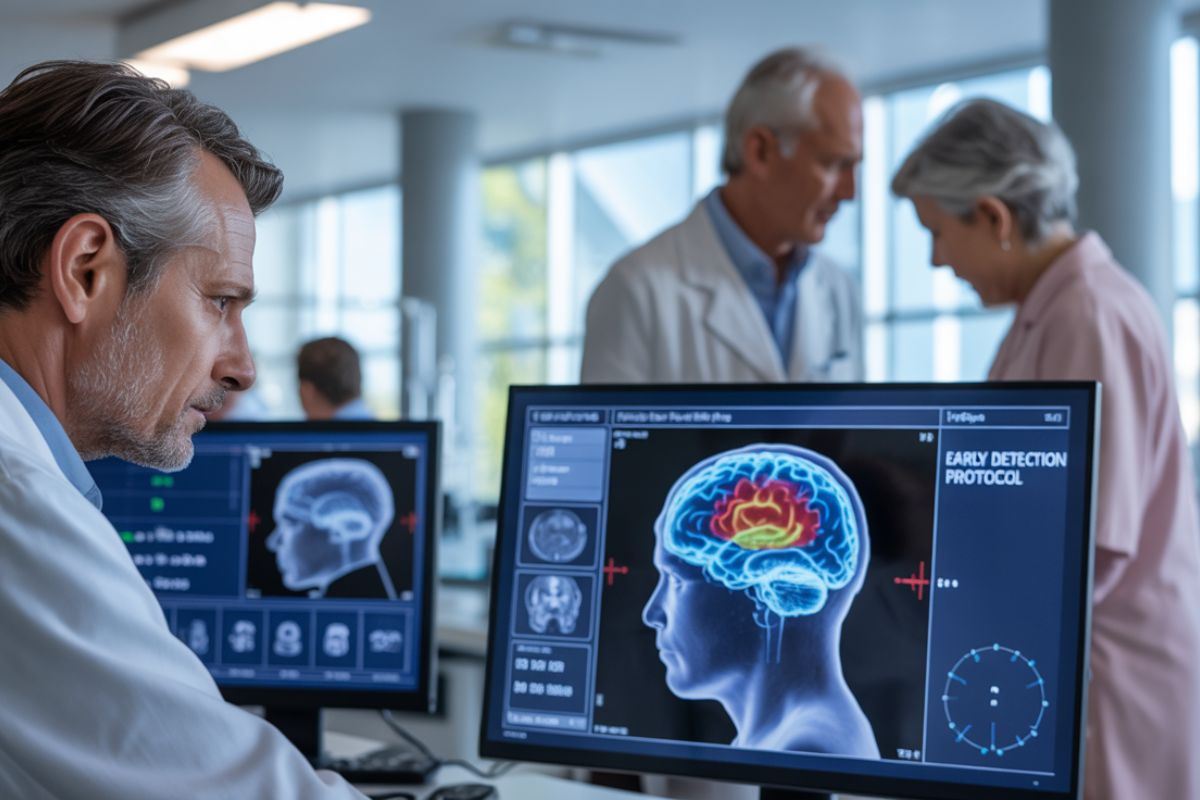
New Technology, Three Times More Accurate Than Traditional Methods, Identified Which Patients an Experimental Drug Really Worked for, Opening a New Path in the Fight Against Dementia.
The research shows that AI can identify patients at risk of Alzheimer’s much more efficiently than current methods, making clinical trials faster and cheaper. The technology has already demonstrated its potential by re-evaluating a drug that had been deemed ineffective, proving that it actually worked for a specific group of patients.
According to a finding published in the prestigious scientific journal Nature, researchers at the University of Cambridge in the United Kingdom developed an artificial intelligence (AI) model that could change the future of dementia treatment. The new tool can identify with high precision which patients with mild cognitive impairment are at greater risk of developing Alzheimer’s, an advancement that could accelerate the search for effective medications.
How Did AI Manage to See What the Original Tests Did Not?
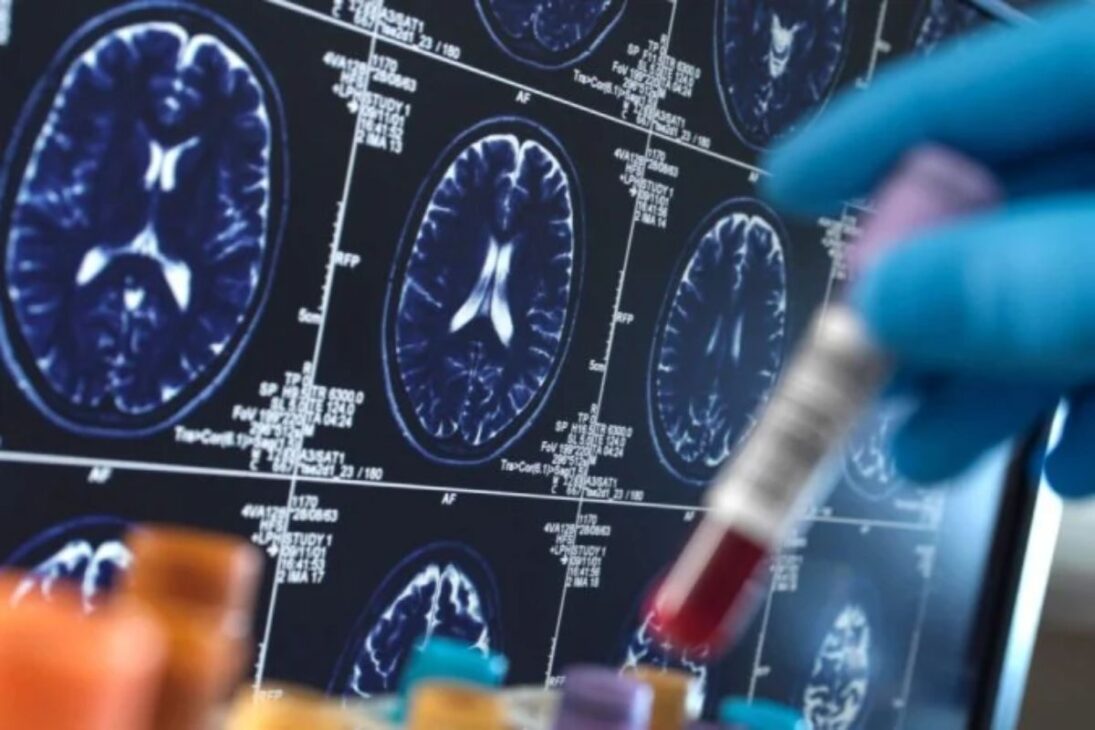
The study was based on reanalyzing data from a completed clinical trial. In the original analysis, the tested drug had not shown a significant effect in the total group of participants. However, by applying the new AI model, the researchers were able to separate patients into two subgroups: those with slow disease progression and those who progressed more rapidly.
-
How the terraforming of Mars can transform the planet: artificial aerosols can increase the temperature by up to 35°C in 15 years, creating conditions for liquid water.

-
Scientists drilled nearly 8,000 meters into the ocean floor above the fault that caused the 2011 tsunami in Japan and discovered that a layer of clay 130 million years old was responsible for making the wave much worse than any model had predicted.

-
Thousands of years after causing the largest eruption of the Holocene, one of the world’s largest supervolcanoes is rebuilding itself beneath the sea south of Japan, receiving new magma and alarming scientists with its transformation.

-
China has activated a magnet 700,000 times more powerful than the Earth’s magnetic field that operates for over 200 consecutive hours while consuming little energy, and now the world wants to know what Beijing plans to do with this technology in 2026.

The result was surprising. In the group of patients with slow progression, the drug was able to slow cognitive decline by 46%. This effect only became visible because the AI can identify patients at risk of Alzheimer’s with three times more accuracy than traditional clinical methods, such as memory tests, blood tests, and MRIs.
“Connecting the Right Patients to the Right Drugs”
According to Professor Zoe Kourtzi from the Department of Psychology at the University of Cambridge and senior author of the study, the great strength of the AI model is helping to connect the “right patients to the right drugs.” With the tool, it is possible to create a score that estimates how quickly each patient may progress to Alzheimer’s.
“New promising drugs fail when they are given too late. With our model, we can accurately identify who may still benefit from treatment,” Kourtzi said. “This makes clinical trials faster, cheaper, and boosts the search for precision medicine in the treatment of dementia.”
The Impact on the Future of Treatments and Health Systems
The new approach can have direct effects on public health systems. Health Innovation East England, the innovation arm of the British healthcare system (NHS), is already supporting the clinical application of the technology. The idea is that by correctly identifying patients who will benefit from treatments, it will ensure faster access and targeted support, reducing pressure and costs on the system.
This is crucial because current treatments do not aim for a cure, but rather slow the progression of Alzheimer’s, preserving patients’ quality of life for longer. With the help of artificial intelligence, this goal could be one step closer.
The Urgency in the Fight Against Dementia

Dementia is one of the leading causes of death globally. The global cost of the condition is around R$ 7.2 trillion (US$ 1.3 trillion) per year, and the forecast is that the number of cases will triple by 2050.
Despite decades of research, the failure rate in developing drugs for the disease exceeds 95%. “We cannot wait another thirty years for effective treatments. AI can guide us to the right patients and accelerate the fight against these cruel diseases,” said Professor Kourtzi.
What do you think about the use of artificial intelligence to accelerate the discovery of new medical treatments?









-

Uma pessoa reagiu a isso.