





 Portuguese
  English
  Spanish
  7 min of reading
  0 comments


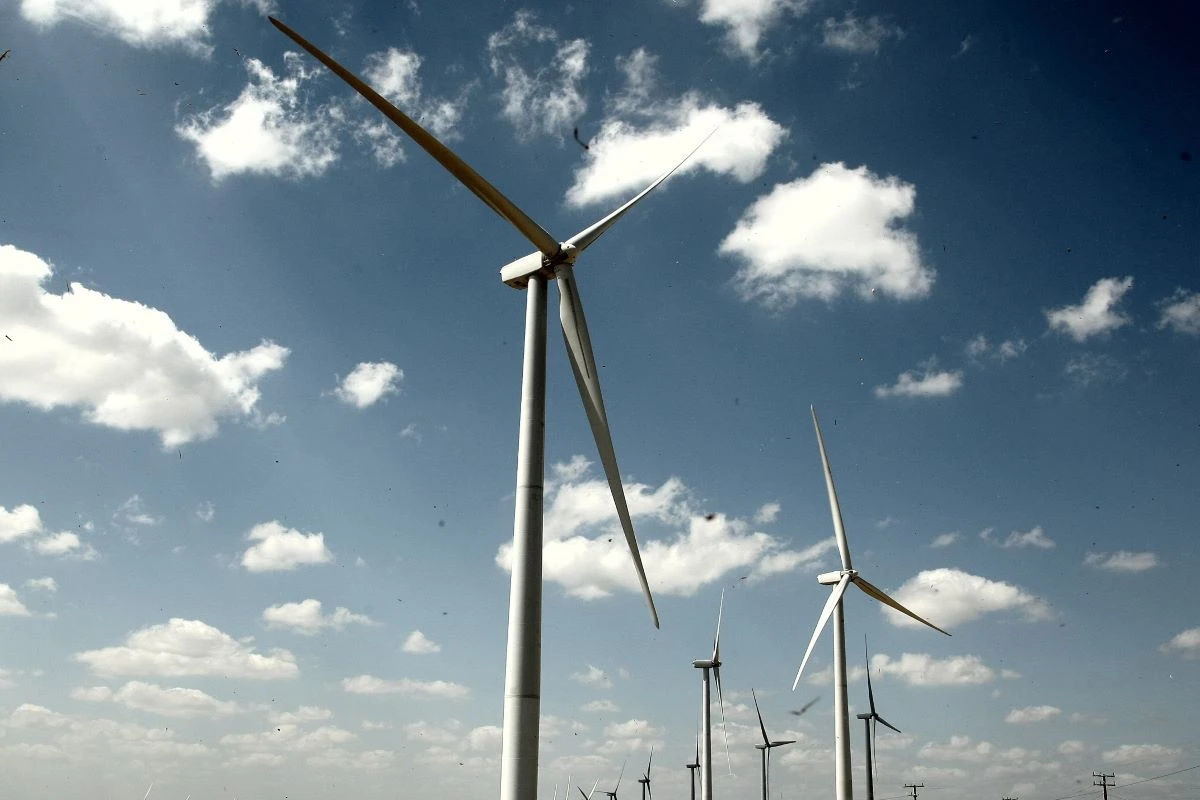
The environmental organization Greenpeace reinforces the need for robust public policies and financial incentives to accelerate wind energy production, highlighting Brazilian potential to replace fossil sources and reduce carbon emissions.
Greenpeace publicly advocates for the immediate expansion of investments in wind energy production as the main strategy to consolidate a clean energy matrix in Brazil. During recent debates with lawmakers and industry experts, the organization emphasized that the country has one of the best wind windows in the world, especially in the Northeast and South regions.
The entity argues that directing resources to wind farms, both onshore and offshore, ensures national energy security without harming the environment.
According to environmentalists, the federal government should prioritize funding for renewable projects over new auctions for gas or coal thermal plants. This transition not only combats climate change but also generates thousands of green jobs and reduces the cost of electricity bills for the end consumer in the long term.
-
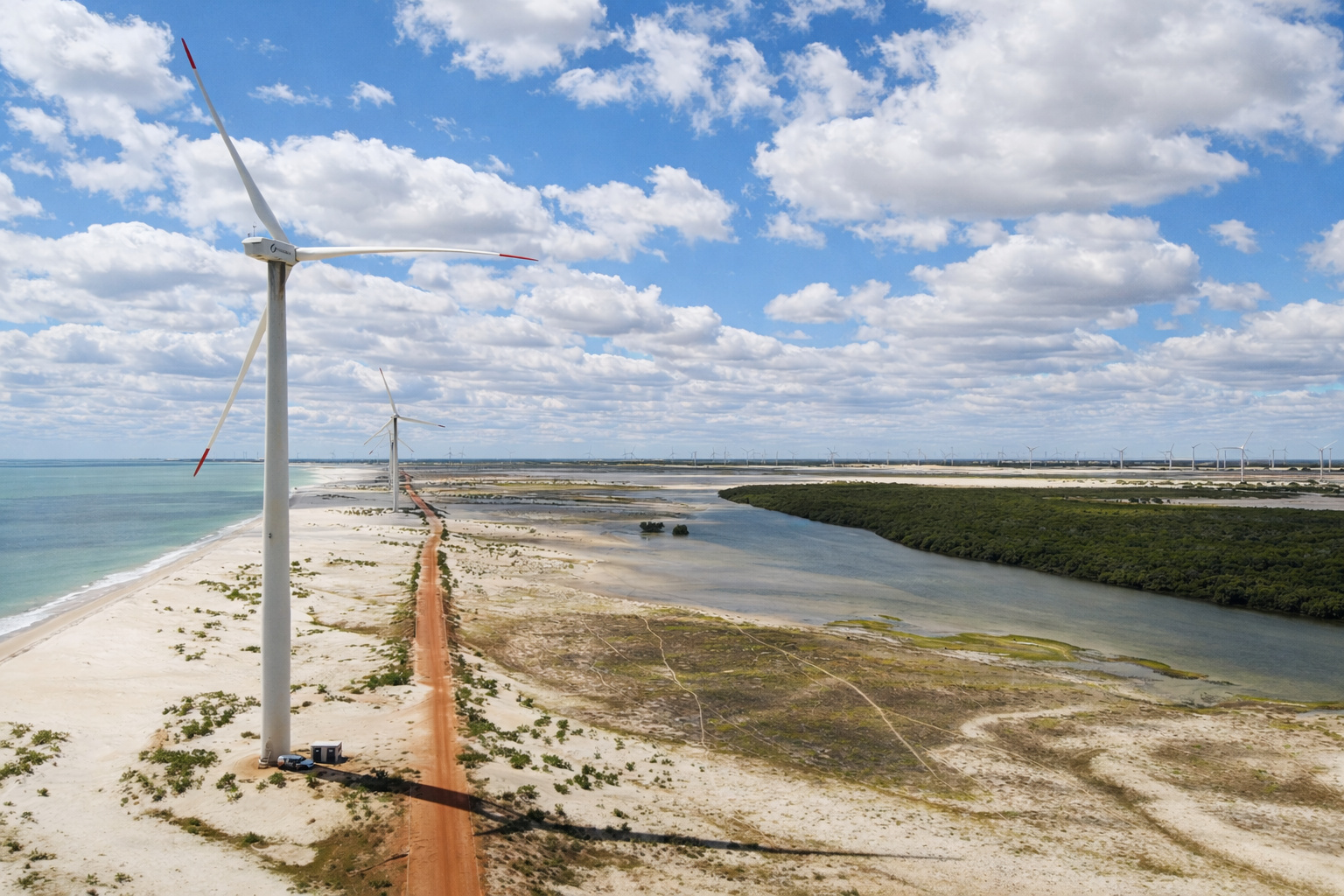
Conflict in the Sertão: Rural communities in Rio Grande do Norte report issues with wind farms and the new challenges of clean energy in the semi-arid region.
-
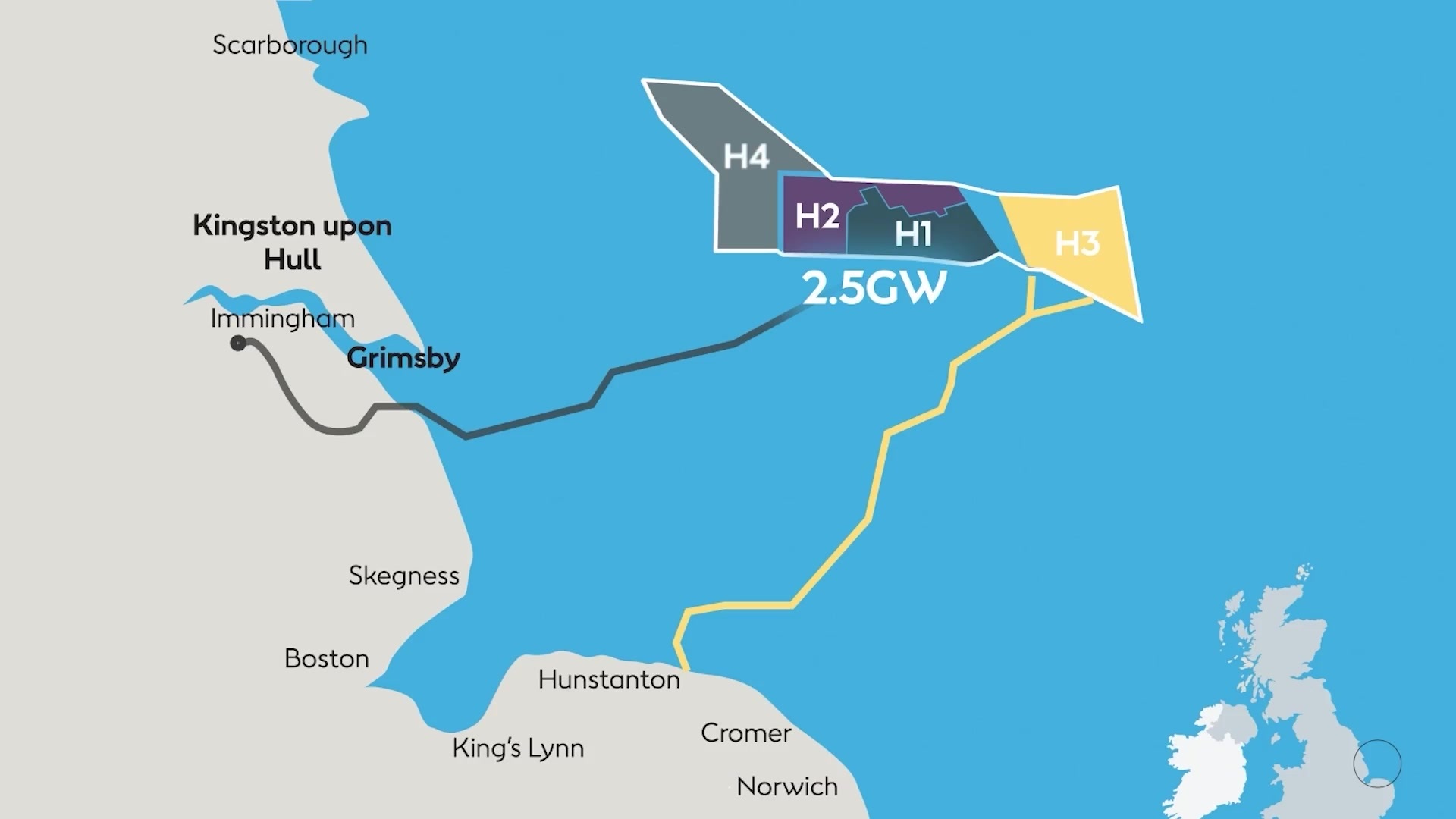
231 turbines of 260 meters at 160 km from the coast, monopiles weighing as much as nine blue whales embedded in the North Sea, and a crane ship taller than the Eiffel Tower: Hornsea 3 will be the largest offshore wind farm on the planet by 2027, and its first components have already arrived in England.
-
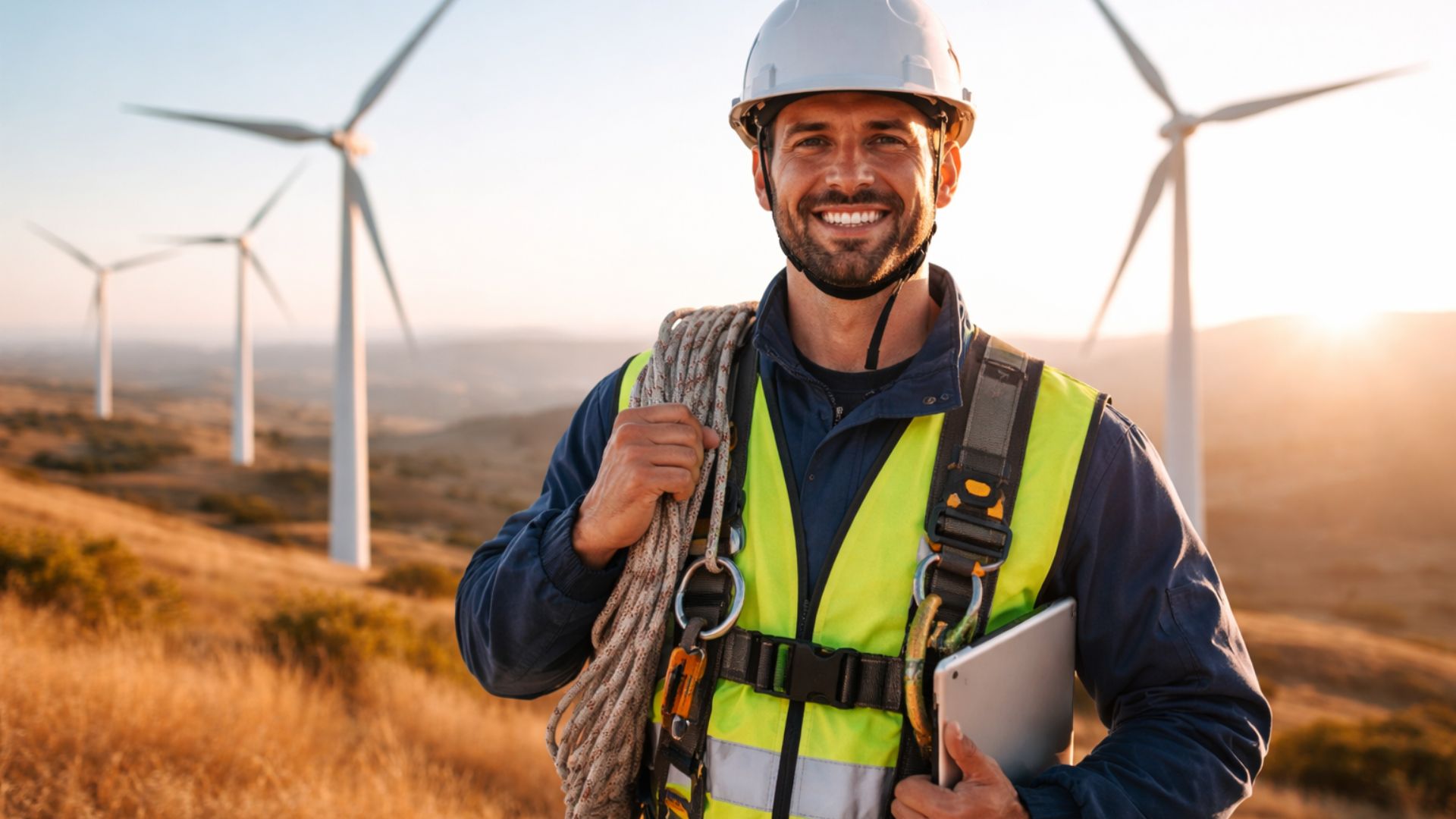
International Certification Puts Senai Norte on the Renewable Energy Map and Expands Access to Essential Training for Qualified Wind Power Professionals
-
The Winds of the Northeast Are in Foreign Hands: Nearly 70% of the Region’s Wind Farms Are Owned by International Companies, with France, China, and Italy Leading Investments in Wind Energy in Brazil
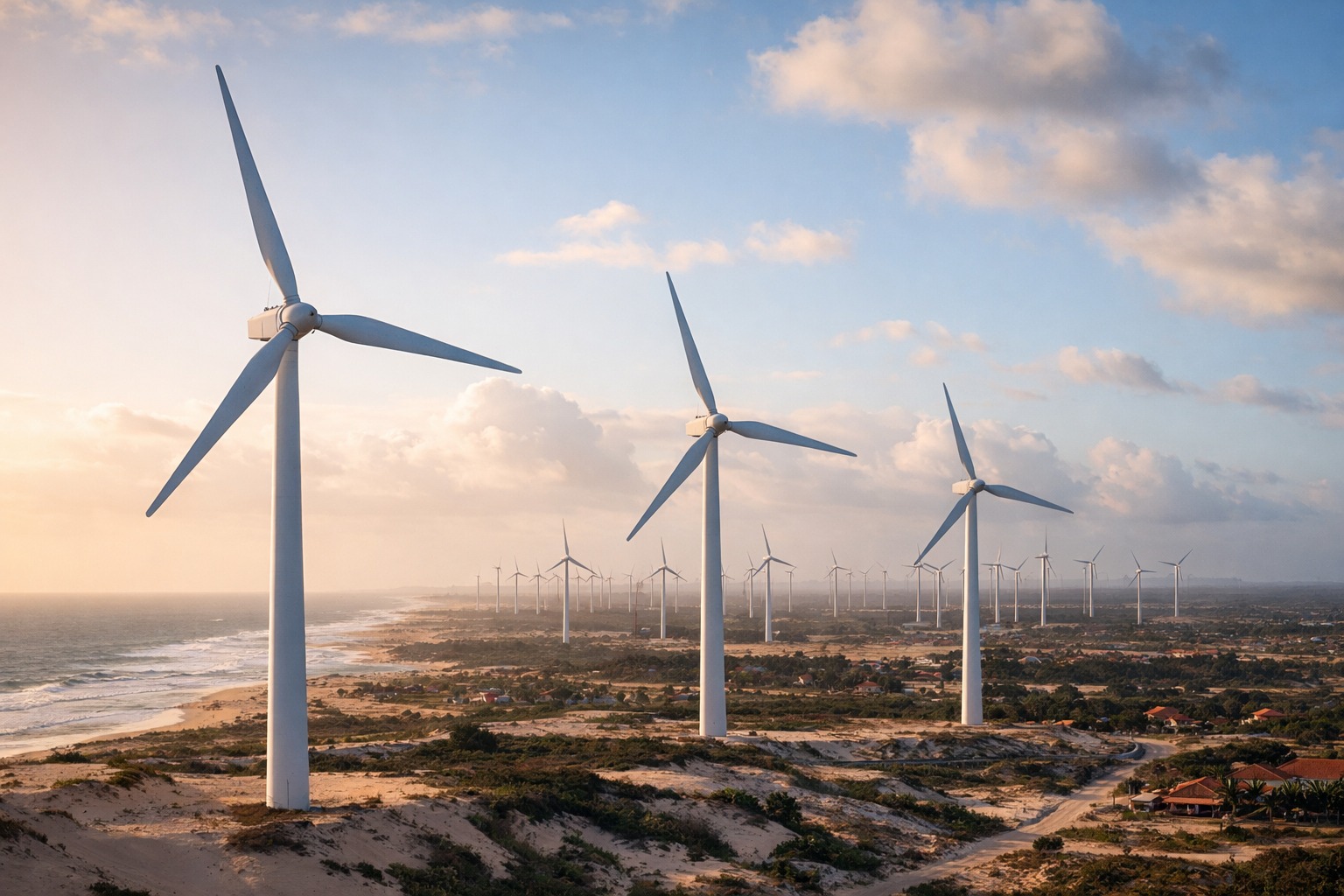

Brazil has the technology and technical capacity to manufacture most of the components of turbines domestically, which boosts regional industrialization and positions the country at the forefront of the low-carbon economy by 2026.
The potential of Brazilian winds and the vision of Greenpeace
Wind energy production in Brazil already represents a considerable share of the electricity consumed in the country, but Greenpeace claims that we are still only tapping a fraction of the total potential.
The organization uses technical data to show that the constancy and speed of Brazilian winds allow for a capacity factor higher than the global average. This means that the turbines installed here generate more energy per hour than similar equipment in Europe or the United States.
For Greenpeace, investment in this source should be seen as a matter of sovereignty. By harnessing the abundant natural resource, Brazil reduces its dependence on imported fuels and the instability of oil prices.
The entity suggests that the National Bank for Economic and Social Development (BNDES) create even more accessible credit lines for small and medium investors, democratizing energy generation through community wind farms and cooperatives.
Environmental and social advantages of wind energy production
The advocacy for wind energy production by Greenpeace is based on the low environmental footprint of this source. Unlike large hydropower plants, which require flooding vast areas and displacing riverside populations, wind turbines occupy minimal land area.

This allows rural producers to continue raising cattle or planting crops beneath the turbines, generating extra income by leasing the land to energy companies.
Additionally, the operation of wind farms does not consume water and does not emit polluting gases during electricity generation. Greenpeace emphasizes that wind energy helps preserve reservoirs of hydropower plants during dry periods, functioning as an ideal complement to the national electrical system.
From a social perspective, the installation of these parks in remote areas of the Northeast hinterland brings infrastructure, such as roads and communication networks, to communities that have historically suffered from economic isolation.
The challenge of infrastructure and energy storage
Although Greenpeace supports wind energy production, the organization acknowledges that the Brazilian electrical system needs modernization to absorb this growth. The intermittency of wind requires the country to invest in smart transmission networks and storage technologies, such as large-scale lithium batteries.
These solutions allow energy generated during the night, when the wind tends to be stronger but consumption is lower, to be used during peak hours.
The environmental organization proposes that the government encourage national research on batteries and green hydrogen. Green hydrogen, produced from the electrolysis of water using wind energy, can serve as clean fuel for heavy industries and maritime transport.
For Greenpeace, Brazil has the opportunity to export “stored energy” in the form of ammonia or hydrogen, transforming the power of the winds into a high-value commodity in the international market.
Offshore wind energy production: The new frontier advocated
One of the central points of Greenpeace’s agenda involves offshore wind energy production, that is, within the sea. The Brazilian coastline offers exceptional conditions for the installation of fixed or floating turbines in shallow waters.
The organization advocates that the National Congress expedite the regulation of this sector to attract large global investors who are already successfully operating in the North Sea. Offshore wind farms have much larger and more powerful turbines than onshore ones, capable of generating enough energy to supply entire metropolises.
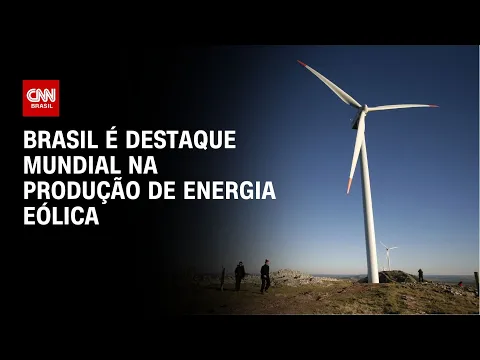

However, Greenpeace warns that environmental licensing must be rigorous to protect marine biodiversity and the migratory routes of birds and mammals. The entity believes that with adequate marine spatial planning, Brazil can reconcile large-scale energy generation with ocean preservation and artisanal fishing.
Impact on electricity bills and savings for consumers
Wind energy production is currently among the cheapest sources of electricity in Brazil. Greenpeace uses this argument to combat the construction of new gas thermal plants, which increase electricity bills due to fuel costs and tariff flags.
According to the organization, the more wind there is in the matrix, the less the need to activate expensive and polluting plants, resulting in a more stable and fair tariff for Brazilian families.
The environmental entity conducts informative campaigns to show that the energy transition is not only an ethical choice but a logical economic decision. Investing in wind means protecting the purchasing power of citizens, as wind energy is not affected by fluctuations in the price of the dollar or oil.
Greenpeace advocates that the subsidies currently benefiting fossil fuels be redirected to further lower the installation costs of wind turbines throughout the national territory.
National manufacturing of components and job creation
The expansion of wind energy production drives a gigantic industrial chain in Brazil. The country already manufactures wind blades, steel or concrete towers, and highly complex generators.
The Greenpeace emphasizes that strengthening this sector means creating highly skilled jobs in the interior of the country. Engineers, maintenance technicians, logistics specialists, and construction workers find in the wind sector a solid and well-paid career opportunity.
The organization encourages the Brazilian government to require a minimum percentage of local content in large energy auctions. This ensures that the invested capital circulates within the national economy, strengthening the base industry and promoting technological development.
Greenpeace believes that Brazil can become an exporter of wind technology to other countries in Latin America and Africa, consolidating its regional leadership in the green economy.
Curiosities and facts about wind energy
Many people do not know, but wind energy production is one of the technologies that has evolved the most in recent decades. Modern turbines have artificial intelligence sensors that adjust the angle of the blades in milliseconds to capture the best gust of wind.
Some wind blades produced in Brazil exceed 80 meters in length, which requires monumental logistical operations for transportation by roads and mountains.
Greenpeace also highlights that wind energy is “silent” compared to traditional industries. At a distance of 300 meters, the sound of a modern wind turbine is equivalent to the noise of a household air conditioner.

Another interesting fact is that the energy payback time of a turbine, the time it takes to generate the same amount of energy spent in its manufacturing, is only six months. After this period, the turbine generates completely clean energy for more than 20 or 25 years.
The role of civil society and pressure for green policies
Greenpeace calls on civil society to pressure the government for more investments in wind energy production. The organization believes that popular pressure is essential for Brazil to meet its goals under the Paris Agreement and lead by example.
Through petitions, dialogues with communities, and monitoring of legislative projects, Greenpeace acts as a watchdog to ensure that the energy transition is fast, fair, and inclusive.
The environmental entity reinforces that the future of energy is renewable and decentralized. In addition to large parks, Greenpeace encourages urban wind microgeneration, where small turbines installed in buildings or industries contribute to local supply.
This vision of “energy democracy” places citizens as protagonists in energy production, reducing the power of large monopolies and increasing the resilience of cities against blackouts and climate crises.
The wind as the engine of the new Brazilian economy
Greenpeace’s passionate defense of wind energy production reflects a global urgency for sustainable solutions. Brazil has the resource, the technology, and the need to grow economically in a clean way. Investing in the winds is not just an alternative but the mandatory path to ensure a livable planet and a prosperous economy for future generations.
The success of this journey depends on the political will to transform natural potential into industrial reality. With the support of society and strategic investments, Brazil can establish itself as the largest wind power in the Southern Hemisphere.
The force that blows across Brazilian seas and hinterlands has the power to light homes, move factories, and, above all, prove that development and environmental preservation can walk hand in hand towards a zero-carbon future.





Seja o primeiro a reagir!