





 English
  Francês
  Alemão
  Italiano
  Japonês
  Norueguês
  Portuguese
  Spanish
  3 min of reading


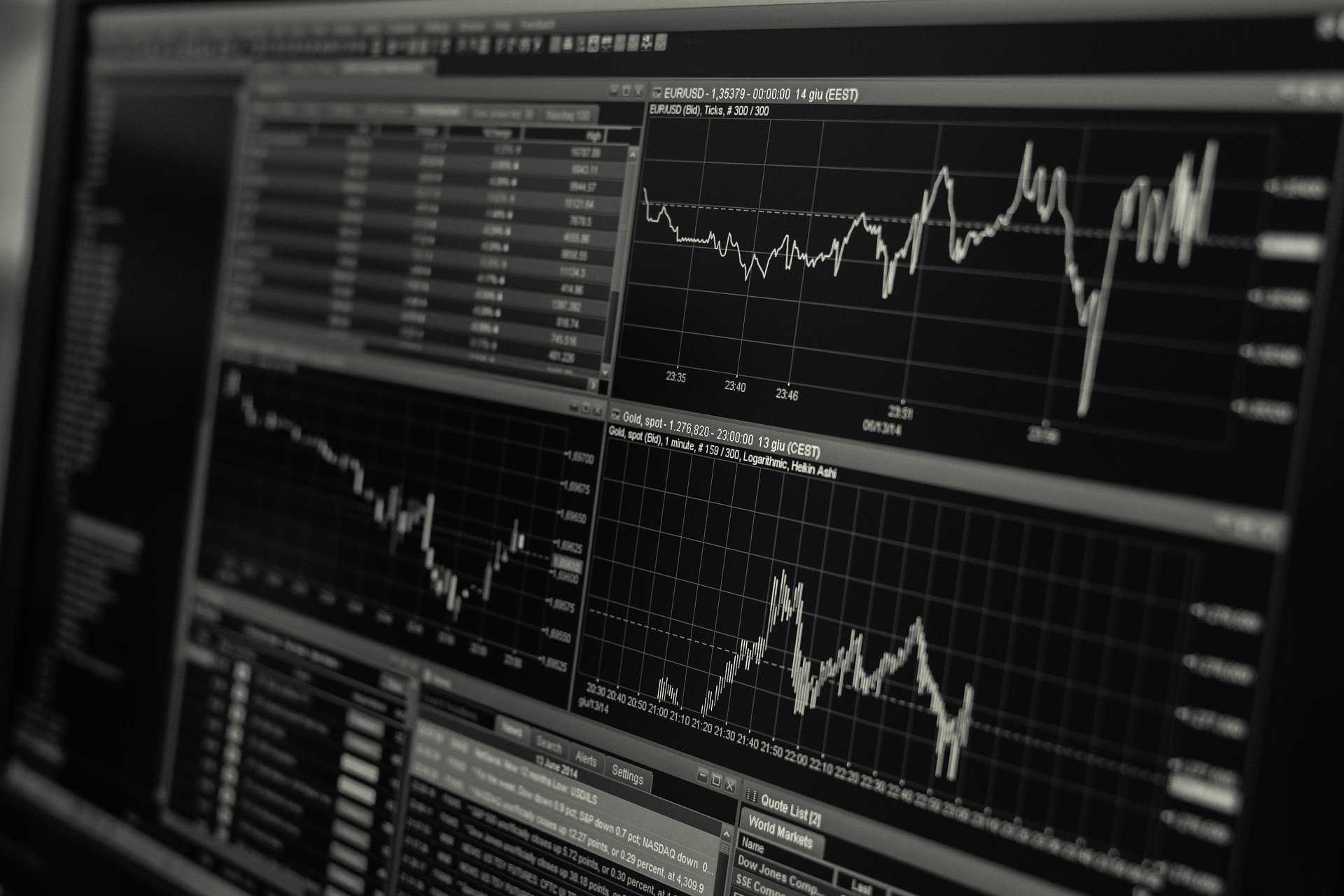
On Tuesday, August 09, the IBGE, Brazilian Institute of Geography and Statistics, released data on July inflation, which ended the month negative at 0.68%. In summary, this data represents the largest deflation in history, surpassing the figures from 1998, even before the government of Luiz Inácio Lula da Silva, who managed the country for more than a decade and a half.
The drop in inflation this month occurred after the Bolsonaro government adopted policies to freeze ICMS taxes from states, which would allow for lower prices for diesel, ethanol, and gasoline. Despite this, in the state of Santa Catarina (SC), the price of diesel still flirts with R $8 and gasoline is being sold, in the Itajaí Valley, where the cities of Brusque and Blumenau are located, at a range of R$ 5.4. With that in mind, ethanol is priced at around R$ 5.20. The deflation data from July, that is, the drop in inflation, surpasses that of the Workers’ Party (PT), which was responsible for managing the country for more than a decade and a half.
Another factor that influenced the drop in July inflation, having one of the best indices since 1998, was the decrease in electricity prices, which moved from the scarcity level to the green flag. As of July 13, the National Electric Energy Agency (ANEEL) also approved the correction of tax flags, which would update penalty rates on residential energy expenses.


Inflation Falling: ICMS Freeze Causes Gasoline, Ethanol, and Diesel to Drop Significantly, Coinciding with Election Time
The presidential elections are scheduled to take place in October, and with this in mind, the prices charged for gasoline, diesel, and ethanol have fallen after the Bolsonaro government stated that it could not intervene in the prices of the state-owned Petrobras.
-
Chinese giant worth nearly R$ 4 billion that manufactures cables for electric cars, solar energy, and robotics wants to open a factory in SC.

-
Many employers do not know, but the law guarantees domestic workers a 25% increase in salary during trips, 50% for overtime, 20% for night shifts, and 17 additional benefits that can lead to labor lawsuits if not paid.

-
Gasoline prices soar and the question arises: is ethanol more advantageous? The 70% rule reveals the limit with gasoline.
-
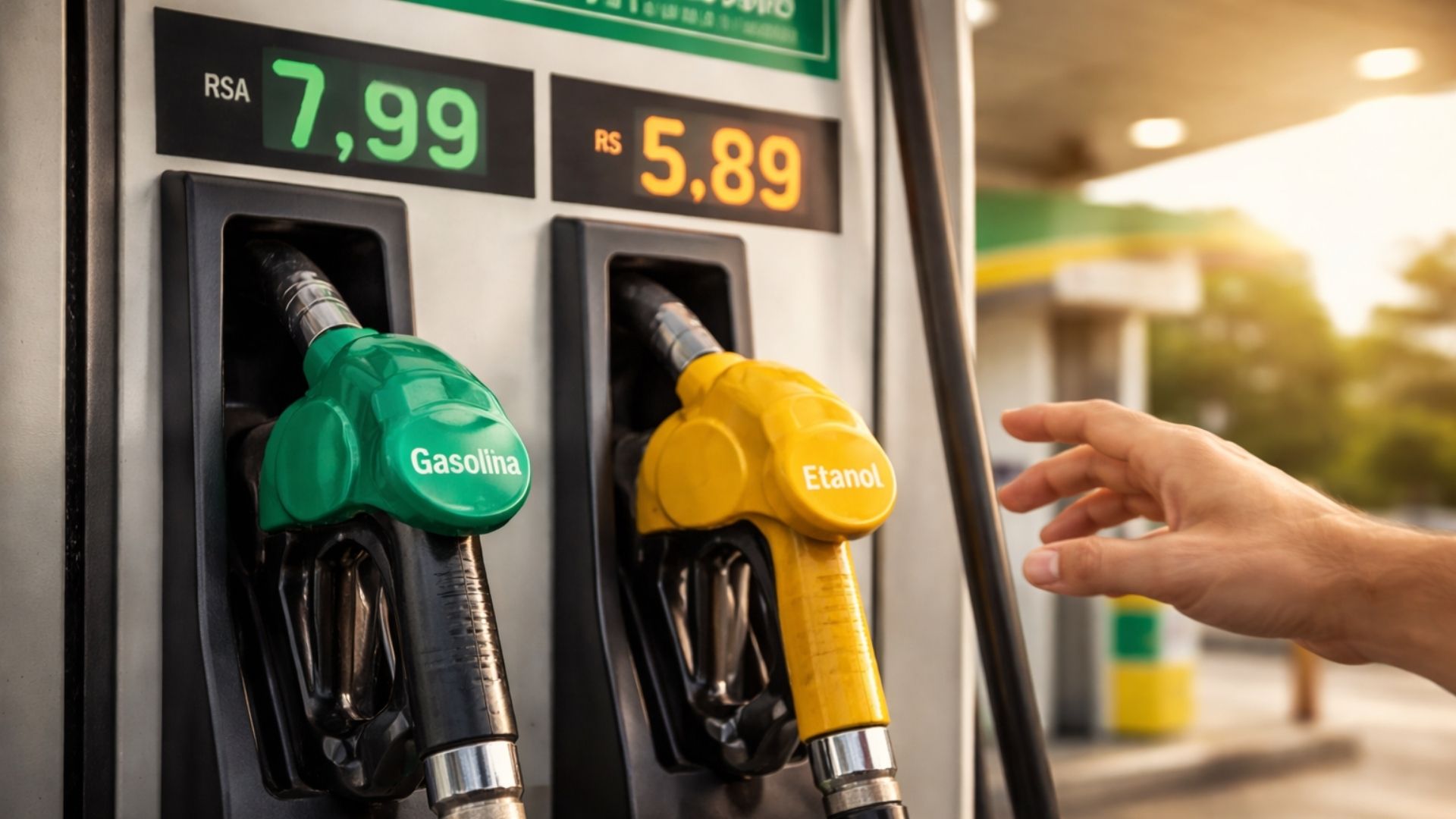
The government has made a decision and is starting a test with more ethanol in gasoline, anticipating a mixture of up to 35%, diesel with 25% biodiesel, and a study to assess the impacts on engines.
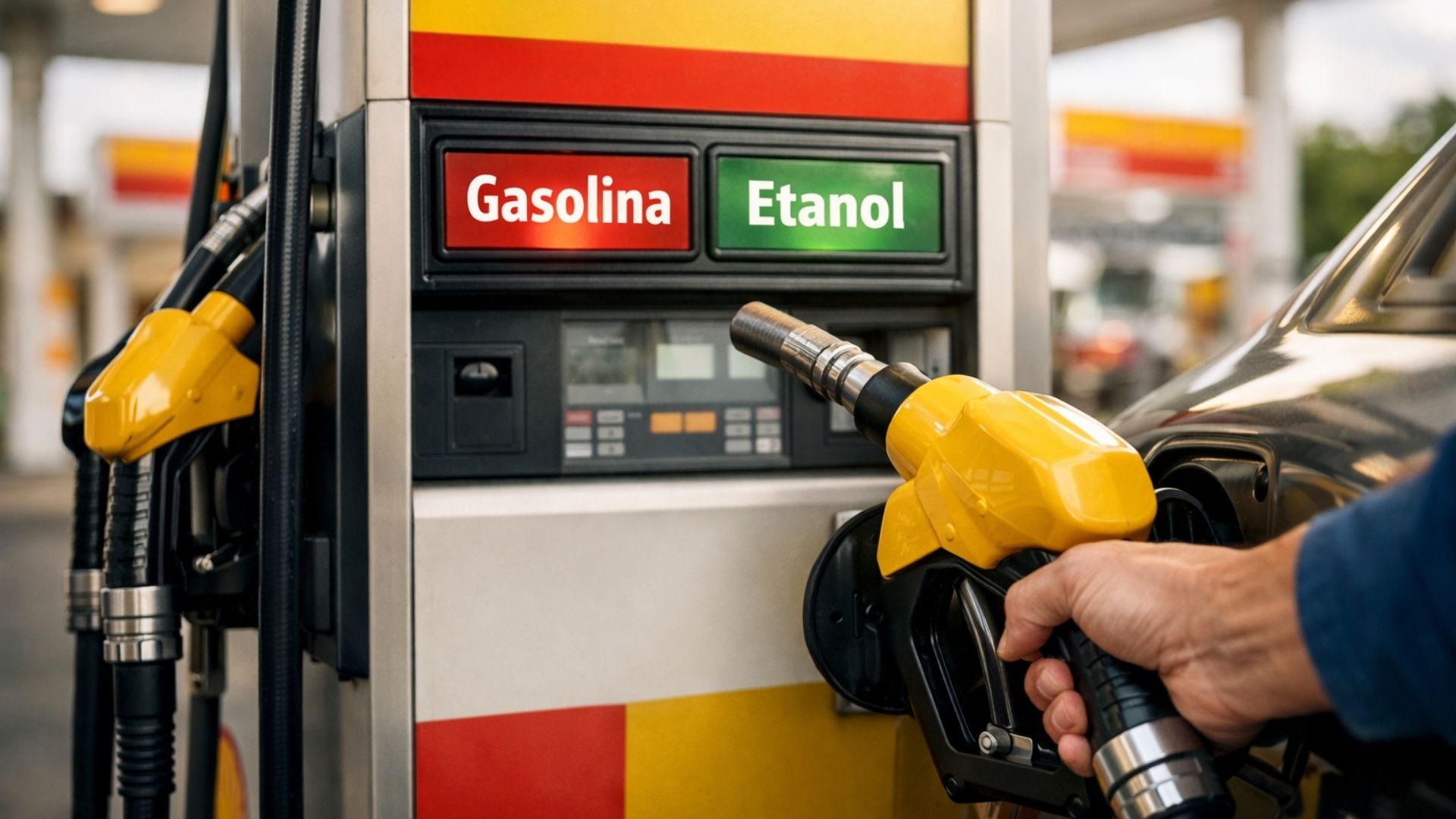

In 2021, more than twenty Brazilian states were charging over R$ 7 per liter of gasoline. However, after the ICMS freeze by the states, which could cause a billion-dollar shortfall for public coffers, it dropped by more than R$ 2 per liter! Truck drivers are still disadvantaged since diesel is on the list of fuels with the highest price. More than 10% of the inflation in the logistics sector will not be passed on to the end consumer.
Despite The Drop In Inflation, Accumulated Figures Are Still In Double Digits And Raise Economy Concerns
The accumulated inflation for the past twelve months is at 10.07%, according to the IBGE this Tuesday, August 09. One way found by the Central Bank of Brazil to control inflation rates was the increase in the Selic rate, which makes investments in Treasury Direct become more profitable and the government receives more investments from both Brazilians and foreigners, encouraging investors to save money rather than letting it circulate.
Dollar Falls With The Release Of IPCA And Inflation Data
With BC’s expectations that inflation will end the year 2022 at 7% and with the deflation data released today, the dollar is showing a sharp decline, being quoted at around R$ 5.11 after ending the session at around R$ 5.17. Since the end of last year, the US currency had been flirting with R$ 6, which directly impacted fuel prices because Petrobras charges in dollars.







Seja o primeiro a reagir!