





 Portuguese
  English
  Spanish
  6 min of reading
  0 comments


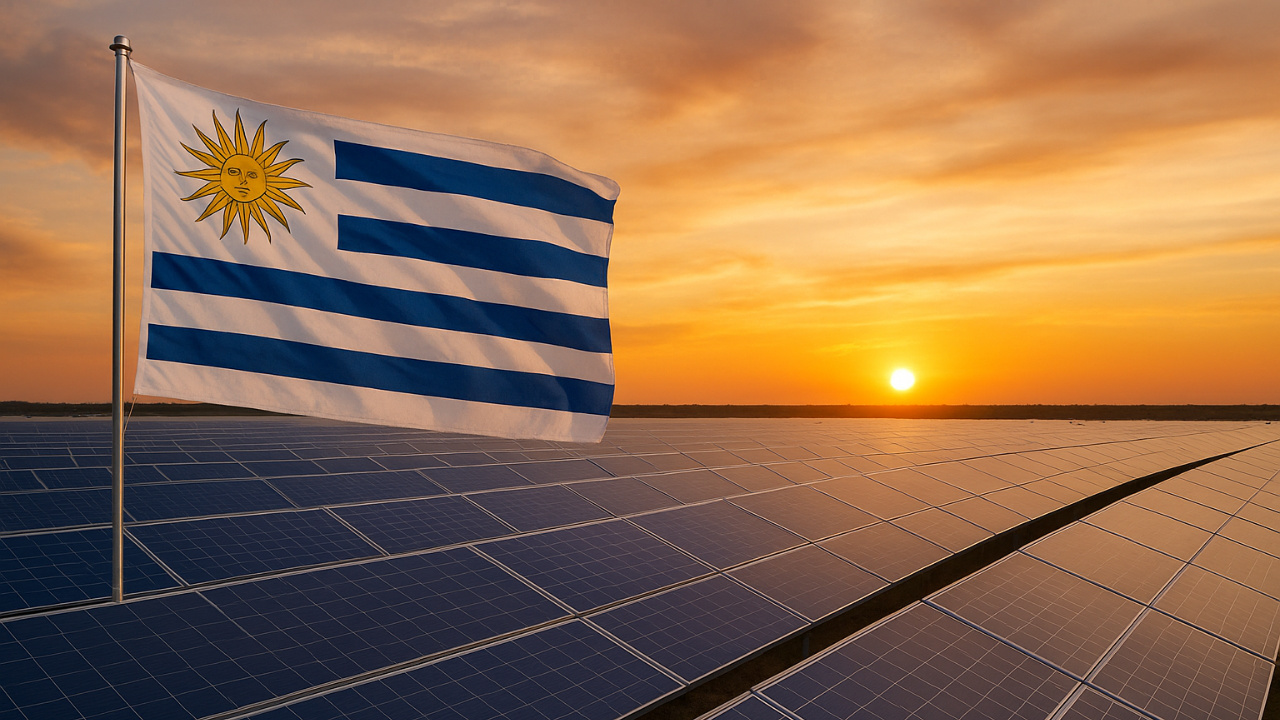
With over 94% of its electricity matrix coming from renewable sources, Uruguay begins a new phase in its energy transition and bets on solar energy to ensure security and sustainability in the face of increasing electricity demand.
Uruguay, a Latin American reference in renewable energy, is preparing for a new energy revolution. After consolidating an electricity matrix based on clean sources — consisting of 46% hydropower, 27% wind energy, and 19% biofuels — the country is now turning its efforts to strengthen the participation of solar energy, which currently represents only 2% of generation.
According to authorities, the government’s plan is ambitious: to expand photovoltaic capacity by 100 megawatts (MW) by 2026 and reach 1,100 MW by 2040. This move is part of the strategy to keep up with the growth in electricity demand and ensure complete decarbonization by 2050.
The New Phase of Uruguay’s Energy Transition
The Secretary of Energy of the Ministry of Industry, Energy and Mining, Arianna Spinelli, explains that studies on expanding electricity generation indicated photovoltaic and wind energy as the most suitable sources for the future.
-
Seagri’s headquarters invests in solar energy with Neoenergia Coelba and promises to cut electricity costs, highlighting a strategic advance in sustainability and energy efficiency within state public administration.
-
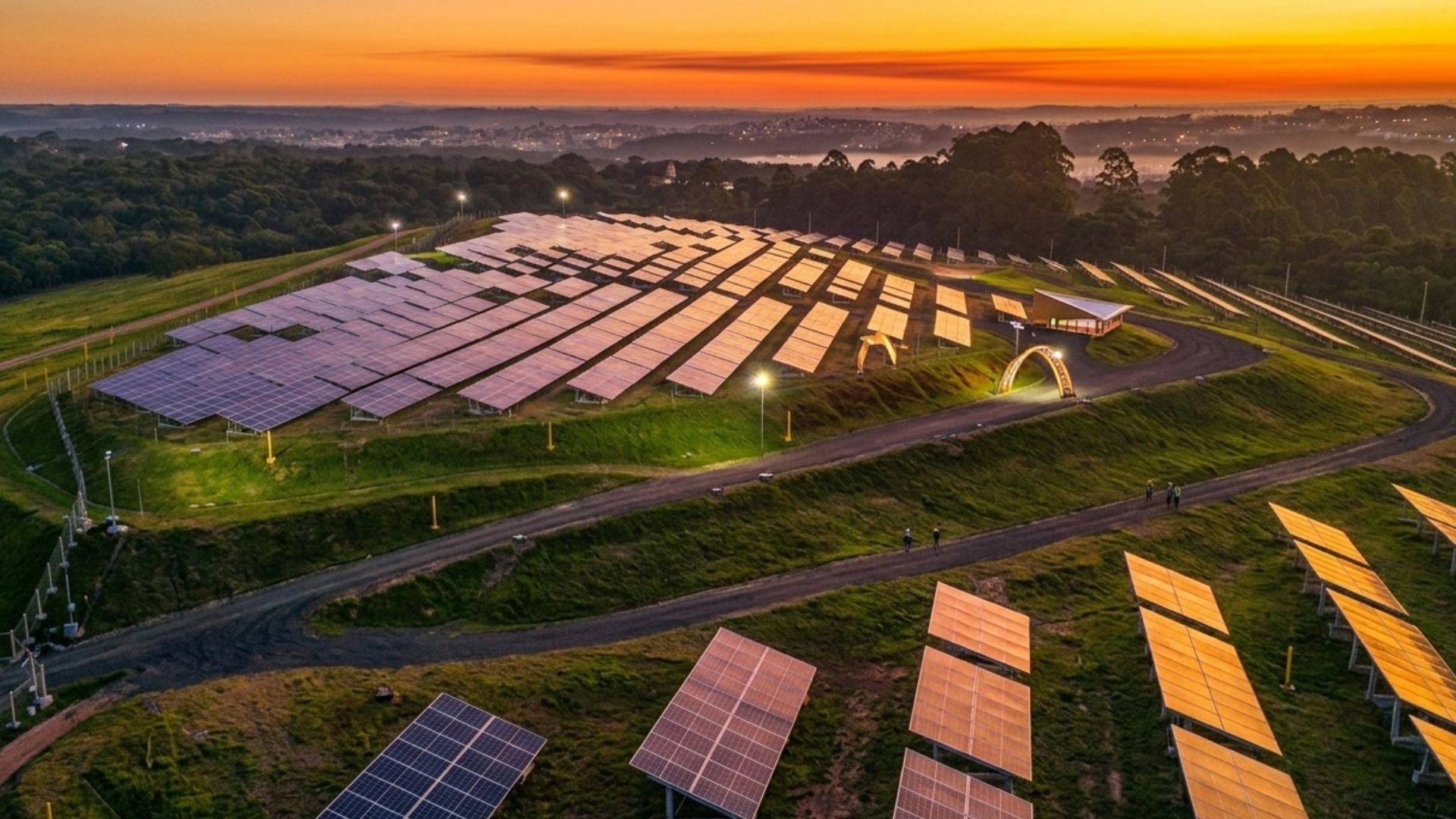
Solar Pyramid draws attention by converting solar energy into million-dollar savings and repositioning the City Hall of Curitiba as an example of innovation, sustainability, and intelligent use of public resources.
-
Europe records strong euro economy with solar energy in March and sparks curiosity about which country leads growth that redefines the energy market and reduces costs.
-
Piauí reaches a historic milestone in energy transition: State records nearly 160,000 households powered by solar energy and leads growth in the Northeast.
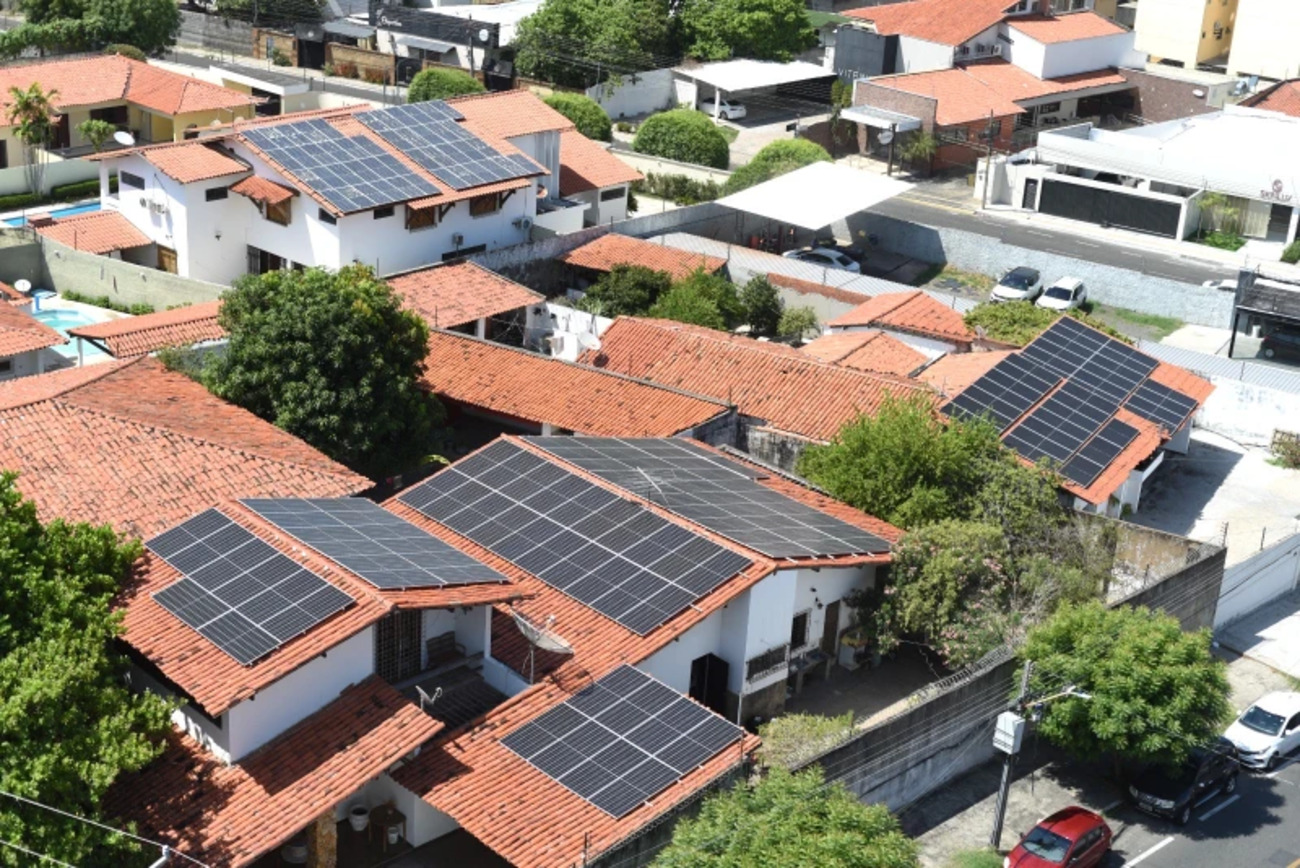
“The models created to develop the electricity generation expansion plans identified the most appropriate sources to be installed: photovoltaic and wind energy,” Spinelli stated.
A report from the International Renewable Energy Agency (IRENA) had highlighted in 2019 that Uruguay’s geographical potential makes solar and wind energy highly complementary. While the sun produces electricity during the day, winds sustain nighttime generation — a combination that strengthens resilience and reduces supply fluctuations.
The country currently has 300 MW of installed solar capacity and 1,500 MW in wind energy. But the government wants to accelerate this pace. By 2026, two new projects are expected to add 100 MW to the national power grid: the Punta del Tigre solar plant, in the south of the country, with 25 MW and expected to start operations in July 2026, and the Melo solar park, in the east, with 75 MW expected by 2028.
According to Darío Castiglioni, director of the National Administration of Power Plants and Electrical Transmissions (UTE), the works will require a total investment of US$ 91 million. For him, the costs demonstrate that solar energy is becoming increasingly affordable.
“The price of electricity generated by solar panels is already competitive and tends to fall further with technological advances and increased production scale,” the executive stated.
Sustainability and Decarbonization at the Center of the Strategy
The Minister of the Environment, Edgardo Ortuño, highlights that the expansion of renewable energy is “a fundamental part” of Uruguay’s sustainable development. He emphasizes that the country is committed to moving toward carbon neutrality by 2050, relying on three main pillars: energy efficiency, electromobility, and demand electrification.
“We plan to advance in sustainable mobility for families and in public transportation with electric mobility. We also want to progress in road, river, and air freight transportation — this means developing green hydrogen sources and thus taking new steps toward the expansion of solar energy in the country,” Ortuño emphasized.
The expansion of renewable sources is also driven by economic reasons. According to Ramón Méndez, executive director of the Ivy Foundation and president of REN21, renewable energies are no longer just an environmental issue.
“Renewable energies are the cheapest sources and do not depend on fluctuations in fossil fuel prices. In this scenario, the electricity produced with solar panels is cheaper than that produced with wind turbines,” Méndez stated.
This financial advantage reinforces Uruguay’s long-term strategy, which aims not only to reduce emissions but also to lower structural costs and make the economy more competitive.
International Partnerships and China’s Role in the Solar Sector
The Punta del Tigre project was the first to attract foreign investors, with a consortium formed by the Spanish company Prodiel Energy and the Uruguayan Teyma, established in October 2024. The success of this partnership opened the door for new international investments.
In September, the same consortium was announced as the operator of the project in Melo, in the Cerro Largo department, which will feature 138,000 solar panels. The group surpassed eight other competitors, including the Peruvian ABCD Trading and the Chinese PowerChina.
According to researcher Rodrigo Alonso from the University of the Republic of Montevideo, China’s presence in the Uruguayan solar market is primarily motivated by commercial reasons.
“For cost reasons, practically everything installed in Uruguay comes from China. It dominates the solar market on various fronts, both in industrial production and its own operations worldwide,” he explained.
The Punta del Tigre and Cerro Largo projects will use Chinese solar panels, known for their low cost and efficiency. In addition to supplying equipment, Chinese companies are also involved in the construction of electrical transmission systems in the country.
According to Méndez, China not only offers accessible technology but also financing on favorable terms, which reduces the final electricity price for consumers. “These agreements have been well received by the population, as operations remain under the control of the Uruguayan State, ensuring direct benefits to the national economy,” he stated.
Castiglioni reinforced that the foreign presence is positive and common in large infrastructure works, as UTE does not have sufficient investment capacity to bear the costs alone. “International participation is an ally, especially when it comes to cutting-edge green technologies,” he noted.
Environmental Impacts and Social Acceptance
Although the expansion of solar energy brings numerous benefits, there are also concerns about environmental impacts and land use. Solar parks require large installation areas, which can affect local ecosystems.
For Méndez, “they occupy enormous areas, especially when compared to wind farms.” However, Spinelli points out that “current solar plants occupy only 0.0033% of Uruguay’s territory — that is, even with the expansion of installed capacity, these areas remain insignificant for a country with a low population density.”
Social acceptance, in turn, is high. According to Méndez, “in general, the residents’ receptivity has been very positive.” The public perception is that the projects bring jobs, local income, and energy security, without major negative impacts.
In the coming years, Uruguay is expected to face a substantial increase in electricity demand. In addition to the historic growth rate of 2% per year, factors such as electromobility, green hydrogen, and the advancement of data centers are expected to intensify consumption.
According to Noelia Medina, an economist and coordinator of the Leaders in Energy of the Future program, there are indications that large industrial and digital enterprises could put pressure on the power grid.
Spinelli revealed that in 2024, electricity consumption in the National Interconnected System was 12.2 terawatt-hours — a number that is likely to grow with progress in digitization and the technology industry. According to her, only data centers and hydrogen projects could demand around 1 gigawatt additional by 2030.
Planned Expansion Until 2043
The Electricity Generation Expansion Plan 2024-2043, published in March by the Uruguayan government, provides for the addition of 2,100 to 2,420 MW in wind energy and 1,130 to 1,375 MW in solar energy over the next 20 years.
Secretary Spinelli assures that the country is ready: “Uruguay’s power grid is well equipped to absorb the new wind and solar capacity. The transmission works have already been planned, and many are underway.”
Castiglioni adds that the state-owned UTE has been making “very strong investments” in modernizing distribution, ensuring efficiency and stability to keep up with the growth of renewable generation.
However, with limited internal financing options, Uruguay has been seeking support from international organizations, such as the Green Climate Fund and the Inter-American Development Bank (IDB). According to Spinelli, the government is “alert to climate financing opportunities” and already has cooperation projects underway.
Ramón Méndez, a former advisor to the Green Fund, believes the country can secure loans and funding at reduced interest rates. “There are still many options for Uruguay to obtain cheap and sustainable financing,” he said.
Spinelli adds that the country is also working on regional energy integration to share clean energy surpluses with neighbors. “In 2022, energy exports reached nearly US$ 400 million, about 1% of GDP, showing that electricity is already a strategic product for Uruguay,” she concluded.








Seja o primeiro a reagir!