





 Portuguese
  English
  Spanish
  5 min of reading
  0 comments


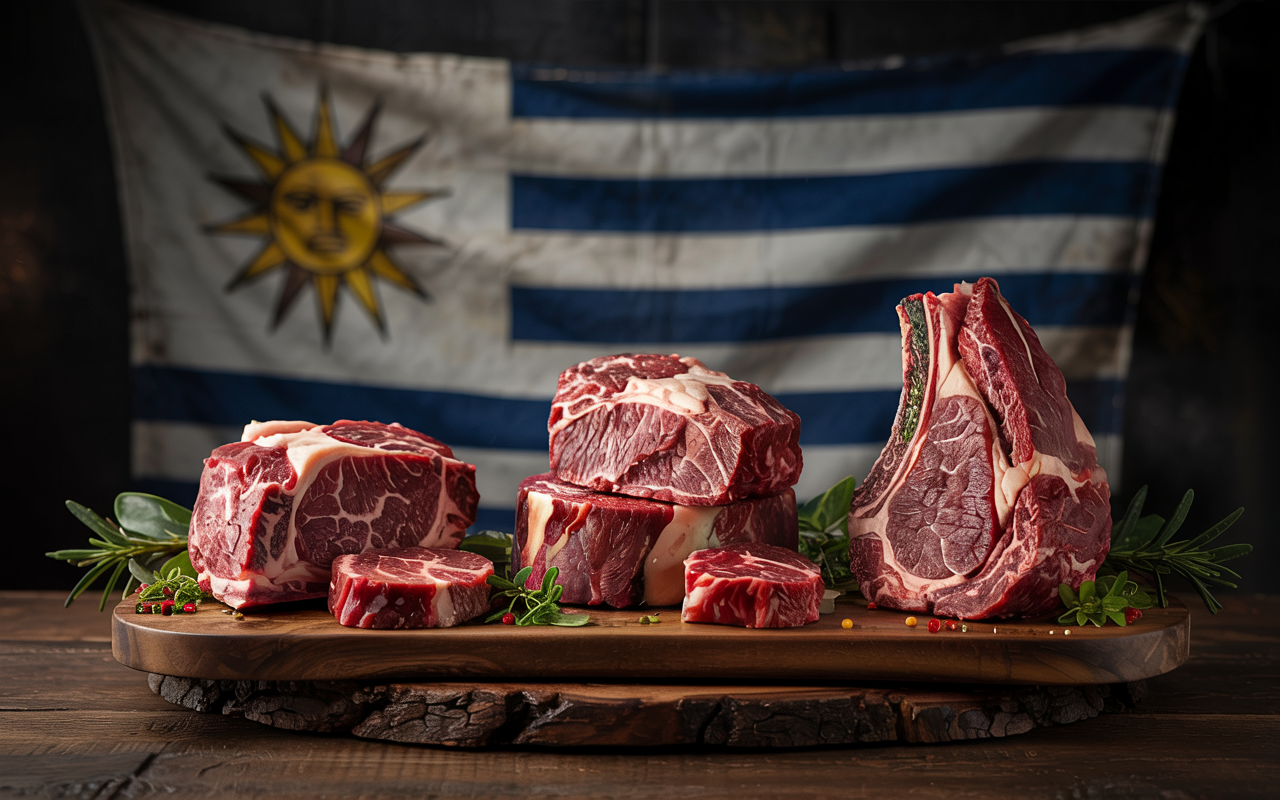
Uruguayan Beef Conquers Luxury Markets in Europe and the US With Premium Quality, Traceability, and Tradition, Moving Billions in the Southern Cone.
While Brazil draws attention for its export volume and global leadership in animal protein, its neighbor Uruguay follows a different but equally successful strategy. With just over 3.4 million inhabitants, the small country in the Southern Cone has transformed into a silent giant of premium beef, conquering high-value markets in Europe, the United States, China, and the Middle East.
The Uruguayan strength lies not in absolute volume, but in quality, traceability, and exclusivity. In 2024, Uruguay exported approximately US$ 3 billion in beef, an impressive amount for its scale of production. More than just numbers, it represents a global positioning of prestige, which has made Uruguayan beef synonymous with luxury, status, and reliability.
Premium Beef as an International Business Card
Uruguay holds the lead when it comes to high-quality beef. The country is one of the few in the world that can guarantee 100% individual traceability of its cattle. Each animal is monitored through electronic chips, allowing buyers to know where it was born, what it ate, and how it was raised.
-
With 74% of companies facing difficulties in hiring, technicians and engineers in renewable energy are becoming scarce in Brazil and are essential to support the expansion of solar, wind, and green hydrogen projects.

-
Historic bankruptcy of Centauro shocks the market, and the century-old company puts more than 500,000 products, machines, and complete infrastructure up for online auction.

-
New shoe factory in Ceará is expected to create 400 jobs and strengthen the local economy.
-
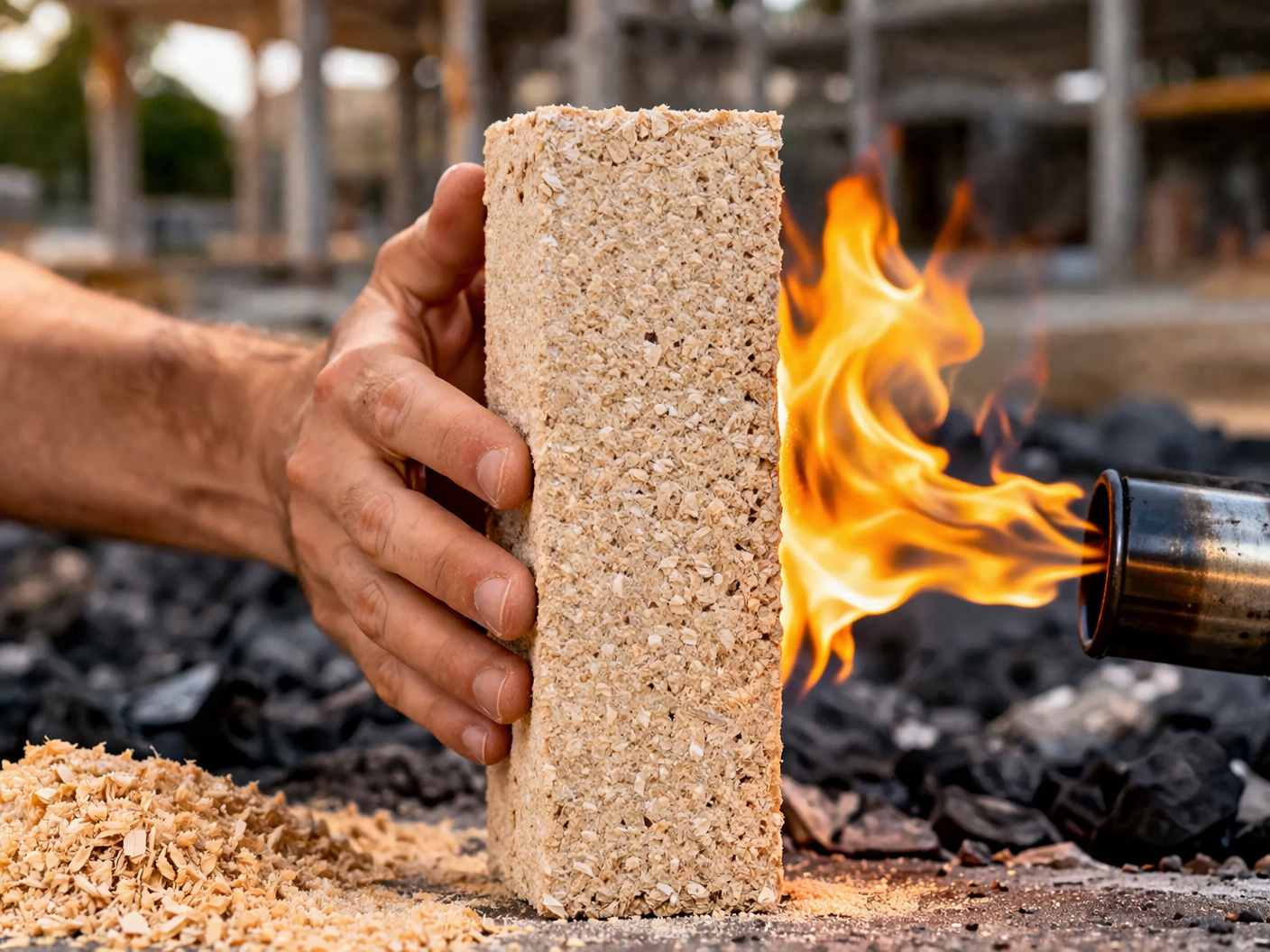
No one imagined it, but a mixture of sawdust with a mineral that fights fires surprises scientists with a result that changes the course of fire-resistant construction.



This system reinforces international trust at a time when consumers and governments demand transparency and sustainability. In the top restaurants in Paris, Madrid, New York, and Tokyo, Uruguayan beef appears on luxury menus, competing with Argentine and Australian cuts.
More than just fulfilling a dietary need, Uruguay sells a gastronomic experience. The marketing targets audiences willing to pay more for differentiated cuts, sourced from cattle raised on natural pastures and under strict sanitary controls.
Numbers That Impress
Despite its small size, Uruguay annually exports about 450,000 tons of beef, and the sector represents more than 20% of the country’s total exports. China accounts for approximately 60% of purchases, but Europe and the United States are the most valued destinations, where cuts can be worth two to three times more than in commodity markets.
In 2023, the average price of exported Uruguayan beef exceeded US$ 5,000 per ton, well above the international average. This differential explains how a country with just 12 million cattle can drive a billion-dollar industry and compete on equal footing with agribusiness powers.
The Secret Lies in the Pasture and Tradition
The great Uruguayan asset is pasture-based livestock farming. Unlike intensive confinement systems, predominant in the United States and parts of Brazil, Uruguayan cattle grow in natural areas, feeding primarily on grass. This ensures a meat with a distinct flavor, tenderness, and balanced fat content, highly valued by chefs.
Moreover, the cultural tradition of Uruguayan barbecue (the famous asado) is a national identity element.
Domestic consumption is very high: the country ranks first in the world with around 45 kg of beef per capita per year, reinforcing local expertise and care for protein quality.
The Role of Technology and Traceability
Uruguay was a pioneer in adopting mandatory cattle traceability, implemented in 2006. This system has become a fundamental competitive differentiator, especially after international crises such as “mad cow disease” and outbreaks of foot-and-mouth disease that affected other exporters.
Today, each exported cut can be traced back to the farm of origin. This transparency meets the requirements of the European Union and the United States and allows Uruguayan beef to be positioned in the premium segment.
Furthermore, slaughterhouses and producers have invested in certifications for organic beef, natural beef, and beef without hormone use, expanding their presence in high-value niches.
Competition and Partnerships in the Southern Cone
In the global market, Uruguayan beef competes directly with Argentine beef, traditionally considered the most famous in the region. However, while its neighbor faces economic instabilities and export difficulties due to internal policies, Uruguay has maintained regulatory stability and predictability, factors highly valued by importers.
Brazil, on the other hand, dominates by volume but does not threaten the luxury niche that Uruguay occupies. On the contrary: in some situations, there is strategic cooperation, with Brazilian slaughterhouses investing in units in Uruguay to diversify markets and access premium niches.
Economic and Social Impacts
The meat industry is one of the pillars of the Uruguayan economy. It generates tens of thousands of direct and indirect jobs, supports small and medium producers, and is responsible for a significant portion of the country’s fiscal revenue.
For rural families, cattle represent more than just an economic activity: it is part of the culture and tradition. The international valuation of premium beef reinforces national pride and positions Uruguay as an example of how a small country can compete globally with intelligence and quality.
Challenges Ahead
Despite its success, the sector faces significant challenges. The first is the dependence on China, which accounts for the largest share of exports. If Beijing were to change its import policy, the impact would be immediate.
Another point is environmental pressure. International groups demand proof that livestock farming is not linked to deforestation or excessive carbon emissions. However, Uruguay has advantages: with vast areas of natural pastures, the country can present one of the most sustainable meat productions in the world.
The Future of Uruguayan Beef
Uruguay’s path seems clear: to continue as a reference in quality rather than quantity. The country seeks to expand environmental certifications and promote its brand as a supplier of “carbon-neutral” beef. It is also betting on greater presence in luxury markets, such as the United Arab Emirates and Hong Kong, where premium consumption is growing at rapid rates.
There are also efforts to add value through proprietary brands and gastronomic marketing, transforming Uruguayan beef into a desirable product, comparable to French wines or Italian cheeses.
Uruguay has quietly conquered the world, without fanfare, but with consistency. While agribusiness giants compete for volumes and prices, the small country in the Southern Cone has invested in quality, traceability, and tradition — and reaps the benefits of a billion-dollar strategy.
Today, its premium beef dominates luxury tables in Europe and the US, reinforcing that even on a reduced scale, it is possible to become a global power when combining tradition, innovation, and market intelligence.








-

2 pessoas reagiram a isso.