





 Portuguese
  English
  Spanish
  3 min of reading
  0 comments


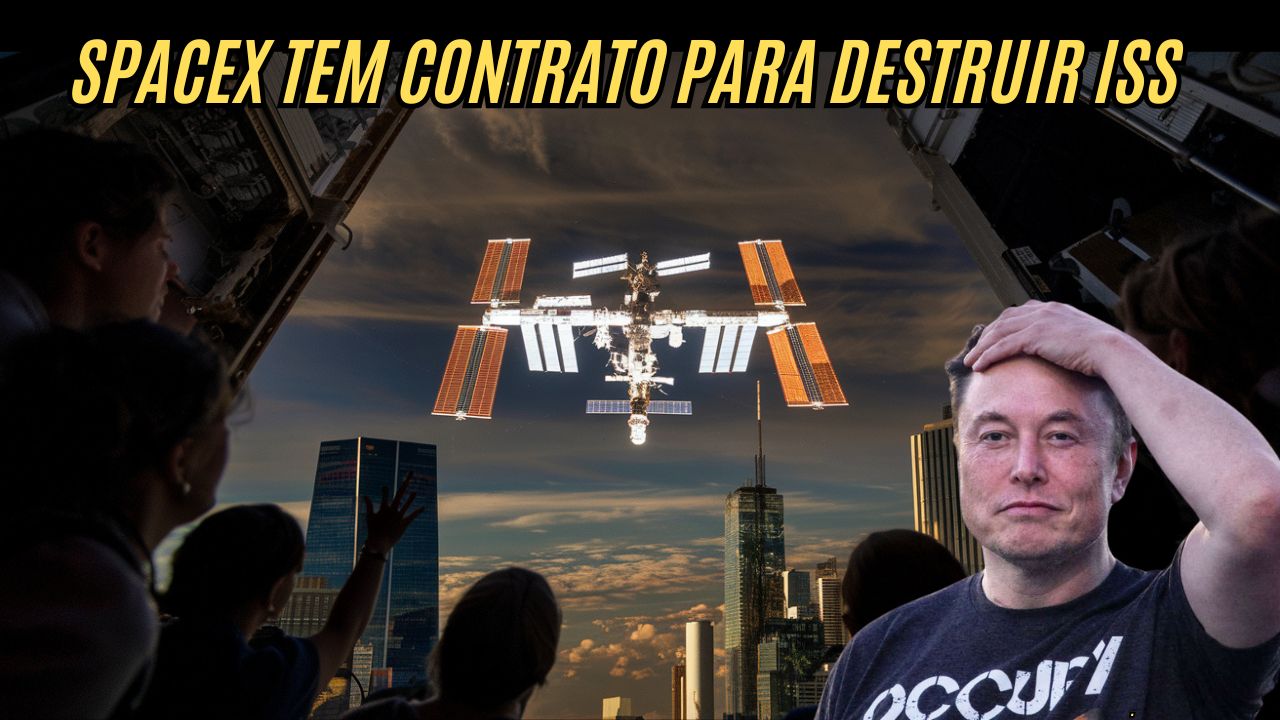
Elon Musk’s SpaceX Has Just Secured an Impressive Contract Worth US$ 843 Million with NASA to Carry Out the Controlled Decommissioning of the International Space Station (ISS). This Historical Milestone Puts the Company at the Center of Attention Once Again, Leading a Delicate and Highly Technical Process That Will Conclude More Than Three Decades of Operations of the Largest Symbol of International Cooperation in Space.
Since 1998, the International Space Station has been orbiting Earth at an altitude of about 400 kilometers, serving as a platform for scientific research and technological advancements in zero gravity. Now, with its operational mission coming to an end, NASA plans a safe and controlled descent of the massive structure, which will be conducted by Elon Musk’s SpaceX using an upgraded version of the Dragon spacecraft.
How Will the Decommissioning of the ISS Be?
The process will officially begin in 2030 when the station ends its scientific operations. Eighteen months later, Elon Musk’s SpaceX will start the descent of the station with a specially adapted Dragon, equipped with six times more fuel and four times more powerful thrusters than the standard version of the spacecraft. This complex mission will ensure that the remaining debris of the ISS falls into a specific zone, yet to be revealed by NASA, minimizing risks.
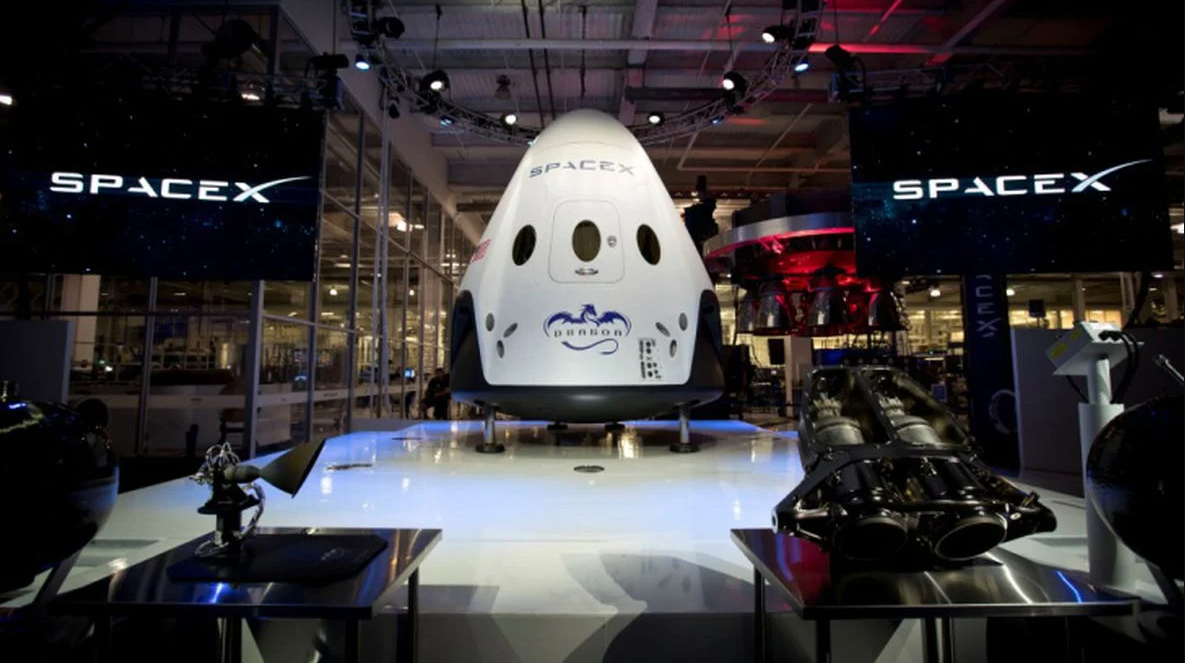
Ken Bowersox from NASA’s Office of Space Operations emphasized the importance of choosing SpaceX: “Selecting a U.S. Reentry Vehicle for the International Space Station will help NASA and its international partners ensure a safe and responsible transition in low Earth orbit.”
-
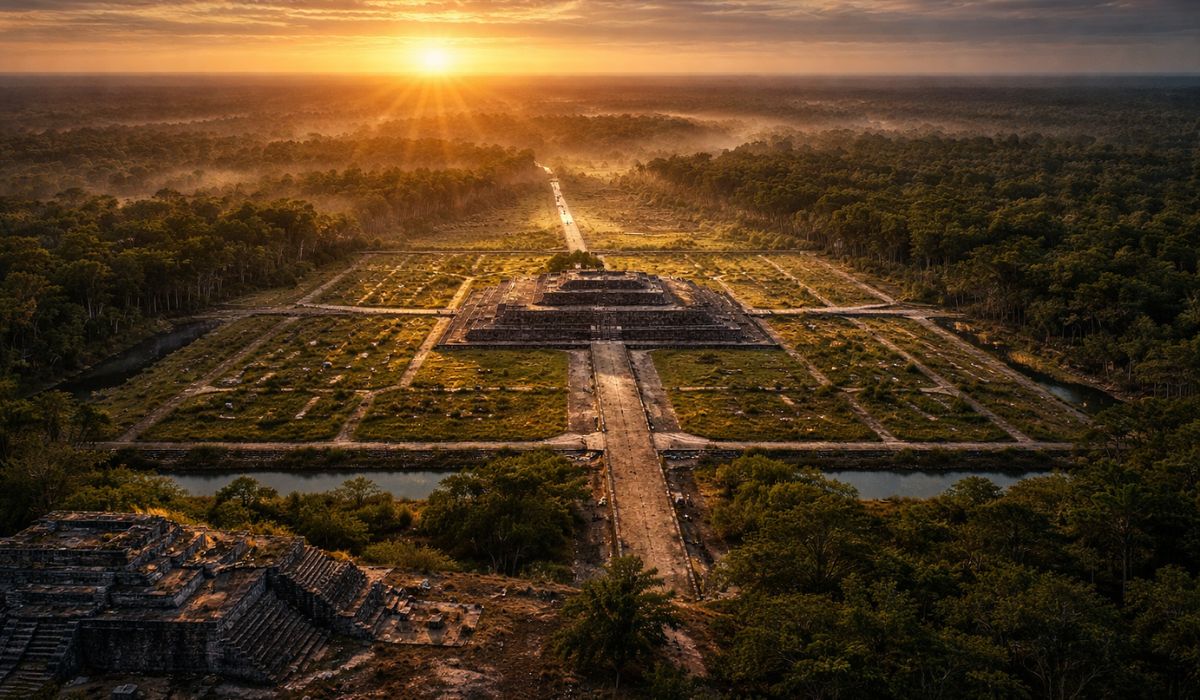
In Mexico, a 3,000-year-old Maya site with the dimensions of an entire city may have been built as a colossal map of the cosmos, created to represent the order of the universe and reveal how this people organized space, time, and rituals.
-
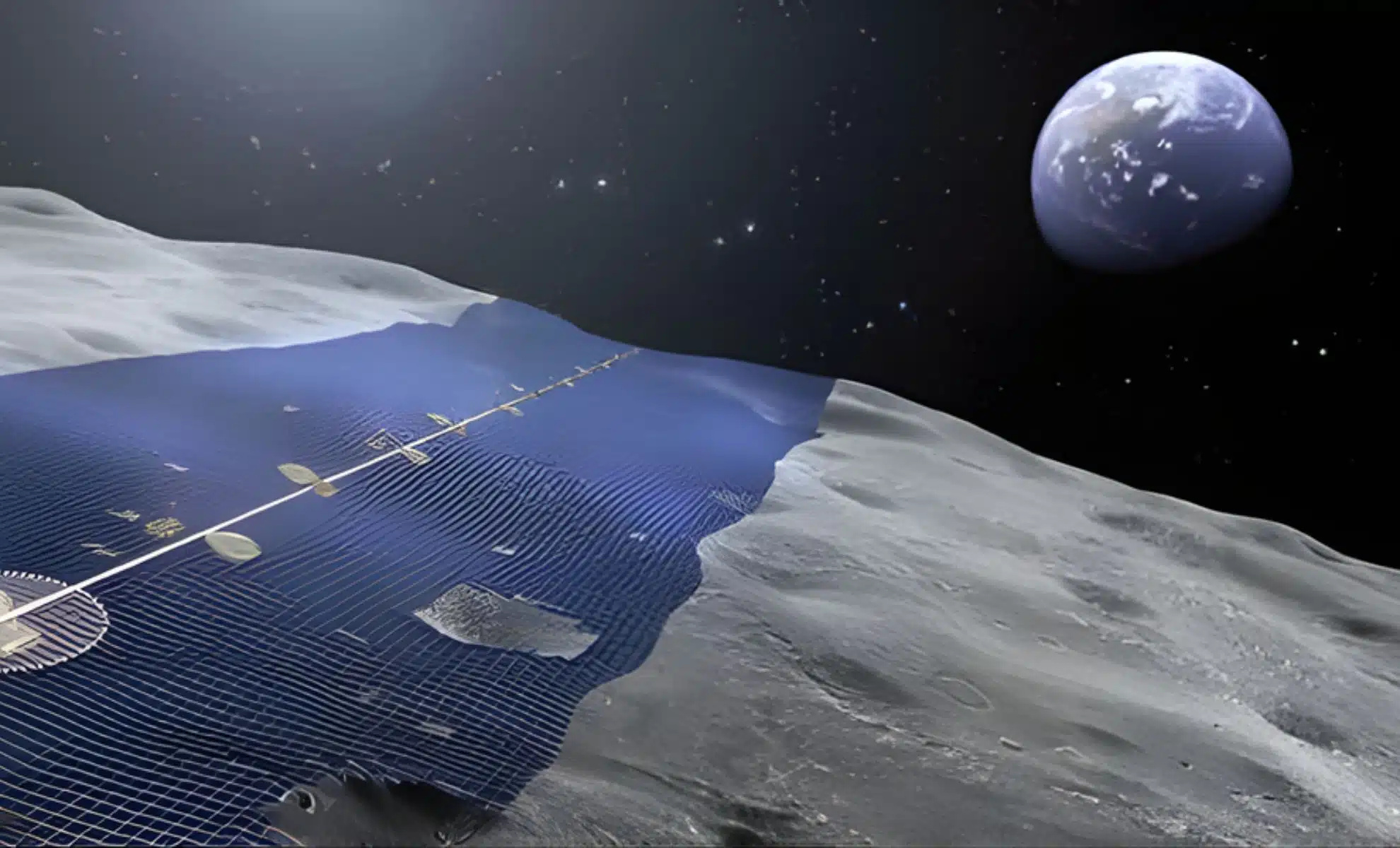
Japan wants to build a solar ring of 10,900 kilometers on the Moon to continuously send energy to Earth.
-
Weighing almost 1 ton, with temperatures of up to 3,000°C, the ability to launch 10,000 fragments within a radius of 1 km, capable of penetrating concrete and melting steel, Turkey’s terrifying bomb emerges as one of the most destructive non-nuclear weapons ever presented.

-
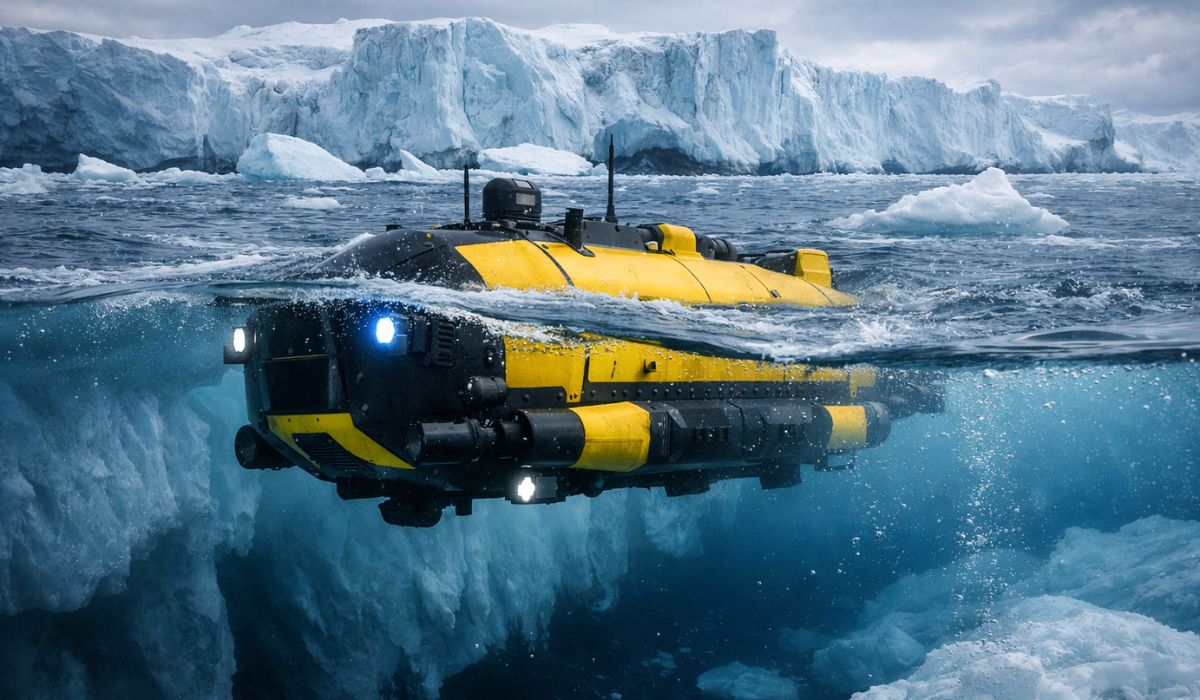
After a submarine disappeared beneath the “Doomsday Glacier,” scientists announce a new monstrous machine capable of operating at 3,000 meters depth to return to the heart of the ice and investigate a threat that could raise sea levels worldwide.

A Promising Future for Space Exploration
Although the decommissioning of the ISS is an emotional milestone, it does not signify the end of space research. Today, there are nine space stations in operation, including China’s Tiangong station, which has been in orbit since 2021. Additionally, Elon Musk’s SpaceX continues to expand its contributions with other ambitious projects, such as the Dragonfly mission, which will investigate Titan, Saturn’s largest moon, starting in 2028.
This decommissioning contract further consolidates Elon Musk’s SpaceX role as a leader in commercial space exploration, while NASA and its partners continue to open new frontiers in space. The destruction of the International Space Station is not just the end of an era, but also the beginning of a new phase for humanity among the stars.








-

Uma pessoa reagiu a isso.