





 Portuguese
  English
  Spanish
  4 min of reading
  0 comments


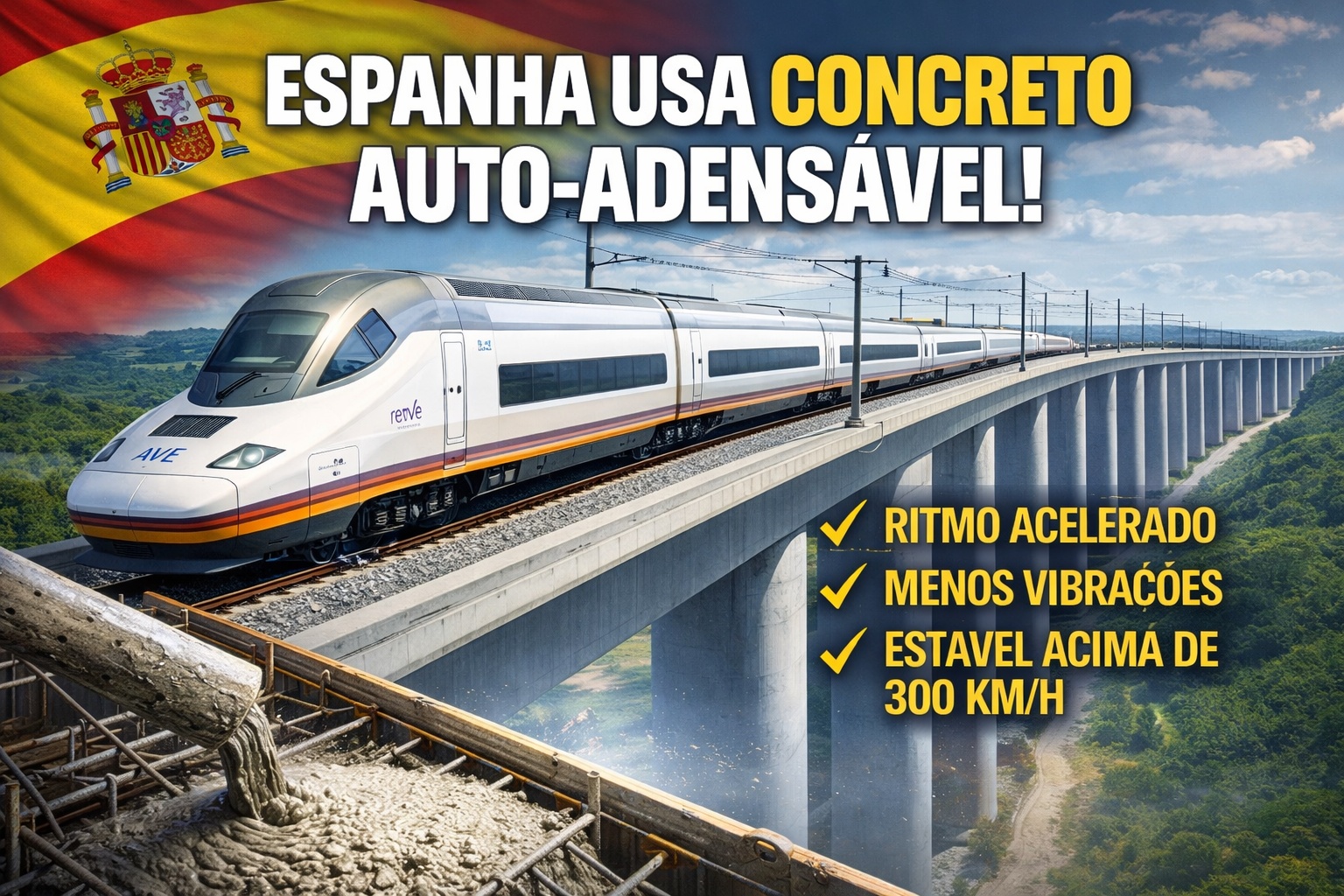
Spain Uses Self-Compacting Concrete to Construct AVE Viaducts at Accelerated Pace, Reduce Vibrations and Ensure Stability for High-Speed Trains Above 300 km/h.
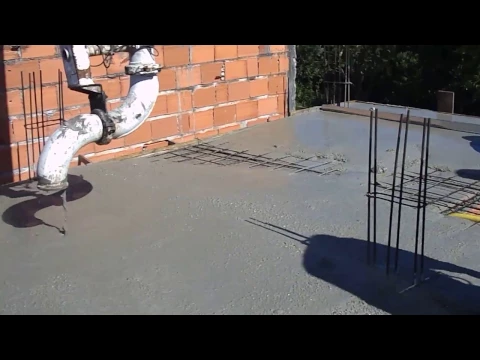
The expansion of the Spanish high-speed network not only attracts attention for the trains that cross the country at speeds over 300 km/h but primarily for the silent engineering that supports this operation. In various sections of AVE – Alta Velocidad Española, viaducts and bridges are being constructed with a material that completely changes the traditional logic of heavy construction: self-compacting concrete. Unlike conventional concrete, it does not need to be vibrated, does not require mechanical compaction, and flows by gravity, filling complex shapes with extreme precision.
This seemingly simple technical detail has become crucial in a railway system where any excessive structural vibration can compromise safety, comfort, and maintenance. In lines designed to operate continuously above 300 km/h, the tolerance for failures is minimal, and the quality of the concrete ceases to be merely a construction requirement to become an operational factor.
Self-Compacting Concrete and the Logic Behind High-Speed Rail
Self-compacting concrete, technically known as SCC (Self-Compacting Concrete), has been adopted on a large scale in Spain for a clear reason: it allows for more homogeneous structures, with fewer internal voids, lower porosity, and more predictable mechanical performance.
-
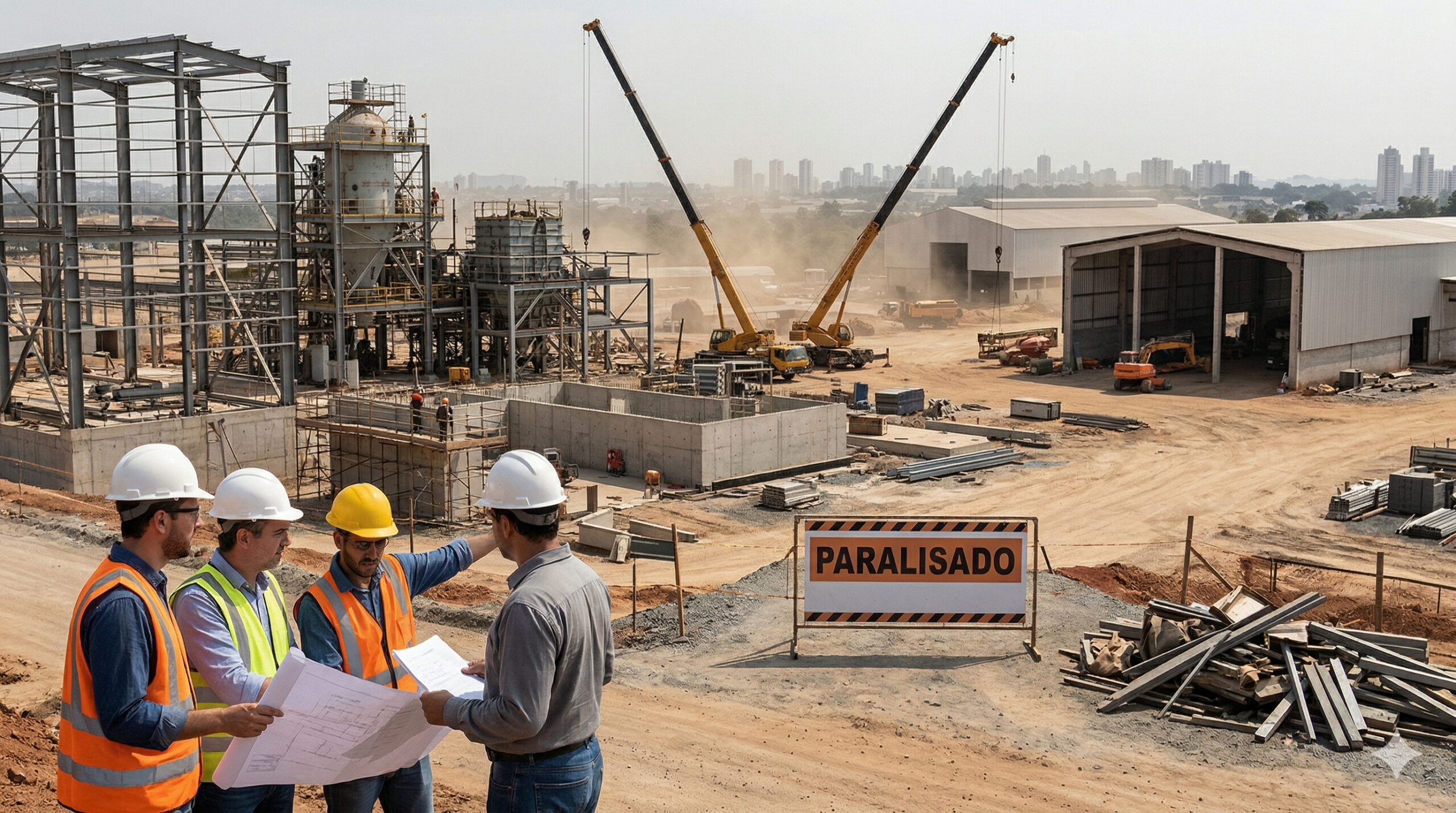
The lack of welders, electricians, and operators becomes a structural threat in 2025, with the construction industry and manufacturing already suffering from delays, cost pressures, and labor shortages in Brazil.
-
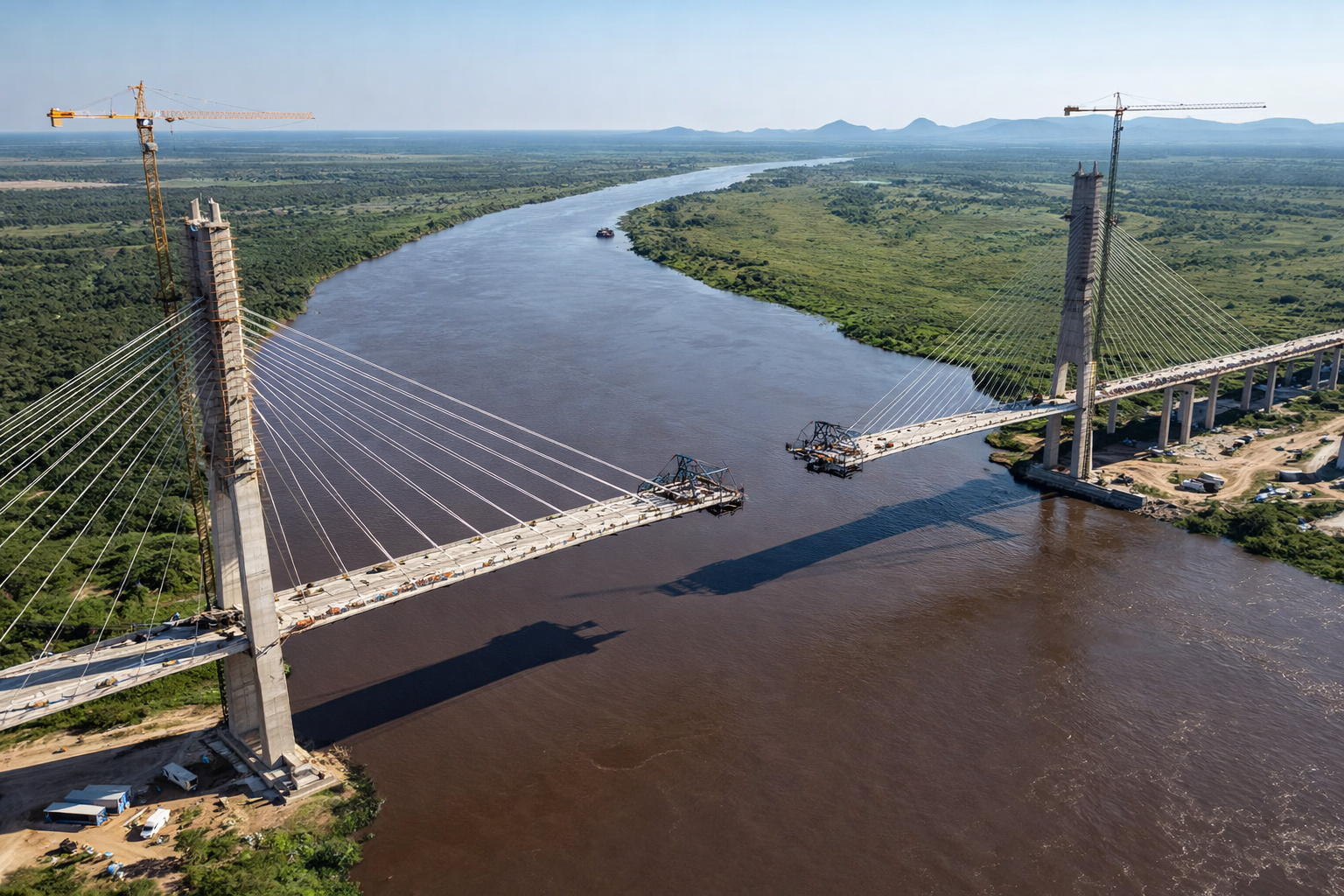
Brazil and Paraguay are just 46 meters away from a historic union on the bioceanic bridge that promises to revolutionize trade between the Atlantic and the Pacific.
-
With 55 km over the sea, a cost of US$ 20 billion, and enough steel to build 60 Eiffel Towers, China’s largest project has connected Hong Kong, Zhuhai, and Macau in a colossal bridge that defies the logic of engineering.

-
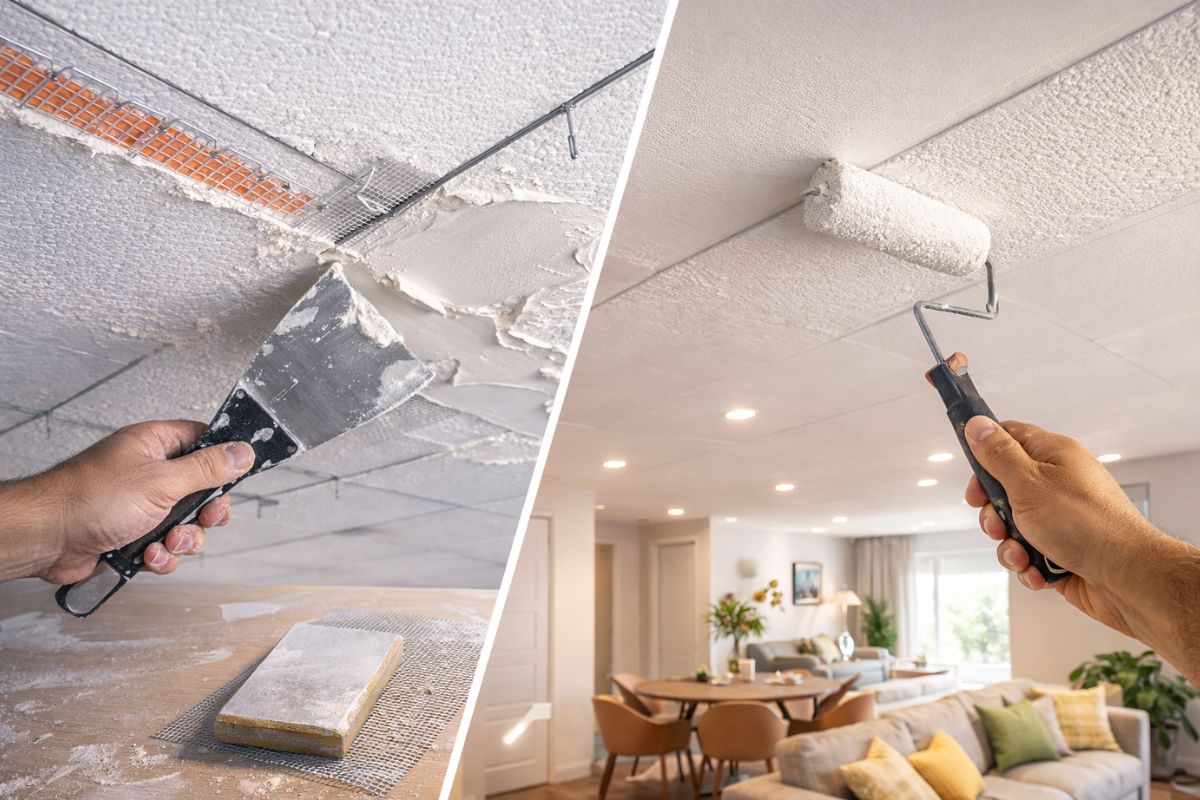
A trick with joint compound transforms a Styrofoam ceiling into a plaster-like ceiling: leveled panels, wires and mesh at the joints, sand, paint, and change the environment while spending little today.



In railway viaducts, this translates into reduced propagation of micro-vibrations generated by the passage of trains, which is essential when long trains cross a bridge at over 90 meters per second.
By eliminating mechanical vibration during the concrete placement, SCC reduces common failures associated with traditional compaction, such as segregation of aggregates, air bubbles, and weak zones near reinforcements.
In AVE projects, this enables slimmer sections, better load distribution, and increased structural lifespan, even under intense cycles of dynamic loading.
Long Viaducts, Repetitive Pieces, and Aggressive Schedules
Another point rarely discussed outside the technical field is the direct impact of self-compacting concrete on the construction schedule. In high-speed viaducts, the repetition of spans is constant, with segments of dozens of meters being executed in almost industrial succession.
SCC accelerates this process because it reduces steps: there is no need for vibration, less specialized labor is required for placement, and less correction time is needed afterward.

In some sections of the AVE, the adoption of this concrete has allowed for shorter concreting cycles, with early formwork removal and simultaneous advancement of work fronts. This becomes especially relevant in regions where the climate window is limited or where the construction needs to coexist with existing traffic, urban areas, or sensitive environmental corridors.
Structural Stability Designed for Decades of Operation
Designing a road bridge is already a considerable technical challenge. Designing a railway viaduct for trains traveling at 300–330 km/h elevates this challenge to another level.
Small geometric imperfections, differences in stiffness between spans, or variations in concrete quality can generate cumulative effects over the years, increasing maintenance costs and reducing line availability.
Self-compacting concrete helps mitigate these risks by delivering a material with more uniform behavior.
In laboratory tests and field monitoring, structures built with SCC show better fatigue performance, lower early cracking, and more stable responses to temperature variations, which is critical in Spanish regions with large temperature amplitudes between summer and winter.
Less Vibration, More Comfort, and Less Wear
For the passenger, the difference is almost imperceptible but real. Viaducts constructed with better-compacted concrete reduce vibrations transmitted to the track and, consequently, to the cars. This improves acoustic comfort, decreases structural noise, and reduces wear on rails, sleepers, and fastening systems.
From an operational standpoint, this means fewer corrective interventions, longer maintenance intervals, and greater reliability of the system as a whole. In a network that moves millions of passengers annually, every hour of avoided downtime represents direct savings and increased logistical efficiency.
Discreet Engineering, Strategic Impact
The use of self-compacting concrete in AVE viaducts rarely appears in advertising campaigns or institutional materials. Yet, it is a central part of Spain’s strategy to maintain one of the largest and most reliable high-speed networks in the world.
This is not just about going faster, but about ensuring that this speed is sustainable for decades without cost explosions or early structural degradation.
This type of solution shows how modern engineering often advances not through flashy inventions but through silent technical choices that elegantly solve complex problems. While the trains attract attention, it is the concrete that “spreads itself” that ensures everything stays in place.
A Model That Is Beginning to Influence Other Countries
The Spanish experience with self-compacting concrete in high-speed railway viaducts has begun to be observed by other countries that are expanding or modernizing their networks. In projects where speed, comfort, and durability go hand in hand, SCC has ceased to be an experimental alternative to become a viable and, in many cases, preferred technical standard.
By combining long structures, aggressive schedules, and rigorous dynamic performance requirements, Spain has shown that seemingly simple materials can redefine the efficiency of colossal works. It is a lesson in applied engineering: less noise on the construction site, more precision in the result, and an impact that extends throughout the infrastructure’s lifespan.










-

-

-

-

-

8 pessoas reagiram a isso.