






 Portuguese
  Spanish
  3 min of reading


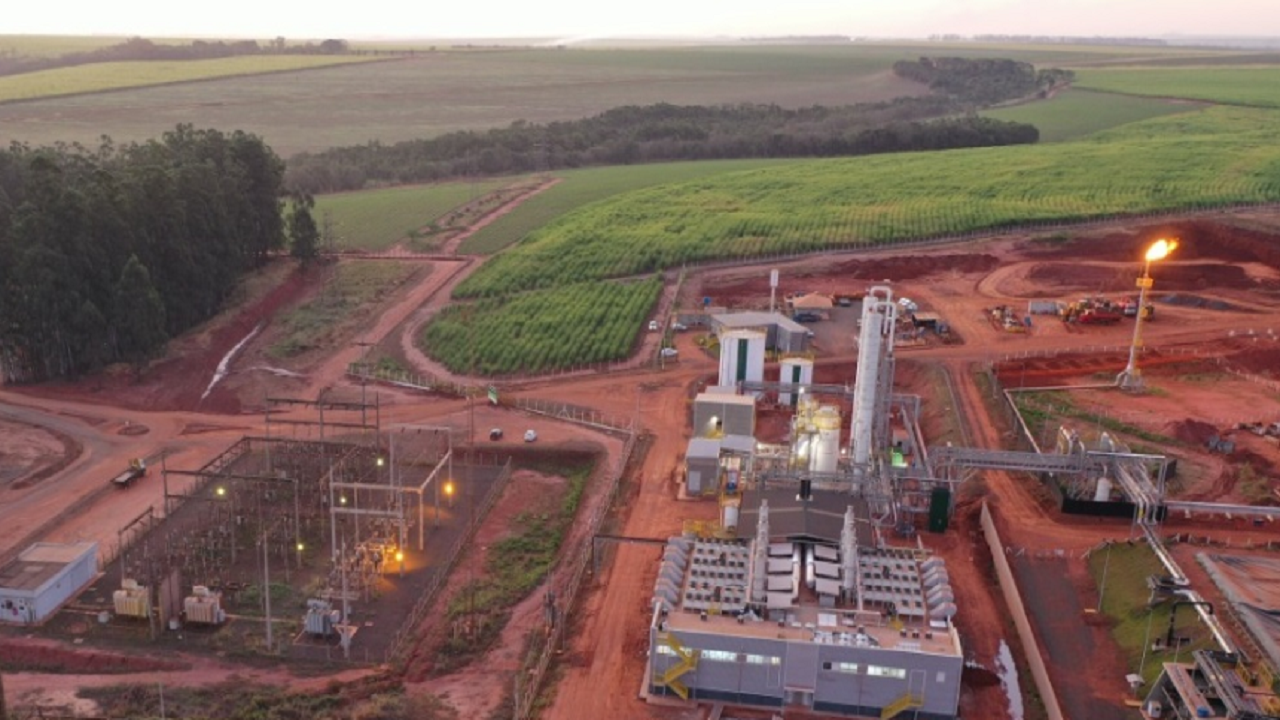
Thinking About Low Carbon Emission, Raízen’s Plant Is Producing Electricity Through Biogas Produced From Sugarcane Residues
Brazil is one of the largest producers of sugarcane in the world, and it is from this that the country’s main source of renewable energy comes. In addition to producing ethanol, plants use the residues from the sugarcane milling to produce electricity. Raízen is an integrated energy company of Brazilian origin with a presence in the sugar and ethanol production sectors, fuel distribution, and energy generation, and it was the first to produce electricity for commercial use in the Brazilian market.
Read Also
Electricity Production Using Biogas
First, sugarcane bagasse was used, which began to be burned to feed boilers, and soon after, biogas was used, obtained from straw, filter cake from sugarcane, and vinasse. In Guariba, São Paulo, a Raízen plant is producing electricity through biogas on a commercial scale, marking the first time in the country.
According to the chemical engineer from the University of São Paulo (USP), Marcelo Zaiat, this large-scale experience is a new milestone for Brazil. At Raízen’s plant, vinasse and filter cake are used, which in previous processes were only utilized as fertilizers. Vinasse is the liquid part that remains from the distillation of sugarcane juice. It is extracted from the plant via pipelines and returned to the fields due to its excess potassium. The filter cake is the solid part that comes from filtering the sugarcane juice; it is rich in phosphorus and is also reused in the fields.
-
Brazilian scientists are simultaneously advancing two research projects on clean hydrogen and driving solutions that could transform the energy matrix, enhance industrial competitiveness, and accelerate large-scale emission reduction targets.

-
Advancement in renewable energy: A R$ 150 million project launched by Petrobras and Finep aims to create state-of-the-art electrolyzers for green hydrogen, strengthening national research and preparing Brazil to compete in a billion-dollar energy market.
-
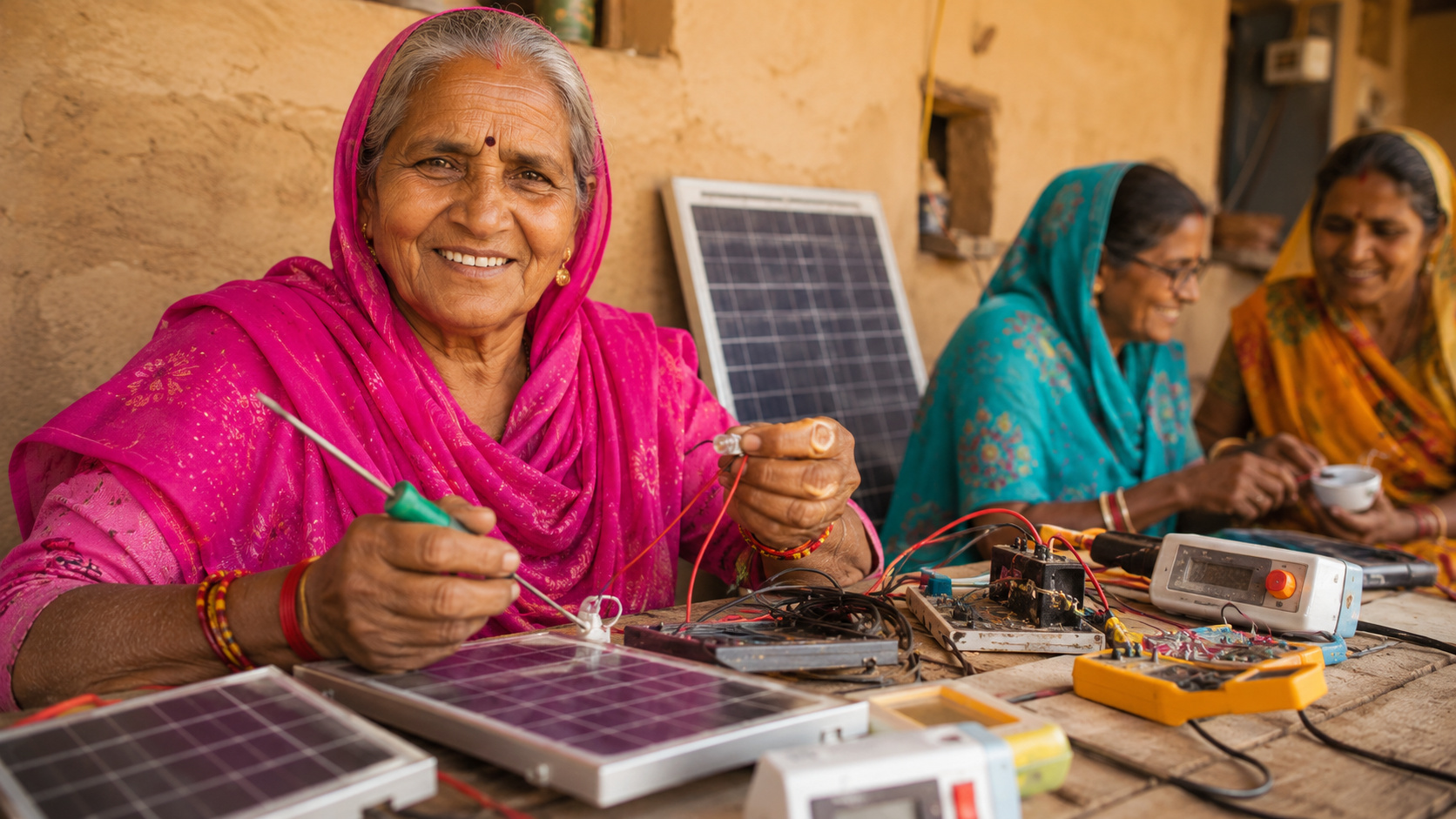
Illiterate or semi-literate grandmothers were trained to repair solar systems, open rural workshops, and light up homes that still depended on kerosene.
-
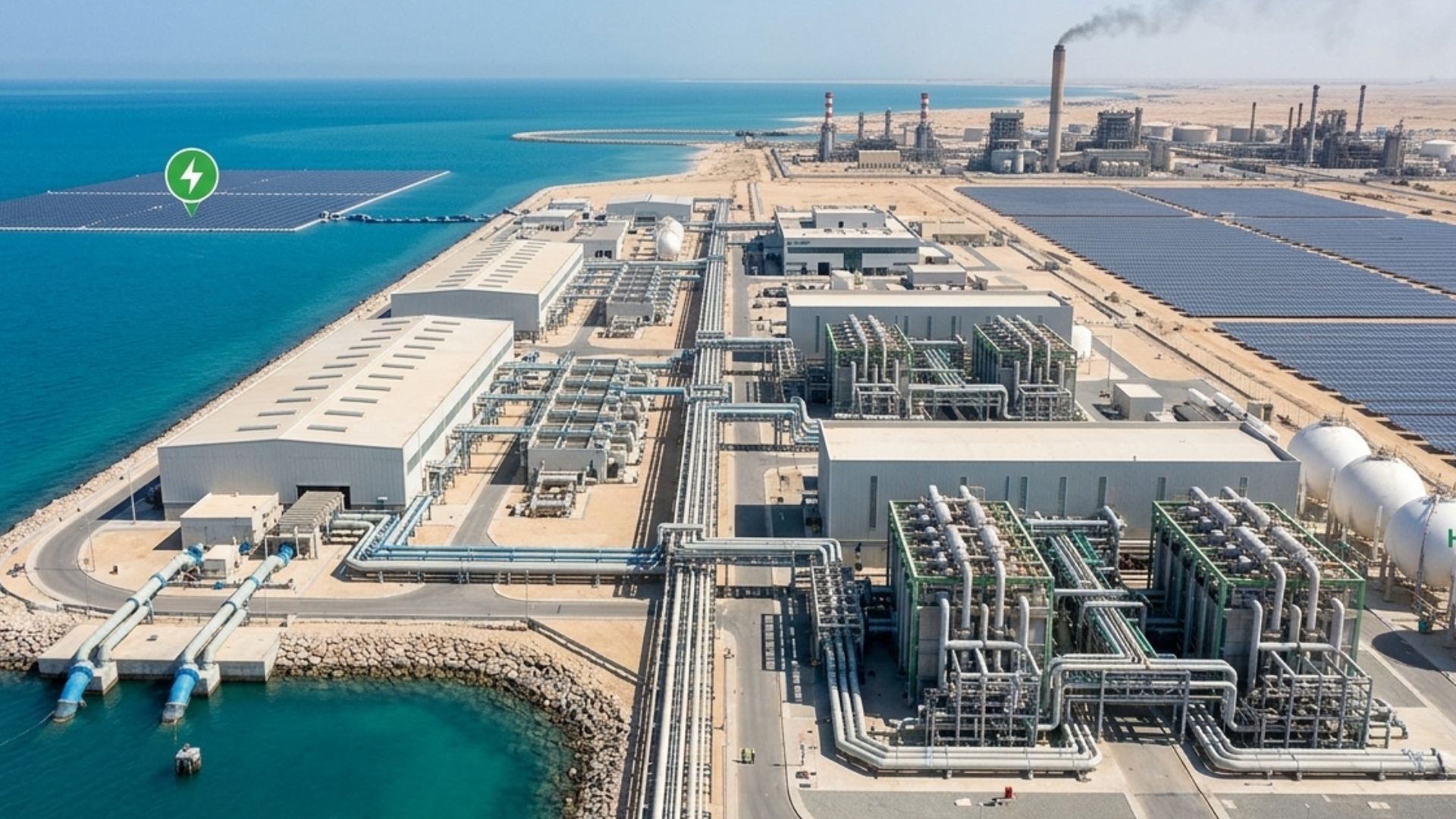
The world has bet on green hydrogen as the fuel of the future, but now faces the side effect: producing 1 kilogram requires about 9 liters of ultrapure water, and the largest projects on the planet are precisely in the driest regions of the Earth, where water is already scarce for people.



Biogas Production at Raízen Plant

Vinasse and filter cake are taken to Raízen’s biodigesters before being sent to the fields. In this process, a large part of the organic matter from both residues is transformed into biogas through the action of bacteria.
The methane gas produced during the process rises to the surface of the biodigesters and is transported through pipes to the generators, where it is burned to generate electricity.
According to automation engineer Paulo Miranda, Filter Cake is a strategic waste for them because its storage can generate electricity throughout the year.
The Search for New Energies
One of the initiatives aimed at achieving more sustainability is at the laboratory of the Federal University of São Carlos (UFSCar), where a device is measuring the amount of methane released during the digestion of the residues.
According to UFSCar agronomist engineer, Otávio Valsechi, the focus is on removing methane from vinasse to separate carbon due to the presence of hydrogen. The world will move through electricity, and one of the largest sources of energy will be hydrogen.

Graduated in Journalism and Marketing, he is the author of over 20,000 articles that have reached millions of readers in Brazil and abroad. He has written for brands and media outlets such as 99, Natura, O Boticário, CPG – Click Petróleo e Gás, Agência Raccon, among others. A specialist in the Automotive Industry, Technology, Careers (employability and courses), Economy, and other topics. For contact and editorial suggestions: valdemarmedeiros4@gmail.com. We do not accept resumes!







Be the first to react!