





 Portuguese
  English
  Spanish
  4 min of reading


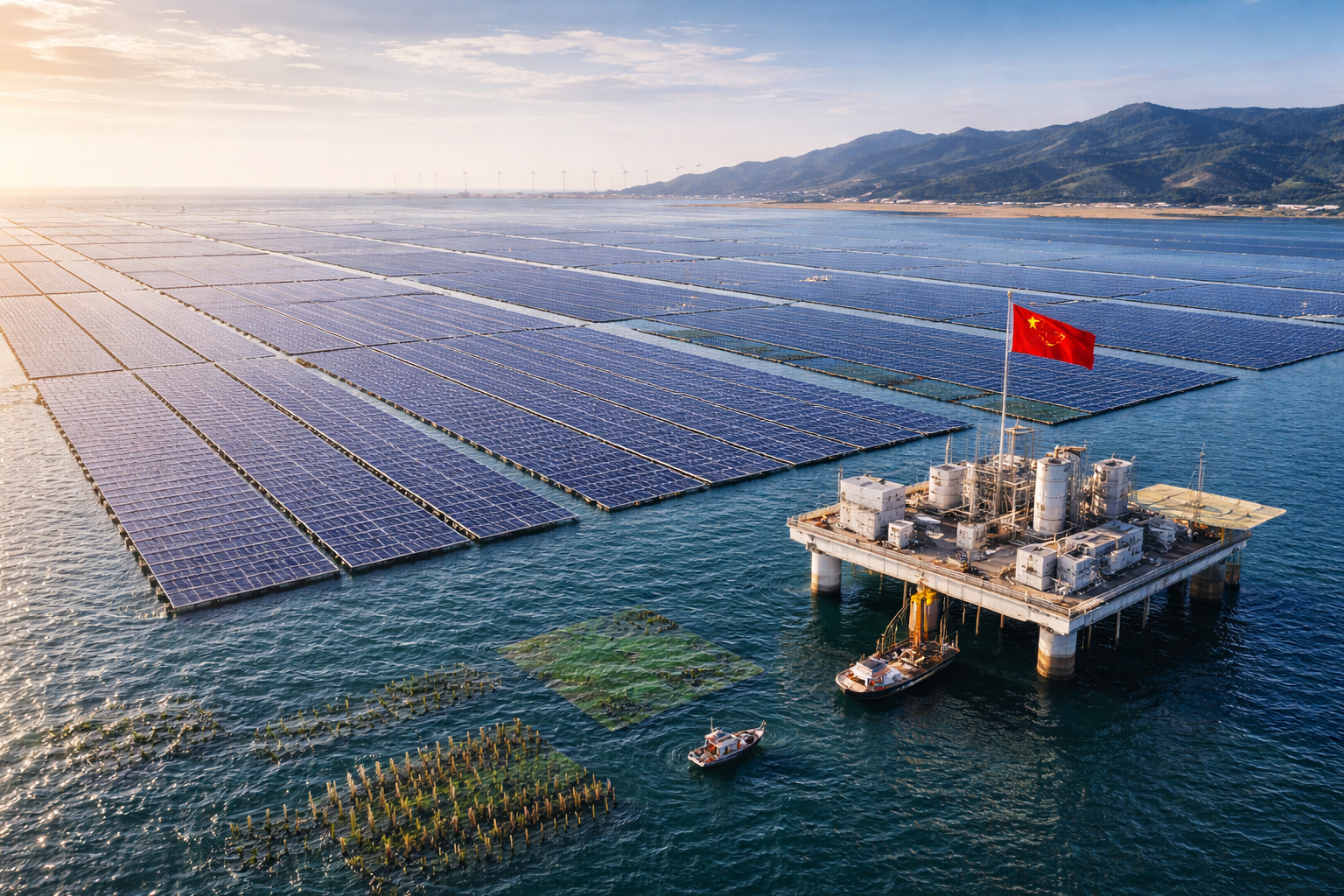
The solar energy has taken another historic step with the commencement of operations of the largest offshore solar plant in the world. China has completed the first phase of the project and connected a facility with 1 gigawatt (GW) capacity to the electrical grid, consolidating the country as a global leader in the expansion of renewable energy on an industrial scale.
Already, the enterprise attracts attention not only for its size but also for its concept. Installed in shallow waters, about 8 kilometers from the coast, the plant represents an innovative solution for regions with high population density and limited space on land. Thus, China expands its energy capacity without competing directly with agricultural or urban areas.
Moreover, the project reinforces a long-term strategy. By investing in offshore solar energy, the country diversifies its electric matrix and reduces dependence on fossil sources, aligning economic growth with environmental goals.
-
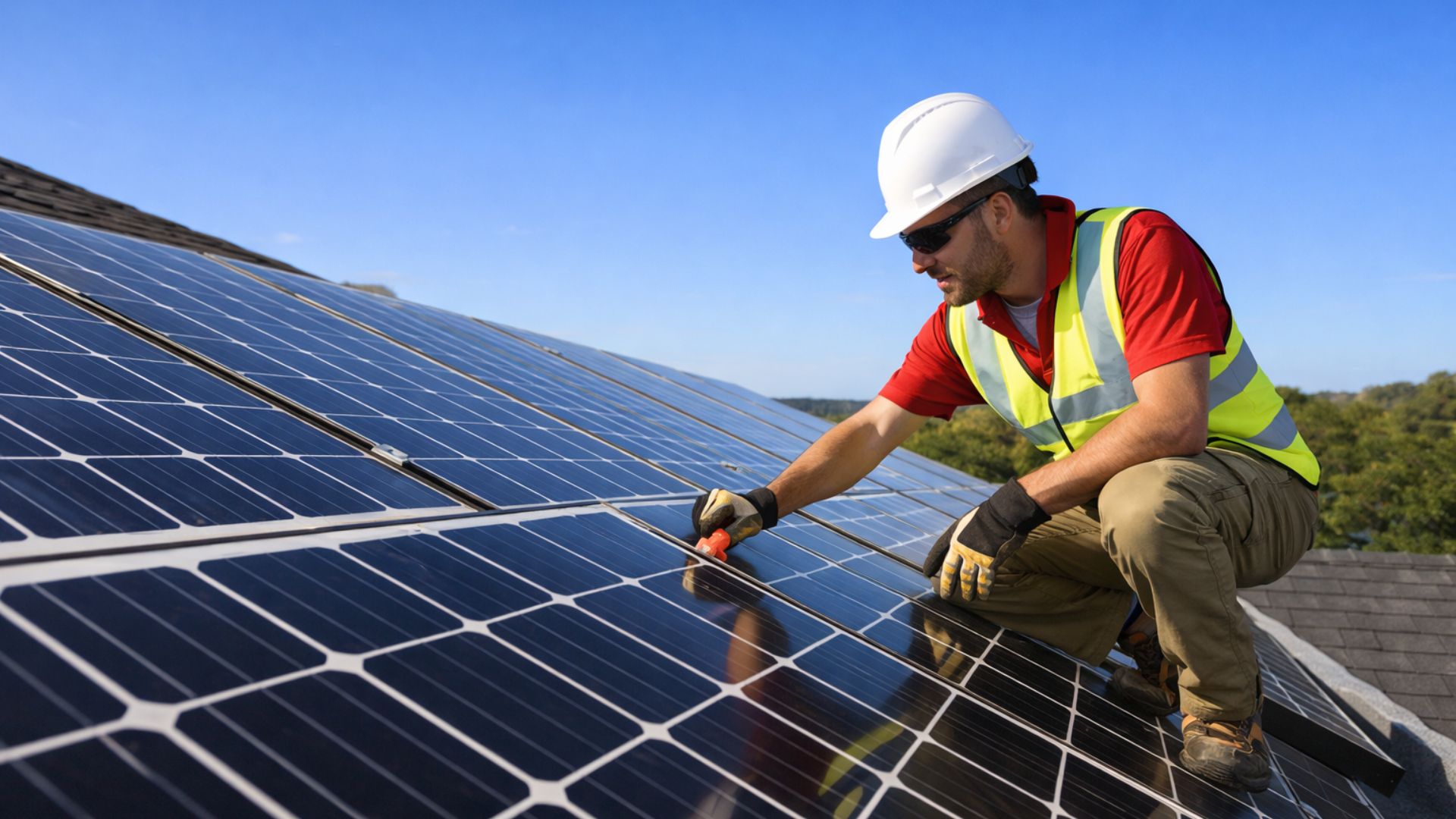
Seagri’s headquarters invests in solar energy with Neoenergia Coelba and promises to cut electricity costs, highlighting a strategic advance in sustainability and energy efficiency within state public administration.
-
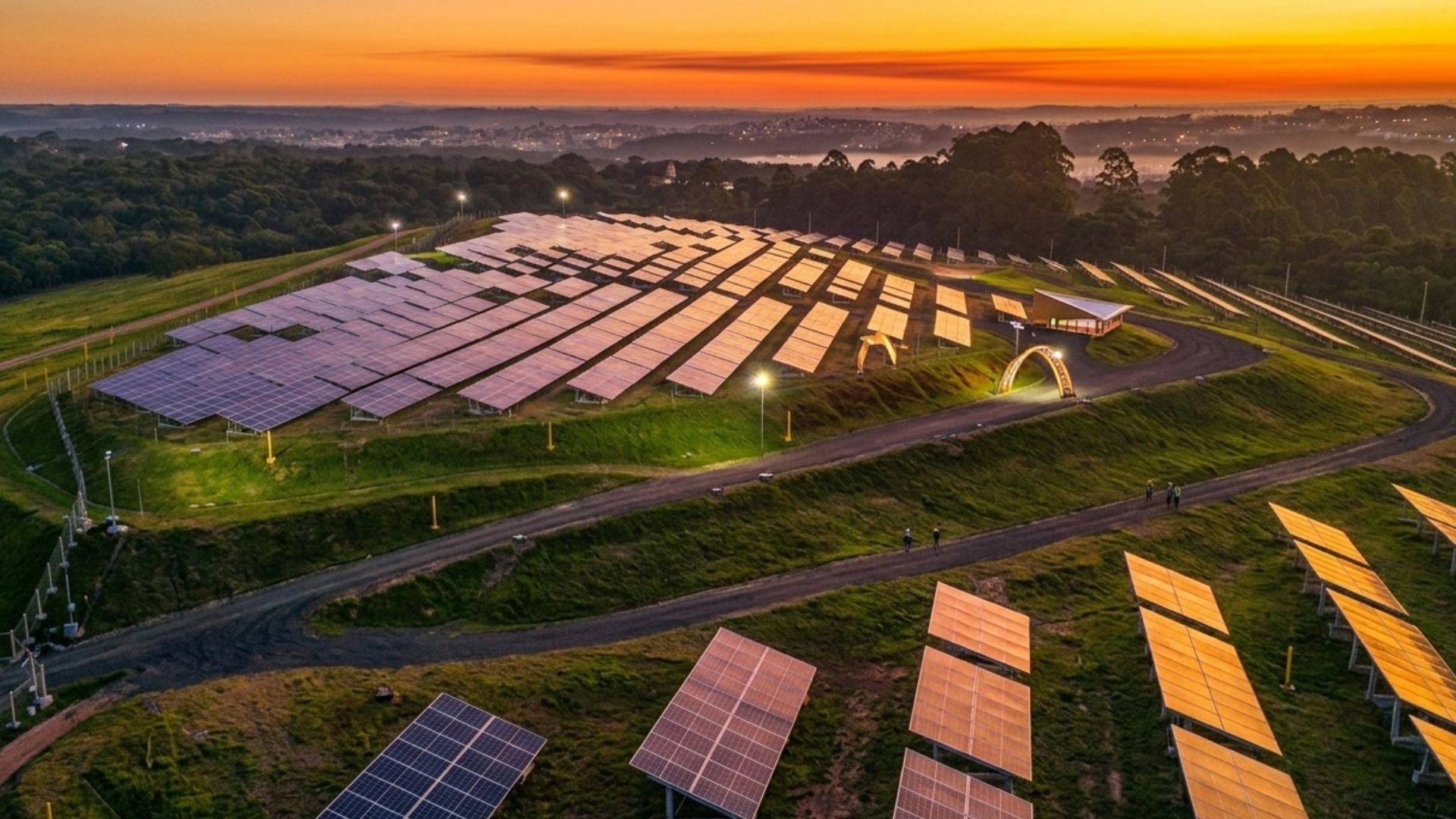
Solar Pyramid draws attention by converting solar energy into million-dollar savings and repositioning the City Hall of Curitiba as an example of innovation, sustainability, and intelligent use of public resources.
-
Europe records strong euro economy with solar energy in March and sparks curiosity about which country leads growth that redefines the energy market and reduces costs.

-
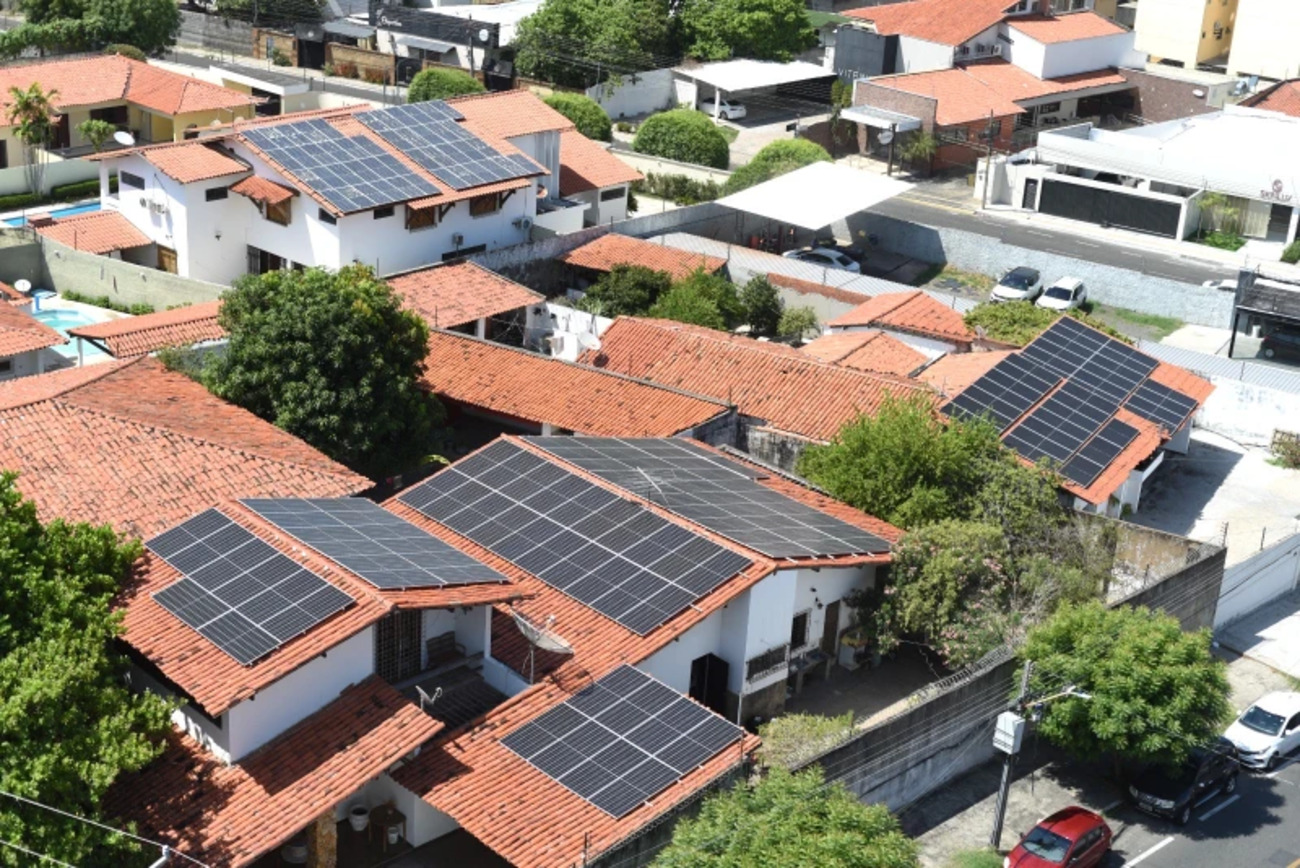
Piauí reaches a historic milestone in energy transition: State records nearly 160,000 households powered by solar energy and leads growth in the Northeast.

Unprecedented Dimension and Large-Scale Engineering
Upon full completion, the offshore solar plant will occupy over 1,200 hectares of shallow water, becoming the largest facility of its kind in the world. According to Chinese energy authorities, the project was designed to operate under specific maritime conditions, with structures resistant to corrosion, winds, and tidal variations.
Unlike floating solar plants in continental reservoirs, the marine environment imposes additional technical challenges. However, by overcoming these barriers, China paves the way for the replication of the model in other coastal regions of the planet.
Consequently, the plant also serves as a technological laboratory, bringing together innovation in engineering, materials, and grid connection systems.
Solar Energy and Intelligent Use of Marine Space
One of the most relevant aspects of the project lies in the integrated use of space. According to the Chinese government, the water beneath the solar panels will not be wasted. On the contrary, it will be used for the cultivation of plants and marine organisms, such as algae and aquatic species for food.
In this way, the project combines energy production and food production, creating a hybrid model that maximizes the use of natural resources. Instead of excluding traditional activities, the plant coexists with them.
Thus, the initiative stands out as a “win-win” solution, merging energy security, environmental sustainability, and support for the local economy.
Renewable Energy as a National Strategy
Historically, China has consistently invested in the expansion of renewable energy. According to official data from the Chinese government, the country leads globally in both installed capacity of solar and wind energy.
In this context, the offshore solar plant reinforces a clear strategy: diversify sources, reduce emissions, and ensure energy supply for a large-scale economy. By betting on projects of 1 GW or more, China demonstrates planning and execution capabilities rarely achieved by other countries.
Additionally, the direct connection to the electrical grid shows that the project is already integrated into the national system, effectively contributing to energy supply.
Global Impacts and Reference for Other Countries
The operation of the world’s largest offshore solar plant is expected to generate repercussions beyond China’s borders. Energy sector experts point out that the project serves as a reference for countries with long coastlines and high electricity demand.
In a global scenario marked by decarbonization goals, offshore solutions are becoming attractive. They allow for the expansion of renewable generation without putting pressure on land use, as well as reducing conflicts with agricultural and urban areas.
Therefore, the Chinese model may inspire new investments in Asia, Europe, and other coastal regions of the world.
A New Chapter in Solar Energy
By connecting a 1 GW offshore solar plant to the electrical grid, China opens a new chapter in the history of solar energy. More than breaking records, the project points to pathways for a more integrated, efficient, and sustainable energy transition.
The combination of large-scale electricity generation and marine cultivation demonstrates that energy innovation can go hand in hand with food security and environmental preservation.
Thus, the world’s largest offshore solar plant represents not only a technological advancement but also a symbol of how renewable energy can adapt to different territories, create synergies, and respond to the major challenges of the 21st century.









-

Uma pessoa reagiu a isso.