





 Portuguese
  English
  Spanish
 5 min of reading
  0 comments


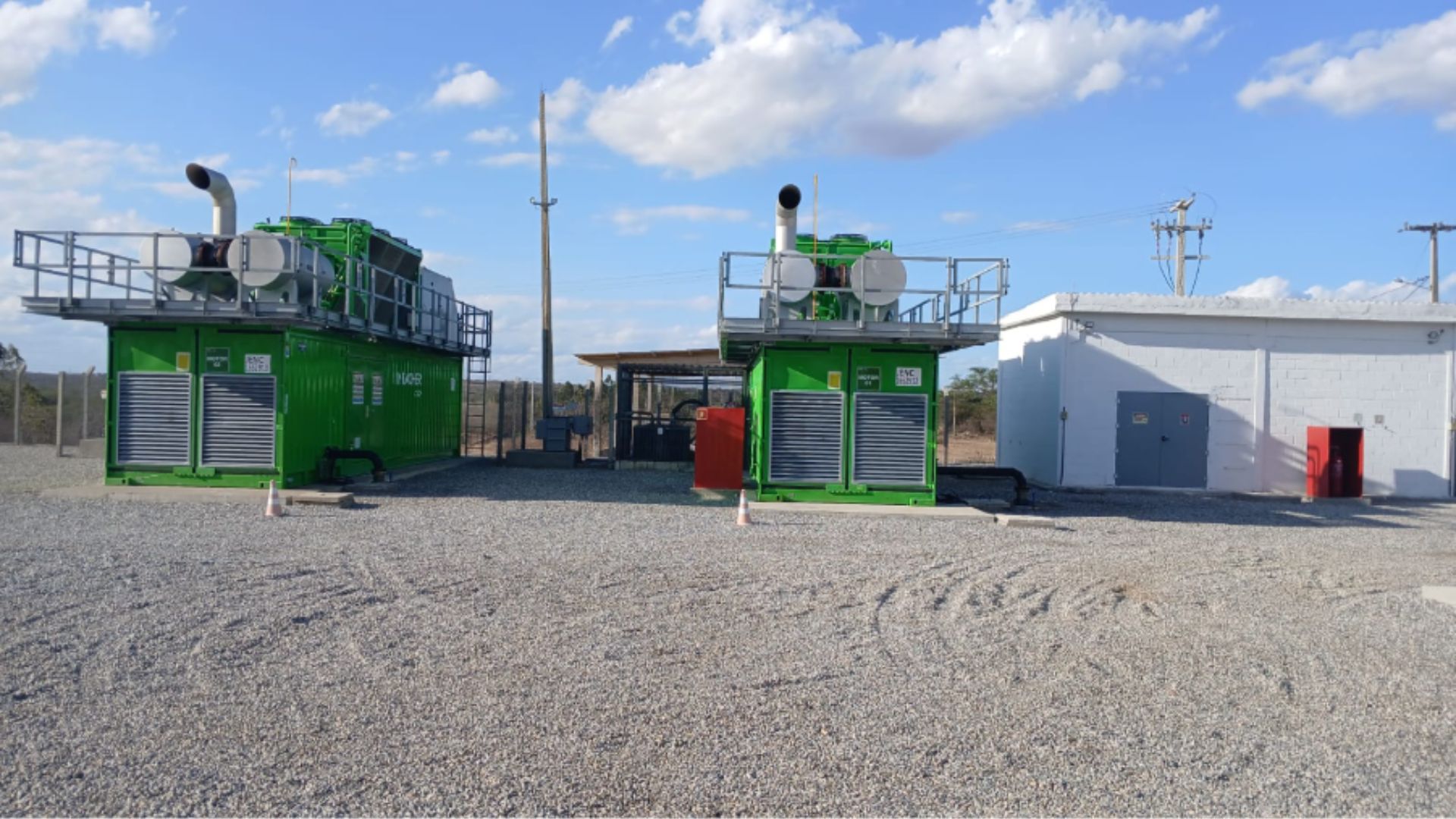
Learn How Biogas Plants in Paraíba Are Converting Urban Waste into Clean Energy, Reducing Emissions, Strengthening the Local Economy, and Guaranteeing Real Discounts on Electricity Bills
In January 2026, Paraíba advanced in the national energy transition landscape. In a joint partnership between PopSol, from the CMU Energia group, Asja, and Ecosolo, two biogas plants located in the municipalities of Guarabira and Campina Grande, began commercial operations, transforming urban solid waste into renewable energy. The total capacity of the units is enough to supply up to 20,000 households, providing direct savings on electricity bills and reducing environmental impacts associated with waste disposal.
Biogas Plants Strengthen the Renewable Energy Matrix in Paraíba
The project received an investment of R$ 40 million and already serves consumers through a distributed generation model. The initiative combines sustainability, technological innovation, and cost reduction, strengthening Paraíba’s energy matrix and expanding access to clean energy.
The biogas plants were strategically established next to landfills that receive waste from neighboring municipalities. Each plant has an installed capacity of 2.5 MW, allowing for continuous and stable generation of renewable energy, regardless of weather conditions.
-
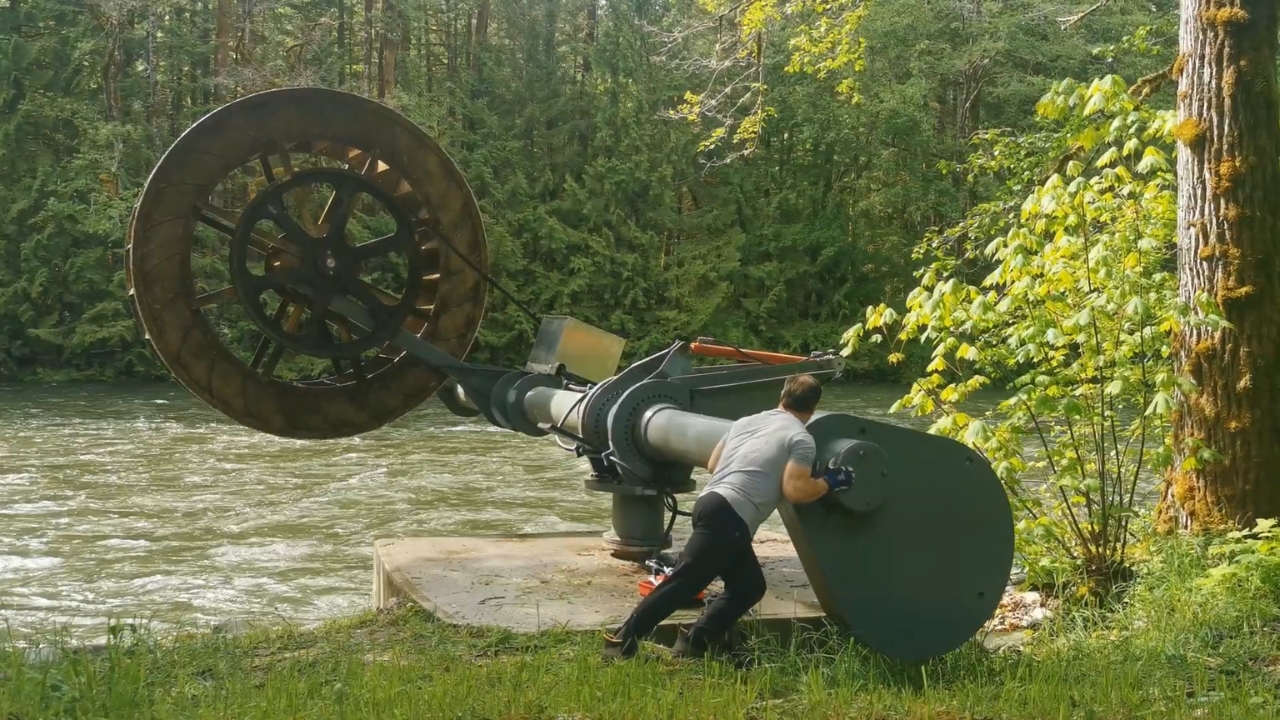
A Canadian retiree creates a hydroelectric system on a real river, generating energy continuously throughout the day and demonstrating how the power of water can supply a house with stability even in a simple structure.
-
Petrobras reaffirms its commitment to the market and ensures that it will carry out the energy transition safely to maintain national sovereignty.

-
Researchers discover a possible hydrogen deposit of up to 46 million tons beneath an ancient coal basin, and the volume could exceed half of the entire global production.

-
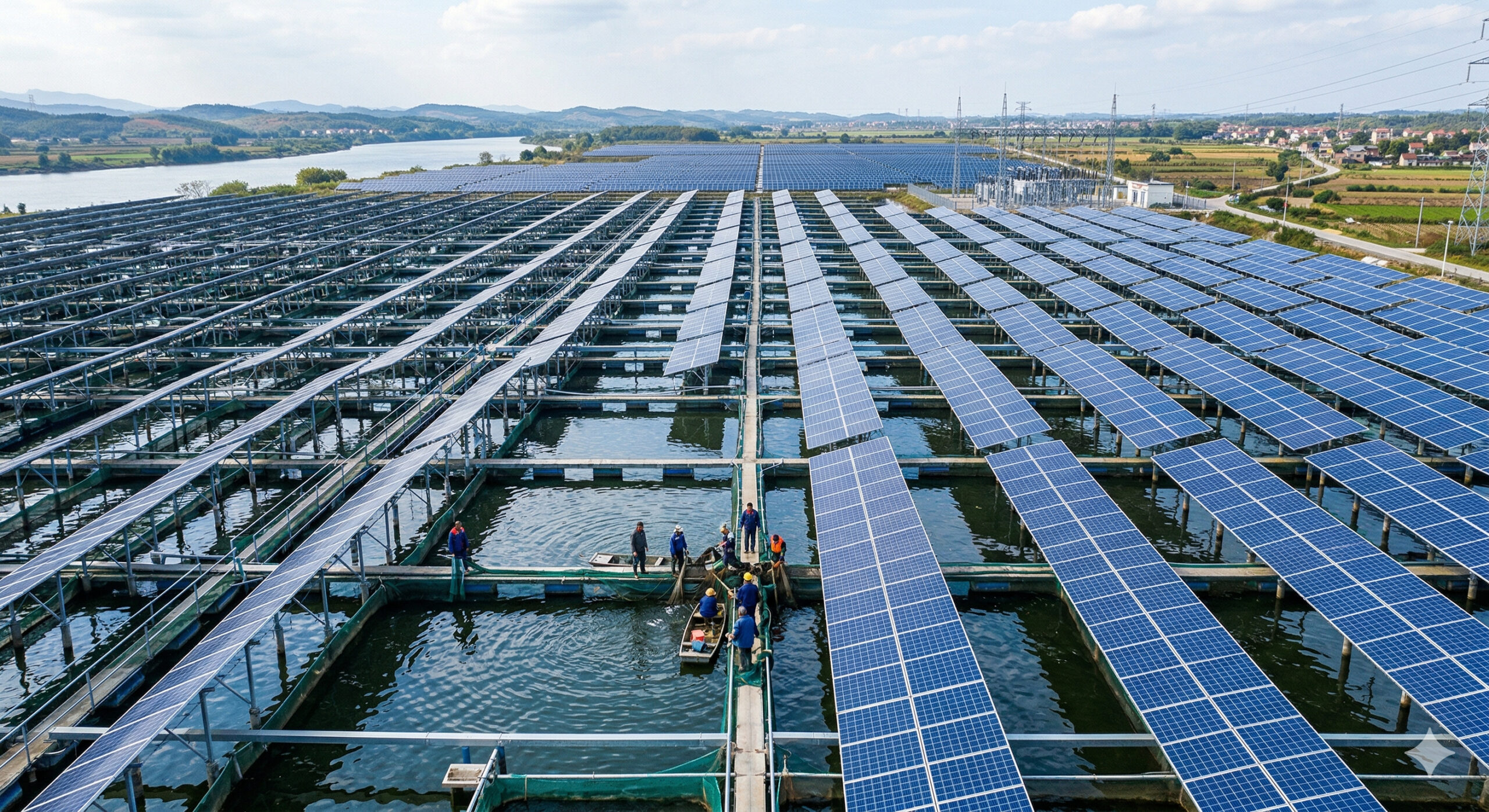
China bets on the Fishery-PV model and transforms fish farms into giant solar plants, covering ponds with panels that generate energy while utilizing the same space for large-scale aquaculture production.

In Paraíba, this type of project gains relevance by integrating basic sanitation, waste management, and electrical generation. Urban waste ceases to be an environmental liability and becomes a strategic energy source, contributing to the diversification of the state’s electric matrix. This advancement also reduces reliance on fossil sources and complements other renewable alternatives, such as solar and wind energy, already present in the state.
How Urban Waste is Transformed into Renewable Energy
The process adopted in the biogas plants is based on capturing the gas generated by the decomposition of organic waste in landfills. In Campina Grande, for example, about 200 trucks of waste per day dump material, which is compacted and undergoes controlled decomposition.
During this process, methane is released, a gas with a global warming potential 28 times greater than carbon dioxide. When captured, treated, and converted into electricity, this gas ceases to be an environmental problem and becomes a source of renewable energy. The result is twofold: emission reduction and efficient utilization of waste, reinforcing the role of biogas as a long-term sustainable solution.

Cost Savings for Consumers with Distributed Renewable Energy Generation
The electricity generated by the biogas plants is sold through a distributed generation (DG) model. In this system, the energy produced is injected into the utility’s grid and converted into credits, which are deducted from the electricity bills of participating consumers.
This model allows for real savings, without the need for investment in personal infrastructure, such as solar panels. In practice, consumers significantly reduce their monthly electricity costs, making renewable energy more accessible.
In Paraíba, the adoption of distributed generation from biogas expands the social reach of the energy transition and strengthens the local economy by keeping investments within the state.
Positive Environmental Impacts of Biogas Plants in Paraíba
In addition to reducing electricity bills, biogas plants promote relevant environmental benefits. The capture of methane prevents its direct release into the atmosphere, contributing to climate change mitigation.
Every ton of waste treated represents fewer greenhouse gases and more environmental efficiency. In Paraíba, this means concrete progress in the management of urban solid waste, one of the main environmental challenges facing Brazilian cities. By transforming waste into renewable energy, the project also reduces pressure on landfills and extends the lifespan of these structures.
Partnership Between Companies Drives the Advancement of Biogas
The project of the biogas plants in Paraíba is a result of the joint action of specialized companies. The Italian Asja, an international reference in renewable energy, leads the development, construction, and operation of the units.
Migratio Bioenergia analyzes the technical, regulatory, and commercial feasibility of the projects, while Ecosolo is responsible for managing and disposing of solid waste in landfills.
Meanwhile, PopSol, a company of the CMU Energia group, markets the renewable energy generated, connecting the production of the plants to residential consumers and enabling savings on electricity bills.
According to Rickard Schafer, director of Asja Brasil, the project represents an important step toward making the state energy matrix cleaner, more accessible, and modern.
Paraíba Advances at the Forefront of Energy Sustainability
With the commissioning of the biogas plants, Paraíba positions itself as a national reference in sustainable solutions based on the circular economy. Transforming waste into renewable energy demonstrates technological maturity and environmental commitment.
For CMU Energia, the project represents the expansion of its activities in the Northeast and the strengthening of decentralized energy models. According to Walter Fróes, the company’s director, the initiative provides simultaneous benefits for the environment and for consumers’ pockets.

Carbon Credits Expand the Economy and Viability of Biogas
In addition to electricity generation, the project plans to commercialize carbon credits in the voluntary market. The Campina Grande unit alone has the potential to issue about 91,000 carbon credits per year.
This additional revenue strengthens the economic viability of the biogas plants and expands the positive impact of the renewable energy produced in Paraíba.
According to the Brazilian Association of Biogas (ABiogás), Brazil has an estimated potential of 84.6 billion cubic meters of biogas per year, a volume sufficient to meet nearly 40% of the national electricity demand or replace about 70% of diesel consumption.
Renewable Energy that Transforms Waste into Development
The biogas plants operating in Paraíba prove that the energy transition can be practical, efficient, and economically viable. Urban waste, once an environmental problem, becomes a strategic source of renewable energy and savings.
The project reduces emissions, strengthens the electric matrix, generates carbon credits, and provides real savings to consumers. More than just an energy solution, it is an integrated model of sustainable development, capable of inspiring other Brazilian cities to turn environmental challenges into concrete growth opportunities.







-

3 pessoas reagiram a isso.