





 English
  Francês
  Alemão
  Italiano
  Japonês
  Norueguês
  Portuguese
  Spanish
  4 min of reading


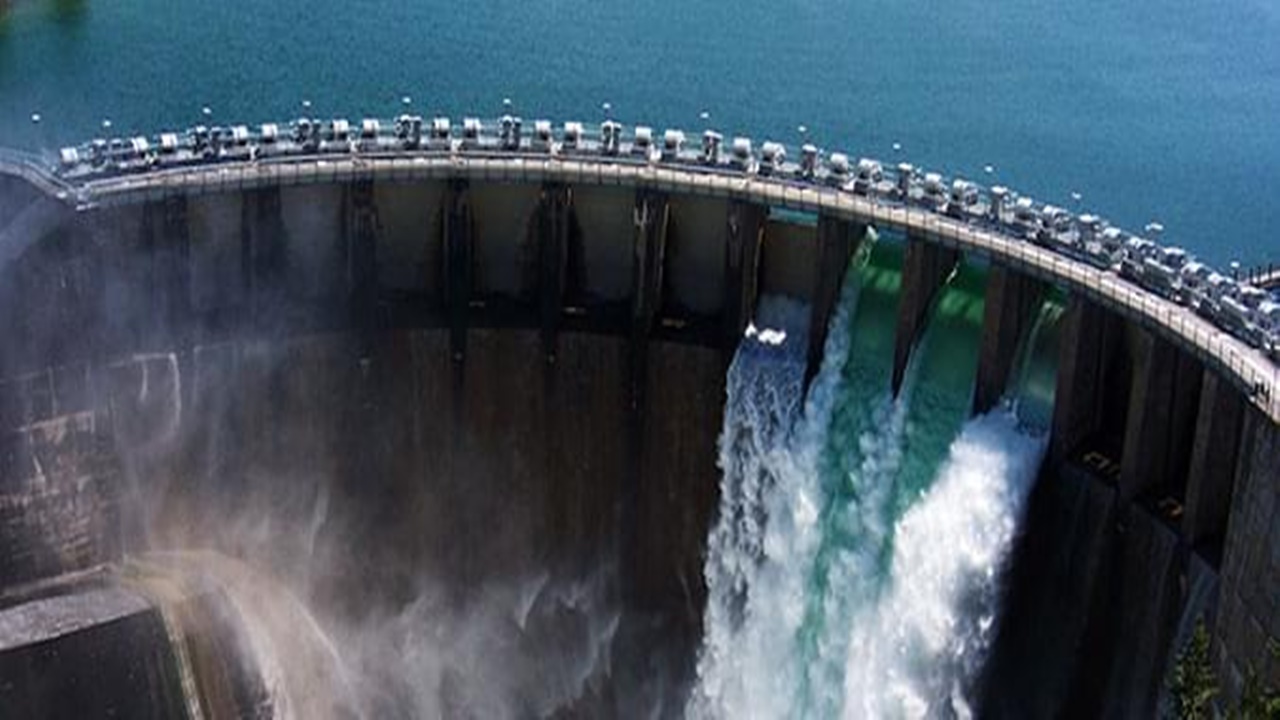
Hydropower Plants Have a Lower Carbon Footprint Than Wind, Solar, and Gas Thermal, as Well as Offering the Lowest Global Cost in the Electric Sector.
The Law 14.182/2021, which addresses the privatization of Eletrobras, established mandatory contracting of energy from hydropower plants in auctions A-5 and A-6, requiring the contracting of 50% of the demand declared by distributors, up to 2,000 MW from 2021 to 2026, with energy delivery starting from 2026. However, the A-5 auction, held on September 30 of this year, excluded Small Hydropower Plants (PCHs) from the bidding.
See Also
- Petrobras Disinvestments in the Pipeline Segment, Pre-Salt, and the New Natural Gas Law Create Opportunities, Attract Investments, and Grow the Duto Sector in Brazil
- Light, Together with a Consortium of Organizations from the United Kingdom, Launches a Clean Energy Project and Donates a Solar Panel Kit to Homes in Baixada Fluminense, RJ
- Even with High Dollar Prices, Fuel Costs Have Plummeted, Reaching R$ 1.98 Per Liter of Ethanol at the Beginning of the Pandemic, but It Didn’t Last, and Consumers Suffer with Constant Price Surges
- Global Wind Turbine Giants, Vestas and Siemens Gamesa, Become Victims of Their Own Success
The National Congress envisioned the participation of PCHs in the auctions to correct: (i) the problems caused to the electric sector and consumers by the extremely low contracting of hydropower plants in the last 20 years, especially PCHs and CGHs, which, from 2005 to 2018, accounted for less than 2% of the total; and (ii) the damages caused to the PCH and CGH sector due to the lack of equality with other renewable sources and fossil sources, creating artificial disadvantages against PCHs and CGHs.
Measure Acts as a Bridge Until the Main Problems Facing the Sector Are Corrected
According to Paulo Arbex, president of the Brazilian Association of PCHs and CGHs (ABRAPCH), this measure acts as a bridge until the main problems facing the sector are corrected: (i) taxation of its production chain up to 38% higher than other renewables, (ii) environmental compensation requirements costing 30% more than its competitors, (iii) exemptions and tax breaks of over R$ 98 billion/year for fossil fuels, (iv) absence of remuneration for ancillary services provided by PCHs and CGHs, (v) disproportionate sharing of network costs to usage, (vi) use of hydropower reservoirs in the MRE to solve third-party problems (often their competitors), for which they were not designed and which do not concern them.
-
Rio Grande do Sul accelerates energy transition: State invests in renewable technologies and consolidates decarbonization strategies and pathways to attract billions in new industrial investments.

-
With 160,000 m² of collectors, an area larger than 20 football fields, Silkeborg, in Denmark, hosts a solar thermal plant that heats 19,500 homes and could become the largest solar heating plant in the world.

-
A study reveals the expansion of renewable energy procurement in Brazil and shows how companies are taking advantage of opportunities to reduce expenses, ensure energy efficiency, and strengthen strategic environmental commitments.

-
Mato Grosso do Sul excels in the sugar-energy sector: the state reaches a milestone of 22 operating mills and accelerates the production of clean energy in MS with a focus on sustainability.

Hydropower plants provide the most efficient way to generate electricity, the cleanest, cheapest, and safest way to store energy in the form of water in their reservoirs, making them the most renewable among all renewables (according to IPCC-UN), having the lowest carbon footprint in the electric sector (1/3 of wind, 1/12 of solar, and 1/115 of gas thermal), and offering the lowest global cost in the electric sector.
The construction of this type of plant takes about one to one and a half years to become operational, while thermal plants can take up to 5 years in A-3, A-5 auctions. Arbex believes that the country’s competitive advantage to avoid water crises is to build more reservoirs to satisfactorily size water storage during the rainy season.
More Developed Countries Like Germany and Norway Prioritized Hydropower Plants Before Resorting to More Expensive Alternatives
That is why more developed countries prioritized hydropower before resorting to more expensive, less efficient, or more polluting alternatives.
“In Germany, a country with an area equivalent to half of the state of Minas Gerais and where the Green Party holds more power, hydropower plants are regarded as a national strategic priority. While Germany, with 7,200 hydropower plants, continues to seek to enable others with the support of the Green Party, Brazil, with only 1,500, debates whether it doesn’t already have too many hydropower plants. It’s almost surreal,” Arbex comments.
“Norway, the third-largest gas exporter in the world and the twelfth in oil, generates 94% of its electricity through hydropower and has never faced any supply or electricity rationing issues. The difference? Norway made the decision to supply its internal market with the clean, cheap, safe, and reliable energy from hydropower, and, unlike Brazil, encouraged the source instead of penalizing it. It exports its oil and gas and supplies its population with hydroelectricity. Brazil should do the same. Export the pre-salt oil and gas instead of burning it for electricity generation and supply the internal market with a combination of renewables: hydropower, biomass, wind, and solar. Brazil needs to maximize its riches, monetizing both its hydraulic potential and its oil reserves, instead of allowing one wealth to cannibalize the other,” Arbex concludes.






Seja o primeiro a reagir!