





 Portuguese
  English
  Spanish
  3 min of reading


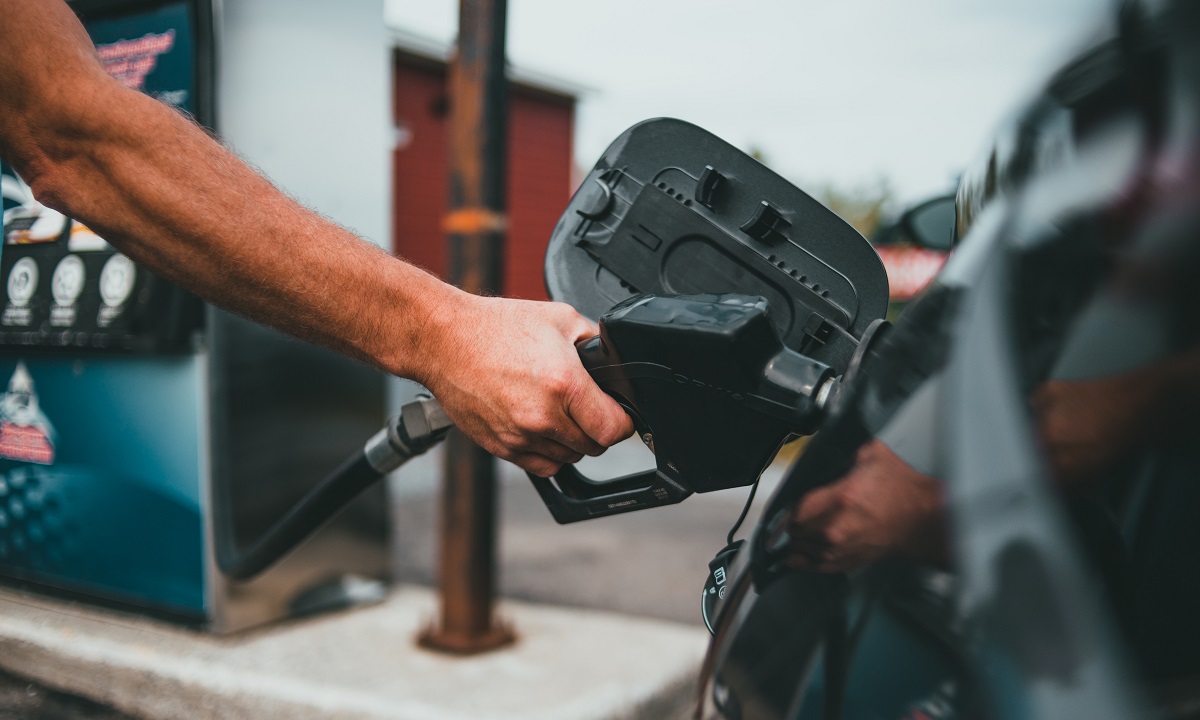
Profit From Ethanol Sales Fell Compared to Sugar, Leading Mills to Shift Their Production Efforts Away from Fuel
The drastic tax cuts on fuels by President Jair Bolsonaro (PL), mainly on gasoline, are likely to lead mills to avoid the biofuel ethanol and heavily invest in sugar.
Understand the Advantage of Producing Sugar for Mills
According to sugar and ethanol experts, profits from cane ethanol sales have fallen so much compared to sugar that Brazilian mills, which have the flexibility to produce either one, will shift as much as possible to sugar production as the second phase of the harvest begins.
Brazilian analyst Julio Maria Borges, from JOB Economia, questioned why Brazilian mills continue to produce ethanol if they are suffering losses from ethanol sales. The risk faced by sugar producers worldwide is that the price of sweetener may decrease due to the drastic cut in ethanol production by Brazilian mills, which would increase global sugar supply.
-
China bets on the Fishery-PV model and transforms fish farms into giant solar plants, covering ponds with panels that generate energy while utilizing the same space for large-scale aquaculture production.

-
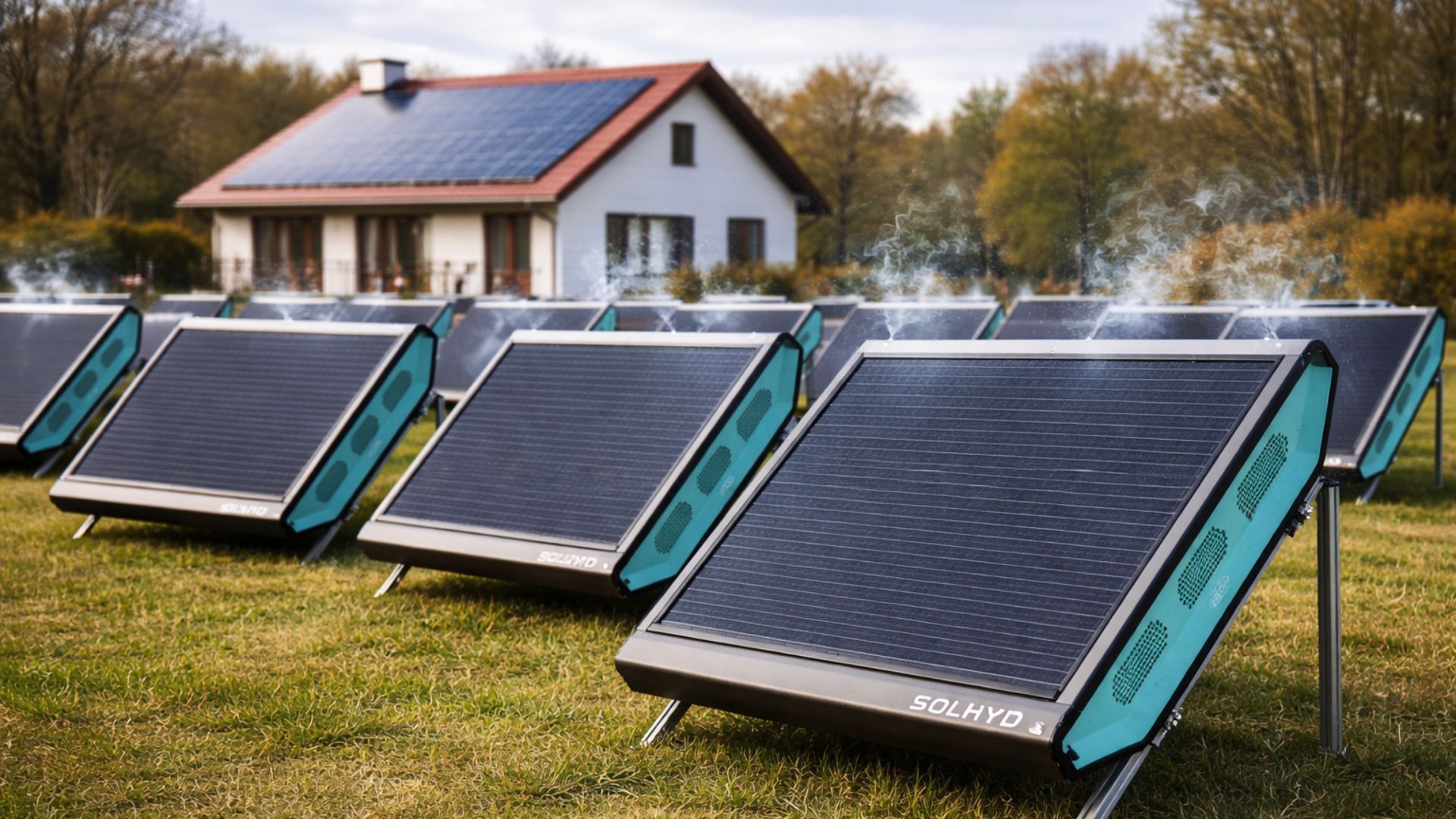
Green hydrogen at home: Belgium launches new technology that makes solar panels produce fuel from the moisture in the air, which could boost the energy transition.
-
Revolution in public transport: Goiânia puts into circulation the first articulated buses powered by biomethane in Brazil and promises to drastically reduce pollution on the Anhanguera Corridor.

-
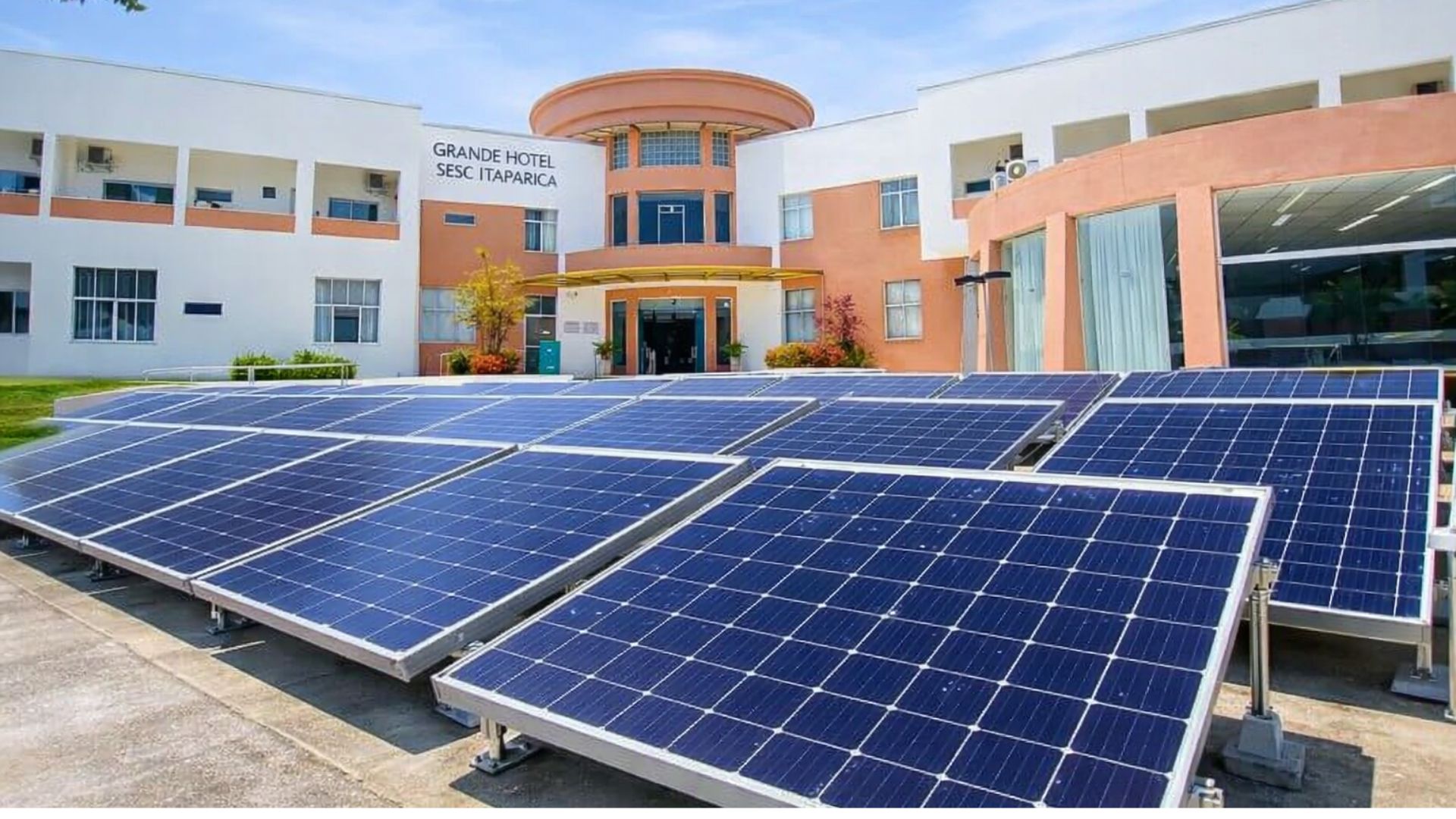
Sesc-BA bets on renewable energy with the support of EDP and drives the energy transition with a direct impact on cost reduction and the sustainability of its operations in Bahia.

Gasoline used to be taxed more than ethanol. However, since the Brazilian government temporarily canceled federal taxes on fuels, the price advantage of ethanol at the pumps has diminished.
Brazilian producers of sugar and ethanol, in deciding their production strategy, constantly monitor the so-called ethanol parity, that is, the financial return of the biofuel equivalent to the prices of raw sugar on the ICE.
Michael McDougall, managing director of the brokerage Paragon Global Markets, LLC, based in New York, questions what other damages could be caused if the parity of ethanol is already at 13.70 (cents per pound). Sugar futures on the ICE closed at 18.35 cents per pound on Monday (12), which is nearly 35% above the value of ethanol in Brazil.
However, according to Claudiu Covrig of Covrig Analytics, there are temporary limitations to shifting much production to sugar due to the peak harvest period. Mills need to use part of their ethanol facilities to handle the high volumes of cane crushing currently. The shift to sugar, according to Covrig, will happen gradually as crushing volumes become smaller during the last months of the season.
According to data from the industry group Unica, the highest allocation of cane to sugar was 49.7% in 2006, and the lowest was 34.3% in 2019. By mid-August, the sugar mix was at 44.7%.
How Is the Price of Ethanol in Brazilian States?
According to a survey by the National Agency of Petroleum, Natural Gas and Biofuels (ANP) compiled by AE-Taxas, ethanol is more competitive compared to gasoline in only three states: Goiás, Mato Grosso, and São Paulo.
Mato Grosso has the best cost-benefit ratio in the country for ethanol (61.42%), unlike Amapá, which is the state where it is least worthwhile (113.35%). In São Paulo, the parity is at 68.30%.
According to an ANP survey, the average price of ethanol dropped 4.85% last week compared to the previous one, with a decrease of R$ 0.18 in just seven days (from R$ 3.71 to R$ 3.53 per liter). In a month, ethanol has already accumulated a fall of 14.53%.
In São Paulo, the leading producer and consumer and state with the most gas stations evaluated by the agency, the average price plummeted 27.86% over the week, to R$ 3.34, representing the largest percentage drop in the country. Conversely, Sergipe was the state with the largest price increase (28.1%), causing the average price of ethanol to jump R$ 0.99 in just seven days, from R$ 3.51 to R$ 4.50 per liter.
The lowest price per liter of ethanol found by ANP was at a gas station in São Paulo (R$ 2.74), while the highest was in Rio Grande do Sul (R$ 6.99). The lowest state average price is currently in Mato Grosso (R$ 3.12), and the highest is in Amapá (R$ 5.35).







Seja o primeiro a reagir!