





 Portuguese
  English
  Spanish
 5 min of reading
  0 comments


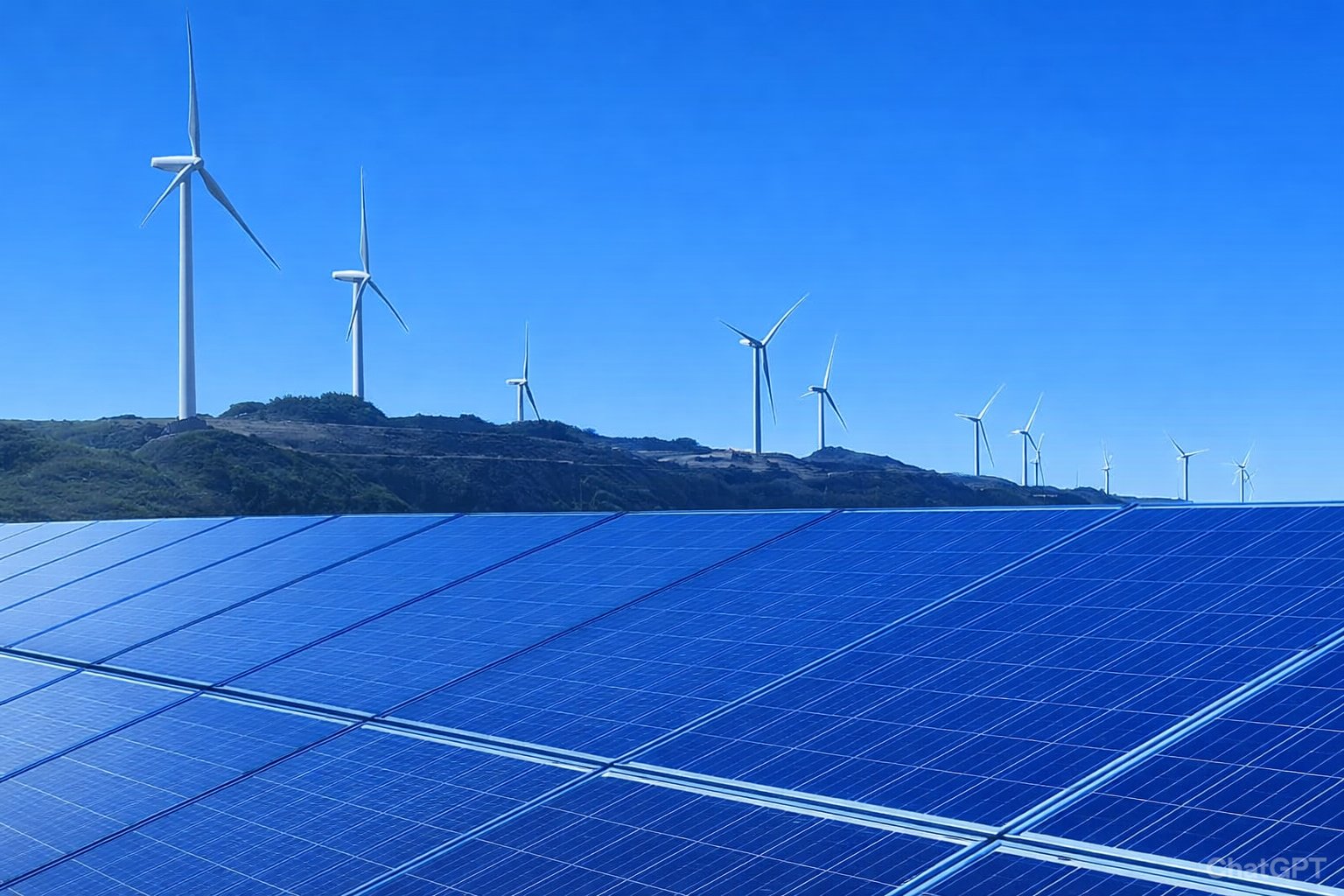
Solar Power Plants in Mato Grosso do Sul Gain Attention from Unipar and Enhance the State’s Role in Clean Energy Generation
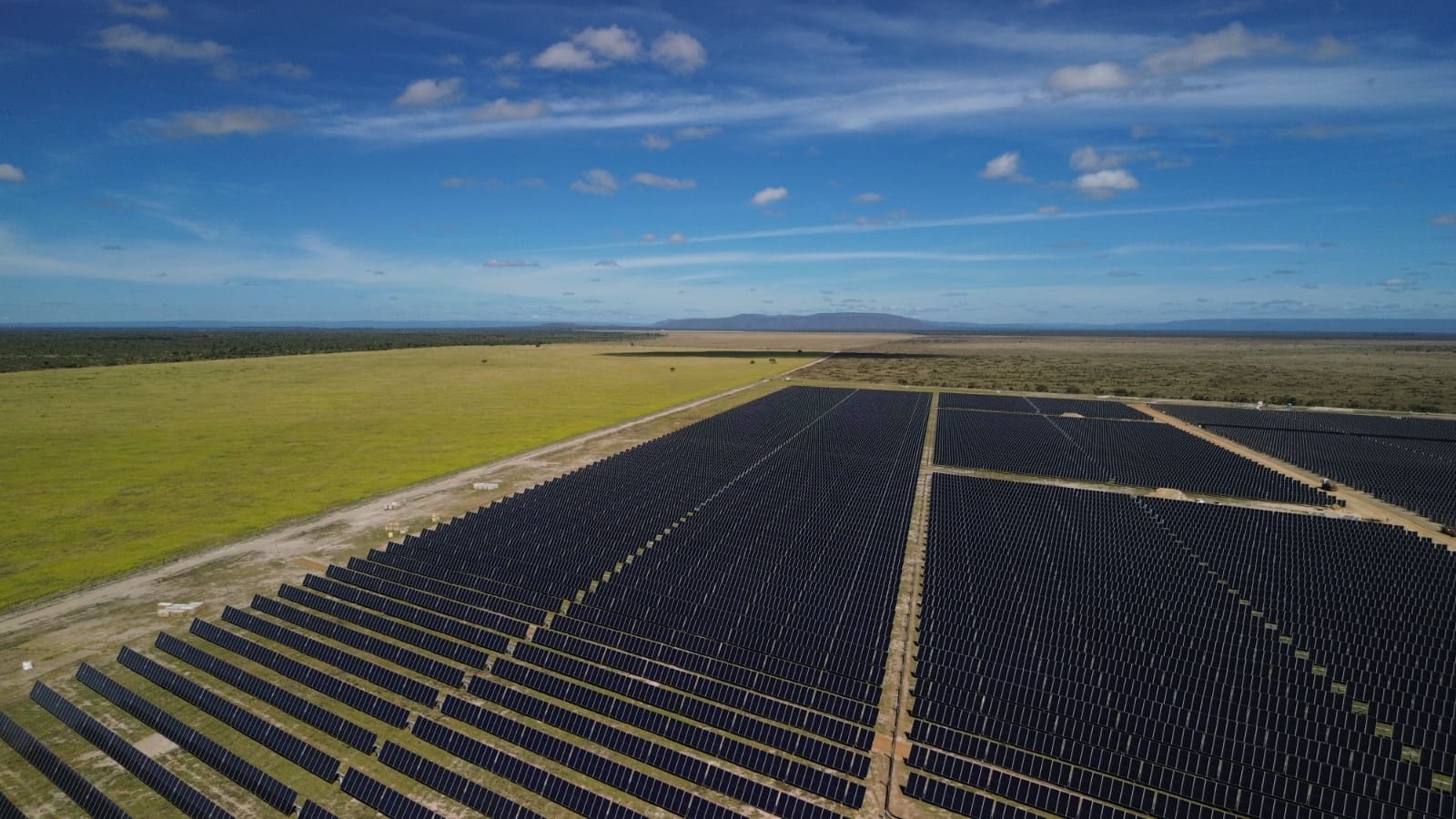
The solar power plants in Mato Grosso do Sul will receive new investments from Unipar, one of the largest chemical companies in South America. The company plans to allocate resources to the implementation of photovoltaic projects in the state, strengthening the regional energy matrix and expanding the use of renewable sources.
This decision positions Mato Grosso do Sul strategically in the context of Brazil’s energy transition. Furthermore, it signals that large industries are seeking sustainable alternatives to ensure competitiveness and security in energy supply.
In this context, the solar power plants in Mato Grosso do Sul will become part of the company’s industrial expansion planning. The initiative is expected to impact job creation, revenue generation, and technological development.
-
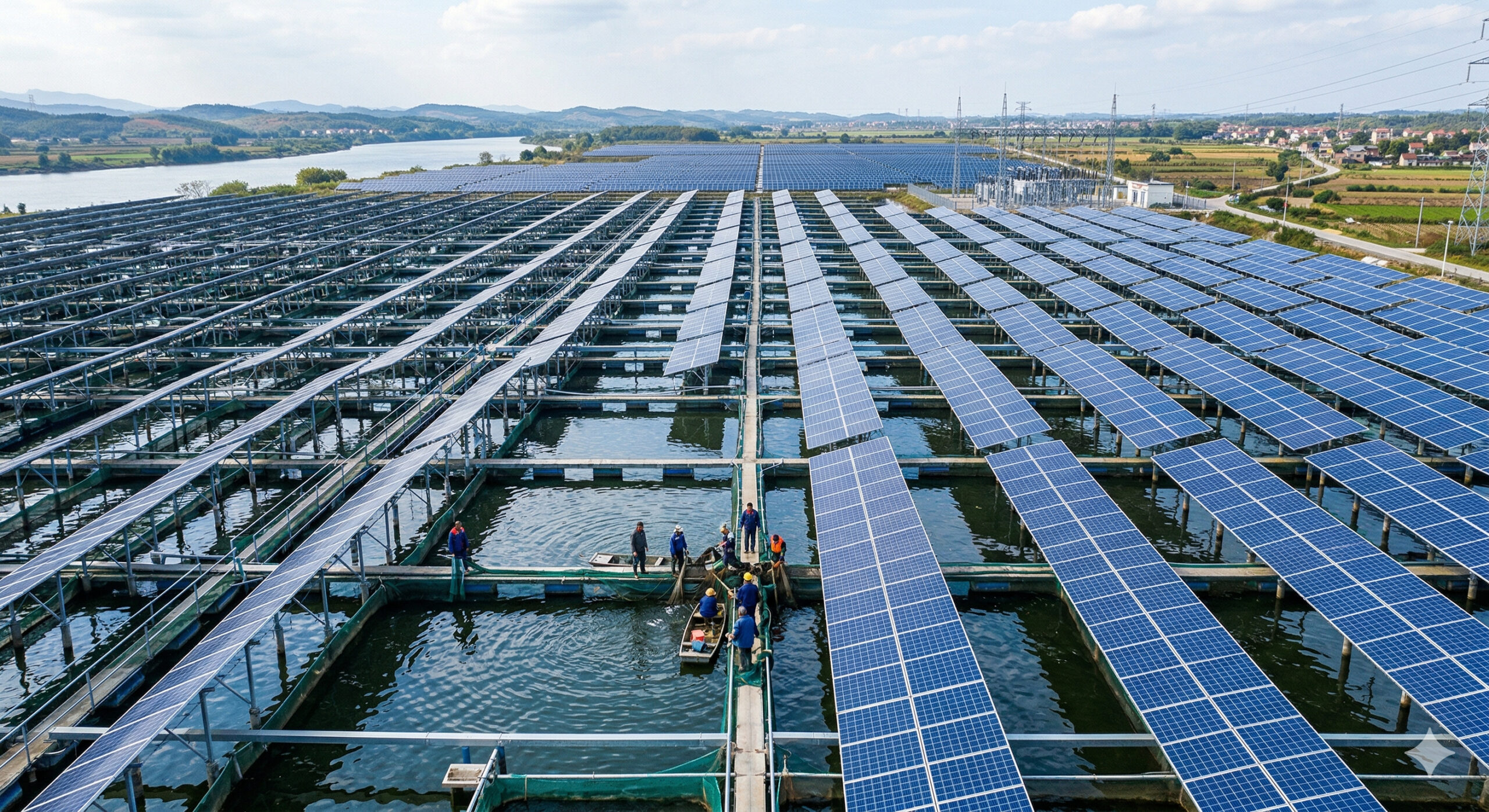
China bets on the Fishery-PV model and transforms fish farms into giant solar plants, covering ponds with panels that generate energy while utilizing the same space for large-scale aquaculture production.
-
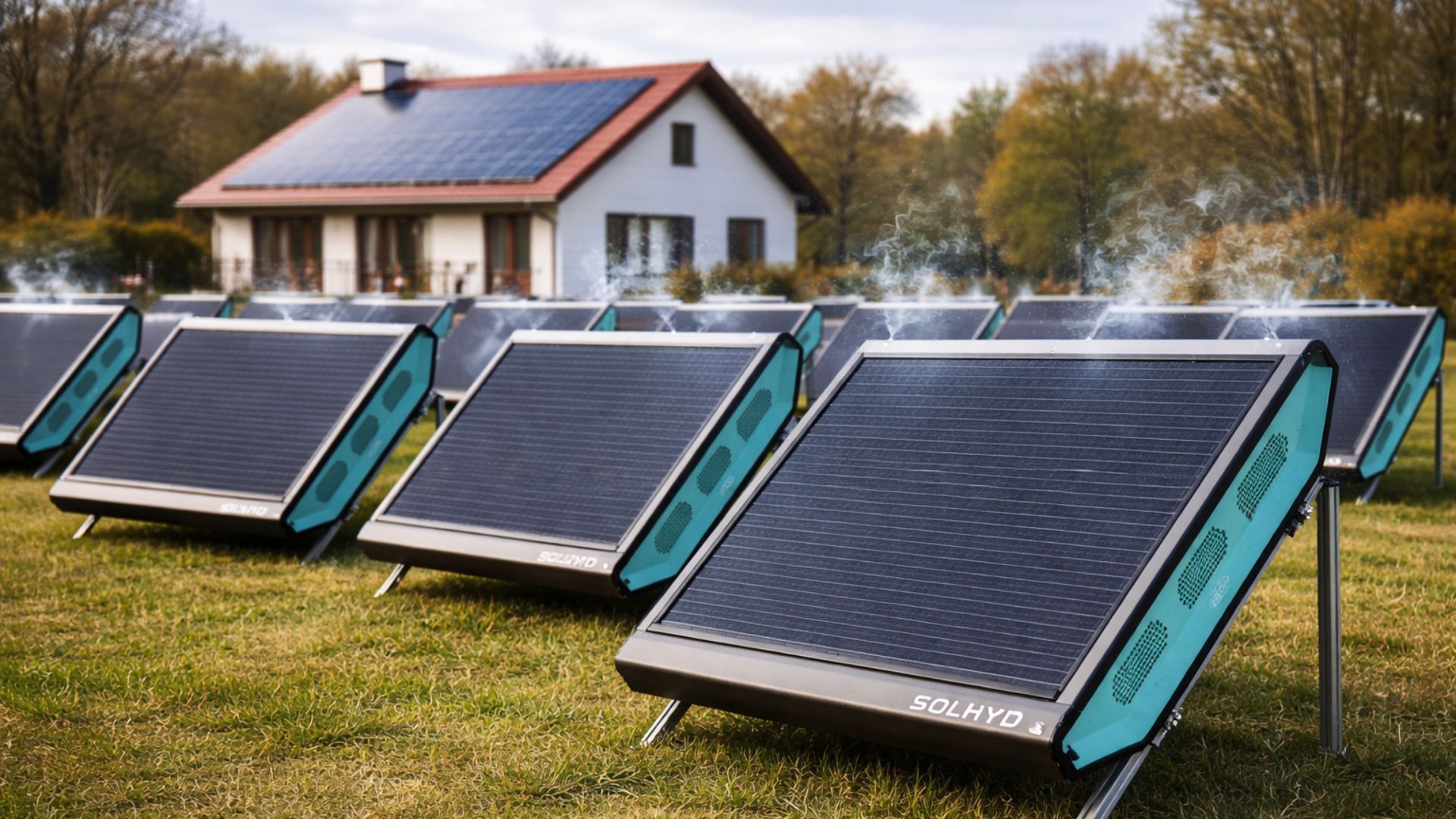
Green hydrogen at home: Belgium launches new technology that makes solar panels produce fuel from the moisture in the air, which could boost the energy transition.
-
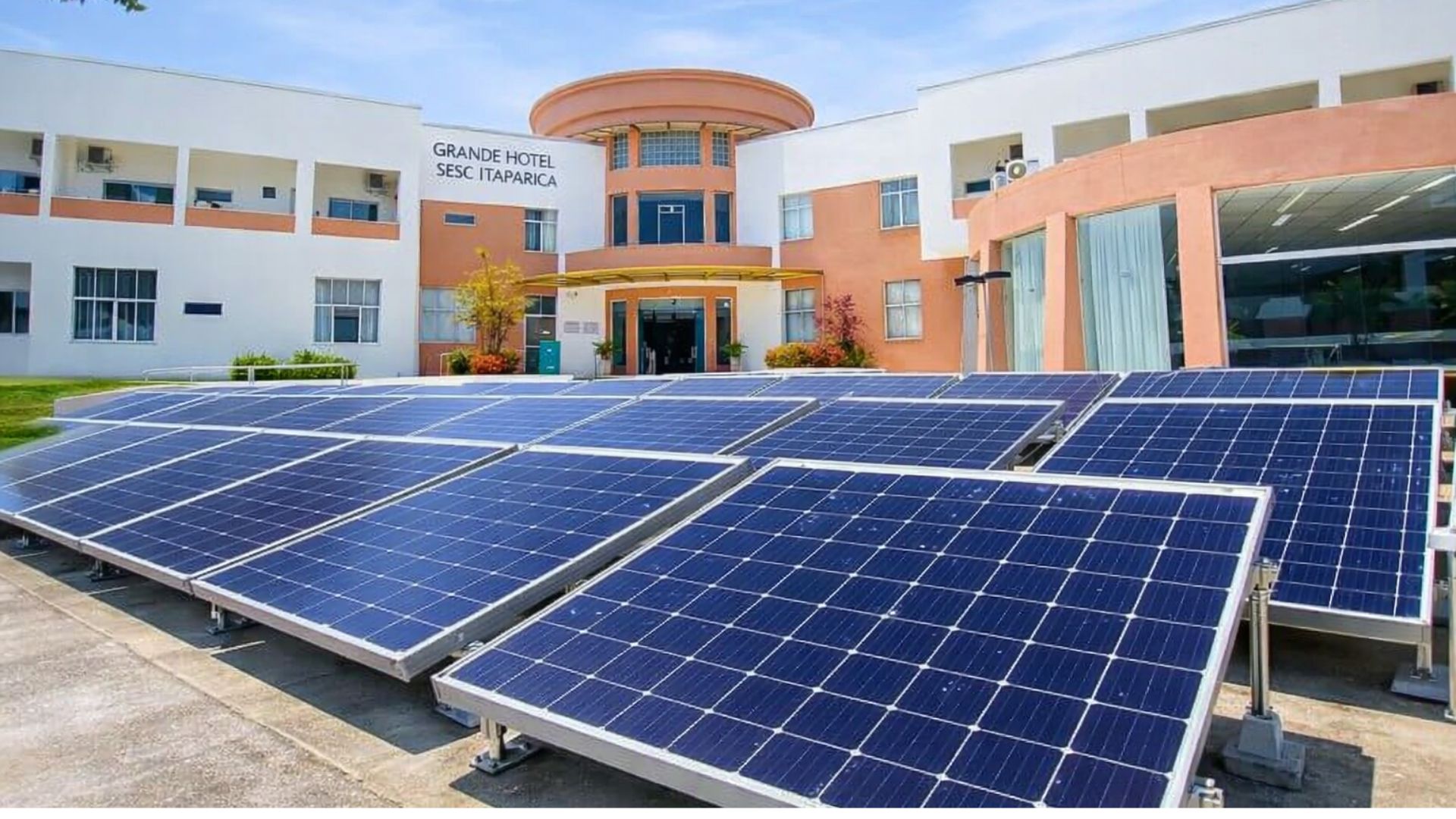
Sesc-BA bets on renewable energy with the support of EDP and drives the energy transition with a direct impact on cost reduction and the sustainability of its operations in Bahia.
-
Technology giant breaks global sustainability records: How Amazon’s leadership in renewable energy procurement transformed the global energy market in the past year.


At the same time, the movement reinforces the national trend of energy diversification, focusing on clean sources and reducing dependence on fossil fuels.
Why Mato Grosso do Sul Attracts Investments in Solar Energy
Mato Grosso do Sul has high solar irradiation rates throughout the year. The climate favors photovoltaic generation and ensures consistent performance of solar panels.
Additionally, the state has ample areas and proper infrastructure for the implementation of solar parks. These factors reduce operational costs and increase attractiveness for investors.
In this scenario, the solar power plants in Mato Grosso do Sul gain ground as a strategic alternative for companies seeking renewable energy with predictability.
The regulatory environment also contributes. The free energy market allows large consumers to negotiate contracts directly with generators, enhancing competitiveness.
Unipar’s Strategy and Energy Security
Unipar operates strongly in the chemical sector, with operations that demand high electricity consumption. Therefore, ensuring a stable and competitive supply has become a strategic priority.
By investing in solar power plants in Mato Grosso do Sul, the company diversifies its energy matrix. Moreover, it reduces exposure to price fluctuations in the traditional market.
Self-generated or contracted renewable energy strengthens long-term financial planning. Thus, the company gains greater cost predictability.
Meanwhile, the investment also reinforces the commitment to more sustainable environmental practices, which are increasingly required by investors and business partners.
Regional Economic Impact
The implementation of solar power plants in Mato Grosso do Sul stimulates various sectors of the economy. The construction of the parks requires specialized labor, engineering services, and equipment supply.
Additionally, the operation of the plants generates permanent jobs and encourages professional qualification.
The state also increases revenue through taxes associated with economic activity. In this way, the investment creates a positive cycle of regional development.
At the same time, local suppliers can integrate the productive chain, strengthening small and medium-sized businesses.
Renewable Energy and Industrial Competitiveness
The industrial sector faces growing pressure to reduce carbon emissions. Large companies seek clean sources to meet environmental goals and ESG standards.
In this context, the solar power plants in Mato Grosso do Sul represent a strategic solution. Solar energy contributes to reducing the carbon footprint and strengthens the institutional image of companies.
Moreover, international consumers value products made with renewable energy. This opens up opportunities for export and access to new markets.
Thus, Unipar’s decision directly aligns with global sustainability demands.
Growth of the Photovoltaic Sector in Brazil
Brazil has seen rapid expansion of solar energy in recent years. The source now occupies a significant position in the national electricity matrix.
The solar power plants in Mato Grosso do Sul are keeping pace with this trend. The state is part of the growth map for centralized and distributed generation.
Furthermore, the decline in the costs of photovoltaic equipment has increased the economic viability of projects.
In this scenario, industrial companies find a favorable environment to invest in self-generation or long-term contracts with solar plants.
Infrastructure and Connection to the Electrical System with Solar Power Plants in Mato Grosso do Sul
The implementation of solar power plants in Mato Grosso do Sul requires efficient connection to the National Interconnected System. The state has transmission lines that allow the evacuation of generated energy.
Additionally, proximity to industrial hubs facilitates local consumption of the produced electricity.
The planning includes technical feasibility studies, environmental analysis, and compliance with regulatory standards.
In this way, the projects follow structured stages until they enter commercial operation.
Sustainability and Corporate Image
Companies that invest in renewable energy strengthen their reputation in the market and society. The energy transition has become a central element in corporate strategies.
By directing resources to solar power plants in Mato Grosso do Sul, Unipar enhances its alignment with responsible environmental practices.
Additionally, investors closely observe initiatives that reduce environmental impacts. The adoption of solar energy can influence risk assessments and financial investment decisions.
In this context, sustainability moves beyond discourse and transforms into concrete action.
Challenges and Perspectives
Despite the positive scenario, projects for solar power plants in Mato Grosso do Sul face regulatory and technical challenges. Environmental licensing and grid connection require detailed planning.
Moreover, fluctuations in the energy market may influence investment decisions.
On the other hand, the growing demand for clean energy supports optimistic expectations.
Meanwhile, public policies and incentives for the renewable sector can enhance the competitiveness of projects.
The Role of the State in the Energy Transition and Solar Power Plants in Mato Grosso do Sul
Mato Grosso do Sul is already among the states with significant potential for renewable generation. The arrival of large industries in the segment reinforces this position.
The solar power plants in Mato Grosso do Sul contribute to economic diversification and the attraction of new investments.
Furthermore, the development of the energy sector can stimulate research and technological innovation in the state.
Universities and research centers can expand studies focused on energy efficiency and storage.
Long-Term Trend
Unipar’s investment signals a structural movement, not a one-time event. Large companies are likely to increase their participation in renewable projects in the coming years.
The solar power plants in Mato Grosso do Sul are part of this transformation process.
Moreover, the pursuit of energy autonomy is expected to grow in light of volatility in the international market.
In this context, solar energy emerges as a viable, sustainable, and competitive alternative.
The advancement of projects reinforces the state’s prominence in the Brazilian energy map. By combining solar potential, infrastructure, and industrial interest, Mato Grosso do Sul consolidates a strategic space in the expansion of renewable energy in the country.








Seja o primeiro a reagir!