





 Portuguese
  English
  Spanish
  2 min of reading


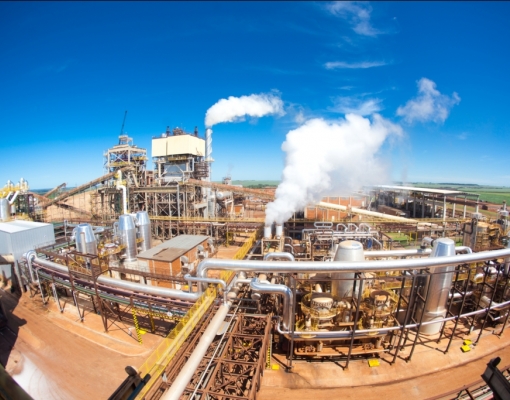
The Mills, Even with the Depreciation of the Real Against the Dollar, Prioritize Sugar Production Due to the Great Market Abroad
With the difficult logistics at the ports and the long queues for loading, the depreciation of the real against the dollar makes sugar highly competitive and attractive in the external market. In order to minimize the impact of the price and quantity crisis affecting the biofuels market, sugar and ethanol industries are betting a large part of their production capacity on sugar and strengthening commodity sales to the international market.
See Other News of the Day:
- Million-Dollar Investment in Minas Gerais: GDSolar Will Build 11 Solar Photovoltaic Plants in the State
- Petrobras Cancels Tender for Platform in Parque das Baleias, Campos Basin
- DOF Subsea Calls for Professionals for Projects in Rio de Janeiro and Brazil; Job Openings Updated Today, October 16
Compared to ethanol, sugar production continues to grow. The latest data from the Sugarcane Industry Union (Unica) shows that the amount of sugarcane processed for sugar production increased from 35.43% to 47%. The accumulated harvest was 499.77 million tons, a 5.3% increase compared to the same period last year.
Last year, this strategy yielded positive results. In 2019, the country shipped 17.8 million tons of products. Now, in just the first eight months, external sales slightly increased to 17.9 million tons. Compared to the first eight months of this year, the growth reached 64%. Just in August, there was a 118.8% increase compared to the same month in 2019.
-
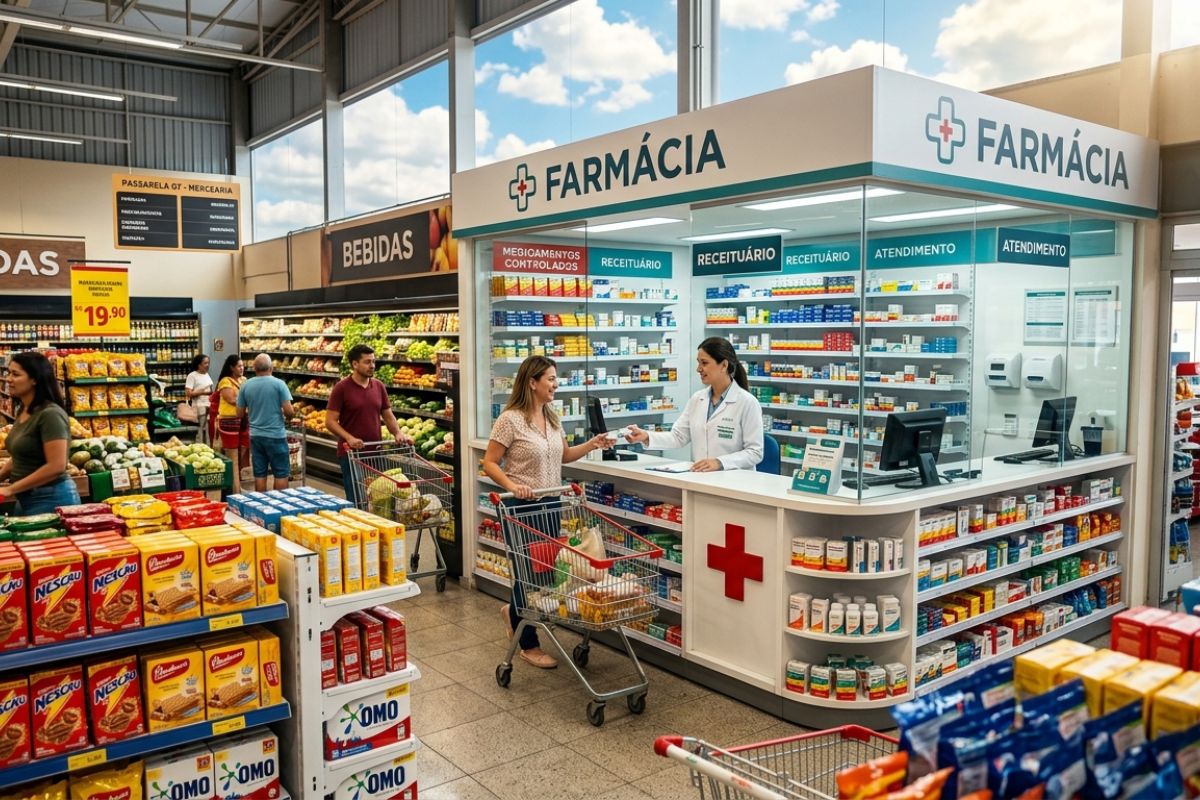
Pharmacy inside the supermarket: what changes now in your purchase, why medicines won’t go on the shelves, which rules remain strict, mandatory pharmacist, separate space, controlled storage, more convenience and competition in the country.
-
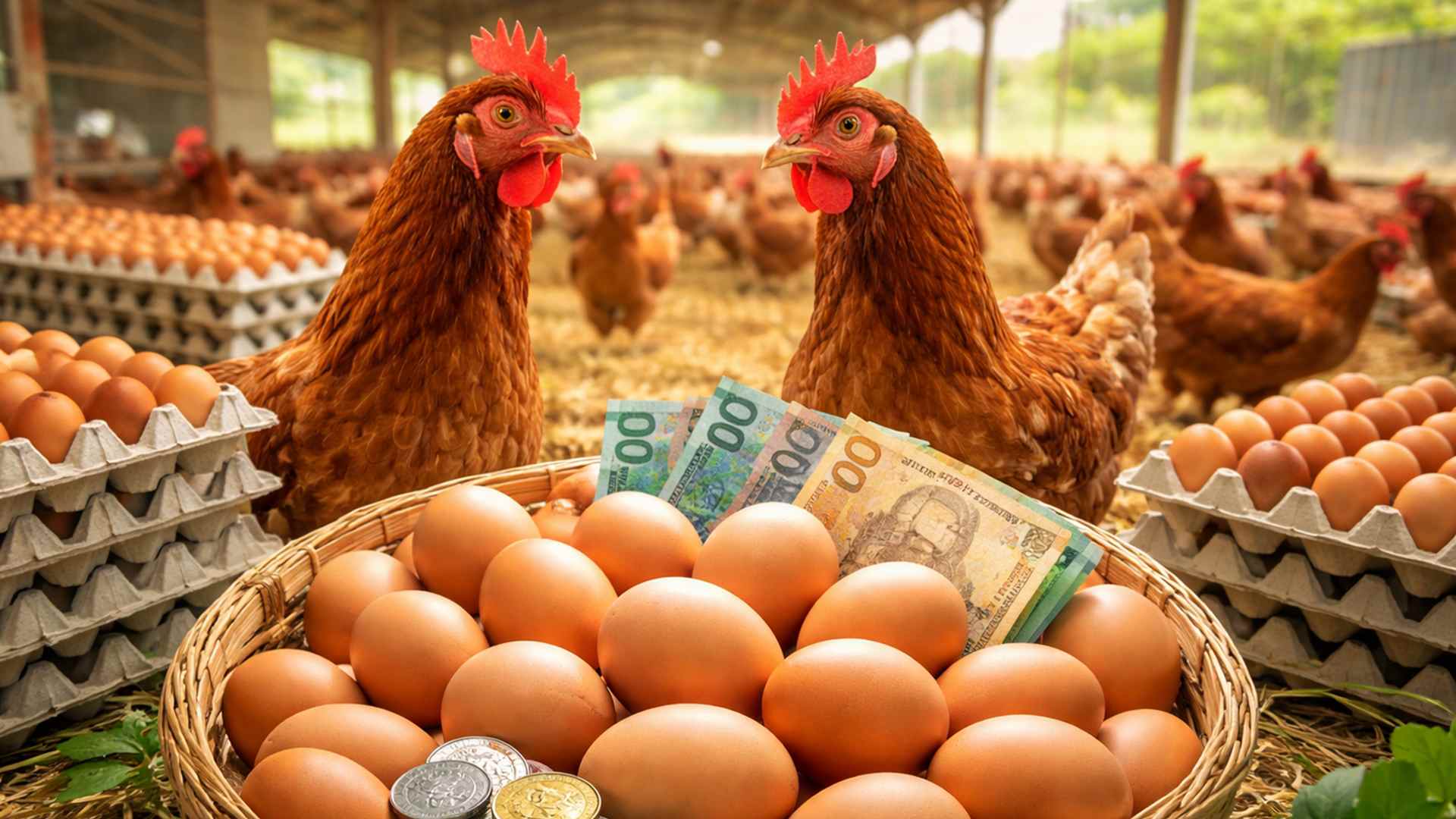
Money with chickens: how much can 200 laying hens yield per month with eggs at R$ 12 per dozen?
-
As dams and pollution advance, migratory freshwater fish are facing a silent global crisis that has already decimated populations, threatened fisheries, and raised alarms in major basins.

-
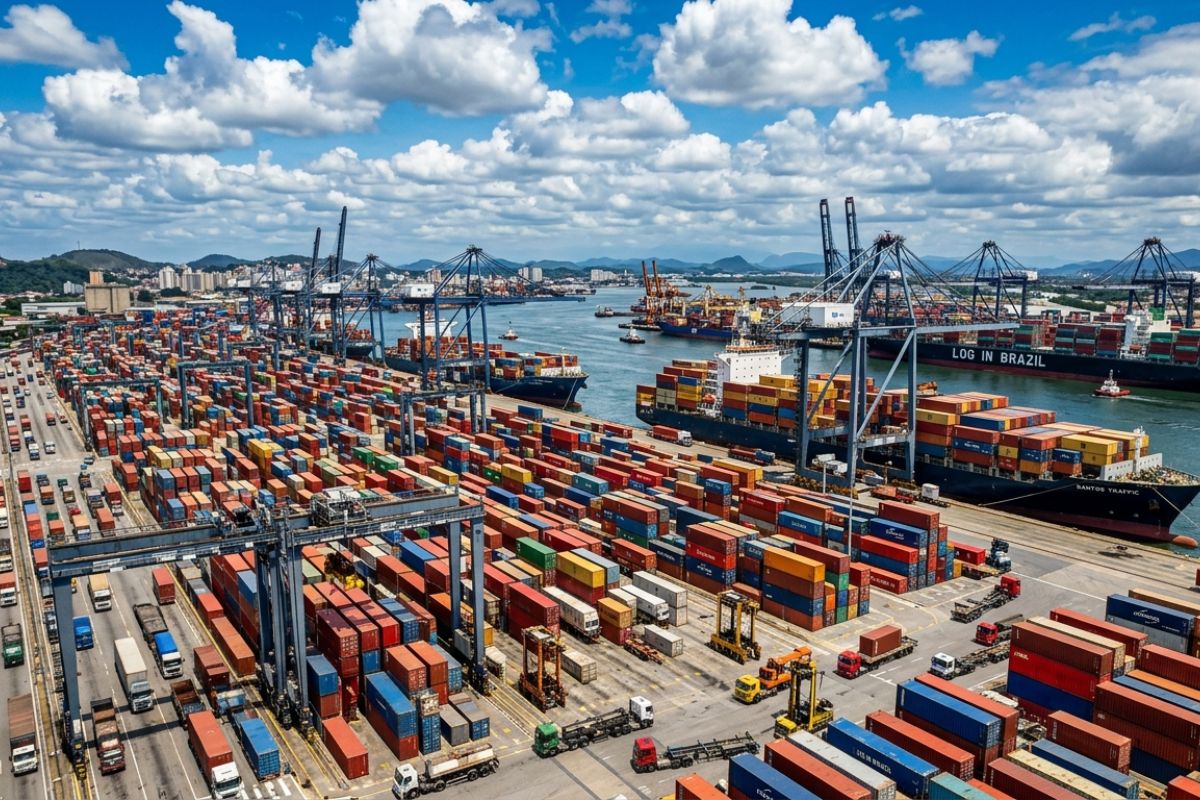
Ports like Santos and Paranaguá are operating at their limits and may block containers as early as 2030, warns a study by Macroinfra; bottlenecks increase costs and delays and push cargo to Rio, Salvador, Pecém, and Suape across Brazil.

Antonio de Pádua Rodrigues, technical director of Unica, stated in a note that “The drier weather brings some difficulties for productivity, but it also contributes to faster harvesting, which explains the 5.3% increase,” he reported. The commodity’s production from the beginning of the harvest until September is already at 31.950 million tons, a rise of 46.23%, or 10 million tons. “Of the total increase, about 7.40 million comes from the change in the production mix, while the other 2.70 million result from advances in milling and the better quality of the harvested raw material.”
According to data from the United States Department of Agriculture (USDA), Brazilian sugar exports are expected to reach a record 32.02 million tons in 2020/21, a 66% increase compared to the previous year.
The industry’s preference for sugar has led to a 7.47% decrease in ethanol production, which was 23.446 billion liters, comprising 16.298 billion liters of hydrated ethanol, supplied directly for vehicles, and 7.148 billion liters of anhydrous ethanol, mixed with gasoline.







Seja o primeiro a reagir!