





 Portuguese
  English
  Spanish
  3 min of reading
  0 comments


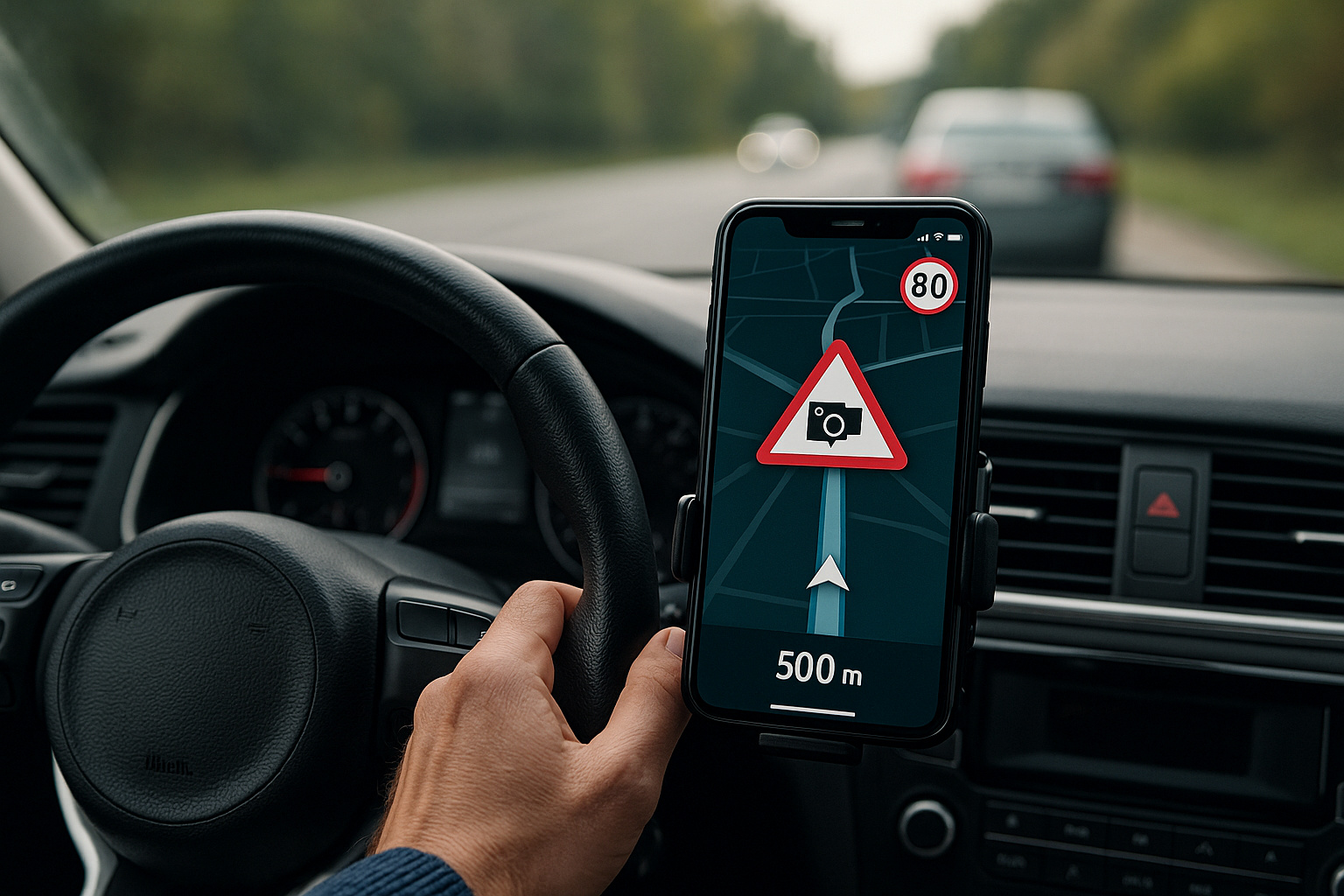
Understand What the Brazilian Traffic Code Really Allows and Learn How to Use Technology Without Breaking the Law
The use of navigation apps that alert about speed cameras has become a common practice among Brazilian drivers. Since 2023, the Brazilian Traffic Code (CTB) has not brought any direct prohibition on the use of these apps.
They are accepted when only informing the location of fixed cameras or indicating speed limits. Popular apps such as Waze and Google Maps remain permitted, according to the National Traffic Secretariat (Senatran), in a statement published in 2024.
These apps function as tools for route consultation and general information, not as instruments to evade enforcement. Even so, the driver should avoid handling the phone while driving, as this action results in a severe violation, according to Article 252, Section V, of the CTB.
-
The new Civil Code could revolutionize marriages in Brazil with “express divorce” and changes that could exclude spouses from inheritance.
-
Banco do Brasil sues famous influencer for million-dollar debt and intensifies debate on delinquency, risks of seizure, and direct impact on Gkay’s credibility.

-
The Senate approves a bill that criminalizes misogyny, hatred, or aversion towards women, and includes the crime in the Racism Law with a penalty of up to 5 years.

-
Chamber Approves Bill That Allows Pepper Spray for Women Over 16 and Imposes Strict Rules for Purchase, Possession, and Use as Self-Defense


In some European countries, the use of these apps faces restrictions. In Brazil, however, the legislation authorizes their use when the driver does not interfere with enforcement or hinders the reading of violations. This freedom ensures more safety and predictability on the roads.
Which Equipment Is Considered Illegal in Brazilian Traffic
The Article 230, Section III, of the CTB prohibits the use of equipment that hides, prevents or hinders the identification of the vehicle’s license plate. It also bans any device that blocks the functioning of electronic speed cameras.
These devices, known as speed blockers, have lost legal validity since the update of the norm in 2016 and remain prohibited in 2025. Among the items that result in severe violations, seven points on the driver’s license, fines, and removal of the vehicle, are:
- Electronic blockers that interfere with radar readings.
- Films or covers that reduce the visibility of the license plate.
- Devices that alter or hide characters on the vehicle’s license plate.
The National Traffic Department (Denatran) reinforces that electronic enforcement easily identifies these devices. The use of these devices results in severe penalties, such as vehicle confiscation and suspension of the driver’s license.
How to Use Technology in Favor of Traffic Safety
Using technology consciously and within regulations is essential for those looking to drive safely and avoid fines.
Location and speed camera alert apps serve as support tools, helping drivers obey speed limits and reduce the number of accidents.
Even so, technology never replaces attention while driving. It should serve as an ally of defensive driving, not as a justification for breaking the rules.
The ideal is to choose legal and updated apps, ensuring a responsible and preventive use.
Data from the Federal Highway Police (PRF), released in 2024, shows that more than 65% of fines for speeding occurred on marked stretches. These numbers reinforce the importance of smart use of technology and constant attention to traffic.
Key Points About the Legality of Radar Apps
To drive according to the law and avoid fines, drivers should observe the following points:
- Navigation and fixed radar alert apps are permitted, as long as they do not interfere with enforcement.
- Equipment that hinders the reading of the license plate or blocks radars constitutes a severe violation.
- Using technology in traffic requires responsibility and respect for current regulations.
- Staying informed is the best way to ensure safety and awareness on the roads.
Based on the regulations in effect until October 2025, the use of apps like Waze and Google Maps is authorized throughout the national territory. This permission stands as long as there is no interference with electronic enforcement.
Ultimately, information is the best ally for those seeking safety, savings, and peace of mind on the roads. Are you using your navigation apps safely and legally?










-

-

2 pessoas reagiram a isso.