





 Portuguese
  English
  Spanish
  2 min of reading
  0 comments


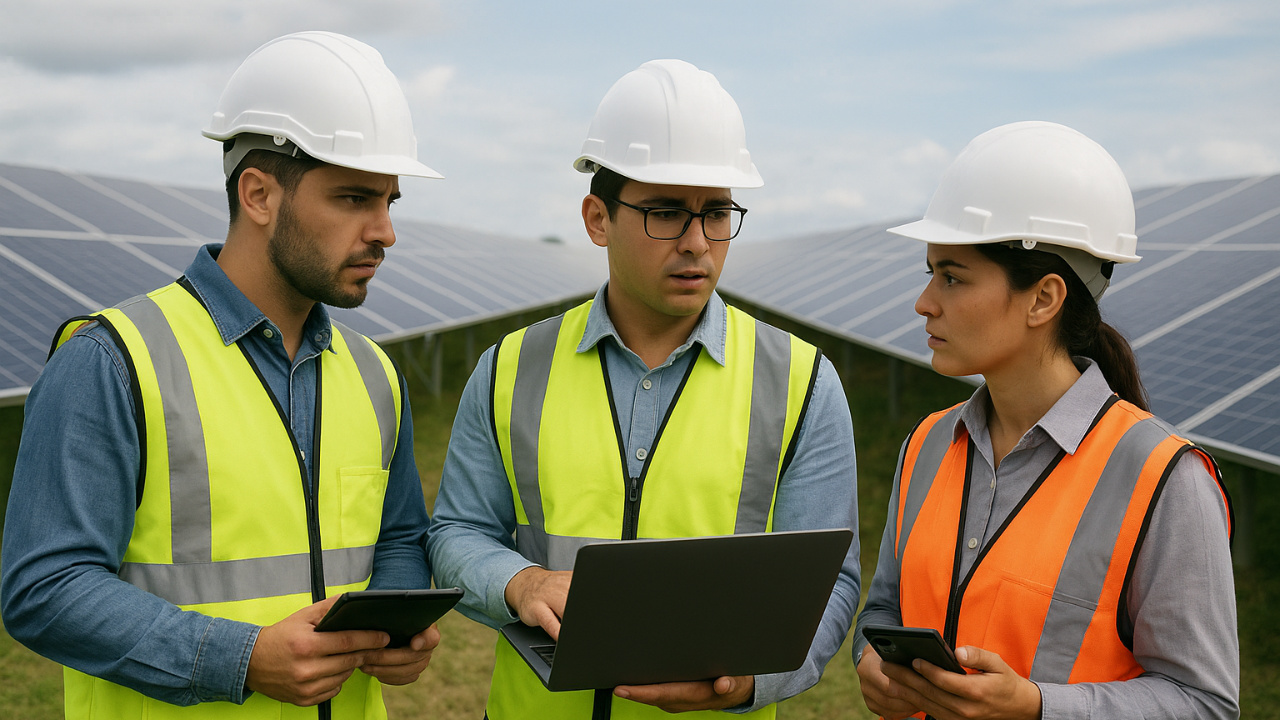
Artificial Intelligence Is Transforming the Operation of Solar Plants in Brazil. Technologies like Digital Twins and Predictive Analytics Increase Efficiency, Reduce Costs, and Ensure Reliability in Energy Generation.
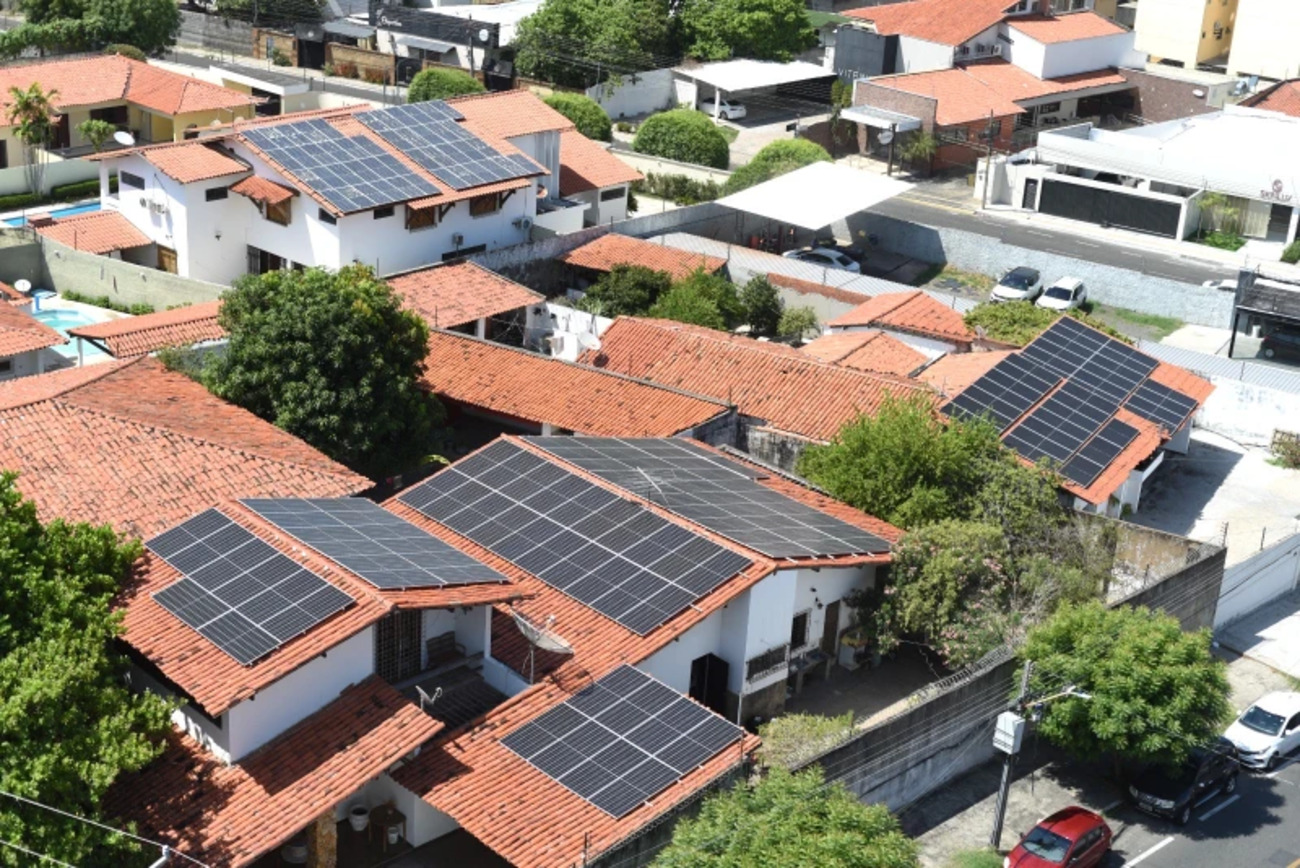
Solar plants in Brazil are growing at an accelerated pace, driving billion-dollar investments and expanding the installed capacity of clean energy. This advancement brings with it a significant challenge: maintaining efficiency and reliability in increasingly complex plants. In this scenario, Artificial Intelligence (AI) solidifies as a strategic ally in monitoring and maintaining operations.
Continuous Monitoring and Failure Prevention
According to researcher João Lucas Silva from Unicamp, the use of AI algorithms can identify anomalies and deviations in performance before they turn into serious failures.
This early detection helps avoid significant losses in energy generation. Despite this, the expert emphasizes that “we still need the specialist’s eye, but AI is already a fundamental ally in problem screening.”
-
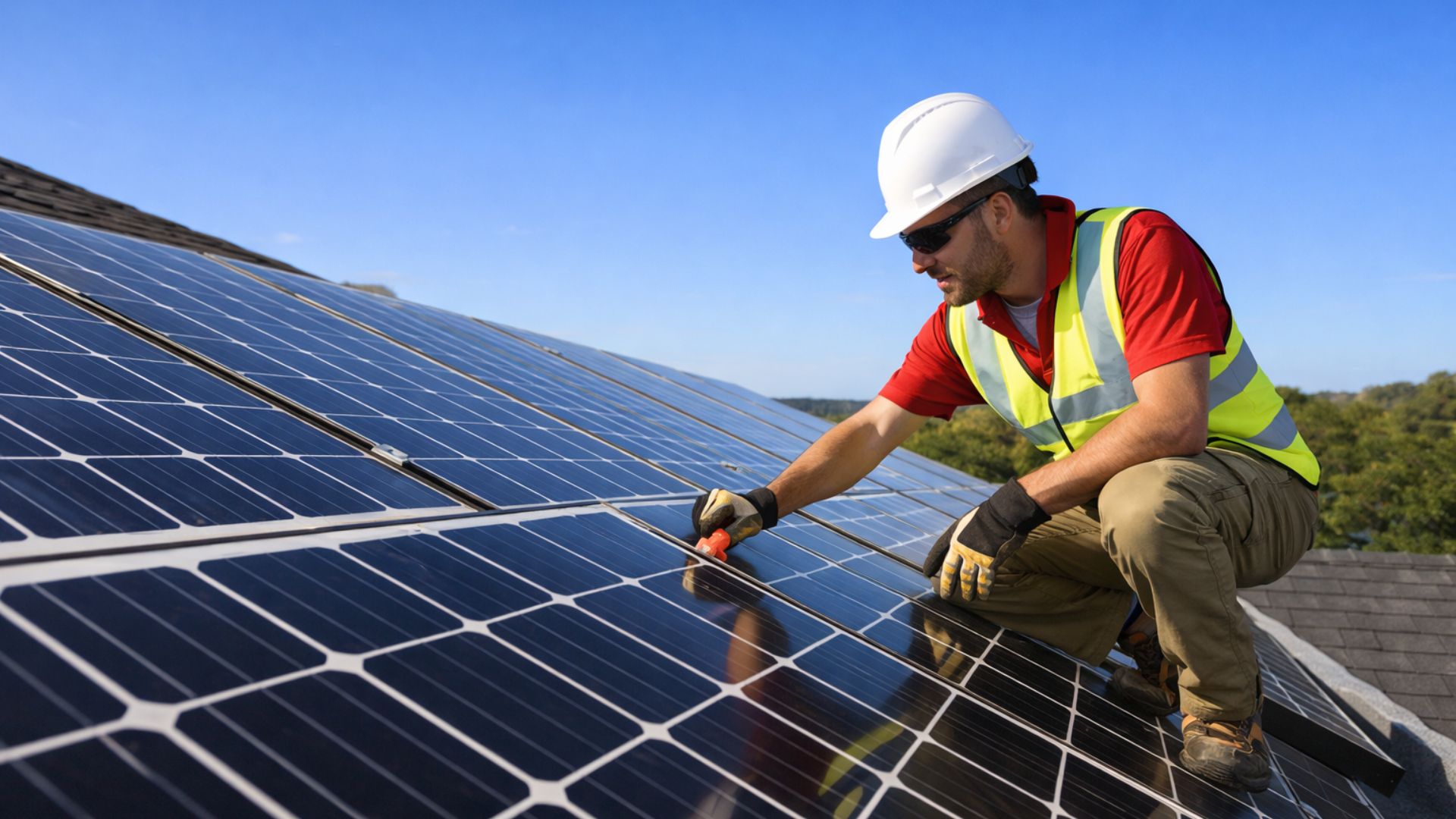
Seagri’s headquarters invests in solar energy with Neoenergia Coelba and promises to cut electricity costs, highlighting a strategic advance in sustainability and energy efficiency within state public administration.
-
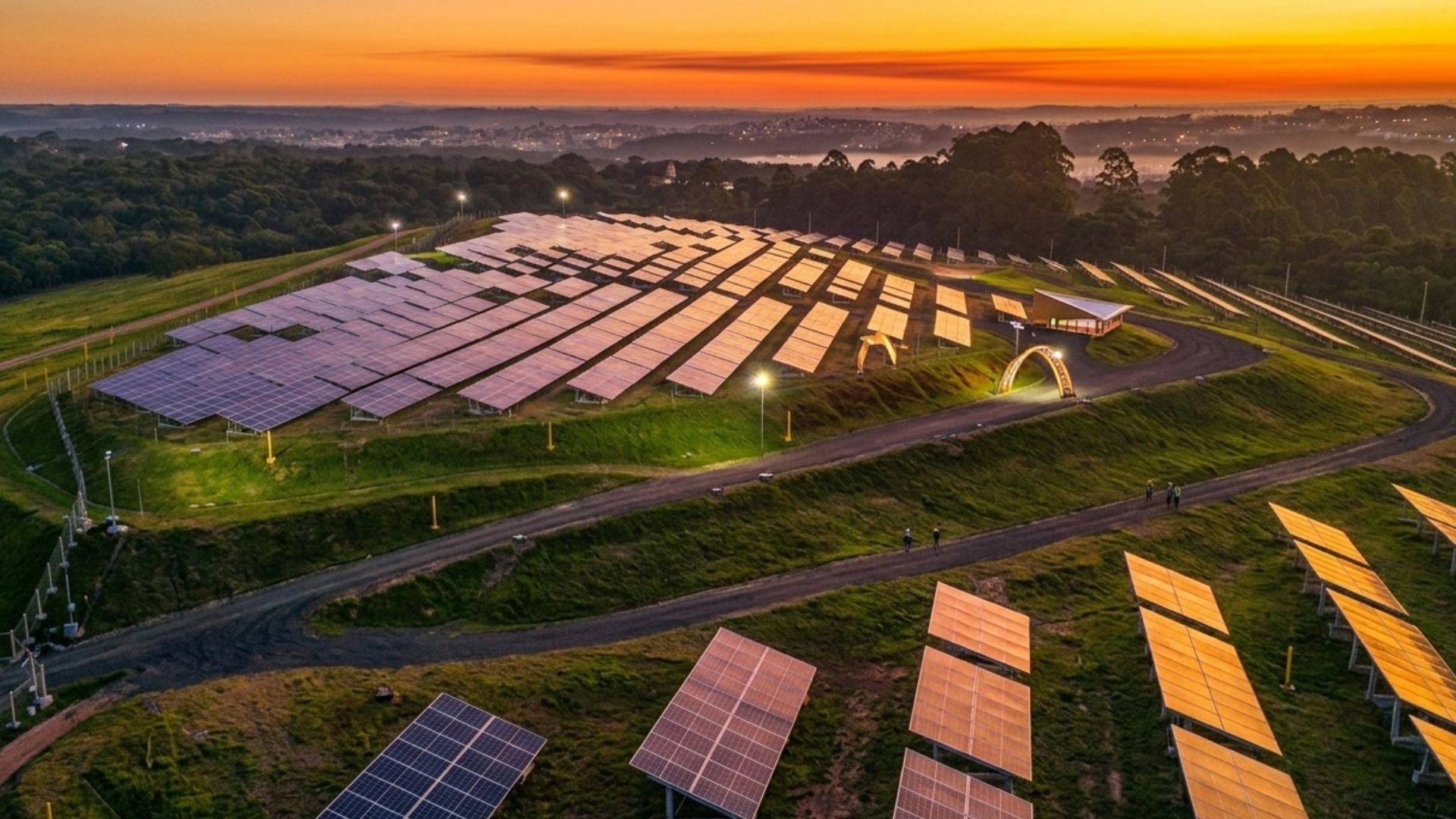
Solar Pyramid draws attention by converting solar energy into million-dollar savings and repositioning the City Hall of Curitiba as an example of innovation, sustainability, and intelligent use of public resources.
-
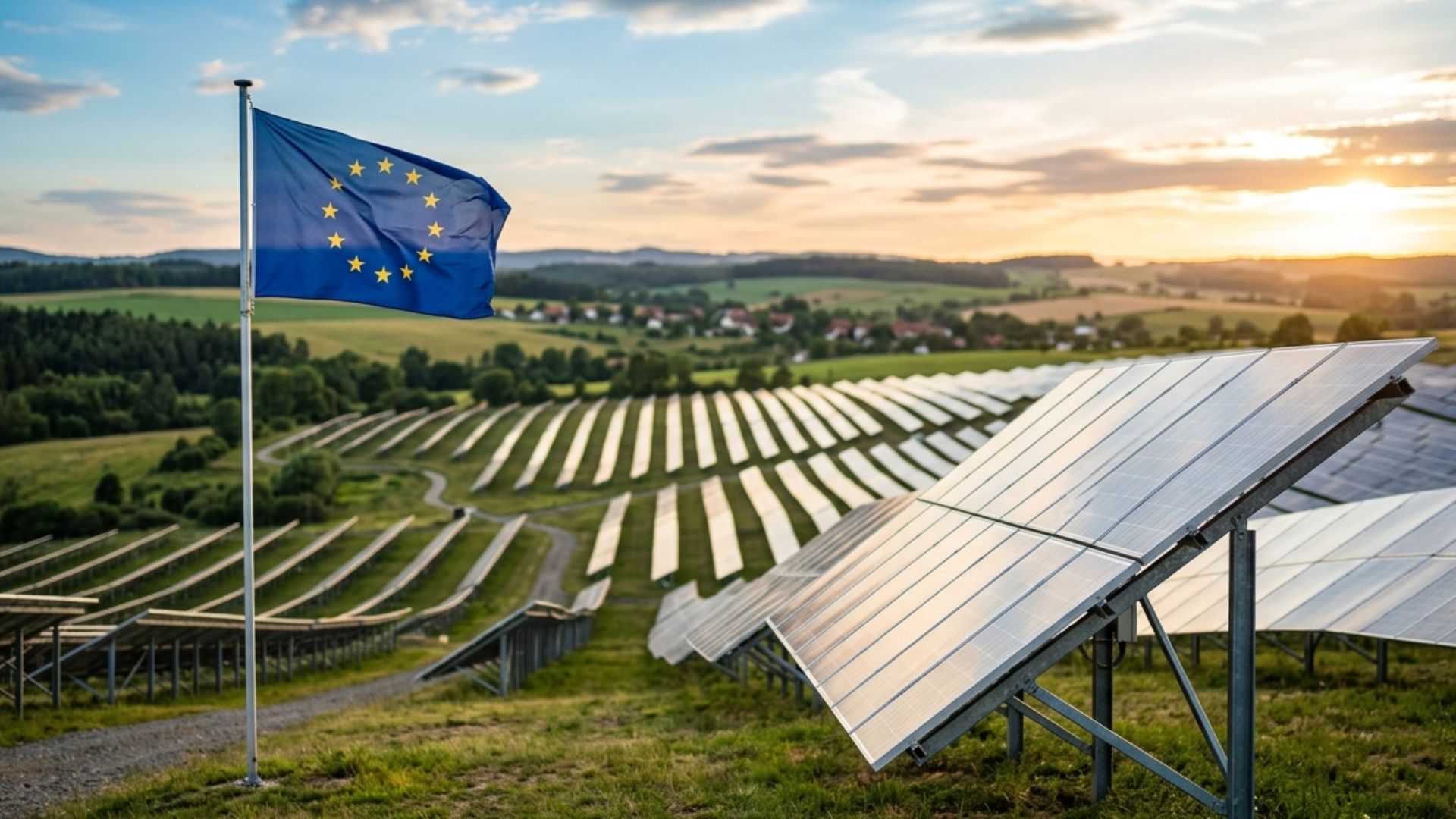
Europe records strong euro economy with solar energy in March and sparks curiosity about which country leads growth that redefines the energy market and reduces costs.
-
Piauí reaches a historic milestone in energy transition: State records nearly 160,000 households powered by solar energy and leads growth in the Northeast.

Even with the potential, the application of Artificial Intelligence faces obstacles. Among them are information fragmentation, low-quality sensors, and the difficulty in integrating data from different inverter models. These points still require technical advances for the technology to achieve its maximum performance.
Digital Twins Expand Control of Solar Plants
In addition to AI, digital twins have been gaining ground in the photovoltaic sector. Researcher Rodrigo Dias from Solextron explains that this technology creates mathematical models capable of simulating the performance of solar plants in real time.
As a result, failures such as losses due to shading or disconnection of strings are detected much more quickly and accurately. “While conventional methods rely on historical averages, the digital twin projects the expected performance in real time, giving the operator a much more accurate view of the plant’s condition,” he noted.
For consultant Henrique Ribeiro from S&P Global, the scale of Brazilian plants demands innovative solutions. He emphasizes that preventive maintenance supported by Artificial Intelligence is more efficient than traditional models that rely only on historical data.
The use of machine learning and predictive analytics directly contributes to reducing operational costs and increasing the lifespan of equipment.
Artificial Intelligence in the Context of Solar Plants: Promising Future
The consensus among industry experts is clear: with the expansion of solar plants, the combination of Artificial Intelligence, digital twins, and machine learning will be crucial to ensure profitability, efficiency, and reliability in large-scale renewable energy generation.








Seja o primeiro a reagir!