





 Portuguese
  English
  Spanish
 3 min of reading


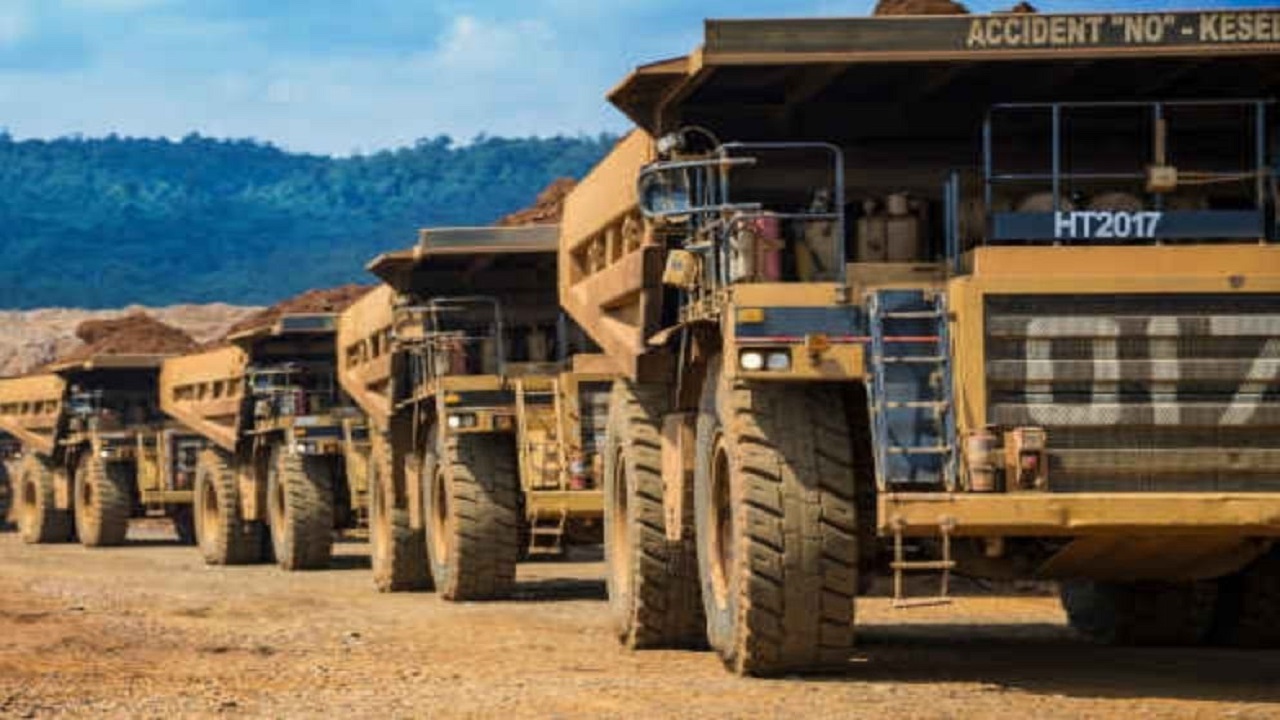
The Mining Company Vale Plans to Add Ten Autonomous Trucks to Its Fleet in Carajás, the Largest Open-Pit Mine in the World.
Aiming to take workers out of danger, the mining company Vale is investing in ten more autonomous trucks for the Carajás mine, which do not require an operator in the cabin and also help reduce carbon emissions.
Read Also
Trucks Controlled by Computer Systems


The autonomous trucks, which will be used at the Carajás mine, have a capacity to transport up to 240 tons and are being tested on the route between the unloading area at the iron ore site and the mining front.
-
Historic bankruptcy of Centauro shocks the market, and the century-old company puts more than 500,000 products, machines, and complete infrastructure up for online auction.

-
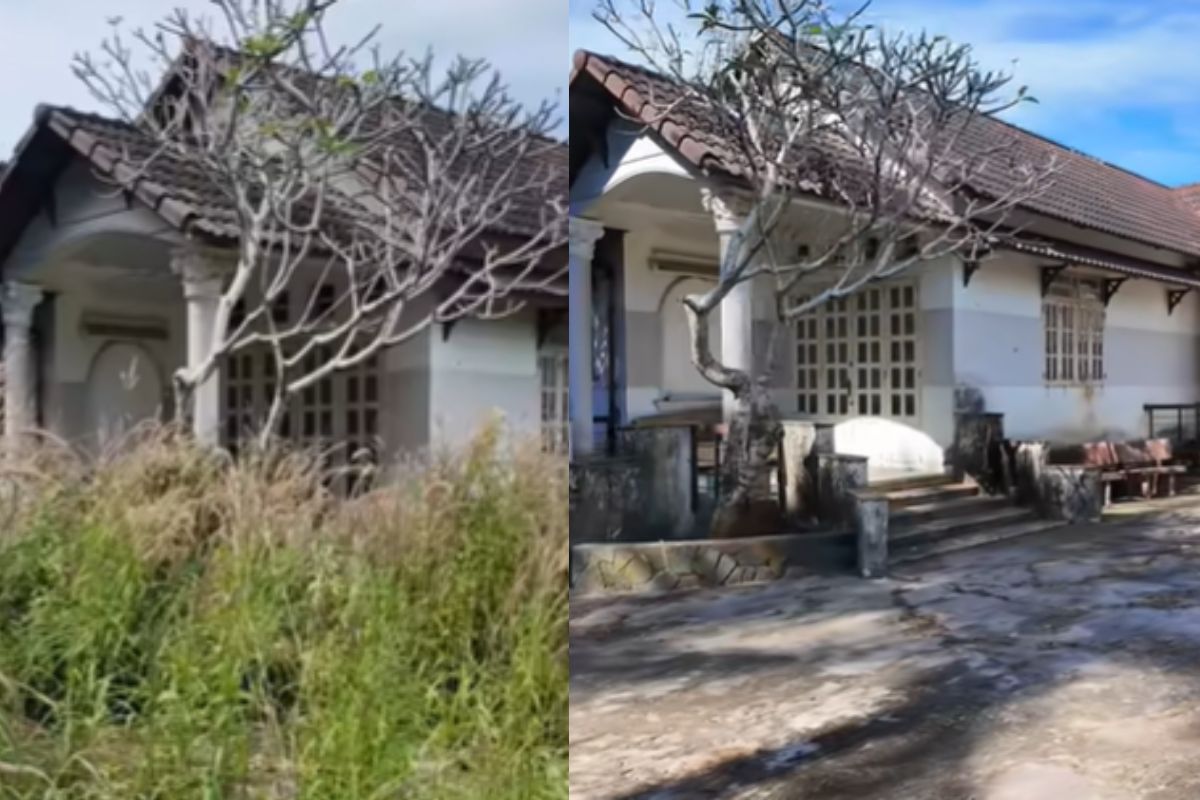
Abandoned house for 15 years disappears in the woods, shocks owner with unrecognizable scenery and is reborn in an intense transformation after almost 90 hours of work in just 10 days.
-
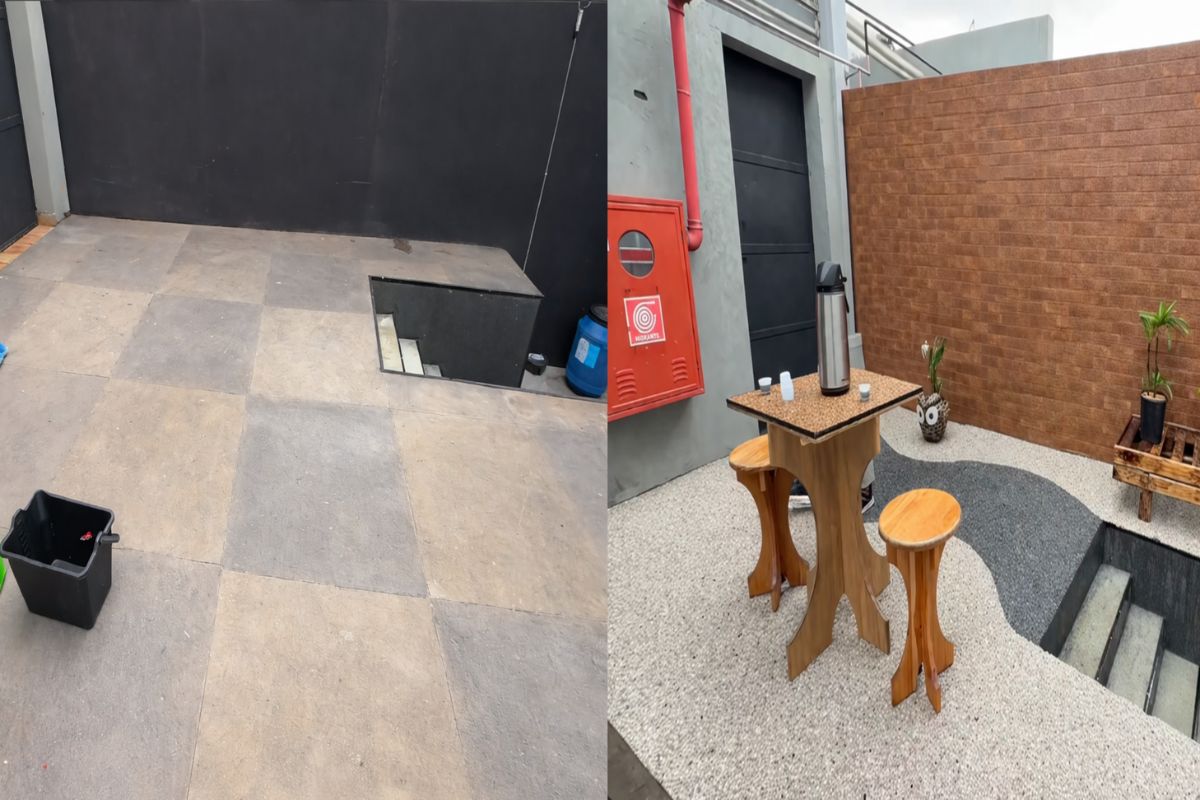
In just three hours, a natural stone floor transforms the entrance of the house with an organic effect, immediate drainage, and a sophisticated non-slip finish that doesn’t puddle water, dries quickly, and impresses with the final result.
-
‘Interlocking brick’ made of earth arrives in the construction industry with cost reductions of up to 40% on the project.

According to Vale, the autonomous trucks are controlled by computer systems, without requiring an operator in the cabin, and are equipped with GPS, artificial intelligence, and also radars.

Upon detecting any risks, they stop their operations until the path is authorized. Vale will invest US$ 40 million (R$ 200 million) in its autonomous truck program in Carajás alone in 2021. The company’s goal is to expand the fleet of the Carajás mine to 50 trucks by the end of 2024.
A 100% Autonomous Brazilian Mine
Currently, the mining company is operating 13 autonomous trucks in Brucutu, in São Gonçalo do Rio Abaixo (MG), the first completely autonomous mine in Brazil. Since 2016, when the first tests began, the autonomous trucks have already transported 100 million tons. Since then, there have been no accidents with the vehicles, according to Vale.
According to Kléber Gonçalves, operation and infrastructure manager of Brucutu, the equipment has sensors that identify and map the terrain, obstacles, and people, so the technology can stop the operation of one or more vehicles in cases of unforeseen changes in the route determined by the control center.
Reduction of 4,000 Tons of Carbon
In total, the vehicles have traveled 1.8 million kilometers, only in Brucutu. Thus, fuel consumption is 11% lower than that of manned trucks, resulting in a reduction of 4,300 tons of carbon dioxide per year.
According to Vale, production is also higher and has increased the quantity of ore in Brucutu by 11%. Demonstrating concern for its employees, the mining company retrained operators who were in the cabins and reassigned them to other roles, such as in the control room.
According to Jefferson Corraide, executive manager of the Brucutu and Água Limpa Complex, the most significant advancement achieved through the implementation has been the reduction of people’s exposure to risk.

Formado em Jornalismo e Marketing, é autor de mais de 20 mil artigos que já alcançaram milhões de leitores no Brasil e no exterior. Já escreveu para marcas e veículos como 99, Natura, O Boticário, CPG – Click Petróleo e Gás, Agência Raccon e outros. Especialista em Indústria Automotiva, Tecnologia, Carreiras (empregabilidade e cursos), Economia e outros temas. Contato e sugestões de pauta: valdemarmedeiros4@gmail.com. Não aceitamos currículos!








Seja o primeiro a reagir!