Portuguese
  Spanish


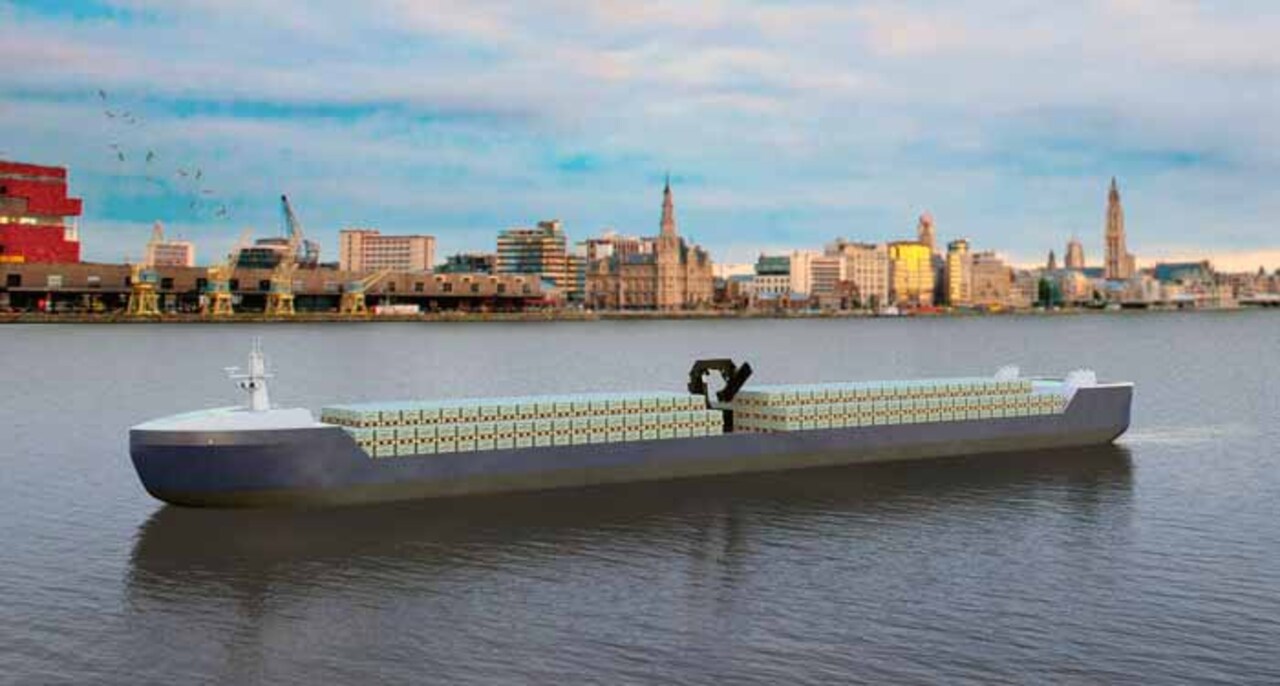

A New Era Has Arrived And With It Several Novelties Are Emerging For The Shipping Industry, One Of The Highlights Is The Investments In Autonomous Ships
According to an announcement from the maritime company, Ocean Infinity plans to build eight large fully autonomous ships, measuring about 78 meters in length, which leads us to believe in the concept of large automated ships controlled via remote control in the future, thus making a significant advancement in the investments of the shipping industry.
Read Also
In announcing the decision to advance investments and recruit VARD, which is one of the global designers and builders of specialized ships, for the development of this series of autonomous ships, Ocean Infinity was not very pleased with this approach.
Companies In The Shipping Industry Are Investing In Wind Turbine-Powered Ships
Some large companies are investing in projects for ships whose propulsion can be combined between motors and wind turbines, among other novelties. However, an autonomous ship still sounds a bit like science fiction, although for some, the advantages would be numerous: lower crew and provisions costs, more space for cargo, and best of all, zero emissions. A very beneficial investment not only for the shipping industry but also for the environment.
-
Indonesia Plans to Build 5,000 Suspension Bridges by 2026 to Connect Rural Communities to Schools, Health Centers, and Markets

-
U.S. Invests $75 Million in Projects to Extract Rare Earths, Gallium, Germanium, and Aluminum from Coal Waste
-
Eni Acquires 25% Stake in Chilean Lithium Project, Plans to Invest Up to $225 Million in Eco-Friendly Extraction Method
-
French Brand Transforms 6 Million Brazilian PET Bottles into Sustainable Sneakers for Global Fashion Market



Traditional ships burn as much fuel as an entire city. They use more fuel than container ships and rely on a fuel with low sulfur content, which in this case is a hundred times worse than diesel, explains expert Bill Hemmings, director of Rosetta Advisory Services.
Do Investments In Autonomous Ships Threaten Maritime Demand?
The evolution of autonomous ships has a significant impact on the shipping industry market, affecting maritime demand, training needs, and personnel costs. The crew continues to be the primary cost in ship operations, accounting for nearly 50% of typical expenses in ship operation. Only time will reveal whether the market-leading companies will decide to invest in autonomous ships.