





 Portuguese
  English
  Spanish
  4 min of reading
  0 comments


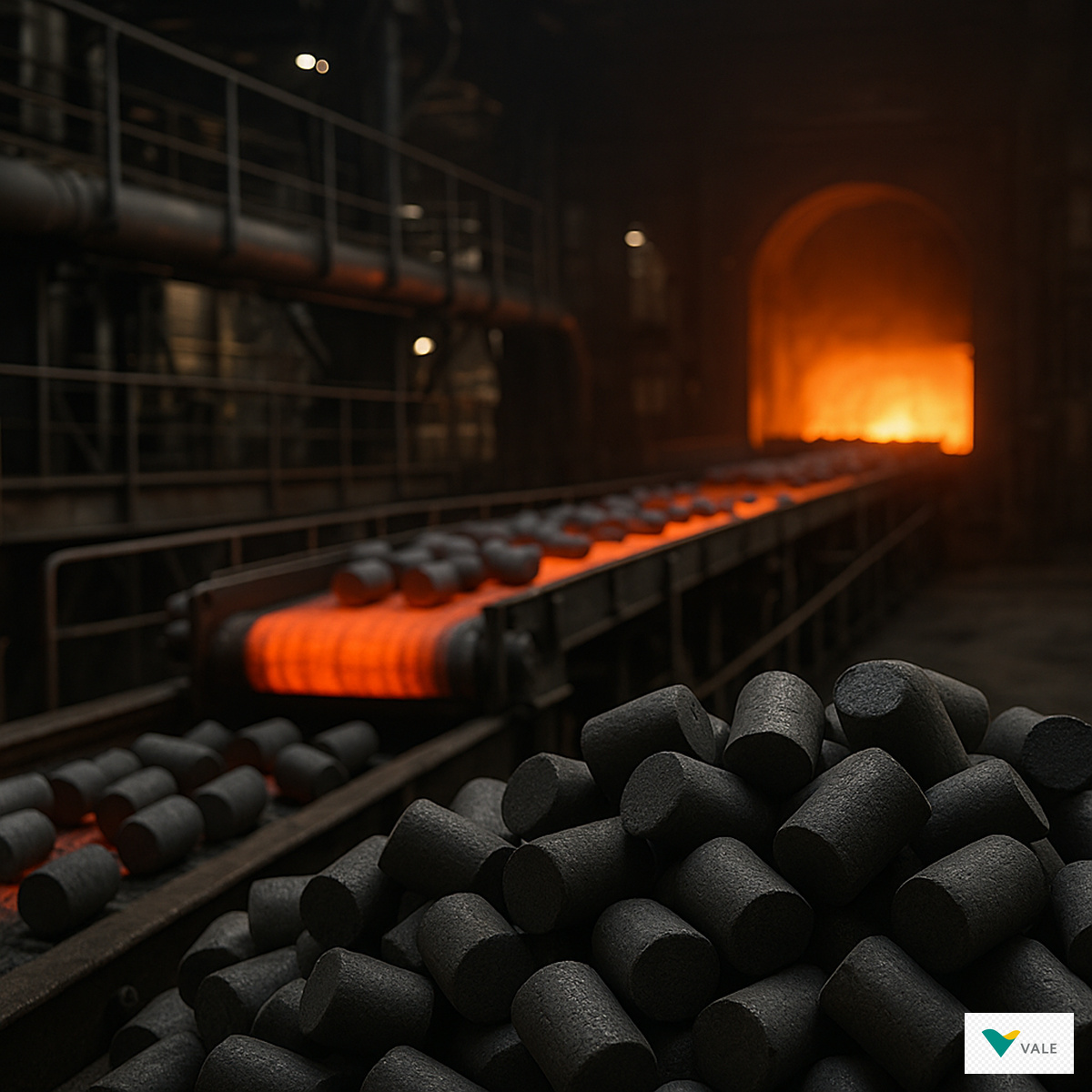
New Technology From Brazilian Mining Company Promises to Transform the Steel Industry and Drastically Reduce Carbon Emissions.
The mining company Vale S.A. inaugurated, on December 12, 2023, in Vitória (ES), the world’s first industrial plant dedicated to the production of iron ore briquettes — an innovative input that promises to revolutionize the steel industry and change the course of global steelmaking.
The product is the result of nearly 20 years of research conducted at the Center for Ferrous Technology (CTF), in Nova Lima (MG). Through this innovation, the company replaces the traditional pelletizing process, which requires temperatures of up to 1,300 °C, with a route that operates at only 250 °C. This way, the use of burning furnaces is eliminated, resulting in a 70% reduction in carbon emissions, making the process more sustainable and efficient.
Furthermore, according to Vale’s Director of Climate, Nature, and Cultural Investment, Hugo Barreto, the briquette represents “the materialization of a global quest for real decarbonization solutions in mining and steelmaking.”
-
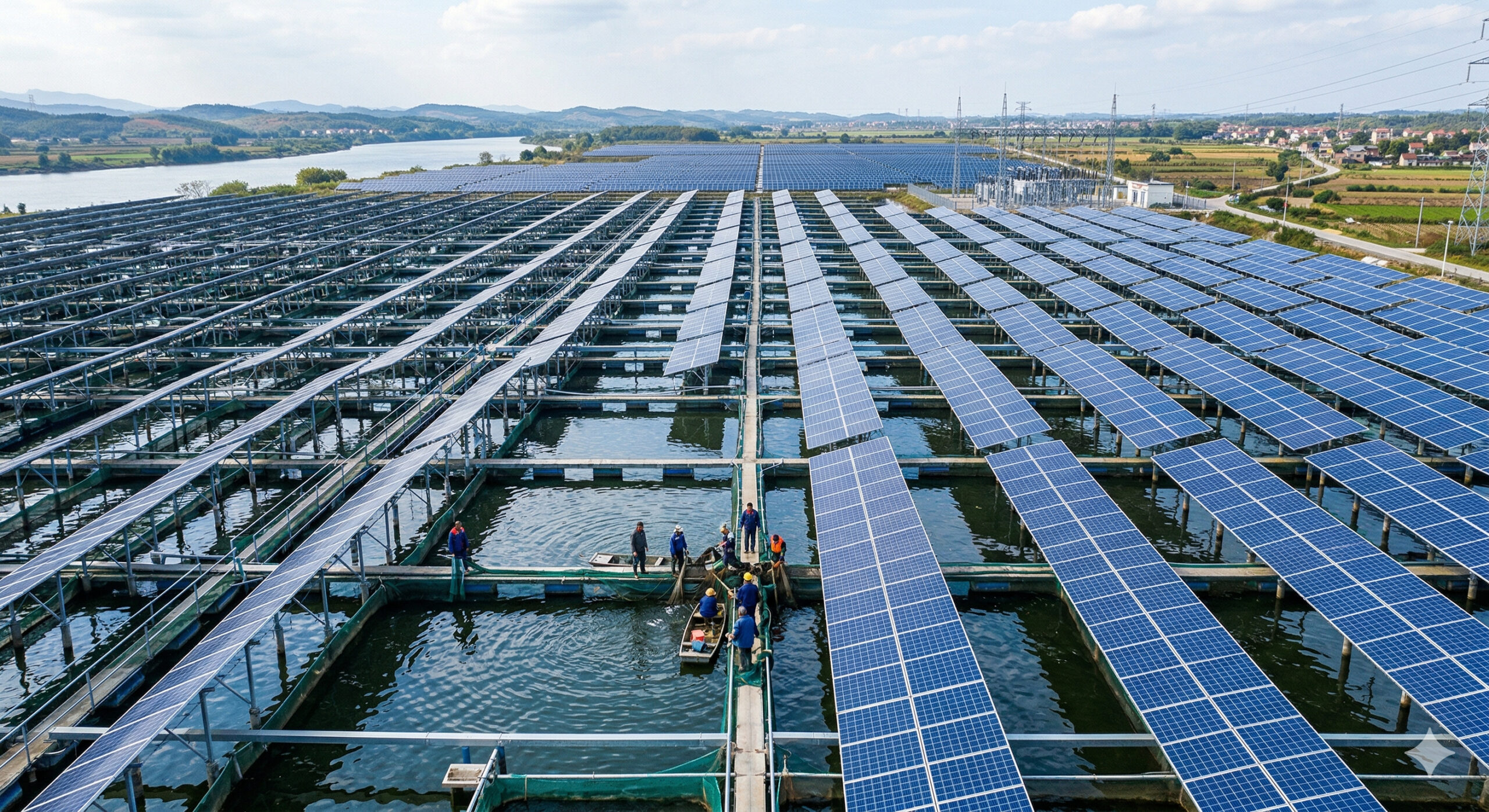
China bets on the Fishery-PV model and transforms fish farms into giant solar plants, covering ponds with panels that generate energy while utilizing the same space for large-scale aquaculture production.
-
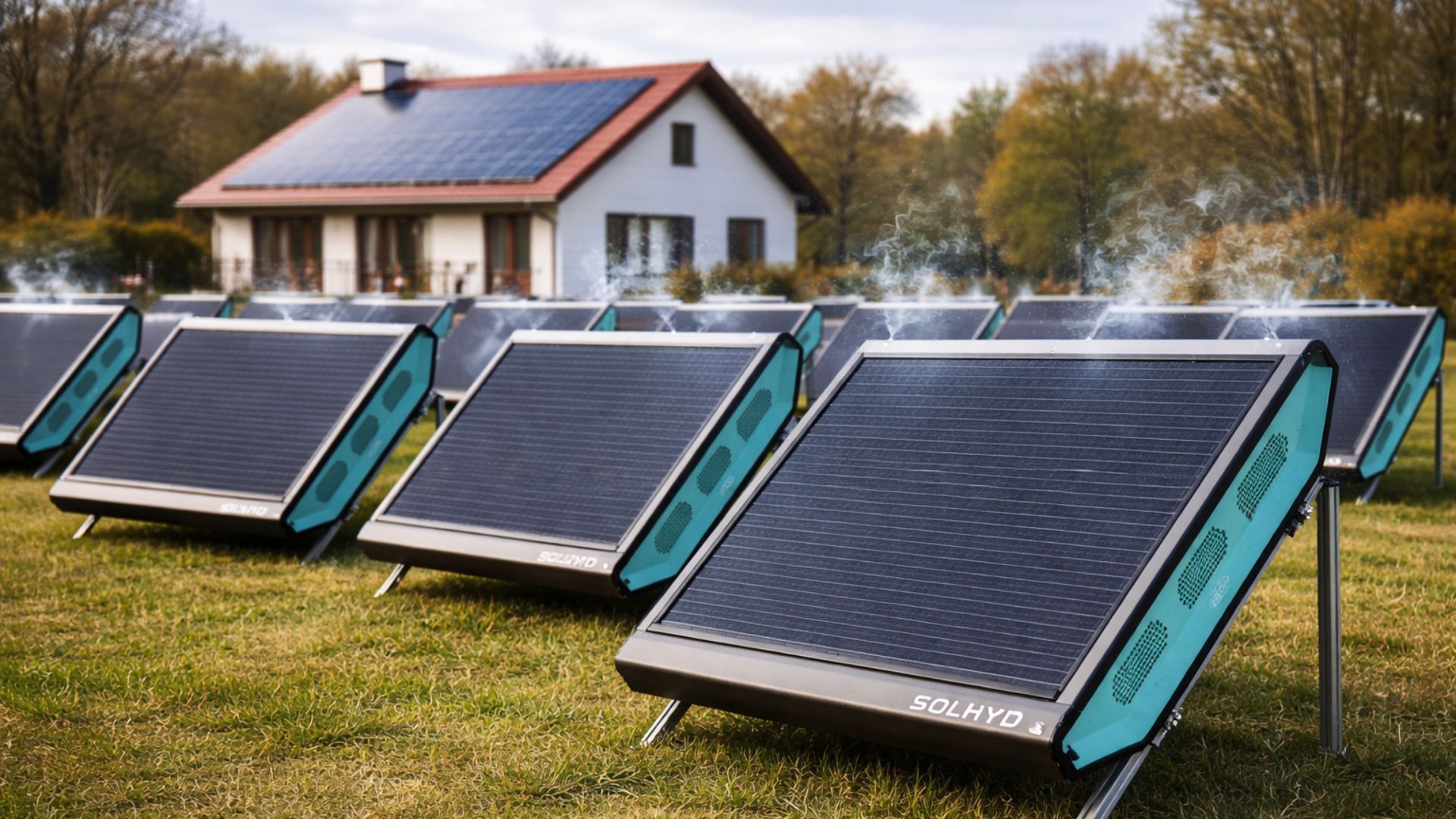
Green hydrogen at home: Belgium launches new technology that makes solar panels produce fuel from the moisture in the air, which could boost the energy transition.
-
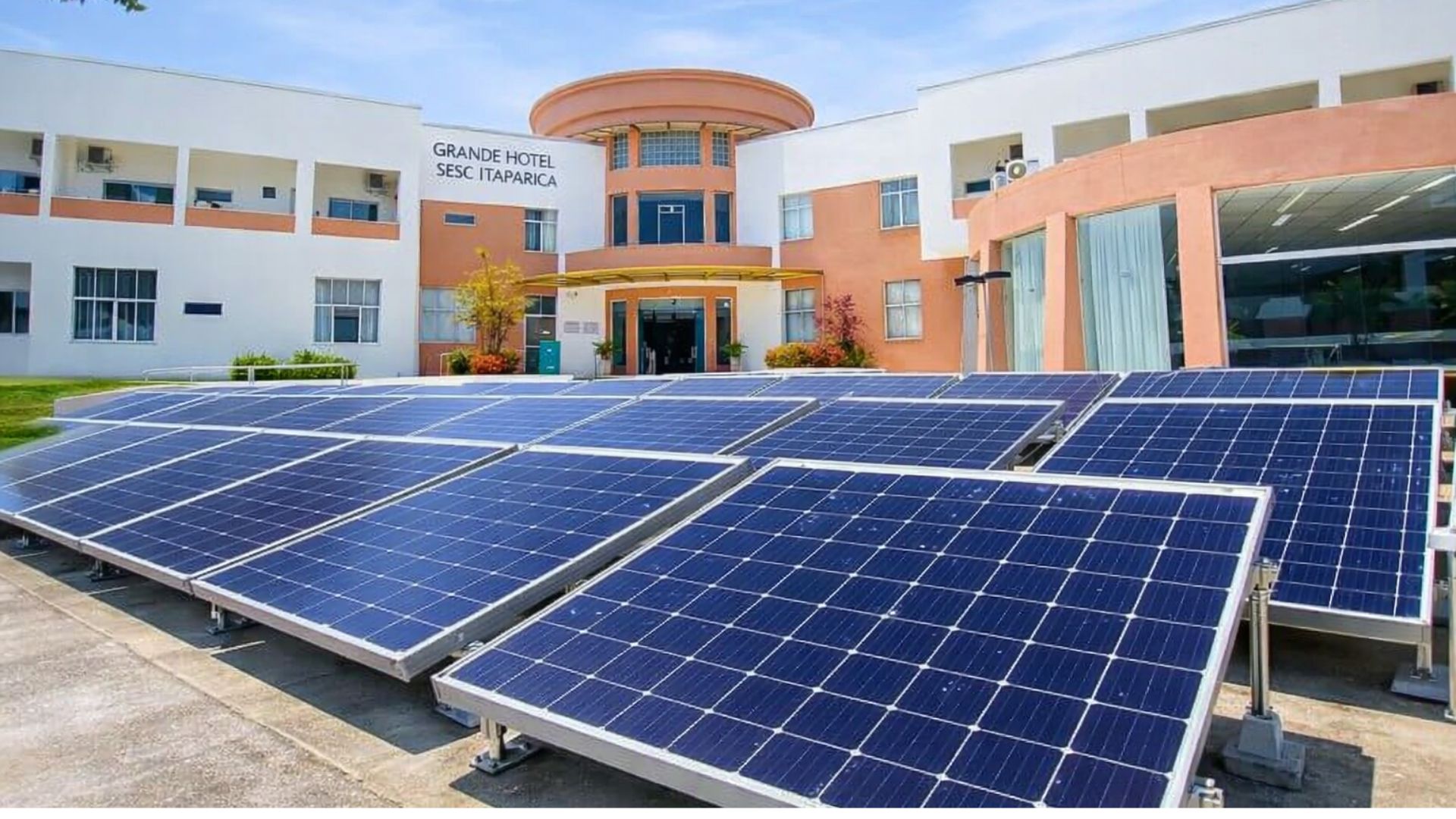
Sesc-BA bets on renewable energy with the support of EDP and drives the energy transition with a direct impact on cost reduction and the sustainability of its operations in Bahia.
-
Technology giant breaks global sustainability records: How Amazon’s leadership in renewable energy procurement transformed the global energy market in the past year.

Technological Innovation Changes the Thermal Standard of Steelmaking
The production of pellets, used for decades as a base for steel, demands high energy consumption and intense burning of fossil fuels. Consequently, the process is highly polluting and requires large volumes of water.
In contrast, the briquette eliminates these stages, significantly reducing environmental impact. Additionally, it emits less nitrogen oxides (NOx) and sulfur oxides (SOx), making production cleaner, more modern, and efficient.
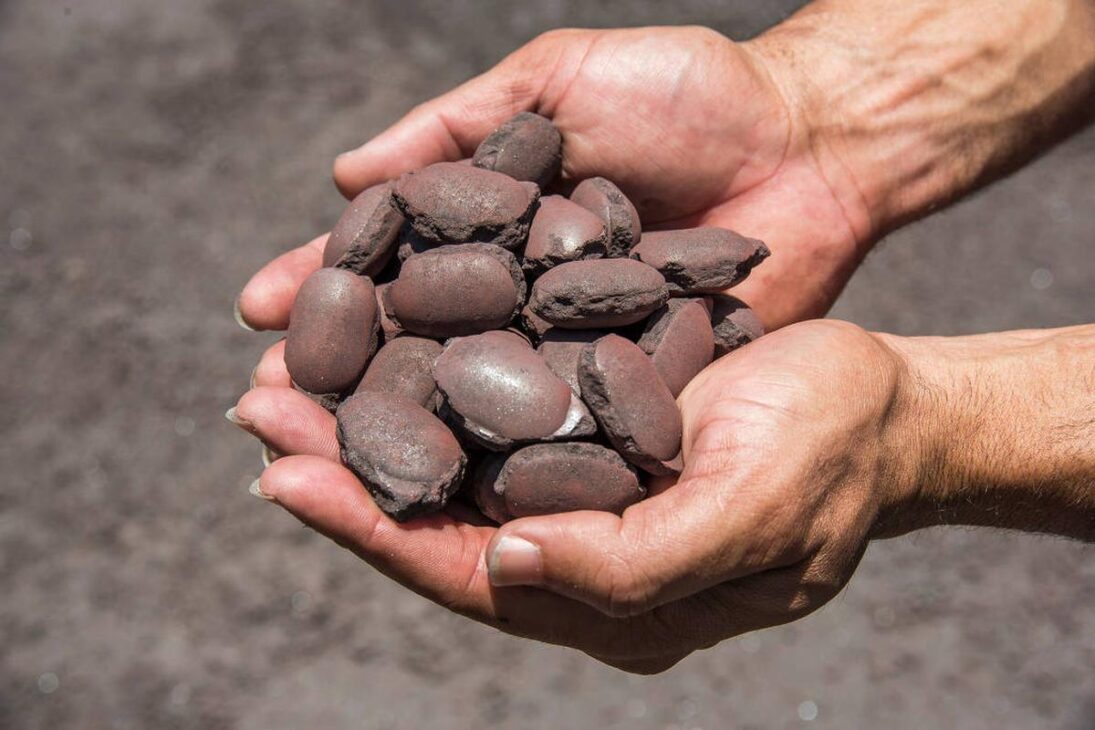
According to official data from Vale, the new method reduces emissions by up to 70% in the company’s production. On the other hand, at client steel mills, the reduction reaches 10%, since the briquette eliminates sintering, one of the most carbon-intensive stages.
Industrial Scale and Decarbonization Goals
After various pilot tests conducted between 2021 and 2023, the Vitória unit began industrial production. Currently, the expectation is to reach 500,000 tons by the end of 2024, consolidating the project on a global scale.
With this innovative technology, Vale aims to reduce 15% of scope 3 emissions by 2035 and cut 33% of scopes 1 and 2 by 2030. These goals, which are aligned with the commitment to net-zero emissions by 2050, were disclosed in the company’s corporate reports and confirmed by the National Mining Agency (ANM).
In parallel, in 2023, the company also achieved 100% of its electricity consumption from renewable sources in Brazil, two years ahead of the deadline set for 2025. This advancement reinforces the company’s commitment to sustainability and energy transition.
Partnerships and Mega Hubs for Green Steel
With the goal of accelerating the transition to a more sustainable steelmaking, Vale has established agreements with over 50 global clients. Together, they represent 35% of scope 3 emissions, highlighting the strategic relevance of this initiative.
Additionally, these partnerships include the development of industrial mega hubs for low-carbon steel. These complexes, located in Saudi Arabia, the United Arab Emirates, and Oman, will be fundamental in consolidating a new globally sustainable production route.
At these industrial hubs, the briquette will be used as an input to manufacture HBI (hot-briquetted iron), also known as sponge iron. This product, in turn, emits up to 70% less CO₂ than pig iron produced in blast furnaces, representing a significant technological leap for the steel sector.
Vale Invests in the Future of Green Mining
The briquette is part of Vale’s global strategy to establish itself as a reference in sustainable mining. For this reason, the company is considering installing new plants in Brazil and the United States, expanding the use of this technology to other strategic markets.
According to Hugo Barreto, “the briquette is the missing link to make low-carbon steel an industrial reality and accessible on a large scale.” This statement reinforces the miner’s commitment to the global climate neutrality agenda, in full alignment with the Paris Agreement and the goals of the International Energy Agency (IEA).
Environmental and Energy Impacts
By reducing thermal consumption from 1,300 °C to 250 °C, the briquette drastically decreases energy usage, eliminates water usage and cuts toxic gas emissions. Thus, Brazil strengthens its position in leading the global production of sustainable steel.
The steel sector is responsible for approximately 7% of global CO₂ emissions, according to the World Steel Association (2024). Therefore, Vale’s technology represents a global milestone in the decarbonization of steelmaking and in the redefinition of the country’s role in the global energy transition.
What Does the Future Hold for Brazilian Green Steel?
With the advancement of the briquette and mega hubs, Brazil could become a world leader in low-carbon steel production, attracting investments and strengthening its international presence.
However, this transition will require rigorous environmental governance, operational efficiency, and constant international cooperation. Only then can climate and industrial gains be sustained in a sustainable manner over the next few decades.
Do you believe that the briquette can redefine the future of mining and establish Brazil as a global power in green steel?




-

Uma pessoa reagiu a isso.