





 Portuguese
  English
  Spanish
  4 min of reading
  0 comments


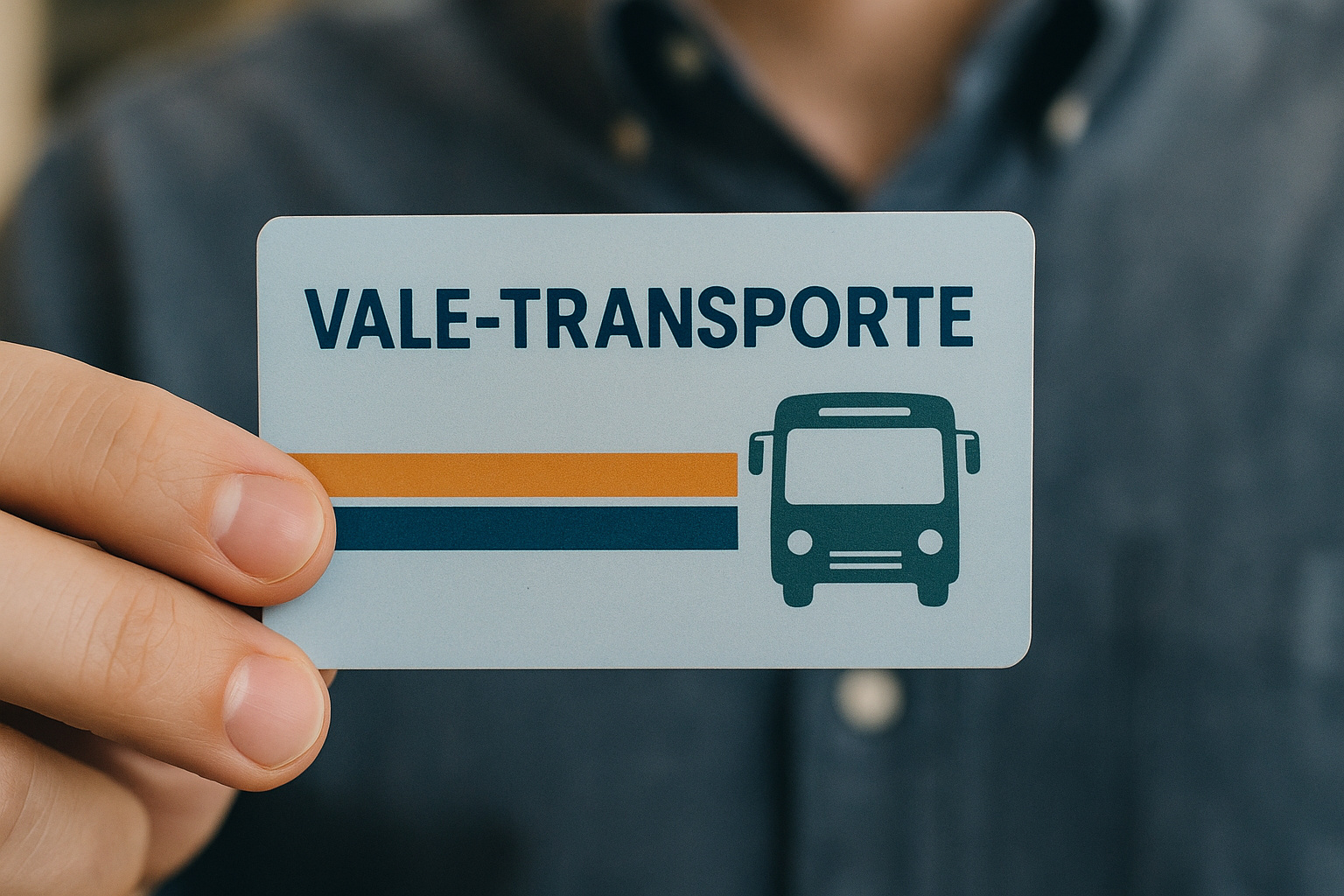
The Rules That Define The Transportation Benefit Since 1985 And That Determine How Companies Must Comply With Labor Legislation.
A regulation created almost four decades ago has returned to the center of labor discussions in Brazil. Since 1985, when Law No. 7,418 officially instituted the transportation benefit, this benefit has acted as an essential resource to guarantee the daily commuting of millions of workers. Thus, even with the consolidation of the norm, many doubts still arise regarding the obligation of companies to provide it.
More recently, in analyses of decisions published by the Superior Labor Court (TST) between 1995 and 2024, experts highlight that proper compliance with the legislation remains essential to avoid legal conflicts and ensure transparency in labor relations. Therefore, the debate has gained momentum again, especially in light of questions regarding when the employer is obligated to grant the requested benefit.
Labor Regulation Details The Obligation of The Transportation Benefit
The creation of the transportation benefit in 1985 marked an important change in the labor landscape. Since then, according to the Ministry of Labor, the employer must provide the benefit whenever the worker formally requests it. Additionally, this determination was reinforced in 1987, when Decree No. 95,247 defined operational criteria that remain valid to this day.
-
The Chamber opens a debate on driver’s licenses at 16 years old as part of a reform that includes around 270 proposals to change the Brazilian Traffic Code and may redesign rules for licensing, enforcement, and circulation in the country.

-
The new Civil Code could revolutionize marriages in Brazil with “express divorce” and changes that could exclude spouses from inheritance.

-
Banco do Brasil sues famous influencer for million-dollar debt and intensifies debate on delinquency, risks of seizure, and direct impact on Gkay’s credibility.

-
The Senate approves a bill that criminalizes misogyny, hatred, or aversion towards women, and includes the crime in the Racism Law with a penalty of up to 5 years.

However, the legislation also establishes that the employer can deduct up to 6% of the base salary to contribute to the cost of the benefit, although this possibility does not eliminate the legal obligation. Therefore, labor specialists assert that the company cannot refuse to provide the benefit without documented justification.
Legal Understanding Reinforces The Duty of Companies
Over the years, numerous decisions from the TST have consolidated the understanding that it is the employer’s responsibility to prove when the employee does not meet the legal requirements, as outlined in judgments between 1995 and 2010. Thus, if the worker declares that they need the transportation benefit, the company must provide it or formally justify its refusal.
Furthermore, according to decisions published from 2020, the Labor Court reinforces that the employer must keep documented records of requests, which reduces the risks of judicial convictions. Therefore, administrative control has become an essential part of the process.
When The Transportation Benefit Does Not Need To Be Granted
Although the general rule establishes the obligation, there is an exception provided since the law itself was created. The employer may stop providing the benefit when it fully assumes the transportation of the workers, either through its own means or by contracted means. However, according to technical opinions from the Ministry of Labor and Employment, this replacement must ensure regularity, safety, and accessibility for all covered employees.
For this reason, companies that adopt their own transportation must document routes, schedules, and operational conditions, which ensures legal compliance and avoids challenges in labor inspections.
Social and Economic Impacts of Labor Regulation
The transportation benefit remains among the most structured benefits of Brazilian legislation. Consequently, its proper adherence contributes to urban mobility, reduces individual transportation costs, and improves access to the labor market. Additionally, specialists explain that public policy helps to reduce inequalities, especially for low-income workers.
Still, the benefit requires efficient management, as delays, refusals, or irregularities can generate legal conflicts, internal wear and tear, and direct impacts on the operations of companies.
How Companies and Workers Must Adapt
With the maintenance of the rules since 1985, companies need to reinforce internal practices that ensure compliance with legislation. This includes recording requests, updating registrations, and controlling documentation. On the other hand, workers must formalize their transportation benefit requests and inform changes of address whenever necessary.
In this way, the relationship between company and employee remains transparent, secure, and aligned with the requirements of Brazilian labor legislation.
What Does The Future Hold For Labor Mobility Policy?
Experts assess that the transportation benefit should remain essential in the Brazilian urban scenario as long as public mobility is a central instrument for the daily commuting of the population. However, with technological changes and new transportation models emerging, such as on-demand transport and integrated systems, will this policy continue to evolve to keep pace with societal transformations?
What do you consider more important: reinforcing the current obligation or modernizing the rules to keep pace with the new reality of urban mobility?










Seja o primeiro a reagir!