





 Portuguese
  English
  Spanish
  3 min of reading


Market Value of Petrobras Is Associated with the Moment Brazilian Politics Is Going Through Currently
In relation to the last two months, Petrobras observed a reduction of almost R$ 100 billion in its market value. This phenomenon can be explained by the political confusion in which the state-owned company is involved, as its shares fluctuate according to the political moment experienced by the country.
In order to understand the current situation, it is relevant to analyze the evolution of Petrobras’s market value over the years. In February 2012, the company was worth R$ 320 billion. At that time, then-President Dilma Rousseff (PT) had appointed Graça Foster as the company’s president.
However, two years later, Paulo Roberto Costa – former director of the state-owned company – was arrested in the Operation Car Wash, which had just impacted Petrobras. This scenario, combined with the price control policy being exercised by the PT government, led the company into a deep crisis.
-
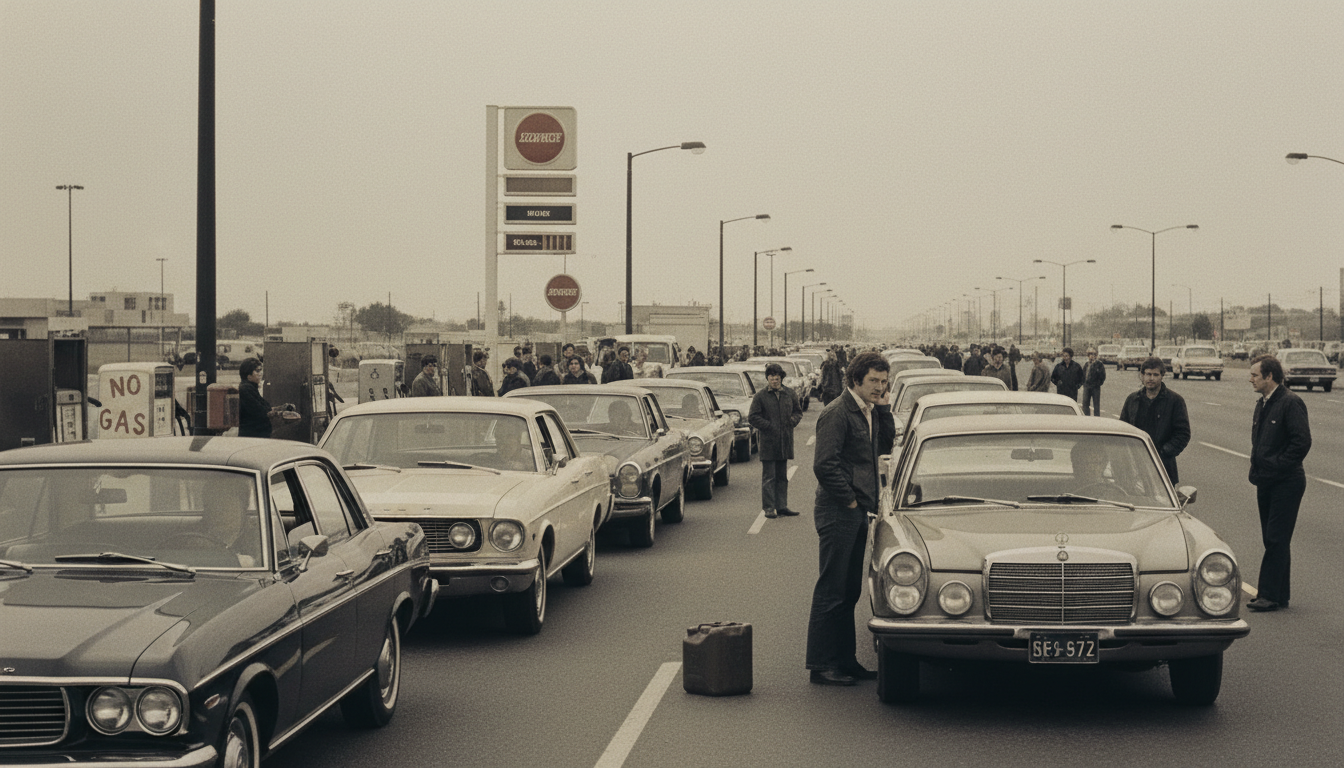
In the 1970s, oil became a weapon of war and paralyzed the entire world, and now the same thing is happening again with Iran closing off the route for 20% of the planet’s fuel.
-
When oil prices rise, the gas station increases prices the next day, but when it drops by 13% at once, no one explains why gasoline remains at the same price for months.
-
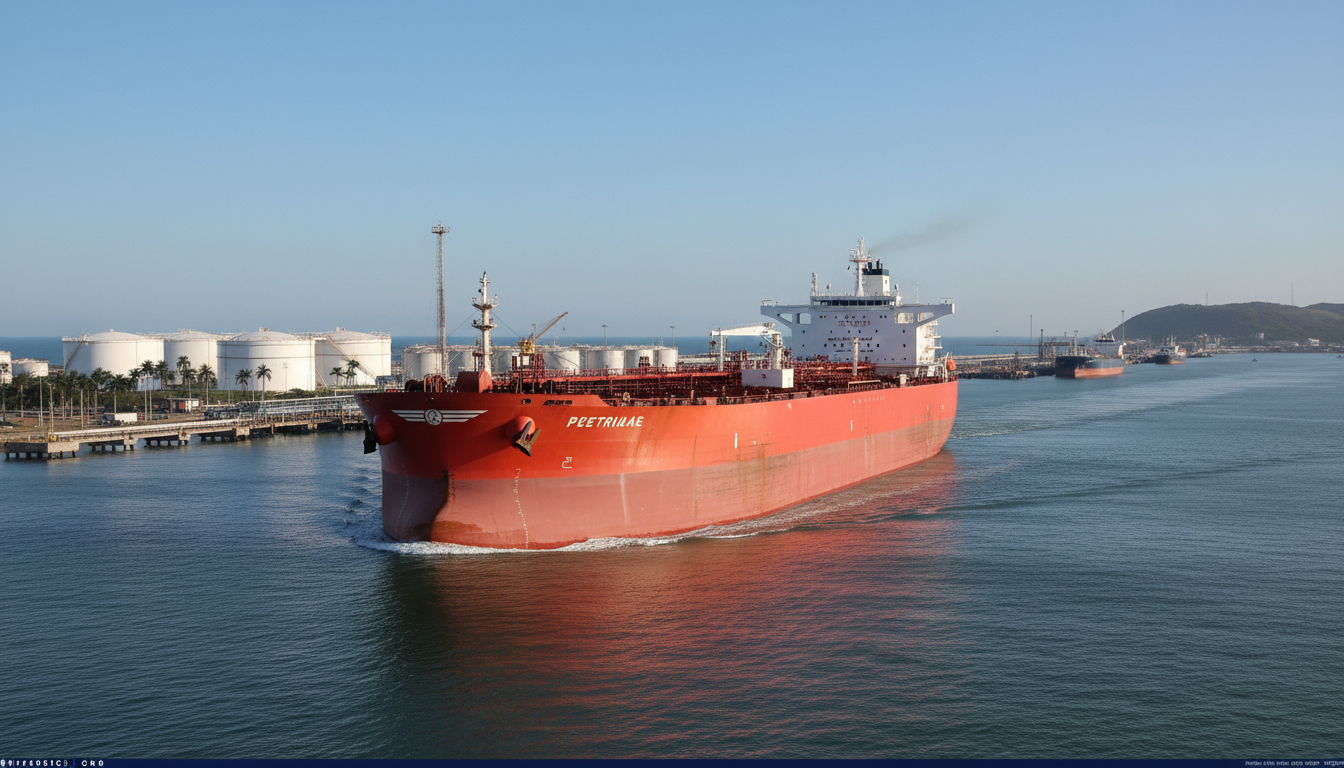
The largest fuel distributor in Brazil has just been forced to import diesel and gasoline on its own after Petrobras reduced its monthly deliveries.
-
After Trump gave Iran 48 hours to reopen the route for 20% of the world’s oil, the barrel skyrocketed to $117, dropped 13% with a truce, and the Central Bank had to inject $2 billion to stabilize the dollar.

Thus, in February 2015, when Aldemir Bendine assumed the company’s presidency, Petrobras had already suffered the loss of two-thirds of its market value, which was now equivalent to R$ 128 billion. In an attempt to improve the situation, Bendine carried out a series of layoffs to purge political appointments and began selling assets to reduce debt, but was unsuccessful in alleviating the crisis.
Petrobras’s Price Parity Policy Was Instituted by Pedro Parente in 2016
At the end of May 2016, with the recent impeachment of Dilma Rousseff and the beginning of Michel Temer’s (MDB) mandate, Pedro Parente was appointed the new president of Petrobras, establishing the controversial price parity policy between Brazil and abroad.
As a result, the company’s condition began to improve, with a reduction in debt and an increase in the value of the market. However, on the other hand, the new pricing policy resulted in a general strike by truck drivers in the country, which led to Pedro Parente’s resignation and the appointment of the company’s then financial director, Ivan Monteiro.
Monteiro maintained international parity, despite the pressure received, which allowed the state-owned company to continue growing. Thus, when Jair Bolsonaro (PL) assumed the presidency in 2019, Petrobras’s market value was equivalent to R$ 333 billion.
In the following years, even in the face of the COVID-19 pandemic, the constant changes in the company’s leadership made by Bolsonaro, and more recently, the war in Ukraine, Petrobras’s value remained stable and, due to the rise in oil prices, even increased, reaching R$ 473 billion in April of this year.
New Changes in Petrobras’s Presidents Are Related to the Drop in Market Value
However, this scenario has changed recently. The pressure from the Bolsonaro government against fuel price increases and the announcement that the company’s leadership would be passed from José Mauro Ferreira Coelho to Caio Mário Paes de Andrade caused Petrobras’s market value to drop from R$ 475 billion in May of this year to R$ 379 billion on June 20.
From June 16 to June 17, when a new fuel price increase was announced by the state-owned company and faced criticism from Jair Bolsonaro and Arthur Lira (PL-AL), the market value fell by R$ 27 billion.
In total, there is a reduction of R$ 96 billion, which corresponds to 20% of the company’s value.








Seja o primeiro a reagir!