





 Portuguese
  English
  Spanish
  2 min of reading


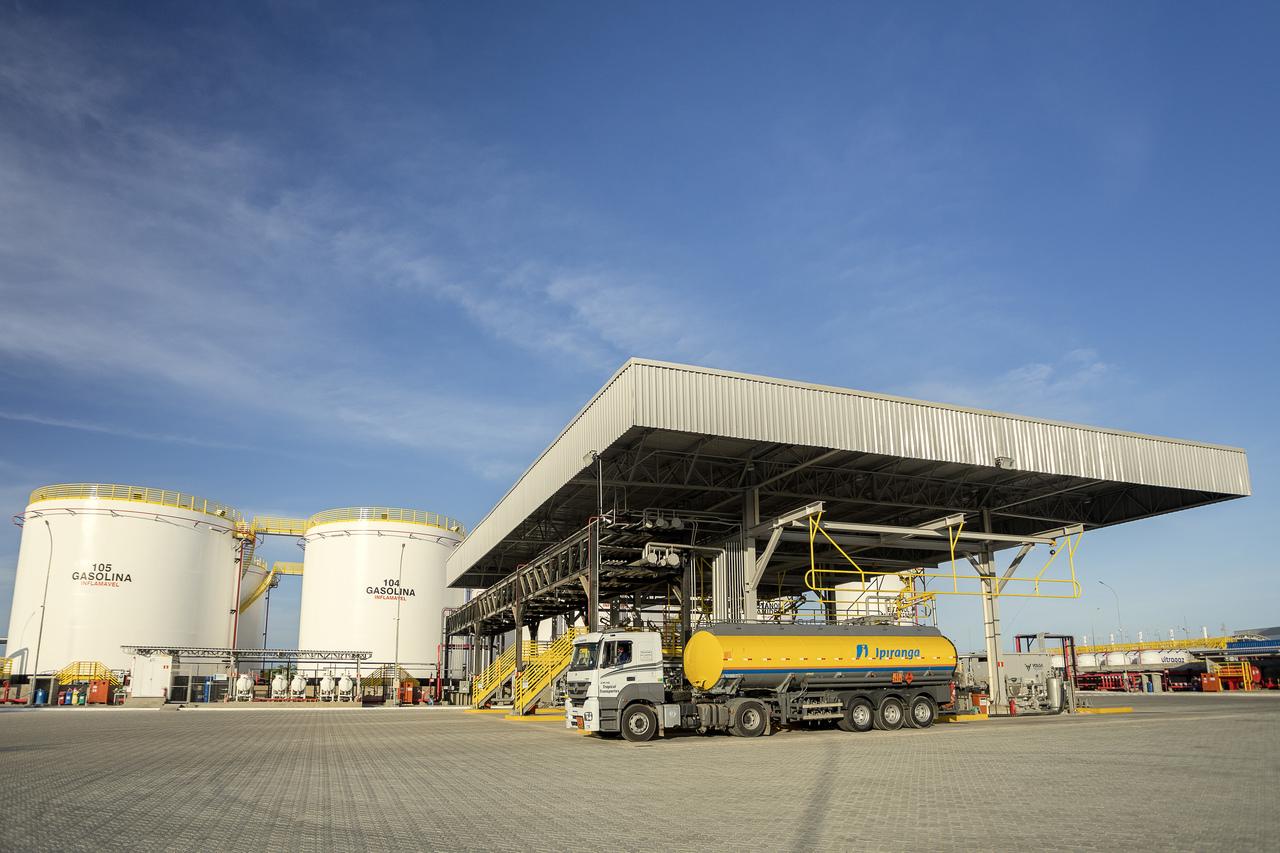
The Behavior of Diesel, Gasoline and Ethanol Prices Diverges in the Second Week of September, Bringing Changes to the Fuel Market
In the current fuel scenario in Brazil, the second week of September reveals distinct trends for the main vehicle fuels. Diesel showed an increase of 0.65%, while gasoline recorded a slight stability, decreasing by 0.1%. In contrast, ethanol observed a reduction of 1.19%, becoming a more economical option for flex vehicles in 14 Brazilian states. These insights come from the latest survey by ValeCard, a reference in mobility solutions.
Highlights of Gasoline Prices
Between September 4 and 10, gasoline witnessed a subtle decrease of 0.1% compared to the previous week, resulting in a national average of R$ 6.015 per liter. This scenario is the result of a comprehensive analysis conducted by ValeCard, which evaluated transactions at over 25,000 fuel stations throughout Brazil.
This relative stability in the price of gasoline is a direct consequence of the competition with ethanol, which has proven to be a more attractive alternative in several regions of the country. Brendon Rodrigues, innovation leader at ValeCard, emphasizes that future increases in the price of gasoline cannot be ruled out. Factors like the 16.3% adjustment made by Petrobras and the rising international oil prices contribute to this forecast.
-
The government requests the Federal Revenue Service for a new system to automate the income tax declaration, reducing errors, time, and bureaucracy for millions of Brazilians.

-
Pix in installments, international Pix, and contactless payment without internet: the Central Bank revealed the new features coming to the tool that is already used by almost every adult in Brazil.

-
Mercado Livre has just started selling medications with delivery in up to three hours to your door, and this move could completely change the way Brazilians buy medicines on a daily basis.

-
In Dubai, rising tensions from the war in the Middle East are causing super-rich individuals to leave the Gulf and direct their fortunes to a new financial refuge in Asia.


Ethanol: An Alternative in Growth
On the other hand, the price of hydrated ethanol, used directly in vehicles, experienced a 1.19% reduction in the second week of September. This translates to a national average of R$ 3.751 per liter. These figures, also from ValeCard’s analysis, indicate a trend of price rebalancing amid increased agricultural production.
Brendon Rodrigues also points out that, following a 0.18% increase in the previous week, ethanol has seen a price reduction, evidence of a market adjustment. Data from the Sugarcane Industry Union and Bioenergy (Única) reveal a significant increase in sugarcane milling, an indicator of potential expansion in ethanol production.
The decision between gasoline and ethanol directly impacts drivers of flex vehicles. According to ValeCard’s methodology, ethanol becomes a financially advantageous option if its price is equal to or less than 70% of the value of gasoline. Based on this approach, in several states, such as Bahia, Goiás, and São Paulo, ethanol emerged as the most economical choice in the fourth week of August.
Amid market fluctuations, the behavior of fuel prices continues to influence consumption decisions. While diesel remains on an upward trajectory, gasoline and ethanol present competitive alternatives, bringing new challenges and opportunities to the fuel sector in Brazil.








Seja o primeiro a reagir!