





 Portuguese
  English
  Spanish
  6 min of reading
  0 comments


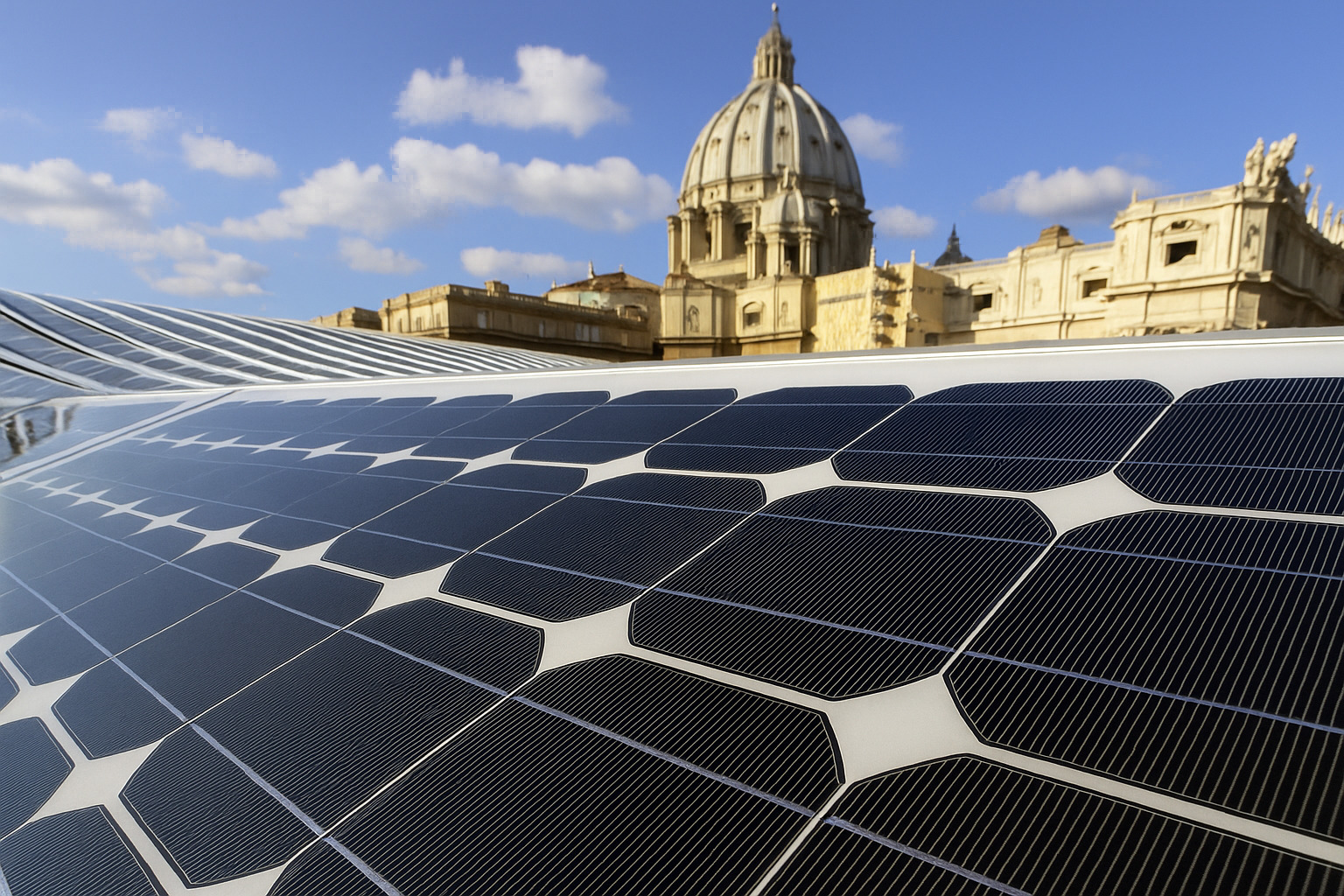
Vatican Adopts Historic Project and Starts Generating 100% Clean Energy, Becoming a Global Reference in Sustainability and Environmental Innovation.
The Vatican, known worldwide for its religious, historical, and cultural significance, has achieved an unprecedented milestone: producing 100% clean energy to meet its energy needs.
Furthermore, located in the heart of Rome, this small State has become a global example of sustainability, showing that even traditional institutions can lead the energy transition.
Consequently, the initiative not only meets the electricity demand of the Holy See, but also reinforces the message of environmental responsibility that the Catholic Church has been promoting over the past few years.
-
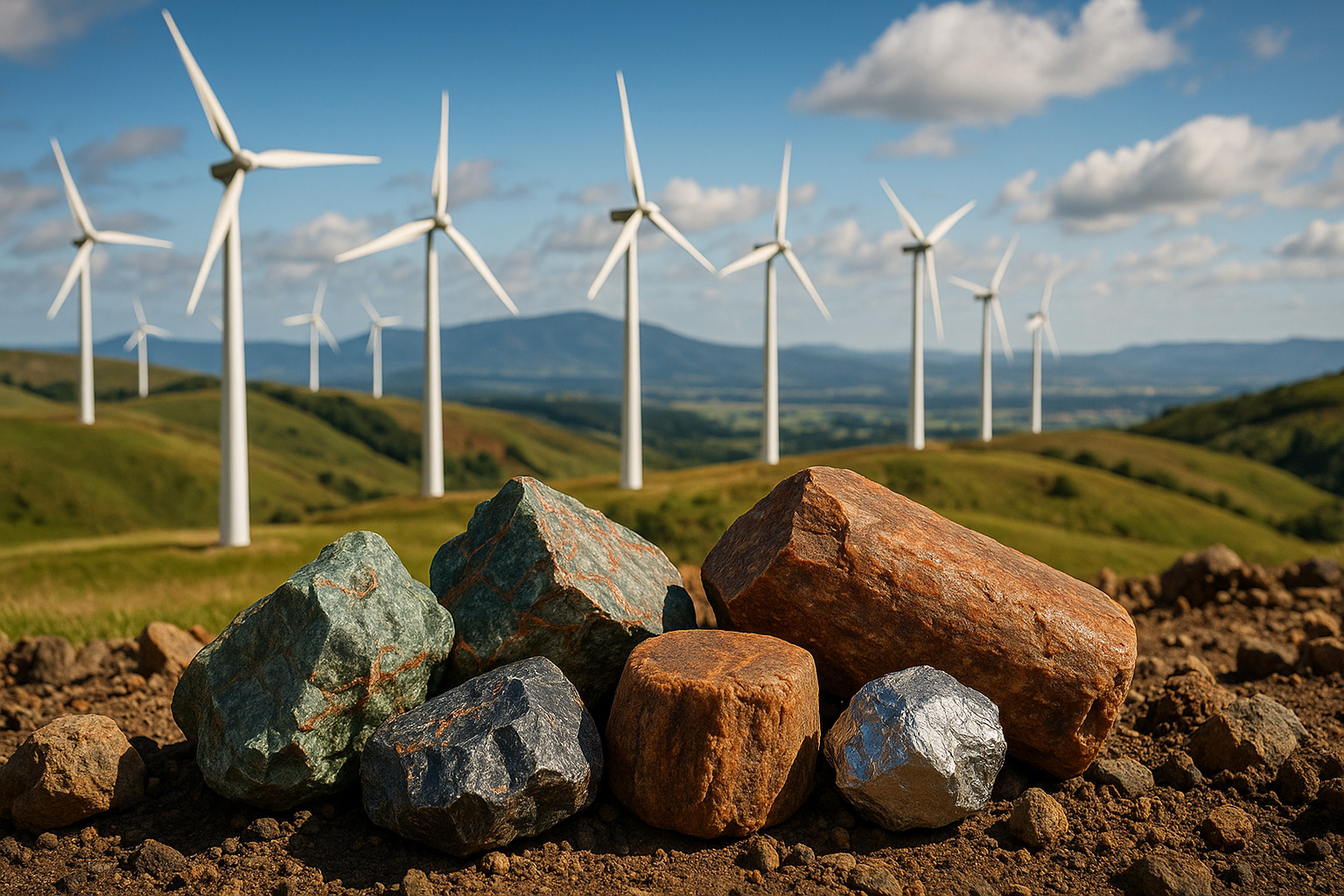
The Brazilian state accelerates industrial competitiveness with a focus on the extraction of strategic minerals to boost the energy transition in Goiás.
-
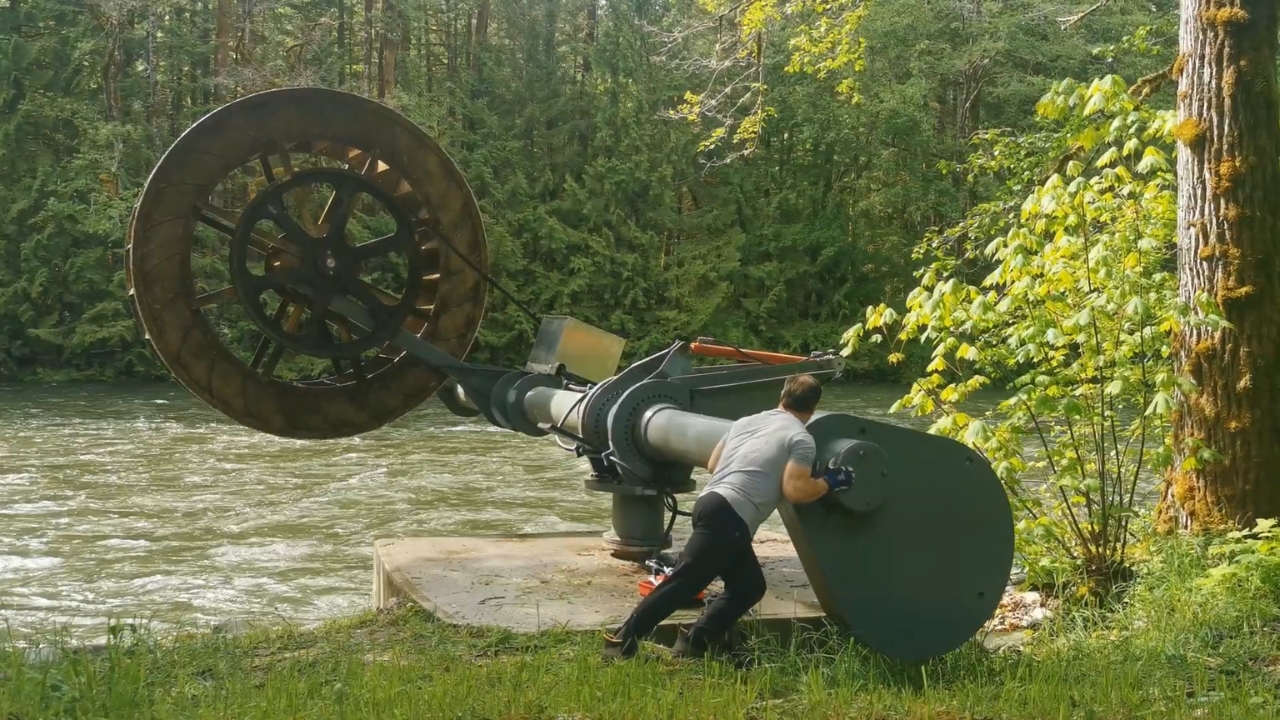
A Canadian retiree creates a hydroelectric system on a real river, generating energy continuously throughout the day and demonstrating how the power of water can supply a house with stability even in a simple structure.
-
Petrobras reaffirms its commitment to the market and ensures that it will carry out the energy transition safely to maintain national sovereignty.

-
Researchers discover a possible hydrogen deposit of up to 46 million tons beneath an ancient coal basin, and the volume could exceed half of the entire global production.


The Vatican’s journey towards renewable energy did not begin abruptly. Since the mid-20th century, the Vatican City has been seeking alternatives to modernize its infrastructure without compromising its historical and cultural heritage.
For instance, in 1957, the region of Santa Maria di Galeria became home to the shortwave transmission center of Vatican Radio, establishing a technological presence on extraterritorial land ceded by the Italian government.
Over the decades, the Catholic Church gradually incorporated sustainability concepts, recognizing that preserving the environment and managing natural resources responsibly is an ethical and spiritual duty.
Additionally, since the late 20th century, various environmental initiatives began to emerge within the Holy See, including the installation of small solar energy systems and energy efficiency programs in administrative and residential buildings of the Vatican.
Consequently, these actions, though modest, demonstrated that even a compact city-state could initiate the transition to 100% clean energy, inspiring other countries and institutions around the world.
Agrovoltaic System Unites Technology and Agriculture
The decisive step came with the signing of a historic agreement between the Holy See and the Italian government to build an agrovoltaic system in the region of Santa Maria di Galeria.
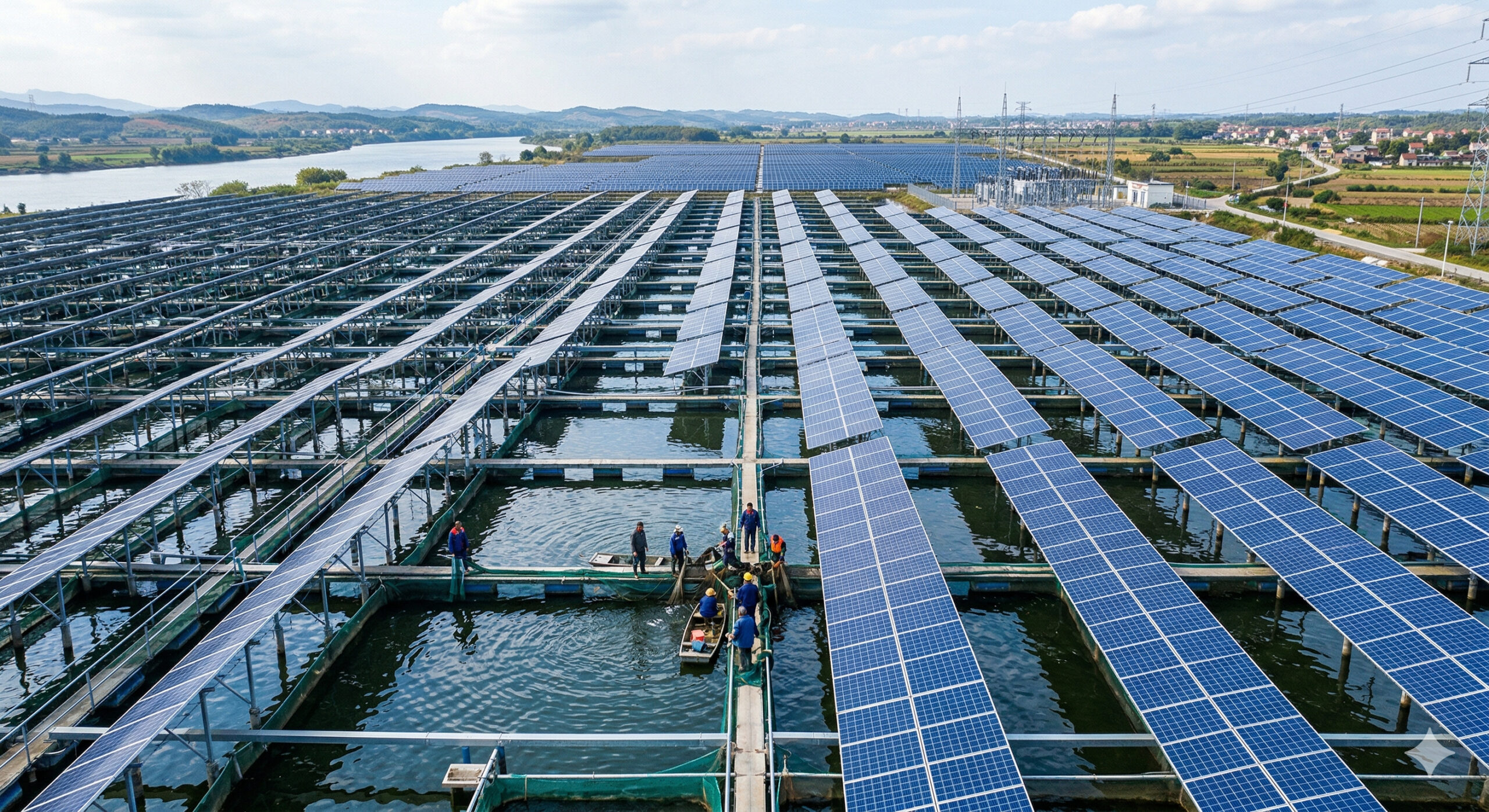
Thus, the agrovoltaic concept integrates solar energy generation with agricultural activity, allowing the land to serve simultaneously for food and electricity production.
Therefore, this model goes beyond the mere installation of solar panels, representing a harmonious vision between technology, agriculture, and environmental preservation.
As a result, it clearly demonstrates how it is possible to generate 100% clean energy without compromising the soil or the cultural heritage of the region.
Moreover, the spirituality of the Catholic Church also plays a central role in this energy transformation.
According to the pontiff, caring for creation is a duty that goes beyond human obligations, representing a commitment to the very essence of life.
Thus, the agrovoltaic system unites technology and spirituality in a single mission.
In June, the symbolic importance of the project was highlighted when Pope Leo XIV visited the land in Santa Maria di Galeria.
Additionally, the occasion coincided with the anniversary of his priestly ordination, making the visit a moment of convergence between his personal vocation and the ecclesial mission.
During the event, the pontiff blessed the existing transmission towers and officially launched the initiative that will ensure 100% clean energy for the Vatican.
Furthermore, integrating agricultural activities into the energy generation system represents a long-term strategy to strengthen local food security, reduce environmental impact, and promote sustainable land management practices.
Thus, the combination of cultivation and solar energy allows efficient use of the land, protecting the biodiversity of the region.
Advanced Technology and Historical Preservation
The system to be implemented will be among the most advanced facilities in the world in terms of integration between energy generation and agricultural use.
Moreover, the chosen technologies maximize solar energy production while preserving the hydrogeological stability of the land, maintaining agricultural use, and protecting the local archaeological heritage.
Therefore, the project becomes a reference for good environmental practices, serving as a model for other institutions and governments that wish to adopt renewable energy strategies without compromising the environment or local culture.
Historically, the involvement of the Catholic Church with environmental issues intensified during the papacy of Pope Francis, especially with the publication of the encyclical Laudato si’.
Consequently, the document highlighted the importance of an ethical and responsible approach to climate change and environmental degradation.
Thus, the Vatican’s 100% clean energy project continues and expands upon these ideas, adapting them to the practical reality of a city-state with territorial limitations and significant historical value.
In addition to the symbolic impact, the initiative brings tangible benefits to the Vatican’s energy management.
Therefore, with the adoption of agrovoltaic systems, the State ensures energy autonomy and reduces its dependence on external sources, contributing to the security and stability of the supply.
At the same time, the practice promotes environmental education, demonstrating that it is possible to combine development, environmental preservation, and respect for historical tradition.
Strategic Location and Replicable Model
The choice of Santa Maria di Galeria as the project site is not only strategic but also symbolic.
Indeed, the land has housed Vatican Radio since the 1950s, and its transformation into a renewable energy center demonstrates the Church’s ability to innovate without losing its roots.
Additionally, the installation will serve as a model for future initiatives and may inspire other nations and religious institutions to follow similar paths, consolidating the Vatican’s role as a global reference in sustainability.
Another relevant aspect is the replicable nature of the agrovoltaic model.
Consequently, integrating agriculture with solar energy allows rural communities around the world to explore clean energy solutions without giving up food production.
In this way, this multifunctional approach shows that the energy transition need not be incompatible with other social and economic needs.
Thus, the Vatican proves that even regions of high cultural value can effectively contribute to global efforts to combat climate change.
Moreover, the success of the Vatican project creates opportunities for scientific research and the development of new solar technologies, with the potential to generate innovation in other areas such as water management, environmental monitoring, and sustainable agriculture.
Therefore, the impact goes beyond the State, potentially inspiring universities, laboratories, and private companies to collaborate on more efficient and sustainable clean energy solutions.
The Vatican’s commitment to 100% clean energy reinforces the idea that great transformations can emerge from small territories.
Indeed, despite its small size, Vatican City proves that the impact of sustainable actions transcends geographical boundaries.
Thus, the experience gained can be shared internationally, encouraging partnerships between governments, religious institutions, and companies in the energy sector.
Timeless Legacy and Global Inspiration
In summary, the Vatican has become a pioneer by implementing a system that guarantees 100% clean energy, demonstrating that tradition, technology, and spirituality can coexist.
Therefore, the initiative combines innovation, historical preservation, and environmental responsibility, offering a timeless example to the world.
More than a practical measure, it signals that sustainability can be embraced as an ethical, moral, and strategic value, inspiring institutions and communities to rethink their own relationships with nature and energy.
The Santa Maria di Galeria project consolidates the Vatican as a global reference, showcasing that energy transition and respect for history can go hand in hand.
Thus, by producing its own clean energy, the Holy See reinforces its commitment to creation and reaffirms that faith and technology can unite for a more sustainable world.
Consequently, this timeless example shows that it is possible to align tradition and innovation, spirituality and science, ensuring that the planet and humanity thrive in harmony.





-

Uma pessoa reagiu a isso.