





 English
  Francês
  Alemão
  Italiano
  Japonês
  Norueguês
  Portuguese
  Spanish
  4 min of reading


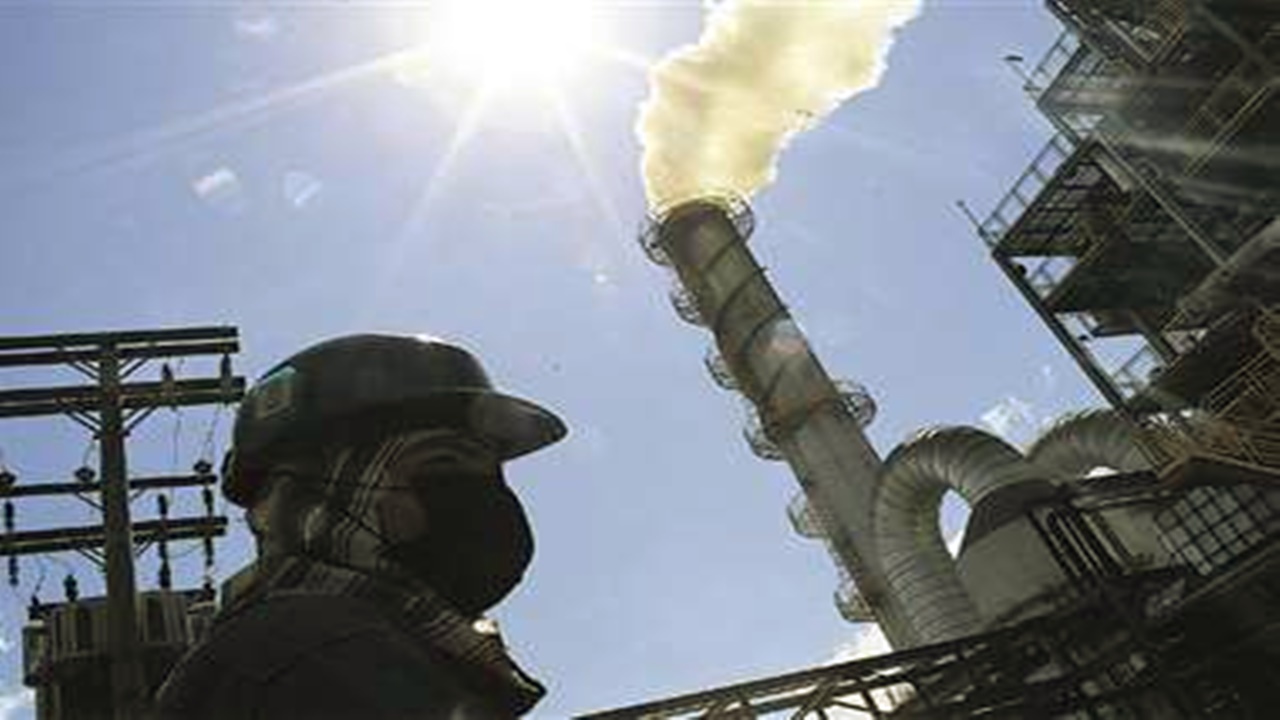
A Reliable Gas Detection System Is Important to Ensure Safety in Industrial Operations, Product Quality, and Compliance with Local Regulations.
The danger can be invisible. Gas leaks in industries can cause production stoppages, creating financial problems, as well as accidents of catastrophic proportions, even at the cost of lives.
Read Also
- 50 Companies in Canada Recruit Brazilians for Many Job Vacancies in the Fields of Industry, Manufacturing, Health, and More; There Is No Age Limit for Candidates
- Petrobras and the Government of Rio Will Close an Agreement for the Transfer of Comperj Areas Next Friday (09/10)
- European Multinational Offers More Than 200 Job Vacancies in RJ, SP, PE, BA, MG, and More for This Month of September
- Raízen Calls for Job Vacancies in Ethanol Plants; No Professional Experience or Knowledge of English or Excel Required
The use or generation of gases in industrial processes is not limited to conventional gases, such as the natural gas we know. Food and beverage industries, such as large slaughterhouses and breweries, use refrigerant gases – ammonia, R-123, or R-404A – in their daily operations to ensure refrigeration and conservation of their products.
If a leak of the gas used in the refrigeration system occurs, depending on its extent, it may be necessary to close off a large part of the industrial plant, evacuating employees and halting operations until the entire affected area is detoxified, causing immeasurable losses.
-
Unemployment rises again to 5.8% at the beginning of 2026, raising alarms about the end of temporary positions and its impact on the Brazilian job market.

-
Document organization can cut invisible costs in small businesses, a simple step that prevents waste, rework, and losses in daily operations.

-
While Russia dominates the global wheat market, Brazil emerges as an unexpected competitor in the Cerrado, offering grain available in July and August when stocks in the Northern Hemisphere are at their lowest point of the year.

-
China returned almost 20 Brazilian ships with soybeans, but now everything could change: the country that buys 80% of the grain is considering relaxing regulations after impurities held up shipments of thousands of tons and caused million-dollar losses.


“An ammonia leak, for example, can cause anything from employee intoxication to large-scale explosions, putting the lives of these workers at risk and generating incalculable losses,” says Felipe Claudiano, Manager of Fixed and Portable Gas Detection Products at MSA Safety, a global leader in the development, manufacturing, and supply of safety products.
Therefore, industrial plants need an efficient system capable of early detecting refrigerant gas leaks. NR 36, the regulatory standard for occupational health and safety – especially for meat processing and slaughter industries – establishes minimum requirements for risk assessment, control, and monitoring, and includes among various measures the obligation to implement mechanisms for the early detection of leaks at critical points, coupled with an alarm system and installation of a control panel for the refrigeration system, among other fundamental safety factors.
Devices That Control and Monitor Gas Leaks Minimize the Risk of Large Accidents
There are several devices that assist in controlling and monitoring gas leaks, minimizing the risk of large-scale accidents. These are fixed detectors that, when installed in strategic locations, detect refrigerant gas leaks and emit alerts to auxiliary control systems, such as sirens or ventilation systems.
An excellent performing point gas detector is the X5000 from MSA Safety, which identifies leaks using chemical sensors that react in the presence of the target gas, such as ammonia. A detector like this has a lifespan of approximately five years, unlike conventional detectors with limited duration, requiring constant maintenance and sensor replacement to ensure proper functioning.
The Chillgard 5000, also from MSA, is a suction system that monitors up to 16 points using infrared photoacoustic technology, detecting ammonia or up to 38 different refrigerant gases. The detector features a colored touch interface with simple visual indications for alarms, failures, or events, maintaining an easily accessible log of events and diagnostics that allows for rapid problem resolution. The unique adjustment/calibration port facilitates any type of testing on the detector and avoids the need for working at height, which is common in conventional point detectors.
Industries Rigorously Follow Protocols Against Gas Leaks
A survey conducted by MSA indicated that the Chillgard 5000 can generate savings of up to 50% over the years compared to a conventional electrochemical system. This is what happens with a partner that has maintained fifty ammonia detection points installed for four years. The company chose to invest in the Chillgard; even though it was a larger initial investment, in the following years, the amount spent was reversed into significant savings.
According to the specialist, for each need, application, or size of the area at risk of leaks, there are systems that help provide better monitoring coverage, such as perimeter detection made from open beam detectors, with an emitter and receiver, using laser technology in areas of constant risk of up to 120 meters for ammonia detection. With disruptive laser technology, MSA’s ELDS, for example, is a maintenance-free detector that does not generate false alarms, which is common with conventional detectors in extreme use.
“There are solutions for all ‘sizes’ and needs. The most important thing is that industries strictly follow protocols against gas leaks and understand that these detection systems are investments and not merely costs,” emphasizes Felipe Claudiano.










Seja o primeiro a reagir!