





 Portuguese
  English
  Spanish
  5 min of reading
  2 comments


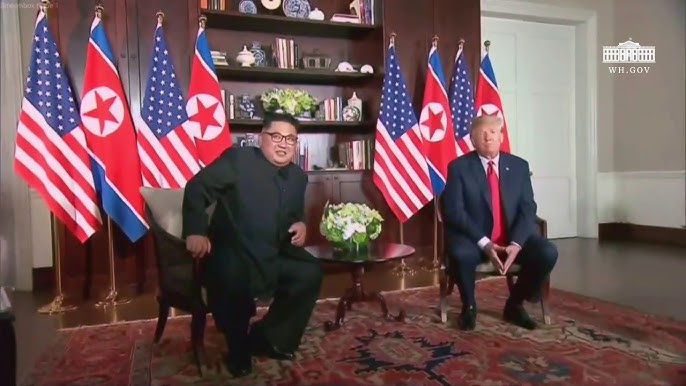


Leaked Information Suggests Trump Plans To Adopt A Strategic Approach With North Korea In 2025
Donald Trump, President-Elect of the United States, is considering resuming direct dialogue with North Korean leader Kim Jong Un, in an attempt to de-escalate nuclear tensions. The idea arises as part of a renewed diplomatic effort to avoid a potential armed conflict, according to sources close to the transition team, as reported by Reuters.
Could Trump Meet With The North Korean Leader Again?
Members of Trump’s team believe that a direct approach could be key to unlocking the impasse with Pyongyang. The relationship between Trump and Kim, marked by exchanges of insults and flattering letters during the Republican’s first term, left the door open for new talks.
While there is not yet a final decision on the next steps, analysts claim that Trump intends to re-establish a basic channel of communication with North Korea. However, more urgent issues, such as the conflict in the Middle East and the war in Ukraine, may divert Washington’s foreign policy attention.
-
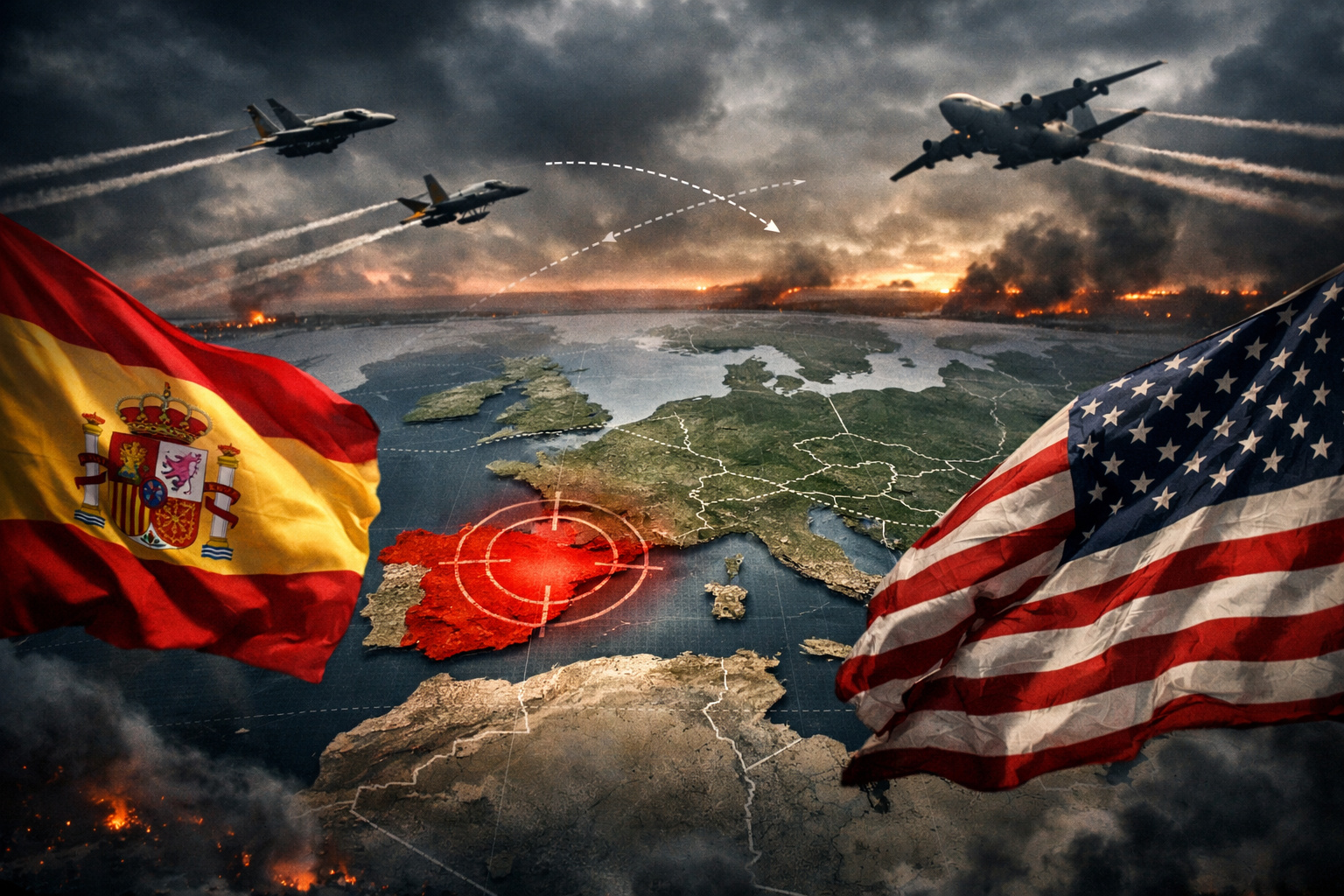
Spain challenges the USA and closes its airspace for operations against Iran, raising global tension and provoking the threat of a trade rupture.
-
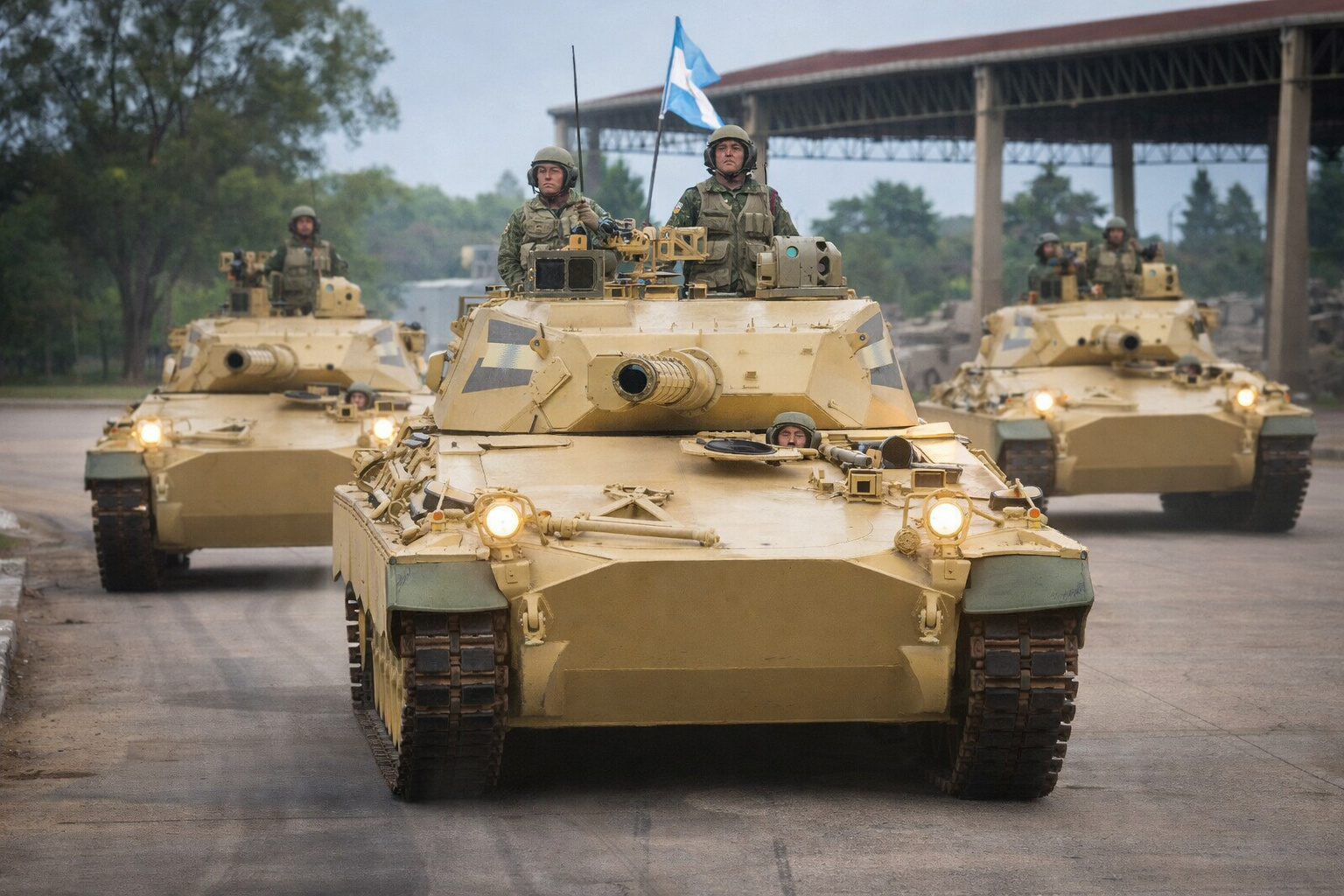
While no other country manufactures tanks in Latin America, Argentina activates the TAM 2C-A2 and raises a curiosity about the technological lag in the region.
-
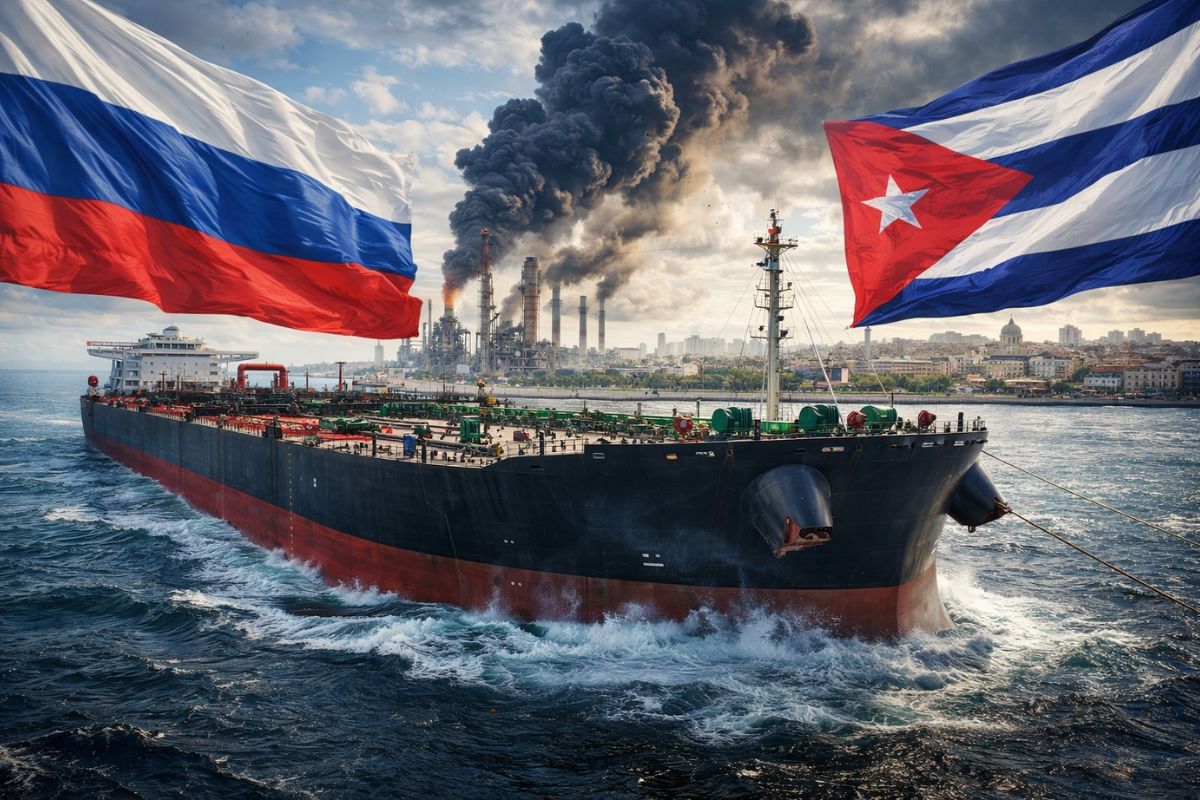
A Russian ship with 730,000 barrels of oil has just arrived in Cuba while Mexico negotiates fuel sales through private companies: the communist island is desperately seeking alternatives after losing its supply from Venezuela due to American military action.
-
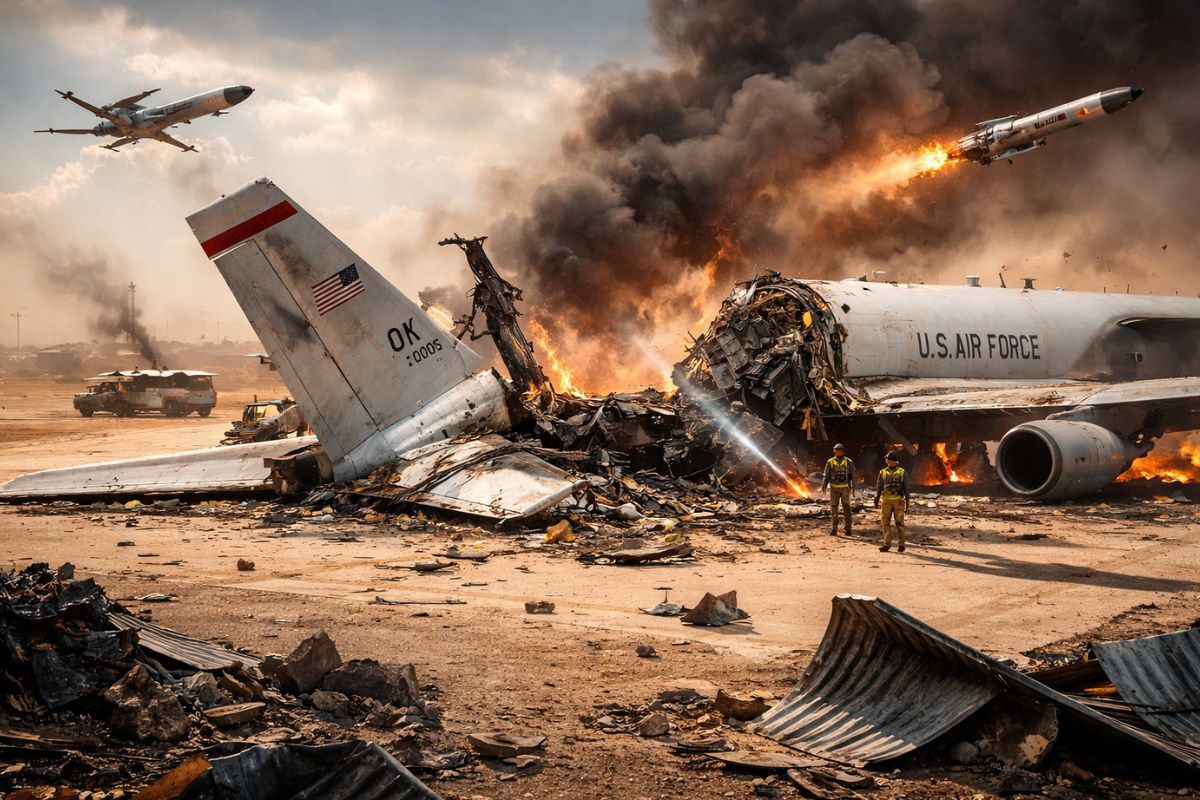
Iranian drones and missiles destroyed a 270 million dollar American spy plane in Saudi Arabia, splitting the E-3 Sentry aircraft in half and injuring 12 military personnel in an attack that exposes the vulnerability of U.S. bases in the Persian Gulf.
Current Context
Since Trump left the presidency in 2021, Kim Jong Un has bolstered his nuclear arsenal and tightened ties with Russia, making the environment even more challenging. During the Biden administration, Pyongyang ignored invitations for unconditional negotiations, and Kim recently stated that U.S. provocations have increased the risk of a nuclear war.
Recent research reveals that North Korea has expanded short-range missile production facilities, which have been used by Russia in the Ukrainian conflict. Furthermore, there are fears that military technology exchanges between Moscow and Pyongyang could stoke regional and global tensions.
The Diplomatic Legacy of Trump
During his first term, Trump was the first sitting U.S. president to step foot on North Korean soil. He held three historic meetings with Kim, in Singapore, Hanoi, and the Korean Demilitarized Zone. Despite expectations, these summits did not result in concrete advances.
While the U.S. demanded complete denuclearization of North Korea, Kim insisted on the total lifting of economic sanctions. The impasse resulted in a resumption of threats and an escalation of hostile rhetoric.
Nonetheless, Trump and his allies view direct diplomacy as the best alternative to influence Pyongyang’s behavior. “My experience with Trump is that he is more willing to engage directly,” said Senator Bill Hagerty.
Challenges For The New Strategy
In addition to facing a militarily strengthened North Korea, Trump must deal with a deteriorating bilateral relationship between the U.S. and China. In his last meeting with President Xi Jinping, Biden urged Beijing to exert its influence over Kim.
However, with Trump promising more aggressive tariffs against Chinese products and selecting figures known for their tough stance on China, such as Marco Rubio and Mike Waltz, the path to cooperation appears limited.
The involvement of Russia in this equation adds an extra layer of complexity. Reports suggest that thousands of North Korean soldiers may be sent to support Russia in Ukraine, while nuclear technologies might be shared.
Trump’s Strategy Regarding North Korea In His First Term
Donald Trump’s administration (2017-2021) brought an unusual and polarizing approach to diplomacy with North Korea. Characterized by a combination of aggressive rhetoric, strict economic sanctions, and unprecedented direct meetings with North Korean leader Kim Jong-un, Trump’s strategy was notable for breaking from the traditional methods employed by previous administrations. Here’s a detailed overview of the actions and policies adopted:
1. Rhetorical Escalation and “Fire and Fury”
At the beginning of his term, Trump adopted an aggressive stance towards North Korea. In 2017, when Pyongyang intensified its intercontinental ballistic missile and nuclear tests, Trump threatened to respond with “fire and fury like the world has never seen.” This approach heightened tensions on the Korean Peninsula, leading many to fear a military escalation.
2. Maximum Pressure: Economic Sanctions and Isolation
The “maximum pressure” policy was central to Trump’s plan. The administration worked with allies and international organizations to impose severe economic sanctions against North Korea, aiming to suffocate its export-dependent economy, including coal and textiles. Additionally, Trump pressured China, North Korea’s main trading partner, to reduce its economic ties with the North Korean regime.
3. Unprecedented Diplomacy: Historic Meetings With Kim Jong-un
Despite the initial rhetoric, Trump surprised the world by becoming the first sitting U.S. president to meet personally with a North Korean leader. Between 2018 and 2019, he participated in three meetings with Kim Jong-un:
- Singapore (2018): The first meeting resulted in a general agreement on the denuclearization of the Korean Peninsula but lacked practical details.
- Hanoi (2019): The negotiations failed due to disagreements over the lifting of sanctions and concrete steps toward denuclearization.
- Demilitarized Zone (2019): Trump briefly crossed into North Korean territory, symbolizing his willingness to engage in dialogue.
Although the meetings were historic, they did not result in significant advances in denuclearization or normalization of relations.
4. Outcomes and Critiques
The outcomes of Trump’s strategy were mixed. On one hand, the approach opened a new communication channel with North Korea and avoided potential war during a period of high tension. On the other, critics argue that the meetings legitimized Kim Jong-un without securing concrete concessions, such as the reduction of North Korea’s nuclear arsenal.
Furthermore, despite the sanctions, North Korea continued to develop its nuclear and ballistic capabilities, indicating that “maximum pressure” was not enough to force structural changes.
The Next Chapter In U.S.-North Korea Relations
Despite the challenges, the indication of Alex Wong, a former State Department official who helped negotiate previous meetings with Kim, as deputy national security adviser signals that Trump intends to revisit his engagement strategy.
It remains to be seen whether North Korea will be willing to concede at any point or if Kim’s stance will remain inflexible. Regardless, Trump seems determined to tackle the issue directly, as he did when he assumed office for the first time in 2017.
With his inauguration scheduled for January, Trump will have little time to reassess a foreign policy fraught with challenges. The possibility of renewed dialogue with Kim Jong Un could represent a unique opportunity to reduce tensions, but success will depend on a strategic approach and both parties’ willingness to compromise. The world is closely watching the next moves in this delicate relationship.









Trump, você pode , e vai enganar vários governantes pelo mundo afora, ex: Brasil, Argentina, México, países Árabes, alguns da Europa, Israel, entre outros, más Coreia do norte, (Kim) pyongyang, NÃO vai mesmo, pode tirar o cavalinho da chuva, boa sorte…
Parabéns para o governo brasileiro e chinês, esse dia já era esperado, a união de dois países importantíssimos para a paz mundial..juntamente com a Rússia entre outras nações.