





 Portuguese
  English
  Spanish
  3 min of reading



As Of This September Month, All Vehicles Assembled In Argentina, Uruguay And Paraguay Will Reach The Brazilian Automotive Market At A More Accessible Price
Last Thursday (2), it was announced that vehicles and other automotive components assembled in Argentina, Uruguay, and Paraguay will no longer require import licensing to enter Brazil. This information was conveyed in an official statement by the Ministry of Economy. Controls over the imports made will be conducted later. According to the Ministry, this action was taken to make the importation of vehicles more efficient and reduce taxes.
Read Also
All Details About The Import Changes For Vehicles And Automotive Components
The new changes that have already come into effect will not harm the Brazilian automotive sector, as vehicles and other automotive products coming from other Mercosur countries are still subject to pre-established tariff quotas in trade agreements.
Despite the changes, the number of vehicles from other Mercosur countries entering Brazil will remain the same; only the import process will be faster, less bureaucratic, and with fewer taxes to be paid.
-
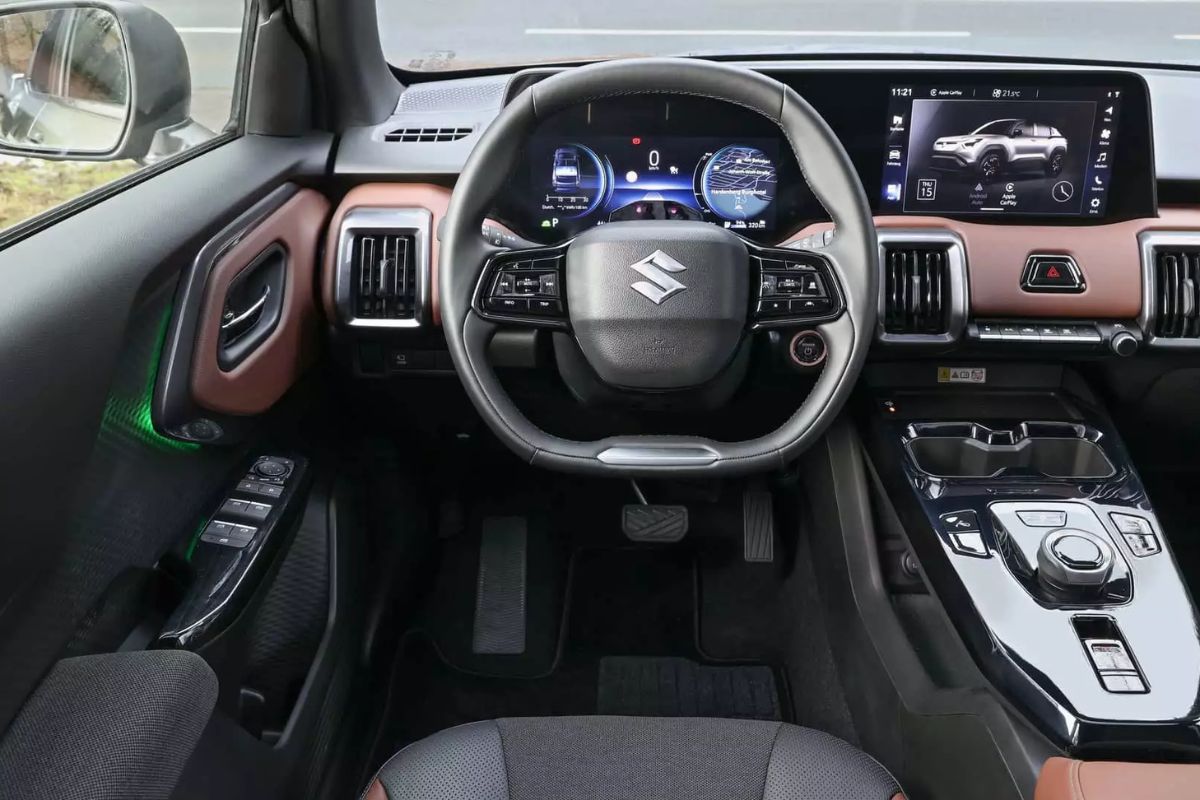
The 2026 electric Vitara arrives in Brazil and proves that Suzuki is not leaving: 4×4 traction, 184 hp, 61 kWh LFP battery, 293 km range, R$ 259,000, and a trunk capacity of 224 L.
-
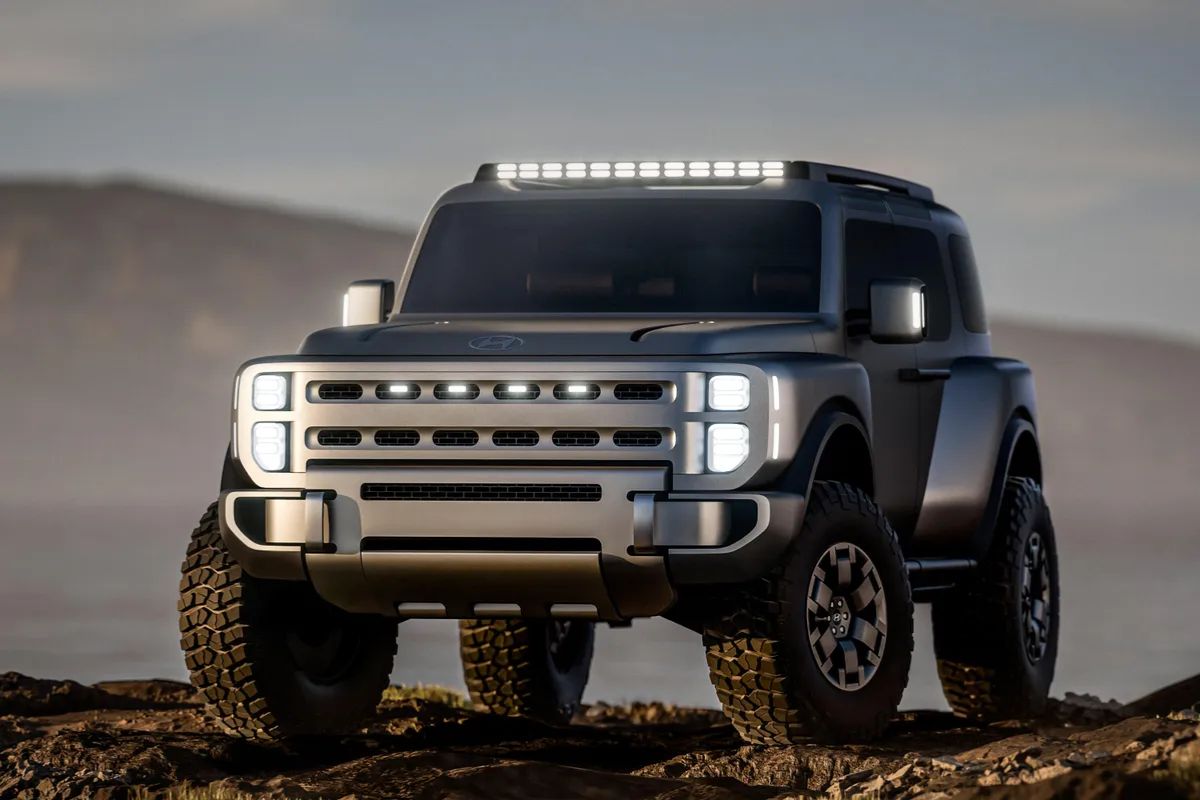
Hyundai has unveiled the Boulder, a square SUV with a body-on-frame design, 37-inch mud tires, and carriage-style doors that seems to be made to take on the Ford Bronco and the Scout Traveller in the United States.
-
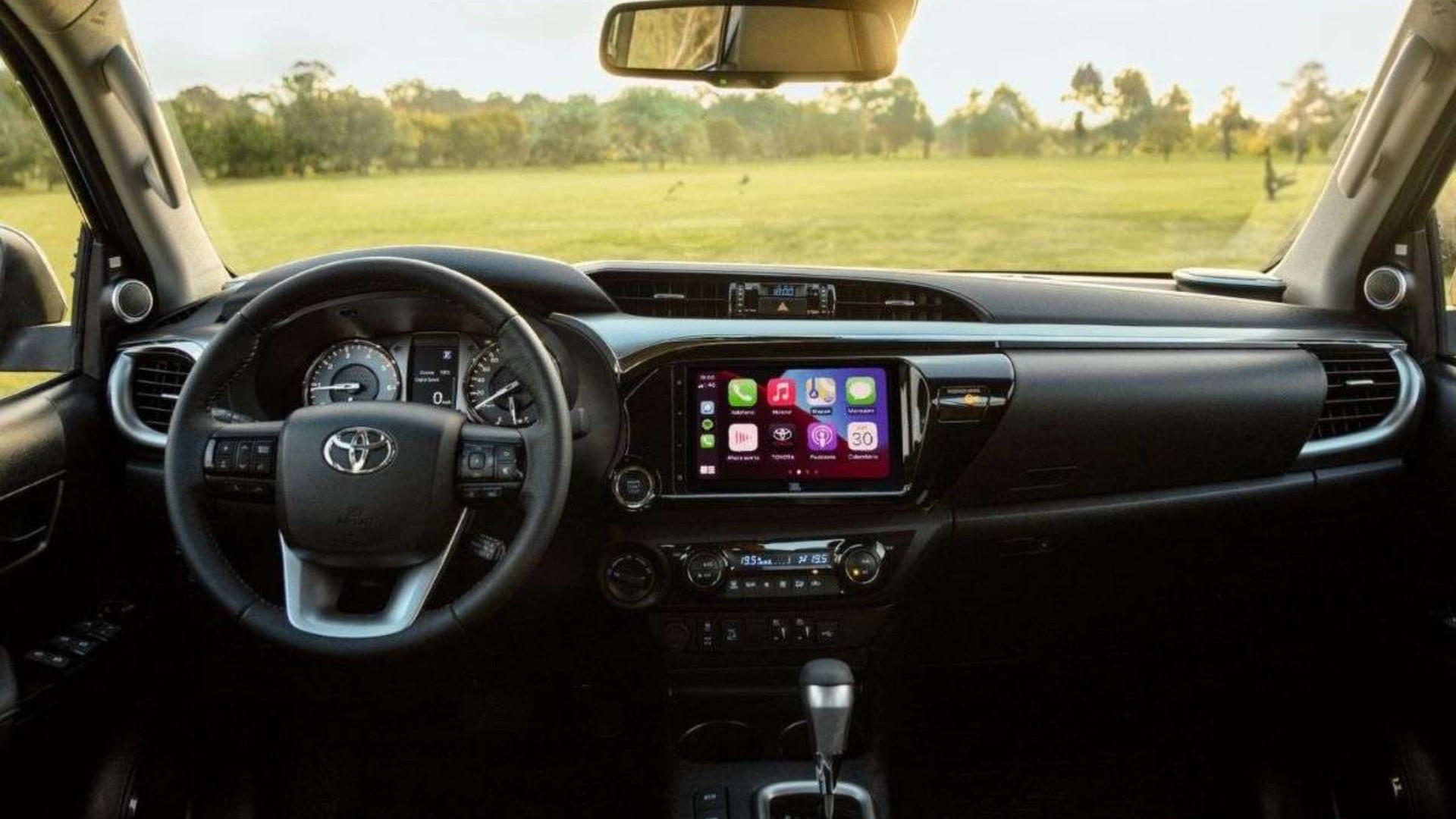
The Toyota Hilux is R$ 75.5 thousand cheaper and bets on the 2.8 turbodiesel engine with up to 204 hp and 50.9 kgfm to catch up with the VW Saveiro, which leads with 4,472 sales.
-
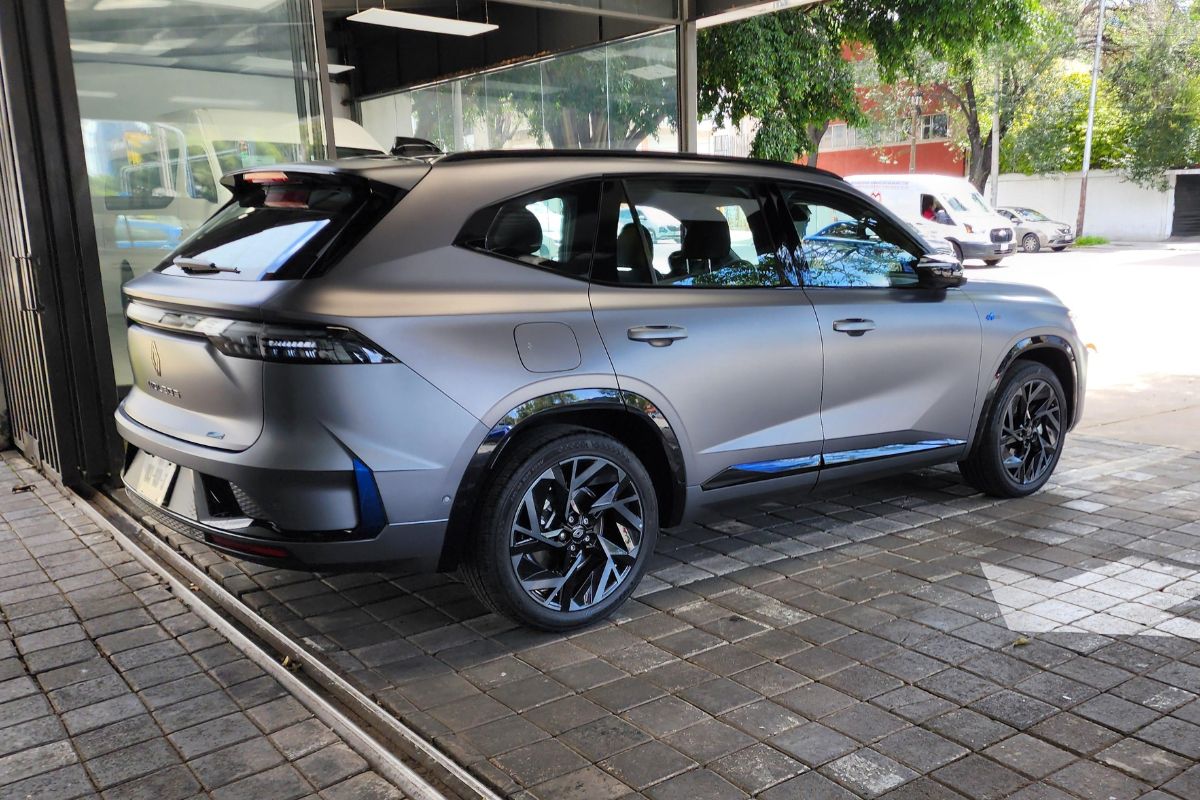
The new Renault Koleos has a screen exclusively for the passenger that is invisible to the driver, heated rear seats, and 29 assistance systems, but its Chinese competitors cost R$ 40,000 less and deliver more power.
According to the Secretariat of Foreign Trade of the Ministry of Economy, the reported change will continue to follow the commitments made by our country regarding the World Trade Organization (WTO) Trade Facilitation Agreement and is part of the bureaucratic reduction agenda promised by the Federal Government. The new rules established were published in an ordinance in the Official Gazette on the last 26th.
End Of The Mercosur External Tariff On 19 Products Related To Air Transport
In another resolution published on September 1st, Camex (Chamber of Foreign Commerce) ended the common external tariff of Mercosur on about 19 products related to air transport.
This new measure is now part of the special import regime, granting exemption from Import Tax for the aviation sector on airplanes, devices, and accessories used in flight training and their other components. With this decision, around 887 aeronautical products are now exempt from payment of taxes or any other external tariffs.
According to Camex, this measure will help improve the competitiveness of the airline sector, which was greatly affected by the global Covid-19 pandemic. This exemption from the aviation sector’s special import regime reaches the main sectors of aviation services. As a result, various companies and airlines will be able to access the machinery and products used throughout the sector, such as passenger boarding bridges and other products used on board.
The Federal Government’s Commitment To The Bureaucratic Reduction Agenda
It is well known that a highly discussed point during these nearly four years of Bolsonaro’s government is the high bureaucratic presence in import and export systems across various industry sectors.
From the extensive list made by the current ruler of Brazil, only two processes have been deregulated: the facilitation of the purchase and possession of firearms, relieving buyers of taxes, and now the facilitation of the import procedures for vehicles coming from Argentina, Uruguay, and Paraguay.










Seja o primeiro a reagir!