





 Portuguese
  English
  Spanish
  4 min of reading
  0 comments


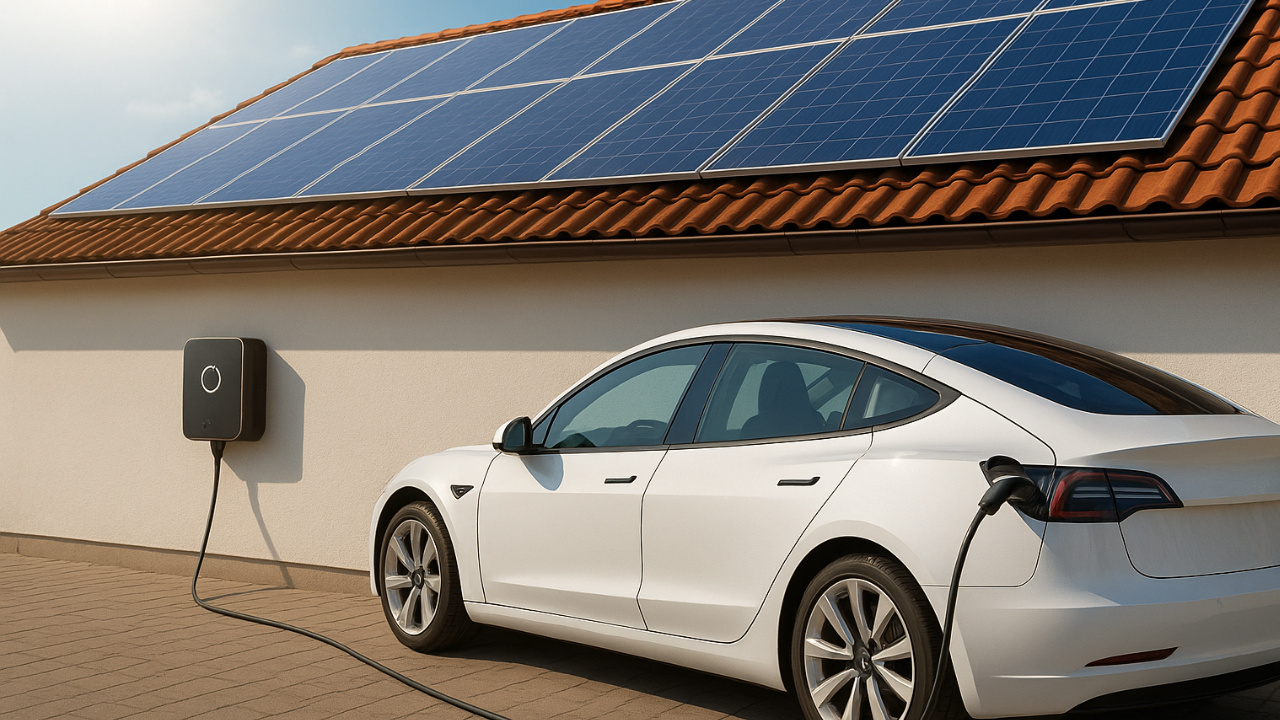
With The Advancement Of Electric Vehicles, The Number Of Brazilians Who Utilize Solar Energy To Refuel Their Cars At Home Is Growing. The Technology Ensures Economy, Sustainability And Independence From The Public Grid.
Electric mobility is already a consolidated reality in Brazil. More and more drivers are discovering that refueling their cars can happen simply, cleanly and accessibly — directly from the garage, as presented this Monday, 06. The growth in sales of electric vehicles is accompanied by a shift in mindset: consumers want to save money while contributing to the reduction of environmental impacts.
According to the Brazilian Electric Vehicle Association (ABVE), the country has already surpassed the mark of 100,000 light electrified vehicles in circulation by the end of 2024. And this number continues to grow. The advancement of sustainable mobility is driving investments in domestic infrastructure and integrated solar energy solutions capable of transforming the routines and energy consumption of Brazilians.
Domestic Refueling With Clean And Accessible Energy
Today, many drivers choose to install residential chargers for electric vehicles, taking advantage of energy captured by photovoltaic systems. This combination ensures convenience, cost reduction and energy autonomy.
-
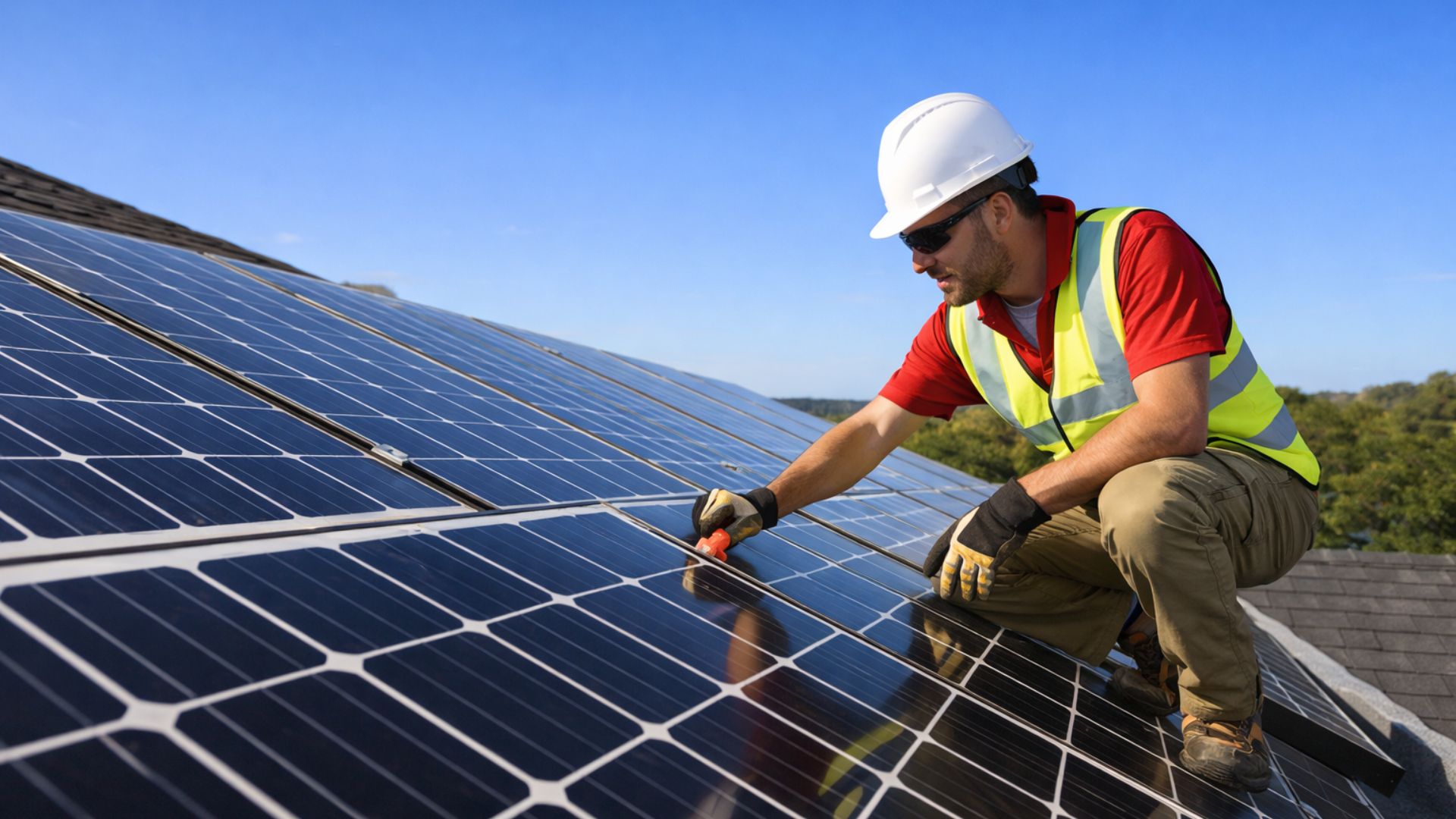
Seagri’s headquarters invests in solar energy with Neoenergia Coelba and promises to cut electricity costs, highlighting a strategic advance in sustainability and energy efficiency within state public administration.
-
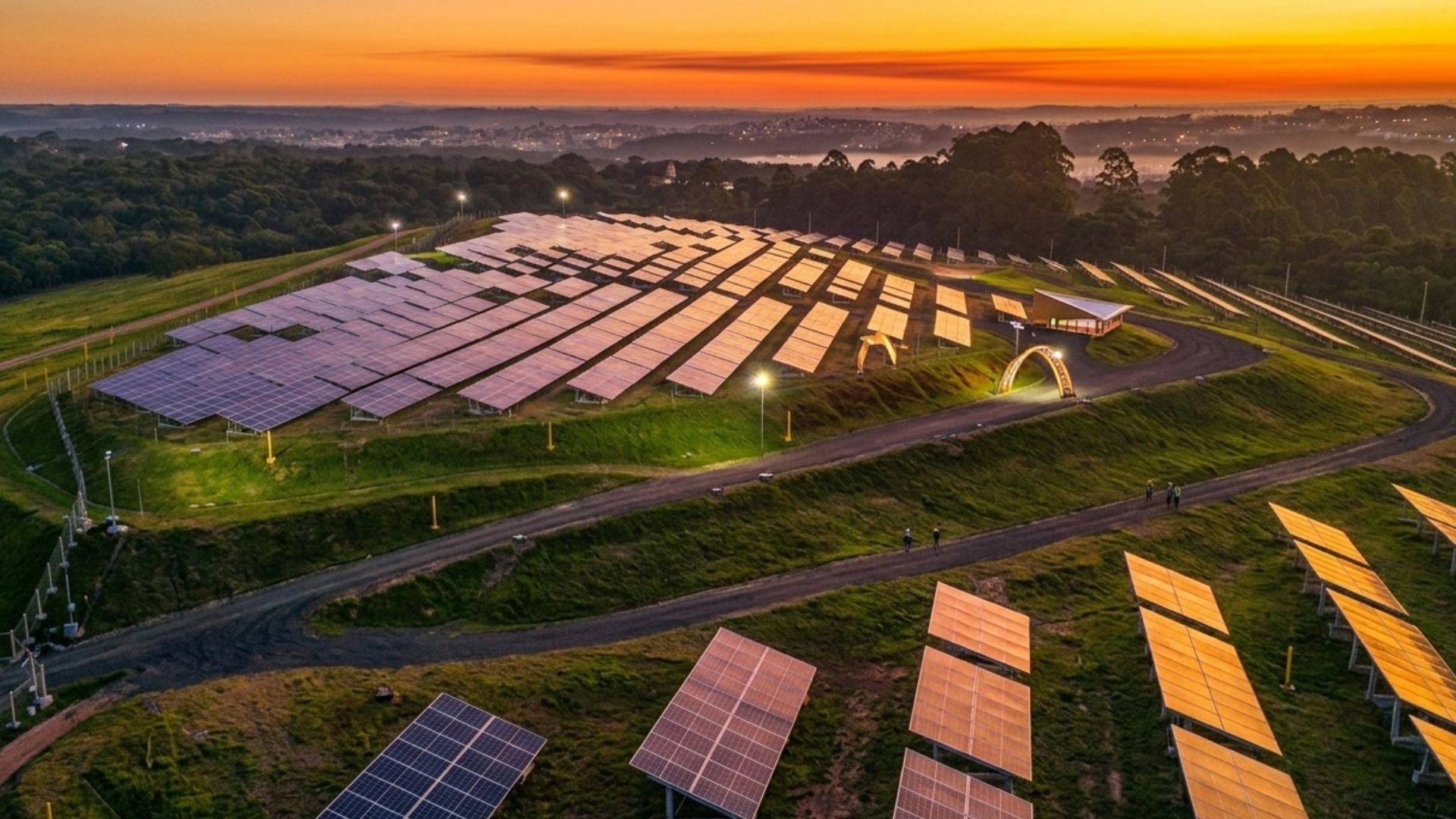
Solar Pyramid draws attention by converting solar energy into million-dollar savings and repositioning the City Hall of Curitiba as an example of innovation, sustainability, and intelligent use of public resources.
-
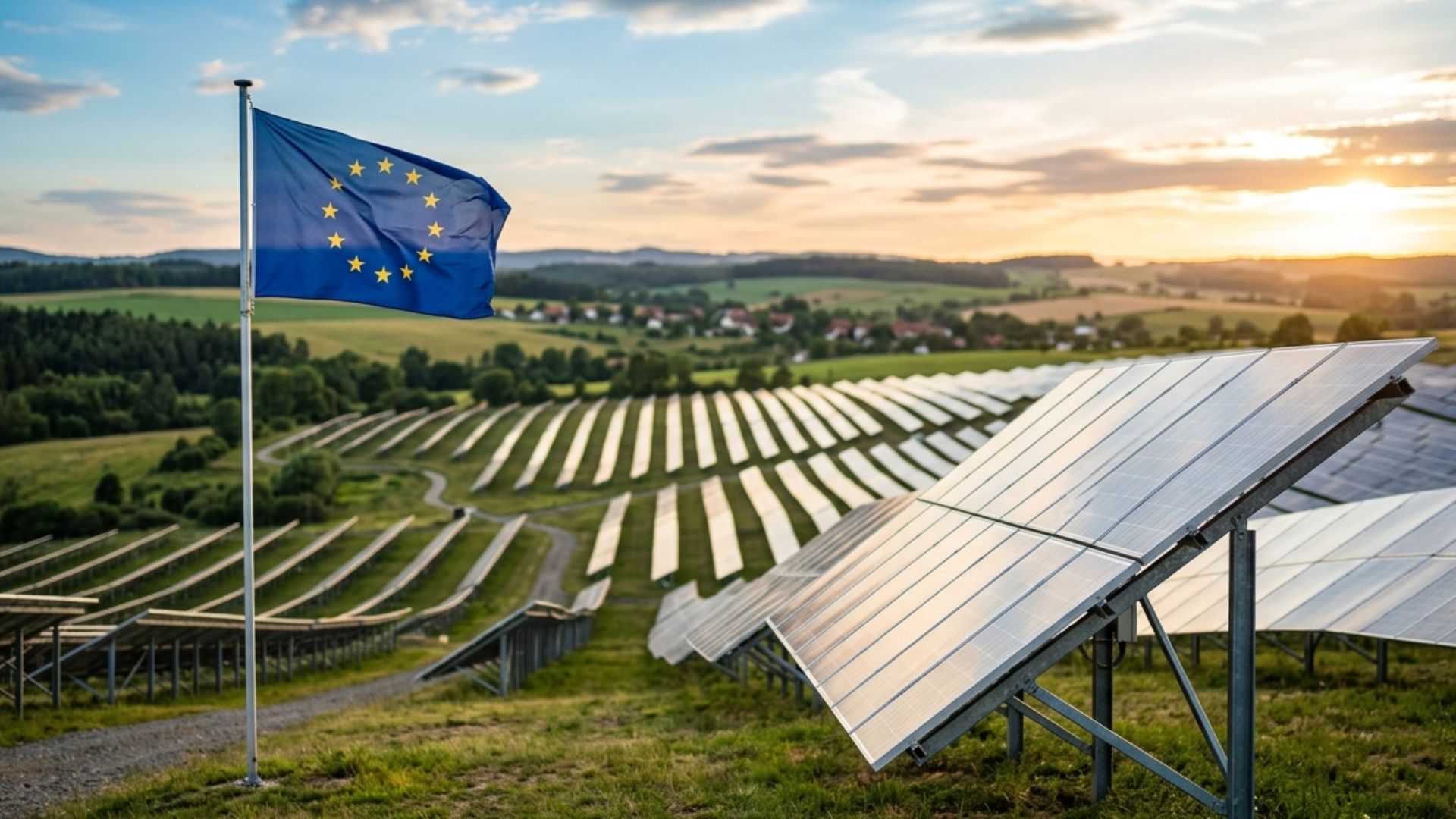
Europe records strong euro economy with solar energy in March and sparks curiosity about which country leads growth that redefines the energy market and reduces costs.
-
Piauí reaches a historic milestone in energy transition: State records nearly 160,000 households powered by solar energy and leads growth in the Northeast.
“Charging an electric car at home represents not only convenience but also greater control over expenses, autonomy and less dependence on the public grid. For consumers interested in economy and sustainability, adapting the electrical infrastructure with integration to photovoltaic energy has been pointed out as a strategic alternative,” explains Rafael Pires, electrical engineer and specialist in electrical infrastructure for sustainable mobility.
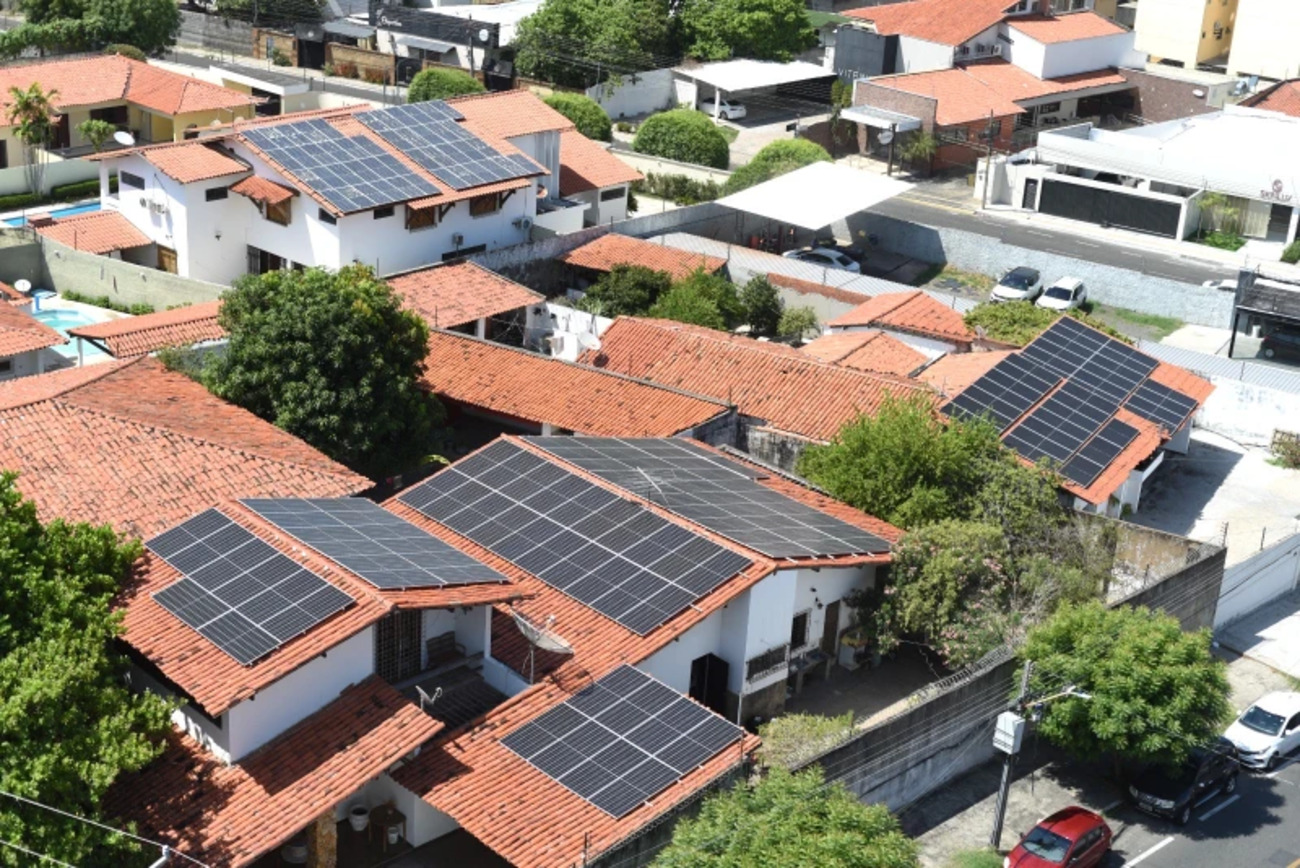
With the installation of solar panels on the roof, the driver can refuel the car with clean energy, without depending on the supply from the local utility. This creates an intelligent self-consumption model, in which the vehicle becomes part of the energy system of the house itself.
How To Adapt The Property For Electric Recharging
The first step is to evaluate the electrical capacity of the residence. Chargers for electric vehicles require high power and may demand specific circuits and dedicated protection devices. Therefore, the guidance of a qualified professional is crucial to ensure safety and efficiency.
There are two main types of domestic recharging: the common socket (level 1) — ideal for emergencies — and the wallbox charger (level 2), which is up to five times faster and offers greater safety. “This model has already become standard in many homes with electric vehicles,” reinforces Pires.
Additionally, all installations must comply with the standards of the Brazilian Association of Technical Standards (ABNT), such as NBR 5410, which deals with regulations for low voltage electrical installations.
Customized Installation And Integration With Solar Energy
According to Flávio Abreu, CEO of i9 Solar, there is no generic model for electrical adaptation. “Each project must be customized according to the consumption profile and the electrical grid of the property,” he emphasizes.
Abreu explains that i9 Solar has invested in integrated systems that combine smart chargers, solar energy and consumption management. “The right technology transforms what was once a fixed cost into real financial returns,” claims the executive.
Solar energy has become the major differentiator in this new phase of mobility. According to the National Electric Energy Agency (Aneel), Brazil surpassed, in 2024, the mark of 2.5 million consumer units with their own solar energy generation. This demonstrates how Brazilians are increasingly aware of using renewable sources.
Economy, Sustainability And Energy Autonomy
A residential photovoltaic system has a lifespan of up to 25 years and offers financial returns between three and five years, according to estimates from i9 Solar. This means that after the initial investment, the consumer can refuel the car and power their home practically at no additional cost.
“The car is electric, but the savings come from the sun,” sums up Abreu. He notes that several customers are already able to reduce their energy bills to almost zero, even with daily use of home chargers. Besides the economic benefit, this measure contributes to the reduction of CO₂ emissions, strengthening the role of solar energy in mitigating climate change.
Sustainable Constructions And The Future Of Solar Energy In Brazil
The trend is also gaining strength in the real estate sector. For architect Mariana Torres, a specialist in sustainable projects, planning for the installation of chargers and solar panels already in the property plans adds value and modernizes developments.
Civil engineer André Almeida, who works in condominiums in the Federal District, confirms the movement. “Developments that offer infrastructure for electric vehicles and solar energy are becoming increasingly valued. They anticipate a demand that is already a reality for many consumers,” he states.
Thus, the advancement of solar energy not only transforms the way Brazilians refuel their vehicles but also redefines how they consume, produce and value energy. This silent revolution, which begins in garages and on rooftops, points to a cleaner, smarter and more sustainable future.






Seja o primeiro a reagir!