





 Português
  Inglês
  Espanhol
  3 min de leitura
  0 comentários


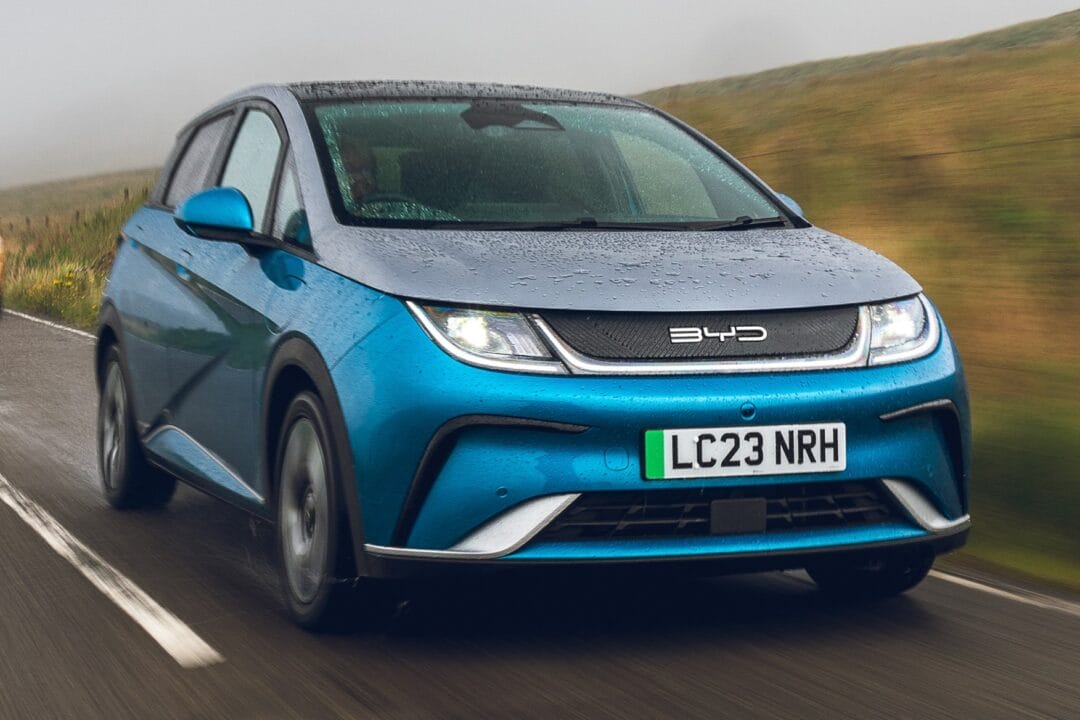
The Brazilian Government Announced the Gradual Increase of Import Tariffs for Electric and Hybrid Vehicles, Reversing the Exemption Policy in Place Since 2015. The Measure Seeks to Balance Competition in the Automotive Market, Impacting High-Income Consumers and Encouraging National Production of These Vehicles in Brazil.
In a measure aimed at boosting the national industry, the Brazilian government announced an increase in import tariffs on electric vehicles and hybrids. The decision, which reverses the zero-tariff policy for electric vehicles in place since 2015, aims to promote local production and encourage the decarbonization of the automotive sector.
Progressive Tariffs Will Be Applied, Reaching 35% in 2026, Aiming to Boost the National Automotive Industry
Starting in January of next year, imported electric or hybrid vehicles will pay tariffs between 10% and 12%.
These tariffs will be gradually increased, reaching 35% in 2026.
-
OMODA & JAECOO grows in Europe in 2026 with an integrated strategy of sales, innovation, local production, and technological advancement in the United Kingdom, Italy, and Spain.
-
OMODA & JAECOO expands after-sales service in Brazil with competitive maintenance, a 7-year warranty, and high availability of parts for technological SUVs.
-
OMODA & JAECOO appoints Alessandra Souza as executive marketing director in Brazil and accelerates brand expansion with a focus on innovation, networking, and hybrid portfolio.

-
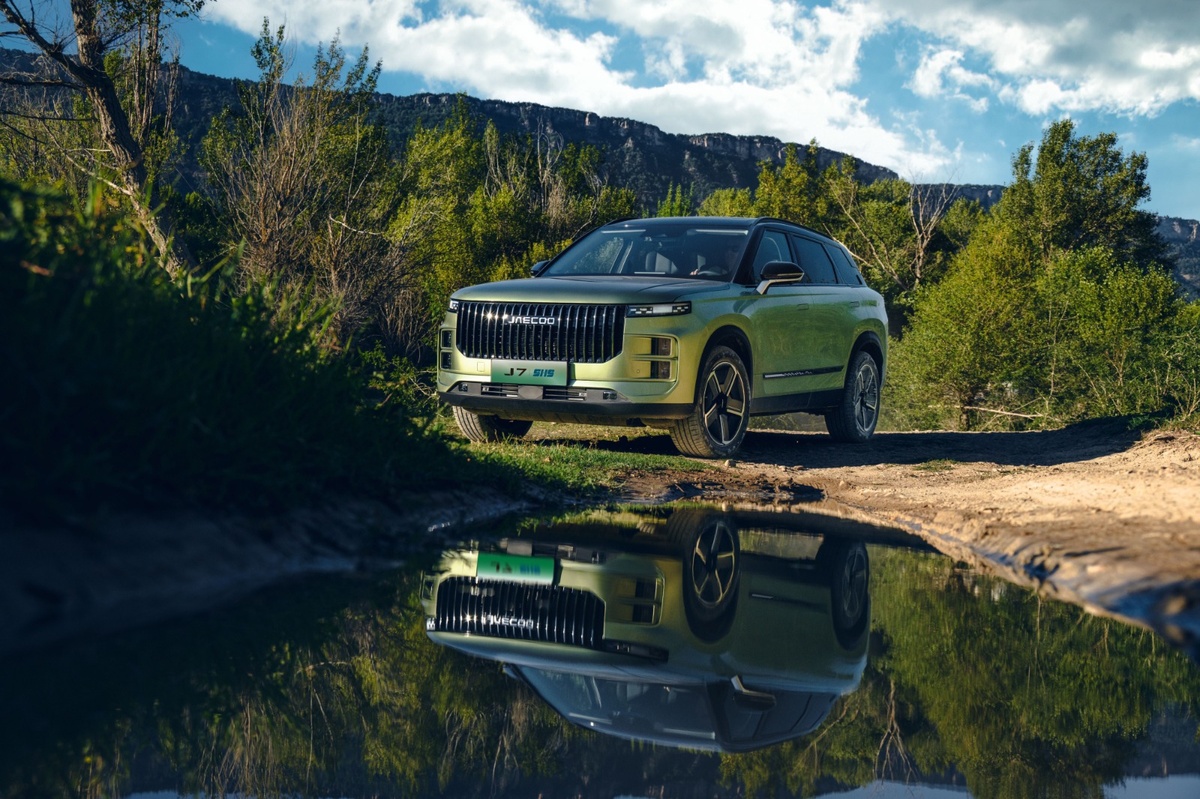
Jaecoo 7 with super hybrid SHS system exceeds 1,200 km of combined range with a 1.5 turbo engine, high-density battery, and intelligent energy management.

The decision was officially announced in a meeting of the executive committee of the Foreign Trade Chamber (Camex) this Friday (10), confirming previous speculations made by CNN in October.
The percentages of the progressive return of taxation will vary according to the levels of electrification, the production processes of each model, and national production.
For hybrid cars, the tariff will start at 12% in January 2024, increasing to 35% in July 2026.
Plug-in hybrids will face tariffs ranging from 12% to 35% during the same period.
Electric vehicles will have initial tariffs of 10%, reaching 35% in July 2026.
The Minister of Development, Industry, Commerce, and Services, Geraldo Alckmin, emphasized the importance of stimulating the national industry towards technologies that promote decarbonization.
“Brazil is one of the main automotive markets in the world. We must stimulate the national industry towards all technological routes that promote decarbonization”, the minister stated in an official note.
Electric and Hybrid Vehicles Will Have Progressive Tariffs, Reaching 35% in 2026
Companies will have until June 30, 2026, to continue importing tax-free, within quotas established by model.
The quotas for hybrids will vary from US$ 130 million until June 2024, US$ 97 million until July 2025, and US$ 43 million until June 30, 2026.
Plug-in hybrids will have quotas of US$ 226 million, US$ 169 million, and US$ 75 million on the same dates.
For electric vehicles, the quotas will be US$ 283 million, US$ 226 million, and US$ 141 million, respectively.
According to official sources, the zero-tariff policy acted as a “subsidy” for high-income consumers who purchase imported electric vehicles.
The ten best-selling electric or hybrid cars in Brazil, including models like the Porsche Cayenne and the Volvo XC60, have final sales prices ranging from R$ 230,000 to R$ 630,000.
With the increase in tariffs, a change in this scenario is expected, positively impacting local production.
The government identifies that China has been dumping a significant portion of its electric and hybrid vehicles in other countries, including Brazil.
With limited budgetary resources for incentives to national production, the increase in import tariffs is seen as a strategy to induce automakers to invest locally.
The measure aims to balance competition in the automotive market and drive the transition to more sustainable technologies.
As import tariffs increase, automakers are expected to seek internal solutions, contributing to the rise of national production of electric and hybrid vehicles in Brazil.
Discover the 5 Cheapest Electric Cars in Brazil










Seja o primeiro a reagir!