





 Portuguese
  English
  Spanish
  3 min of reading
  0 comments


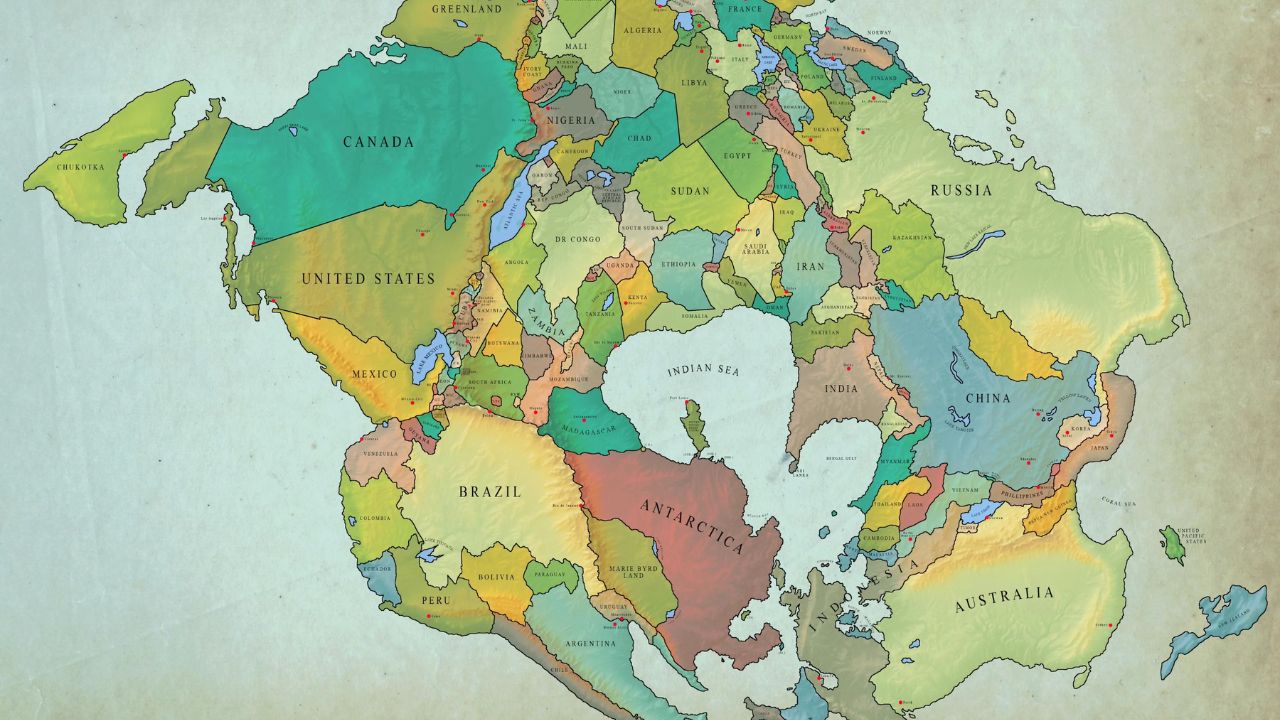
The Tectonic Plates Never Stop Moving, and Scientists Predict That Earth Will Have a Single Supercontinent in the Future. In 250 Million Years, America, Africa, and Europe Will Be United, While Islands Like New Zealand May Be Isolated. The Map of the Planet Will Be Unrecognizable!
Have you ever stopped to think about how the world might change millions of years from now? We hardly notice it, but the planet is always transforming. The tectonic plates never stop, and that means the Earth we know today won’t be the same in the future.
If we look to the past, we can see that all this has happened before. Pangaea, for example, was a supercontinent that united almost all the land on the planet about 300 million years ago. And now, scientists think something similar will happen again in the next 250 million years. The name? Pangaea Ultima. But can we be sure?
The Dance of the Tectonic Plates and the Formation of Supercontinents
Imagine a giant puzzle that never stops moving. That’s basically what happens with tectonic plates. They slide, collide, and create new shapes for the continents, shaping the Earth over millions of years.
-
An aquatic seed consumed for centuries in Asia is going viral in the West after studies highlighted its antioxidant compounds and potential anti-inflammatory properties. It pops like popcorn, has low fat content, and is already being called the new functional snack.

-
China showcases robot dogs that act in groups like a coordinated pack, make decisions together, and could change the way modern wars operate.

-
The coldest seawater ever recorded in Earth’s history was hidden under extreme ice 717 million years ago and reached an impressive -15°C.

-
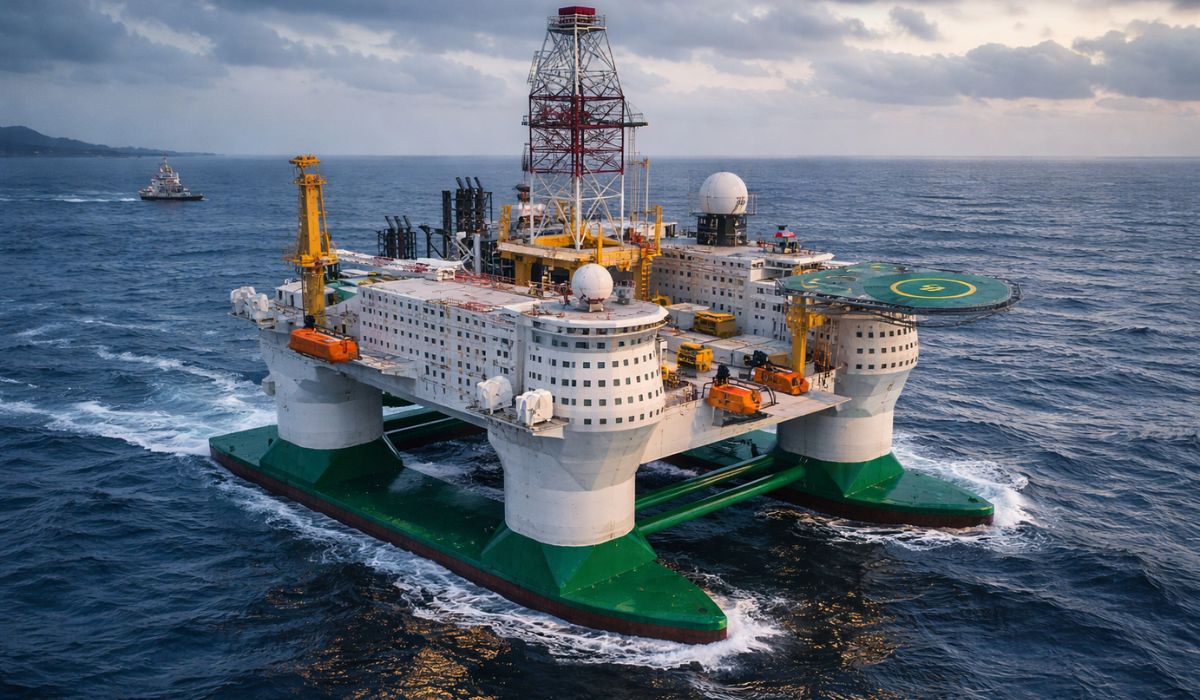
China has launched the world’s first floating artificial island, a scientific structure designed to face open seas, test equipment weighing hundreds of tons, and reach depths of 10,000 meters.

We have had some supercontinents before Pangaea. Nuna, about 1.8 billion years ago, and Rodinia, about 700 million years ago, were some of those gigantic formations. Now, scientists are trying to predict when and how the next one will arise – and the answers are quite interesting.
Pangaea Ultima

If the scientists’ calculations are correct, in about 250 million years, Earth will look completely different. The most accepted model is that of Pangaea Ultima, where the continents will merge again to form a single landmass.
In this version of the future, America, Africa, and Europe will join together again. The United Kingdom will stick to Europe, and countries like Spain, France, Portugal, and Morocco will share new borders. Meanwhile, New Zealand and Scotland are likely to be completely isolated.
Now, the most interesting part is that Pangaea Ultima is not the only possible scenario. There are other models that attempt to predict Earth’s future, and each one paints a slightly different picture.
The Different Models for the Future of Earth
Science still doesn’t have a final verdict on how the continents will reorganize. Besides Pangaea Ultima, other models have been proposed, and each one has a different idea of what might happen.
Novopangea – Believes the continents will group around the Pacific Ocean.
Aurica – Suggests that India will be the center of the new supercontinent.
Amasia – Argues that the continents will eventually gather around the North Pole.
What determines which of these scenarios may become reality? The movement of tectonic plates. And believe me, they don’t always move at the same speed. During the breakup of Pangaea, for example, the Earth’s crust was moving at about 20 millimeters per year – roughly the same speed at which our toenails grow.







Seja o primeiro a reagir!