





 English
  Francês
  Alemão
  Italiano
  Japonês
  Norueguês
  Portuguese
  Spanish
  4 min of reading



The Government of Rio de Janeiro Should Generate R$ 1 Billion from Pre-Salt Oil by the End of 2019. Revenue Will Increase After Exploration
You may wonder how the money from pre-salt oil will be spent. Will it be used to pay off debts of Rio de Janeiro? State Secretary of Finance, Luiz Cláudio de Carvalho, explains in an interview with journalist Edimilson Ávila from G1 how the money will be allocated. Rio collapses if the law changing the distribution of oil royalties is approved in November.
It is estimated that after the operations begin, the transfer from oil companies to the federal government will reach R$ 300 billion in 10 years. And the Government of Rio will receive a share of this revenue in the form of royalties.
-
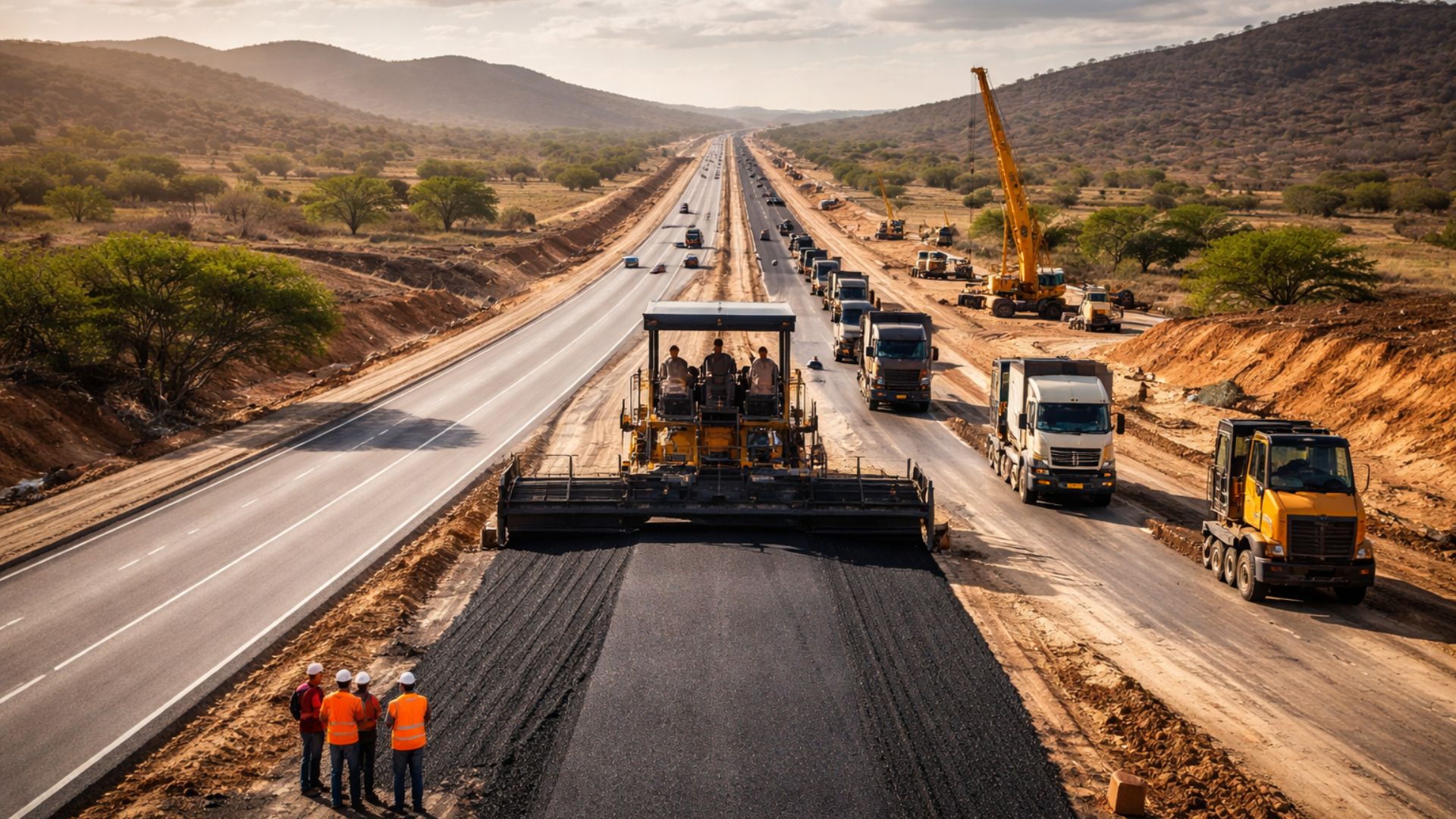
Government unlocks R$ 554 million for a highway that has been requested for decades and accelerates the duplication of BR.
-
Without bricks, without cement, and without endless construction: the cardboard house that is assembled in modules and can be moved.

-
Billions of barrels on the equatorial margin could lead Amapá to double its oil production in Brazil — the state aims to enter the route of companies in the Campos Basin, attract investments, and boost jobs and businesses in the oil and gas sector.

-
Without bricks, without cement, and without endless construction: the cardboard house that is assembled in modules and can be moved.

But where does this money go? According to Luiz Cláudio de Carvalho, Rio will receive about R$1 billion, with part of it coming in this year and the rest next year.
Despite the state of Rio being extremely indebted, according to the law, the Government of Rio must allocate the resources for two purposes, namely investments or to pay off pension debts, such as Rio Previdência.
One strategy would be the fact that Rio Previdência is running a deficit, so the State treasury also allocates resources to cover the financial shortfall of Rio Previdência; therefore, if the government uses royalty money to cover this deficit, there will be money left in the treasury to be used for various purposes, including debt payment.
- Port of Açú with Job Openings for Engineers with No Experience
- Court Reinstates Worker Dismissed by Petrobras for Taking Coffee Capsule
- Construction Company with Job Opening for Occupational Safety Technician
Based on 2019, the state of Rio has a pension expense of R$ 14 billion, with R$ 11 billion covered by royalties and the other R$ 4 billion coming from the state treasury. Therefore, the R$ 4 billion that the treasury allocates in 2019 is money that can be used for something else.
The Governor of the state of Rio has expressed interest in using part of this money to complete the Gávea subway station. This will be possible since the treasury will not need to allocate resources from Rio Previdência, and this free money can be used for investment.
The major oil companies operating in the country and the National Petroleum Agency itself have stated that the future is promising, as we have a very large reserve of oil in the pre-salt region along the coast of the state of Rio de Janeiro, which will be exploited at some point.
There is an action being judged by the Federal Court regarding the direct action of unconstitutionality of a 2012 law that removed a significant portion of the resources that would have come to the producing states, particularly Rio de Janeiro. The judgment has been postponed from November to March next year; depending on the outcome, Rio de Janeiro will experience a significant impact.
Under the current law, Rio de Janeiro would drop from 27.5% to 20% in royalties and from 40% to 20% in special participations, which would be redistributed to all states in the country. Consequently, the producing states will have a smaller portion of these amounts, while the majority will be distributed to non-producing states. As a result, Rio would lose about 40 to 50 percent of the amounts it currently receives.
If all goes well, it will be possible to take Rio out of fiscal recovery. Currently, the state of Rio receives around R$ 14 billion per year; experts estimate that in 2018, the revenue should double to R$ 28 billion, assuming the law currently being questioned in the Supreme Court remains as it is now.
With R$ 14 billion more, it will be enough for the state to gradually reduce its debts over time. There is a good outlook for Rio, especially because in addition to royalties, there is also the economic recovery of the state, increasing tax revenue such as ICMS, IPVA, ITD, which are more stable revenues connected to the economic base.
Rio has four more years of fiscal recovery. In four years, the state should be balanced, with no backlog of payables, having revenue to cover all state expenses, including payroll and suppliers. This will be possible even before the royalties reach the peak of the curve forecast by ANP.








Seja o primeiro a reagir!