





 Portuguese
  English
  Spanish
  6 min of reading
  5 comments


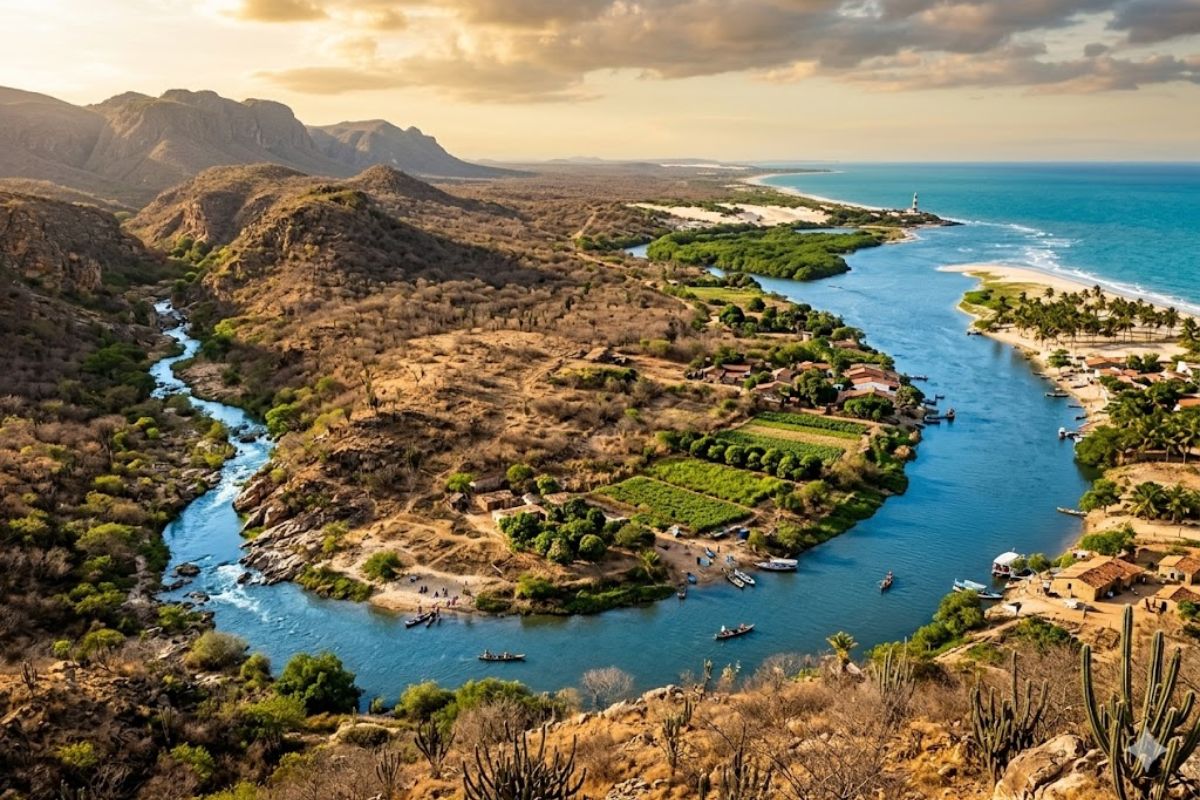


Old Chico Leaves the Serra da Canastra as a Discreet Spring, Travels More Than 2,800 Kilometers Throughout Its Course through Minas, Bahia, Pernambuco, Sergipe, and Alagoas, Irrigates Areas of the Hinterland, Sustains the Caatinga, Supplies Cities, Drives Economies, and Ends in the Atlantic Ocean as a Vital Axis of Brazil.
The Old Chico is born in the Serra da Canastra as a stream of water among rocks and fields over a thousand meters in altitude and gradually transforms into one of the most decisive rivers in the country. This seemingly small beginning is deceiving, because it is from there that a course of nearly 3,000 kilometers begins, traversing mountains, cities, and hinterlands until it reaches the Atlantic Ocean.
Along this journey, Old Chico ceases to be just a landscape and becomes a source of supply, biodiversity, agriculture, navigation, culture, and survival. Without it, the Caatinga would lose its main support line, and millions of people would see a water structure that sustains livestock, crops, regional economies, and entire communities dry up.
Where Old Chico Begins and Why the Serra da Canastra Defines the Rest of the Journey
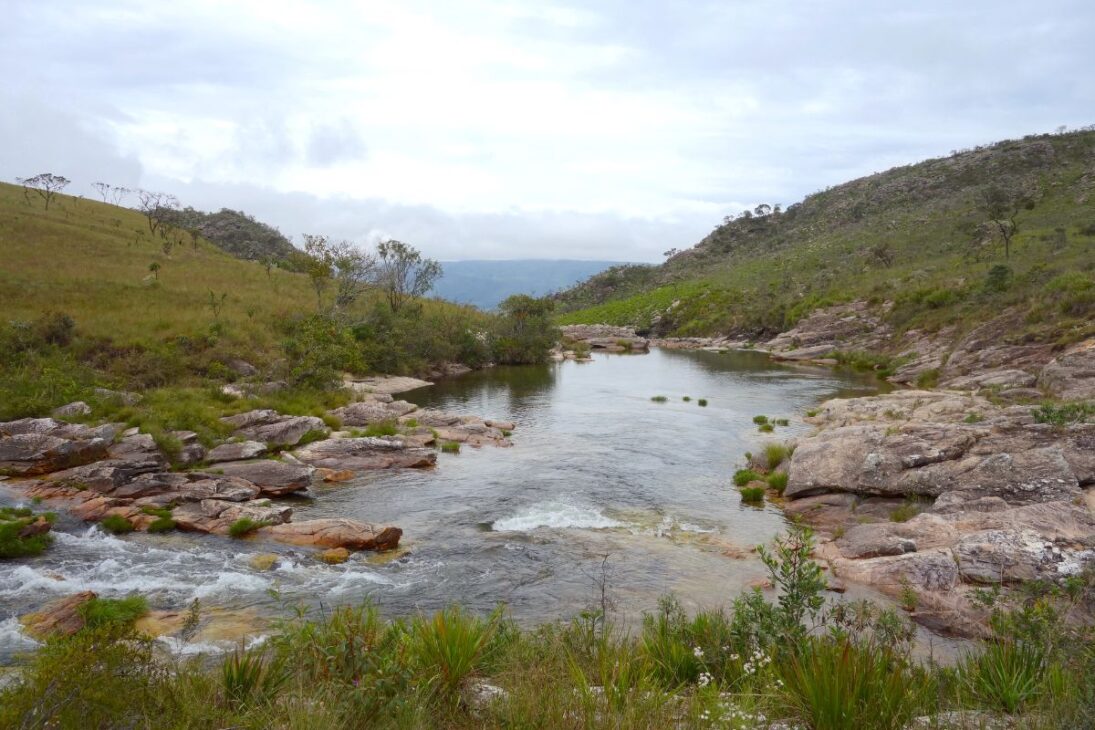
In the Serra da Canastra, in the southwest of Minas Gerais, Old Chico emerges humbly. The initial landscape consists of fields, trails, and monumental waterfalls, such as Casca d’Anta, in a region where the relief functions not merely as a frame but as the real origin of the entire system.
-
How 5,000 Indian dabbawalas manage to deliver around 200,000 lunchboxes a day in Mumbai for over 130 years using bicycles, crowded trains, and a manual system that continues to operate with impressive accuracy.
-
While restoring a historic mansion from 1910, a brick structure with an old turbine that generated energy from the Rio do Testo emerged, along with a hidden door and a rare floor concealed under layers of wax.
-
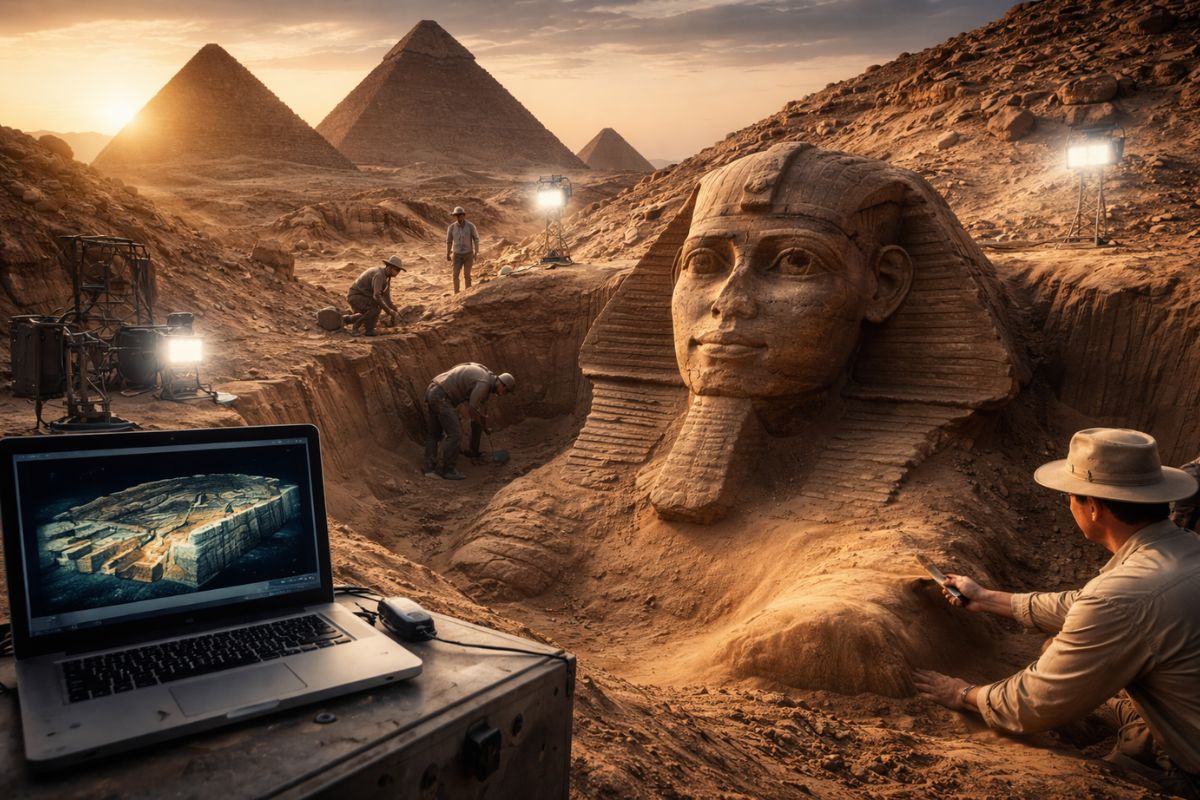
Italian researchers have detected what appears to be a second Sphinx buried under the sands of Egypt, and satellite scans reveal a gigantic underground megastructure hidden beneath the Giza Plateau for over 3,000 years.
-
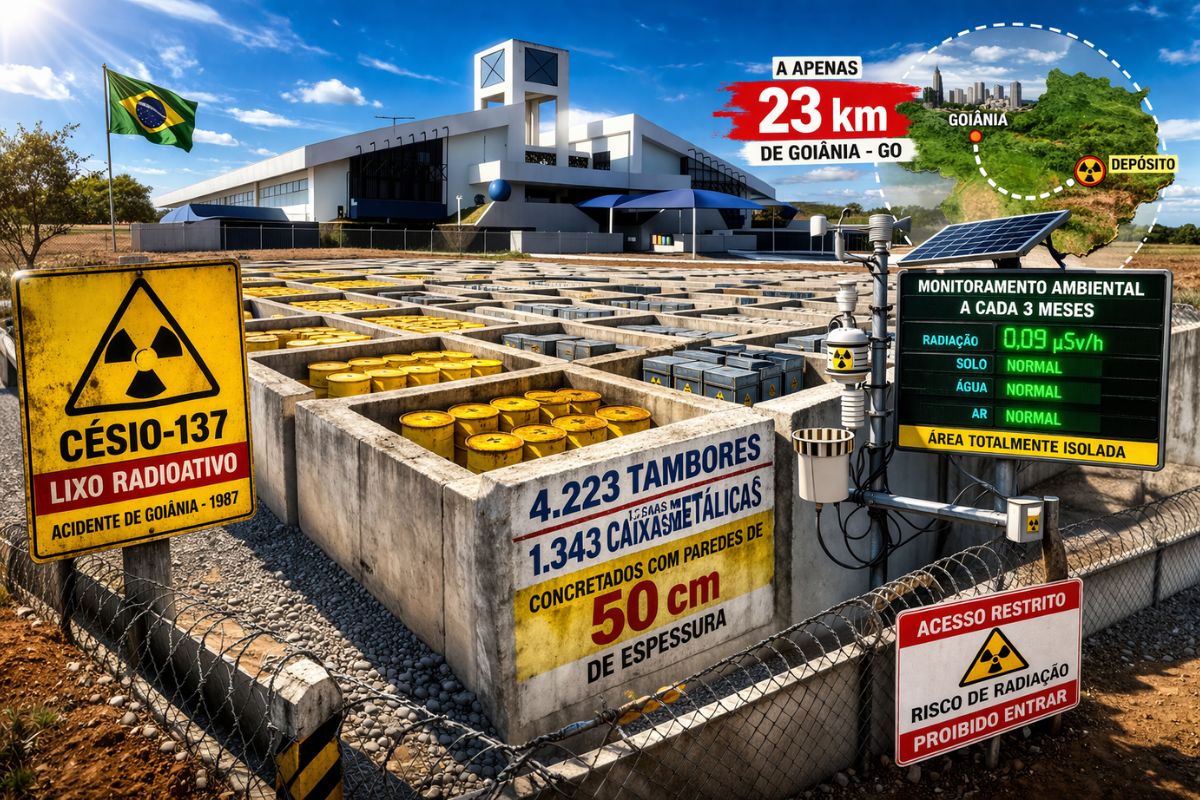
There are 4,223 drums and 1,343 metal boxes concreted with 50-centimeter walls that store the radioactive waste from Cesium-137 in the worst radiological accident in Brazil, just 23 kilometers from Goiânia, with environmental monitoring every three months.

It is in the Serra da Canastra that the river gains direction, altitude, speed, and identity, before embarking on a journey that will take it from the Cerrado to the Atlantic Ocean.
This area also concentrates a fauna that helps measure the ecological importance of the upper course.
The maned wolf roams the fields as a seed disperser, the giant anteater travels long distances in search of ants and termites, the armadillo digs deep burrows, and the red-handed howler monkey appears as a rare presence.
Among trails and springs, the buriti serves as a guardian of water. The Serra da Canastra is not just the starting point of Old Chico; it is the first natural defense of a river that will still have to face drought and human pressure.
When the River Meets the Caatinga and Becomes a Boundary Between Scarcity and Survival
After leaving the Serra da Canastra and moving through a territory fed by more than 160 tributaries, Old Chico enters the area where its function becomes more visible: the semi-arid.
When the soil cracks and the surroundings dry, the river operates as the thin line between permanence and collapse.
In the Caatinga, Old Chico ceases to be just a watercourse and becomes a structure supporting the hinterland.
This change is apparent both in the landscape and in the life around. Capybaras, marsh deer, and jaguars use its banks, while birds like the Caatinga’s curved-bill, Caatinga parakeets, and white-winged birds cross a sky alternating between gray, heat, and resilience.
Within the water, fish such as the surubim, golden dorado, and pacamã have sustained riverside families for generations.
The hinterland does not organize itself despite Old Chico, but around it, because the logic of human occupation and wildlife life directly depends on this water corridor.
The River That Raises Cities, Feeds Livestock, and Transforms Drought into Orchard
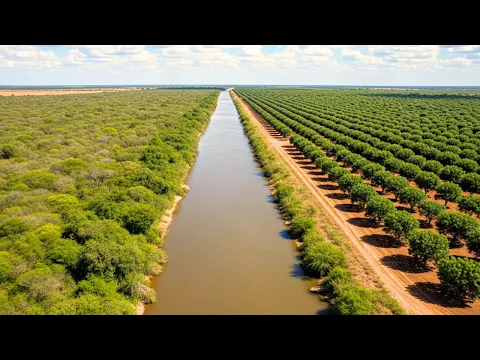

It was from Old Chico that cities like Pirapora, Juazeiro, and Petrolina were born or grew. In a stretch marked by severe droughts, the river paved the way for irrigation, supply, and large-scale production.
Grapes, mangoes, and melons irrigated by its waters started to move from dry areas to external markets, with the base indicating that only Juazeiro and Petrolina generate more than 90 million dollars annually in exports.
It is a harsh and revealing contrast: where the landscape demands restraint, the river allows productivity.
This economic role does not obscure its historical and social function. Before the colonizers, dozens of indigenous peoples already lived along its banks and called it Opará, the river-sea.
Later, in the dry interior, the colonizers incorporated goats into the regional production system, and the Northeast consolidated herds adapted to the severe climate. Today, Bahia, Pernambuco, and Piauí stand out in this process.
Old Chico sustains the hinterland not only because it brings water but also because it organizes entire ways of life along its route.
The Transposition Expanded the Reach of Old Chico but Also Increased the Burden on the River
In recent years, Old Chico has taken on a new role with the transposition. Concrete channels diverted part of its waters to Ceará, Paraíba, Pernambuco, and Rio Grande do Norte, extending the supply radius to areas that lived under harsher drought.
The project, initiated in 2007, was estimated to benefit about 12 million people in the semi-arid region.
The river stopped irrigating only its immediate surroundings and began to respond to a regional-scale water engineering.
This movement, however, did not come without cost. The more Old Chico is called upon to meet external needs beyond its bed, the greater the pressure on a system that already supplies cities, agriculture, livestock, and biodiversity in its own basin.
The expansion of reach reinforced the river’s importance but also made it clearer that its resources are not unlimited, especially in a context of dams, droughts, and the dumping of waste due to lack of sanitation.
Dams, Salinization, and Sewage Show That Old Chico Is Also Under Pressure
Along the course of Old Chico, five major hydropower plants have altered the river’s natural dynamics. Settlements have been submerged, the flow has been interrupted at several points, and migratory fish face additional obstacles during spawning.
Species that depend on the free ascent of the river for reproduction now coexist with artificial barriers that have changed the ecological rhythm of the system.
When the natural course of the river is broken, the loss is not only aesthetic; it reaches the entire biological chain.
At the mouth, the problem takes another form. The data indicates a risk of salinization because the flow no longer reaches the sea in the same way as before, allowing greater encroachment of the ocean at the mouth.
At the same time, the lack of sanitation causes communities to dump waste into its waters.
Old Chico sustains the hinterland and large cities, but also faces part of the pressure produced by that same intensive use, which transforms its preservation into a material issue, not a symbolic one.
From the Canyon of Xingó to the Atlantic Ocean, the River Ends Without Ceasing to Generate Life
At the border of Sergipe and Alagoas, the canyon of Xingó stands out as one of the most remarkable stretches of Old Chico.
Red cliffs reflect in the water, fishermen share tales of whirlpools and mysterious lights, and figureheads continue to occupy the bows of boats as a defense against evil spirits.
The river reaches this section carrying more than water: it carries memory, belief, commerce, work, and popular imagination.
Already in Piaçabuçu, Alagoas, Old Chico meets the Atlantic Ocean. It is there that mangroves shelter the manatee, an endangered species, while sea turtles take advantage of the mixing waters.
The encounter with the Atlantic Ocean does not end the river’s importance; it merely closes a cycle that restarts with evaporation, rain, and springs.
Old Chico ends in the sea without really finishing, because its presence continues in the climate, the culture, and the hinterland it helped keep alive.
The Old Chico starts small in the Serra da Canastra, gains body among tributaries, crosses the Caatinga, sustains the hinterland, moves cities, and reaches the Atlantic Ocean as one of the most decisive axes of deep Brazil.
Its strength lies not only in its extension of nearly 3,000 kilometers but in the number of lives and territories that depend on it to continue existing.
When Old Chico loses flow, the effect does not stop at the bank. It reaches fish, livestock, crops, communities, mangroves, and the very stability of the hinterland.
Do you believe that Brazil treats Old Chico with the real importance it has, or does it still underestimate the river that sustains the Caatinga, entire cities, and millions of people?






Reportagem incrível esclarecedora .A Transposição do Rio São Francisco foi muito importante para a região,mas…
.o Ministério do Meio Ambiente precisa controlar de forma regulatória toda a infraestrutura para não sobrecarregar o nosso Velho Chico e sua importância ambiental.
O Brasil não trata o Velho Chico como deveria. Para isso, teria que mudar toda a cultura educacional, a conscientização desde o copo d’água que se bebe ao prato de alimento que se tem sobre a mesa. As leis ambientais não são aplicadas e fiscalizadas com rigor, os grandes empresários se beneficiam disso, e assim, cada vez mais vão secando as veredas, nascentes e alimentando o assoreamento no eleito do rio.
Gente por favor cuidem dessas nascentes, seres humanos e animais depende do rio para sobreviver.