





 English
  Francês
  Alemão
  Italiano
  Japonês
  Norueguês
  Portuguese
  Spanish
  4 min of reading


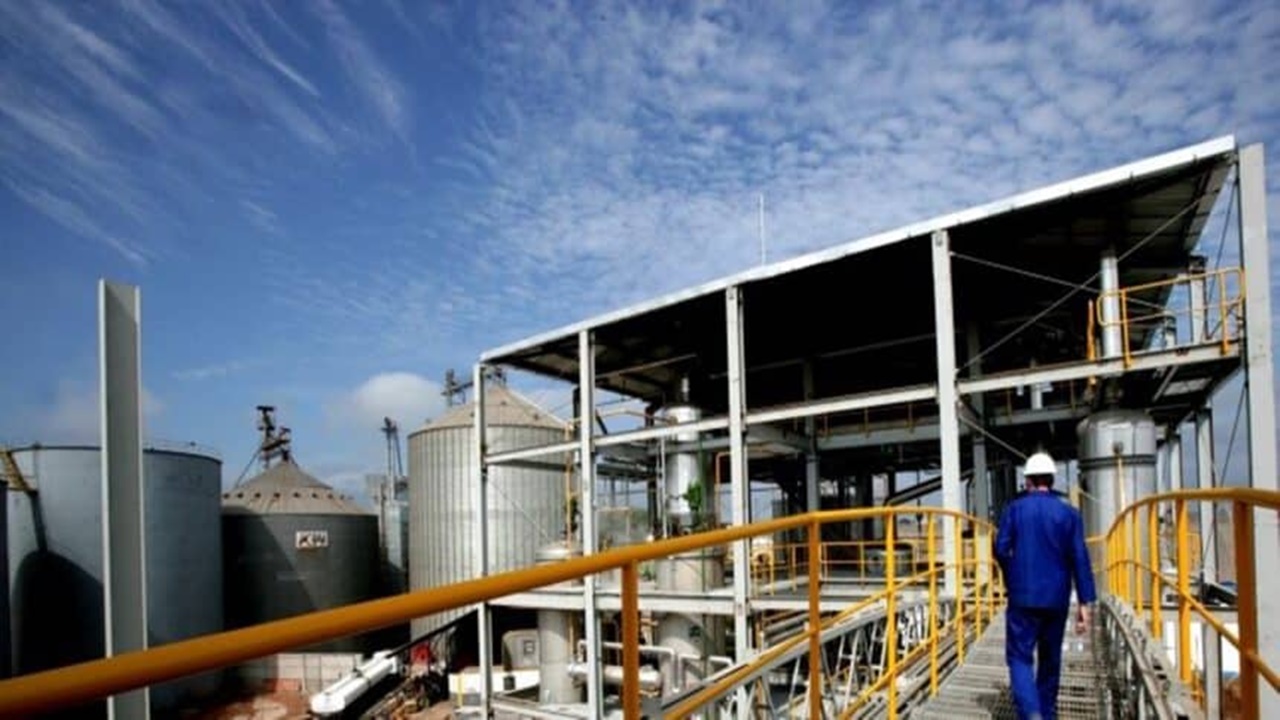
Ethanol Sales by Mill Owners Directly to Gas Stations May Become the Solution to Contain and Curb the Increase in Gasoline Prices
On May 5, the Constitution and Justice Commission (CCJ) of the Chamber of Deputies approved the permission for the direct sale of ethanol from mills – bypassing distributors – to gas stations. The new measure could curb the increase in gasoline and diesel prices, easing the burden on Brazilians.
Also Read
- Demand for Ethanol and Gasoline Plummets While Diesel Consumption Surges in Brazil
- Ethanol Price Reaches Nearly 5 Reais at the Pumps, and Refueling with Gasoline Becomes More Advantageous in Some Brazilian Regions
- Ethanol and Gasoline Prices Soar, Petrobras Raises CNG by 39%, and Adjustment May Further Impact Brazilians’ Pockets in the Coming Weeks
- Gasoline Prices May Skyrocket and Ethanol May Be Scarce Due to the Shortage of Anhydrous Alcohol at Mills; Shortages Will Further Impact Brazilians’ Pockets
- Ethanol Price Evaporates at Mills, and Exporting the Biofuel to the USA, the World’s Main Ethanol Consumer, Becomes a Very Advantageous Salvation
- Bosch Brings Manufacturing from the USA to Brazil and Offers Over 70 Job Openings for High School, University, and Internship Positions in Its Factories in SP, Curitiba, and Other Brazilian Regions on This May 13
Currently, the taxation of ethanol occurs in two stages: part at production and another at distribution. The text expected to be edited by the Government, still in May, should both solve the tax viability of direct sales and place it into legislation, preventing the issue from being dealt with again through a resolution from the National Agency of Petroleum, Natural Gas, and Biofuels (ANP), which has more volatile effects than a law.
Pros and Cons; Doubts and Speculations About Direct Ethanol Sales
There are still many doubts and speculations regarding the consequences and benefits of the direct sale of ethanol, and important issues such as taxation and quality control need to be defined, as they may cause significant distortions in competition.
-
While Russia dominates the global wheat market, Brazil emerges as an unexpected competitor in the Cerrado, offering grain available in July and August when stocks in the Northern Hemisphere are at their lowest point of the year.

-
China returned almost 20 Brazilian ships with soybeans, but now everything could change: the country that buys 80% of the grain is considering relaxing regulations after impurities held up shipments of thousands of tons and caused million-dollar losses.
-
Chinese giant worth nearly R$ 4 billion that manufactures cables for electric cars, solar energy, and robotics wants to open a factory in SC.
-
Many employers do not know, but the law guarantees domestic workers a 25% increase in salary during trips, 50% for overtime, 20% for night shifts, and 17 additional benefits that can lead to labor lawsuits if not paid.


The tax legislation takes into account that, specifically in the sale of hydrated ethanol, part of the taxes is collected from the mills and the other part from the distributors.
However, it is still not determined who will be responsible for collecting PIS/COFINS and ICMS from the distribution link when the direct sale from the mill to the gas stations is approved.
For the National Agency of Petroleum and Gas and Biofuels (ANP), a “linked distributor” should be created, that is, a distributor controlled by the mill owners, with simplified requirements but authorized only to sell the hydrated ethanol from the linked mills.
On the other hand, the Legal Fuels Institute (ICL), which works to combat the irregular market, argues that the solution lies in tax simplification, which would enable monofasia, collecting the tax at the source, in “ad rem” (R$/liter) tax mode, with a single rate among states, thus avoiding tax asymmetry and lack of control in supervision.
With the direct sale from mills to gas stations, the Government proposes to make the tax incidence monofasic for producers only in these cases, so that there is no loss in tax collection. For other fuels, such as gasoline and diesel, federal taxation is already monofasic and occurs at refineries.
The Brazilian Institute of Petroleum and Gas (IBP) is one of the main critics of the project and says that, as it stands, the legislative decree project could disrupt the tax collection of the sector and cause unfair competition.
While the provisional measure is being articulated, mainly in the ministries of Economy and Agriculture, the Minister of Mines and Energy, Bento Albuquerque, assured at the end of April that the resolution of the linked distributor should be published by the ANP at any moment.
Direct Sales from Mills Will Stimulate Competitiveness with Gasoline
It is still not possible to know exactly how much the direct sale of ethanol would impact the price of the biofuel in Brazil, as there is a significant dependence on industrial logistics in each state. However, a study by Esalq-Log in 2019 showed that the average cost of transporting ethanol in the state of São Paulo would decrease by approximately 30% with direct sales.
There are also estimates that the concentration of production and distribution margins in the producer and the increase in competition among mill owners and distributors in the offer of fuel in the market could reduce hydrated ethanol prices for the end consumer by up to 20 cents per liter.
“The great gain is the appreciation of renewable fuel. It will be more competitive against fossil fuel, gasoline, and will be more appealing for consumers to refuel,” points out Sévero.
Raízen, from the Shell Group, Wants to Build Three Ethanol Production Plants Using Bagasse and Sugarcane Straw
Raízen, the global ethanol production giant, in conjunction with Shell, intends to build three more cellulosic ethanol plants — or second-generation plants. The good news was announced by businessman Rubens Ometto of Cosan on March 15.
The technology for producing cellulosic ethanol emerged from a partnership between Shell and the Canadian company Logen, specialized in biotechnology. In the last harvest (2019/20), the Piracicaba unit produced 226 liters of ethanol for each ton of dry biomass.







Seja o primeiro a reagir!