





 Portuguese
  English
  Spanish
  5 min of reading
  2 comments


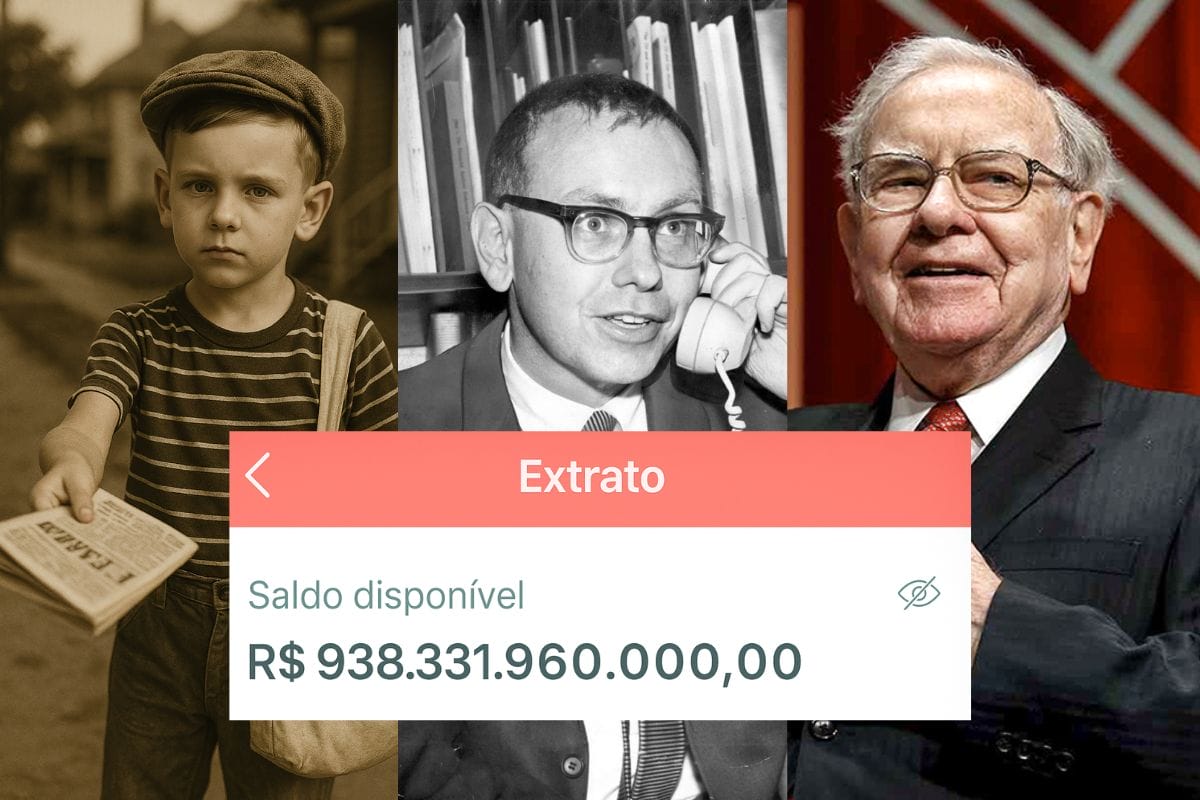

From Door-to-Door Magazine Sales to Value Investing Method: The Decisive Steps That Led Buffett from a Boy from Omaha to the Billionaires List with Net Worth Near US$ 1 Trillion
In 2025, with an estimated fortune of US$166.4 billion (about R$ 938 billion), Warren Buffett remains the fifth richest man in the world, according to Forbes magazine. But few know that this finance giant started “selling newspapers” on the sidewalks of Omaha, Nebraska, in the early 1940s. It was there, still in childhood, that Buffett took his first steps as an entrepreneur, savoring the taste of earning every penny through hard work and forward thinking.
Son of Howard Buffett, congressman and businessman, Warren displayed an early curiosity for the financial market: at 11 years old, he bought his first shares, and by 14 he was already investing in local businesses and saving for the future. His formal education included stints at Wharton School and Columbia Business School, where he adopted the “value investing” philosophy of Benjamin Graham.
Since taking control of the textile Berkshire Hathaway in 1965 and transforming it into a global conglomerate, Buffett has never looked back. Today, his long-term decisions and investment discipline, combined with his austere demeanor even as a billionaire, have made him the “Oracle of Omaha,” a worldwide reference in wealth management.
-
These living root bridges and ladders are over 700 years old and help indigenous people survive in one of the rainiest regions in the world.

-
From sertanejo star to international investor: Ana Castela invests millions in a mansion in the USA, creates a themed accommodation in Orlando, and shows that the “boiadeira” also wants to grow away from the stage.

-
The 10 most stunning motorhomes in the world: a $3 million trailer with a rooftop nightclub and garage for a Ferrari, “palaces on wheels” with Italian marble, private cinema, and five-star hotel luxury for billionaires.

-
Trump wanted to spend $400 million on the White House, but the courts prohibited the million-dollar construction.

From the Newsstand to the First Million
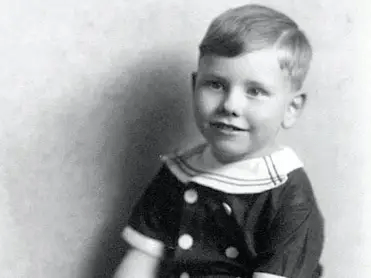
Born in 1930, Warren Edward Buffett grew up in Omaha, where he sold magazines and chewing gum to neighbors while still in elementary school. At just 11, he used part of his savings to purchase shares of Cities Service and was already intrigued by the stock market’s ups and downs. By 14, he saved US$1,200, a fortune at the time, to buy a rental lot, his first major investment.
During high school, Buffett diversified his income sources: he delivered newspapers, sold stamps, and even installed pinball machines in barber shops, taking advantage of every local profit opportunity. When he graduated, he had amassed about US$9,800 in savings, equivalent to over US$130,000 today.
Despite the desire to drop out of college and pursue business, following his father’s advice, Buffett enrolled at Wharton School in 1947 and, two years later, graduated with a degree in Business Administration from the University of Nebraska at age 20. In 1951, he completed a master’s degree in Economics at Columbia Business School, where he was shaped by mentor Benjamin Graham, the famous author of the book The Intelligent Investor.
The Turning Point with Value Investing
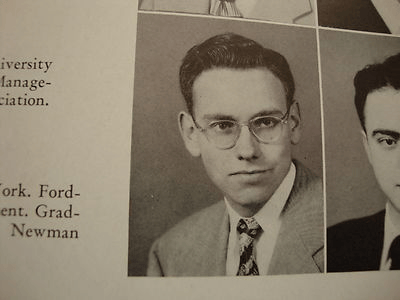
Fascinated by Graham’s lessons, Buffett began his career as a securities analyst in New York in 1951, working at Graham-Newman Corp. Quickly, he embraced the concept of buying shares of companies whose net assets exceeded their market price, ensuring a “margin of safety” in investments.
In 1956, at 26, he launched Buffett Partnership Ltd., his first investment fund. With iron discipline, he expanded from three to six partnerships by 1959, managing over US$7 million in assets, an amount equivalent to over US$70 million today. In 1961, his partnership bought 23% of Sanborn Map Company, “cheap” in relation to its asset value, and earned a 50% profit in just two years.
This history of returns above the market average caught the attention of Charlie Munger, who became his right-hand man in 1978 and helped refine Buffett’s strategy, making it even more focused on high-quality businesses and competent management.
The Rise of Berkshire Hathaway
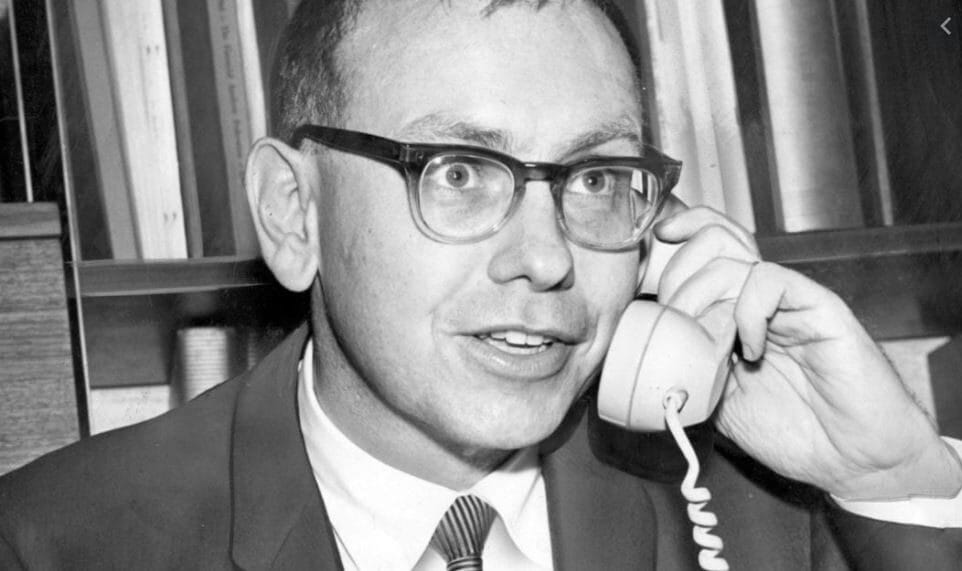
In 1965, Buffett became the majority shareholder of the textile Berkshire Hathaway, a business he would later call the “worst investment” of his life. However, far from abandoning the company, he converted it into a vehicle for acquisitions in more profitable sectors such as insurance, energy, and transportation.
In the 1970s, he acquired GEICO, See’s Candies, and in 1988, bought a robust stake in Coca-Cola, an investment that yielded billions in dividends and appreciation. In 2009, he made the largest acquisition in Berkshire’s history by purchasing the Burlington Northern Santa Fe railway for US$34 billion in cash and stock.
Under his leadership, Berkshire Hathaway became the 18th largest conglomerate in the world by market value, according to the Financial Times in 2009. Even after surpassing US$300 billion in market capitalization in 2014, Buffett remained committed to his symbolic salary of US$100,000 a year, reinforcing his image as an austere manager.
Philosophy, Frugality, and Legacy
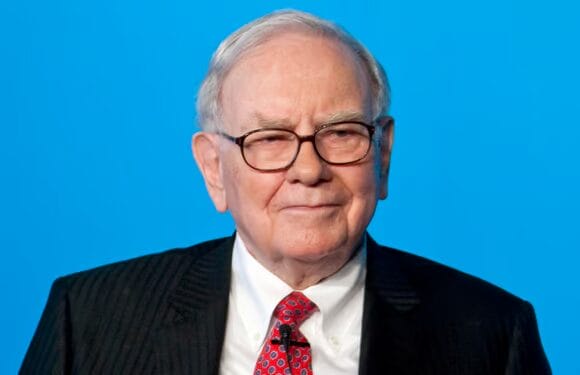
Known for his phrase “buy businesses, not papers,” Buffett praises easily understandable businesses and prefers to hold shares indefinitely, taking advantage of the power of compound interest¹⁷. He avoids technology that he does not master, but surprised the market by investing in IBM (2011) and Apple (2016), two bets that proved profitable.
His personal life reflects consistency: he still lives in the same house in Omaha that he bought in 1958 for US$31,500, drives a Cadillac DTS, and eats sandwiches at the local fair, despite having tens of billions of dollars in stocks in his portfolio. This frugality has strengthened his reputation and attracted thousands of people to the “Woodstock of Capitalism,” the annual Berkshire shareholder meeting, which welcomes over 20,000 visitors.
In 2010, Buffett and Bill Gates launched the Giving Pledge, committing billionaires to donate at least half of their fortunes to social causes. By 2025, Buffett had donated over US$50 billion, becoming the largest living philanthropist in absolute terms.
Planning the Future of the Empire
In May 2025, at 94 years old, Buffett announced that Greg Abel would succeed him as CEO of Berkshire Hathaway by the end of the year, ensuring a smooth transition and continuity of the long-term value culture. Still, he will remain as chairman of the board, guiding strategic decisions.
The bet now is to maintain the decentralized conglomerate model, with local CEOs running insurance, energy, transportation, and consumer goods businesses without daily interference from Omaha. This lean governance, pioneered by Buffett, meets high-quality acquisitions and allows seizing opportunities across various sectors without losing agility.
The journey of Warren Buffett, from the newspaper boy in Omaha to the global “Oracle,” proves that discipline, patience, and simplicity can generate the most solid investment empire in modern history. And, as he often says, “The stock market is a device for transferring money from the impatient to the patient.”







Força de vontade, disciplina, inteligência, conhecimento aprendido e ambição no ponto certo.
Isso ai